

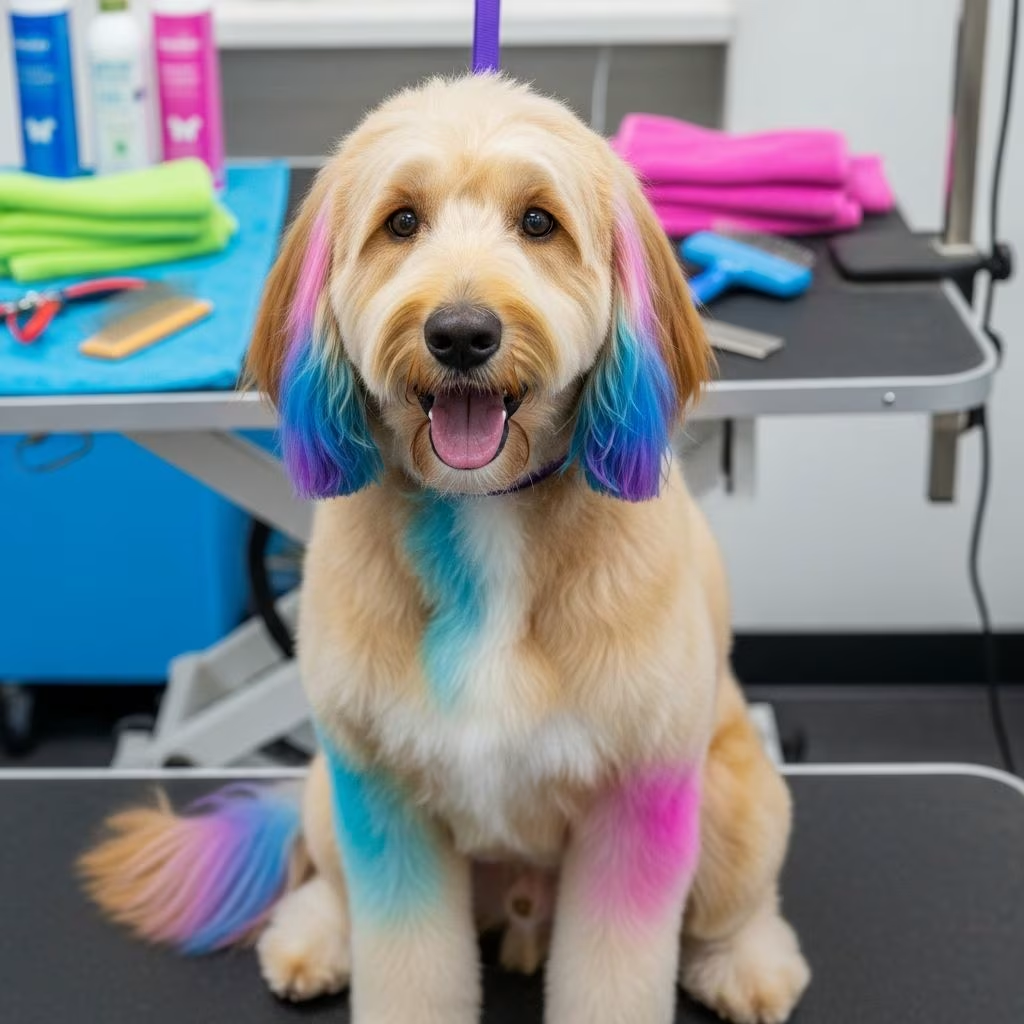
The trend of creative pet grooming has grown significantly in recent years, with many dog owners seeking ways to personalize their pets’ appearance. One popular cosmetic procedure involves dyeing a dog’s coat with vibrant colors. However, this practice raises important questions about safety, pet welfare, and the appropriateness of applying human beauty standards to animals. Before considering any coat coloring procedure for your canine companion, it’s essential to understand the potential risks, identify which products are genuinely safe, and explore alternatives that won’t compromise your dog’s health.
Understanding the Risks of Improper Hair Dye Products
The most critical safety rule when it comes to canine coat coloring is straightforward: never use human hair dye on dogs. Human hair dyes contain chemical formulations designed specifically for human scalp pH levels and hair structure, making them fundamentally unsuitable for canine skin and fur. These products can trigger serious health complications in dogs.
Human hair dyes often contain toxic ingredients that pose multiple dangers to dogs. Because dogs naturally groom themselves by licking their fur, any chemical residue on their coat can be ingested, leading to internal poisoning. Additionally, the skin barrier of dogs is more delicate and permeable than human skin, allowing harmful substances to absorb more readily. Dogs may experience severe allergic reactions, ranging from localized skin irritation to systemic reactions affecting multiple body systems. In extreme cases, improper chemical exposure can cause chemical burns on the skin, respiratory distress, and fatal poisoning.
Products containing certain chemical agents warrant particular caution. Hydrogen peroxide and ammonia are traditional components in many hair dye formulations, but these harsh chemicals can cause significant discomfort and damage to canine skin and coat. The concentration levels in human products are far too strong for use on animals, even in diluted forms. Dogs with sensitive skin or existing dermatological conditions face elevated risk when exposed to these chemicals.
When Coat Coloring Becomes Inappropriate
Beyond the chemical safety concerns, certain circumstances make coat coloring unsuitable regardless of product selection. Dogs with pre-existing skin conditions should never undergo dyeing procedures. If your dog has any of the following conditions, coloring should be avoided:
- Active skin irritation or inflammation
- Chronic itching or scratching behavior
- Diagnosed dermatological conditions such as allergies or eczema
- Recent injuries to the skin or coat
- Sensitive skin that reacts negatively to grooming products
- Open wounds or lesions on the skin
In these situations, applying dye—even pet-safe formulations—could exacerbate the condition, cause additional irritation, and worsen your dog’s comfort and health status. Always consult with your veterinarian before proceeding with any coat coloring if your dog has a history of skin sensitivity.
Pet-Safe Coloring Options: What Actually Works
For owners committed to experimenting with their dog’s appearance through color, pet-safe alternatives exist and can deliver satisfactory results when applied properly. Understanding these options helps you make informed decisions about your dog’s grooming.
Professional Pet Hair Dyes
The safest approach to dog coat coloring involves using products specifically formulated for pets. These dyes are engineered with animal safety as the primary consideration, utilizing ingredient compositions that pose minimal risk when applied to canine skin and fur. Professional-grade pet hair dyes come in multiple formats, including gel-based formulations and liquid solutions. Some reputable brands have established track records spanning over a decade with demonstrated safety in professional grooming environments. Leading pet dye manufacturers conduct rigorous safety testing, with some products achieving the highest safety certifications from independent laboratories. These certifications typically evaluate potential toxicity, skin irritation potential, and allergic reaction risks.
Pet-safe dyes are formulated with lower concentrations of chemical agents compared to human products. Some premium formulations eliminate ammonia entirely, reducing irritants that can cause respiratory discomfort for both pets and groomers. When professional-grade dyes are applied correctly by trained individuals, they should not cause pain or discomfort to your dog.
Natural and Food-Based Coloring Alternatives
For owners seeking to minimize chemical exposure entirely, natural alternatives derived from common food ingredients offer a safer route to experimentation. These options eliminate concerns about synthetic chemicals while still providing subtle color changes.
| Coloring Agent | Resulting Hue | Safety Profile | Durability |
|---|---|---|---|
| Carrot Juice | Reddish-Orange Tint | Completely Safe | Temporary (washes out easily) |
| Beet Juice | Pink or Rose Tones | Completely Safe | Temporary (washes out easily) |
| Food Coloring | Various Colors Available | Safe in Food-Grade Quality | Temporary (limited permanence) |
Natural coloring options work through staining rather than chemical alteration of the hair structure. These methods are entirely non-toxic and pose no ingestion risks, making them ideal for dogs prone to licking their fur. However, natural colors typically wash out more quickly than professional dyes and may require more frequent reapplication to maintain color vibrancy. The color intensity also depends on your dog’s natural coat color, with lighter-colored coats showing more dramatic color changes than darker fur.
Preparing Your Dog for the Coloring Process
If you decide to proceed with coat coloring using pet-safe products, proper preparation significantly reduces risks and improves results. The condition of your dog’s coat before the dyeing process directly impacts the outcome and safety profile of the procedure.
Pre-coloring grooming should include thorough brushing to remove mats, tangles, and debris from the coat. A clean coat absorbs dye more evenly, producing more consistent color results. Bathing your dog with a gentle shampoo a day or two before coloring helps create an optimal surface for dye application, though avoid heavy conditioning treatments that might create a barrier preventing dye penetration.
Performing a patch test is strongly recommended, particularly for dogs experiencing coat coloring for the first time. Apply a small amount of the chosen dye to a discrete area of your dog’s fur—typically an inconspicuous spot on the inner thigh or behind the ear—and monitor for 24-48 hours. Watch for signs of adverse reactions including excessive scratching, redness, swelling, discharge, or behavioral changes. If any negative response occurs, discontinue use immediately and consult your veterinarian.
Professional Application Versus Home Coloring
While home application is possible, professional groomers possess specialized knowledge and experience that significantly minimizes risks and improves outcomes. Professional groomers understand canine temperament, know how to handle anxious or difficult dogs, and can assess whether individual animals are suitable candidates for the procedure based on age, health status, and behavioral factors.
Professional application also ensures proper dye concentration, correct application techniques, and appropriate processing times. Mistakes in these areas can result in uneven coloring, damaged coat texture, or increased irritation risk. Additionally, professional groomers know how to position dogs safely during the process, preventing dye from contacting sensitive areas like eyes, ears, and mucous membranes.
If you choose home application, carefully read and follow all manufacturer instructions without deviation. Use only the recommended quantities of dye, adhere to suggested application methods, and don’t exceed the specified processing time in hopes of achieving more intense color. More is not better in this context—extended processing times increase irritation risk without improving color results.
Monitoring for Adverse Reactions
After coat coloring, vigilant observation during the following days and weeks helps identify any delayed adverse reactions. Even with safe products, some dogs may experience unexpected sensitivity. Watch for the following warning signs that would warrant veterinary consultation:
- Excessive or persistent scratching in treated areas
- Redness, swelling, or inflammation of the skin
- Hair loss or bald patches appearing after treatment
- Discharge, oozing, or scabbing on the skin
- Signs of systemic illness such as vomiting, diarrhea, or lethargy
- Behavioral changes or signs of discomfort
- Respiratory symptoms or breathing difficulties
If any of these symptoms develop, cease any further applications of the product and seek veterinary care. Your veterinarian can assess whether the reactions are dye-related and recommend appropriate treatment to address inflammation or irritation.
Considering Your Dog’s Perspective
Beyond chemical safety concerns, it’s worth reflecting on whether coat coloring aligns with your dog’s welfare and preferences. Dogs cannot consent to cosmetic procedures or express preferences about their appearance. The dyeing process itself—involving handling, positioning, chemical odors, and application time—creates stress for many animals. Professional groomers working with calm, acclimated dogs can minimize this stress, but the process remains fundamentally something the dog must endure rather than enjoy.
Routine grooming serves legitimate health purposes by maintaining coat health, regulating body temperature, and preventing matting and skin issues. Coat coloring provides no health benefit to the dog and exists purely to satisfy human aesthetic preferences. For many animal welfare advocates, this distinction represents an important ethical consideration when deciding whether to pursue such procedures.
Frequently Asked Questions About Dog Coat Coloring
Is it painful for dogs when their coat is dyed?
When performed by trained professionals using pet-safe products, the dyeing process itself should not cause pain. However, the experience can create stress due to the handling, positioning, processing time, and chemical odors involved. Some dogs tolerate the experience better than others depending on temperament and prior grooming experiences.
Can I use human hair dye on my dog if I dilute it?
No. Diluting human hair dye does not make it safe for dogs. The fundamental chemical composition remains inappropriate for canine skin and fur, and the concentration levels in human products are still far too strong even when diluted. Always use products specifically formulated for pets.
How long does pet-safe dye last on a dog’s coat?
Duration varies depending on the product type and your dog’s grooming habits. Permanent pet dyes can last through multiple grooming cycles, while semi-permanent dyes typically fade within several weeks. Natural alternatives wash out much faster, often within one or two baths.
What should I do if my dog shows an allergic reaction to pet-safe dye?
Stop using the product immediately and do not reapply. Contact your veterinarian, especially if reactions are severe or persistent. Your vet can examine your dog, recommend treatment for inflammation or irritation, and help identify whether your dog has sensitivities to specific product components.
Are there age restrictions for dyeing a dog’s coat?
Puppies and senior dogs may have more sensitive skin and may experience greater stress from the grooming process. Professional groomers assess individual animals to determine suitability, considering age, health status, and temperament before proceeding.
Making Your Final Decision
Deciding whether to dye your dog’s coat requires balancing aesthetic desires against safety considerations, wellness factors, and ethical perspectives. If you choose to proceed, commitment to using genuinely safe products, proper preparation, professional application when possible, and careful post-procedure monitoring significantly reduces risks. Consulting with your veterinarian before starting the process provides personalized guidance based on your individual dog’s health, skin condition, and suitability for the procedure. This professional perspective helps ensure that any cosmetic choices you make prioritize your dog’s wellbeing above all other considerations.
References
- Dog Hair Dye: Facts, Dangers, What to Know Before Starting — PETA. https://www.peta.org/news/dog-hair-dye-dangers-pooch-perfect-problems/
- Is Pet Hair Dye Containing Peroxide Toxic? — OPAWZ. https://www.opawz.com/blogs/tutorials/is-pet-hair-dye-containing-peroxide-toxic
- Is Hair Dye Safe for Dogs? — Hill’s Pet Nutrition. https://www.hillspet.com/dog-care/resources/is-hair-dye-safe-for-dogs
- The Safety of Pet Hair Dye: Expert Insights from The Rich Groomer — The Rich Groomer. https://therichgroomer.com/rich-groomer-blog/the-safety-of-pet-hair-dye-expert-insights-from-the-rich-groomer-pet-groomers-in-sacramento/



