

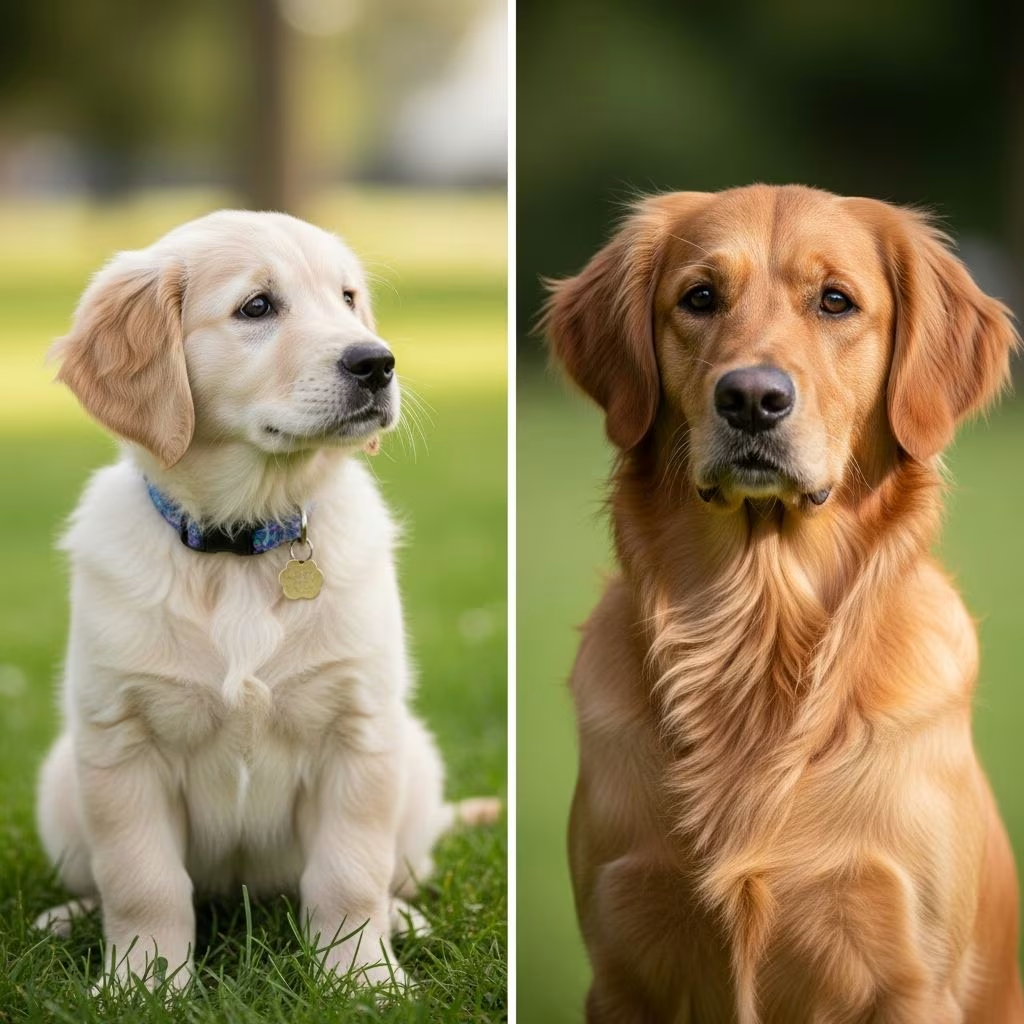
Dogs’ fur can undergo noticeable color shifts over time, ranging from subtle fading to dramatic stains. These alterations often stem from a mix of natural processes and potential health concerns. Understanding the underlying factors helps pet owners determine if changes are benign or warrant professional attention.
Understanding the Science of Canine Coat Pigmentation
Canine fur color arises from two primary pigments: eumelanin, responsible for black and brown tones, and pheomelanin, which produces reds, yellows, and lighter shades. These pigments are synthesized by specialized cells called melanocytes in the hair follicles. Genetic instructions dictate the balance and distribution of these pigments, creating a dog’s unique coat pattern from birth.
Environmental influences and internal health states can disrupt pigment production or degrade existing color. For instance, UV radiation from sunlight breaks down melanin molecules, leading to bleaching effects particularly in lighter coats. Similarly, dietary components provide the building blocks for pigment synthesis, so imbalances can manifest visibly in the fur.
Genetic Influences on Evolving Fur Shades
Many coat color variations are predetermined by heredity. Puppies often display different hues than adults as their genetic blueprint matures. Certain breeds, like Dalmatians, experience specific syndromes where spots transition from black to bronze due to metabolic issues with purine processing, resulting in uric acid buildup that tints the skin and fur.
Other genetic traits cause progressive lightening or darkening. Breeds with dilute genes may see blue or fawn tones emerge over time. These changes are typically symmetrical and predictable within breed lines, distinguishing them from irregular patches that signal other problems.
Environmental Culprits Behind Fading or Staining
Outdoor lifestyles expose dogs to elements that alter fur appearance. Prolonged sun exposure fades dark coats to rusty or silvery shades, while light fur may yellow. Chlorinated water from pools or oceans strips natural oils, dulling vibrancy and sometimes tinting strands.
Chemical interactions, such as harsh grooming products or pollutants, can react with fur proteins, causing uneven discoloration. Frequent exposure to grass, dirt, or urban grime leads to surface staining, especially on white or pale coats. Protecting dogs with sunscreen, protective clothing, or limited sun time during peak hours mitigates these effects.
Nutrition’s Critical Role in Maintaining Vibrant Coats
A balanced diet is foundational to coat integrity. Essential fatty acids, like omega-3 and omega-6, support melanin production and skin barrier function. Deficiencies lead to dry, brittle fur prone to color loss. Zinc shortages cause crusty dermatitis around the eyes, ears, and paws, accompanied by lightening or reddish tinges.
Copper deficiency similarly dulls black coats to grayish tones. Amino acids form the core of pigment molecules; inadequate intake, often from diet switches or poor-quality foods, results in faded hues. Post-chemotherapy diet changes have been observed to trigger such shifts until corrected. High-quality proteins, fortified kibble, or vet-recommended supplements restore pigmentation when nutrition is the root cause.
| Nutrient | Deficiency Symptoms in Fur | Sources |
|---|---|---|
| Zinc | Discoloration around face/legs, scaling | Meat, eggs, supplements |
| Copper | Fading gloss, dullness | Liver, shellfish |
| Fatty Acids | Dryness, flakiness, color loss | Fish oil, flaxseed |
| Amino Acids | Overall fading, especially dark coats | High-protein diets |
Hormonal Imbalances and Their Visible Impact
Endocrine disorders profoundly affect coat quality. Hypothyroidism, marked by insufficient thyroid hormone, yields a dull, thinning coat with symmetric lightening. Owners notice increased shedding and skin thickening alongside color shifts.
Cushing’s disease, or hyperadrenocorticism, elevates cortisol levels, causing patchy baldness and fur darkening in creases or lightening elsewhere. Adrenal issues similarly disrupt cycles, leading to uneven pigmentation. Blood panels and hormone assays confirm these conditions, often treatable with lifelong medication.
Infections and Allergies: Red Flags in Fur Hue
- Porphyrin Staining: Tears, saliva, and urine contain iron-rich porphyrins that oxidize white fur to pink, red, or brown, especially around eyes, paws, and mouth. Licking exacerbates this on light-coated breeds.
- Yeast/Bacterial Overgrowth: Moist areas foster microbes, producing reddish-brown discoloration, odor, and itching. Allergies to food, pollen, or fleas trigger excessive grooming, compounding stains.
- Fungal Issues: Ringworm creates circular patches of color change, scaling, and hair loss, spreading if ignored.
Topical cleaners with chlorhexidine or medicated shampoos, plus allergy testing, resolve most cases. Persistent issues demand fungal cultures or skin biopsies.
Age, Medications, and Medical Treatments
As dogs age, melanocyte activity wanes, graying muzzles and faces first, then spreading. This mirrors human graying but accelerates in some breeds.
Cancer therapies like chemotherapy rarely cause full alopecia but frequently alter regrowth color by targeting fast-dividing follicle cells. Radiation localizes changes to treated sites. Medications for seizures or heart conditions occasionally dull coats via nutritional interference.
When to Consult a Veterinarian
Monitor for rapid onset, asymmetry, accompanying itchiness, hair loss, or lethargy. Benign changes progress slowly and uniformly; concerning ones involve skin changes or behavioral shifts. Diagnostic steps include:
- Full history and physical exam.
- Skin scrapes, cytology for infections.
- Bloodwork for hormones/nutrition.
- Biopsy for tumors or anomalies.
Early intervention prevents escalation. Custom diets, flea preventives, or endocrinologic drugs tailor solutions.
Prevention Strategies for Healthy Coats
- Feed AAFCO-approved, breed-specific diets rich in omegas and minerals.
- Groom weekly with pH-balanced shampoos; rinse thoroughly.
- Limit sun with shade, hats, or SPF sprays for thin-coated dogs.
- Address allergies promptly via hypoallergenic foods or immunotherapy.
- Annual vet checkups catch subclinical issues.
Frequently Asked Questions (FAQs)
Is it normal for puppy fur to change color?
Yes, many puppies shed neonatal fur, revealing adult colors influenced by genetics. Monitor for uniformity.
Can diet alone fix stained paws?
Diet aids overall health, but stains often require enzymatic cleaners and allergy management first.
Why does my white dog’s face turn rust-colored?
Porphyrins from tears/saliva cause this; wipe daily and check for infections.
Does spaying/neutering affect coat color?
Indirectly via hormones, but rarely; consult if changes follow surgery.
How to reverse sun-faded fur?
Time, nutrition, and antioxidants help; new growth replaces faded hair.
References
- What Causes Dog Fur Discoloration? — Penny Paws. 2023. https://pennypaws.com/blog/what-causes-dog-fur-discoloration/
- Why is my dog’s fur color changing? — The Animal Medical Center. 2024-01-17. https://www.amcny.org/blog/2024/01/17/why-is-my-dogs-fur-color-changing/
- Why Does My Dog’s Fur Turn Pink or Brown? — American Kennel Club. 2023. https://www.akc.org/expert-advice/health/why-is-my-dogs-fur-changing-color/
- Fading Dog Fur Color: Causes and Solutions — Superior Care Pet. 2023. https://www.superiorcare.pet/blogs/news/fading-dog-fur-color-causes-and-solutions
- Skin Color Change in Pets: Causes, Symptoms & When to Seek Veterinary Care — Pet Method. 2023. https://www.petmethoddfw.com/blog/skin-color-change-in-pets-causes-symptoms-when-to-seek-veterinary-care-pet-method
- How common is it for dogs to change color? — BirchBark Foundation. 2016-11-05. https://www.birchbarkfoundation.org/ask-a-vet-blog/2016/11/5/how-common-is-it-for-dogs-to-change-color
- Pet Hair Changes and Symptoms: A Troubleshooting Guide — Pet Medical Center Vero Beach. 2023. https://www.petmedicalcenterverobeach.com/pet-hair-changes-and-symptoms-a-troubleshooting-guide



