

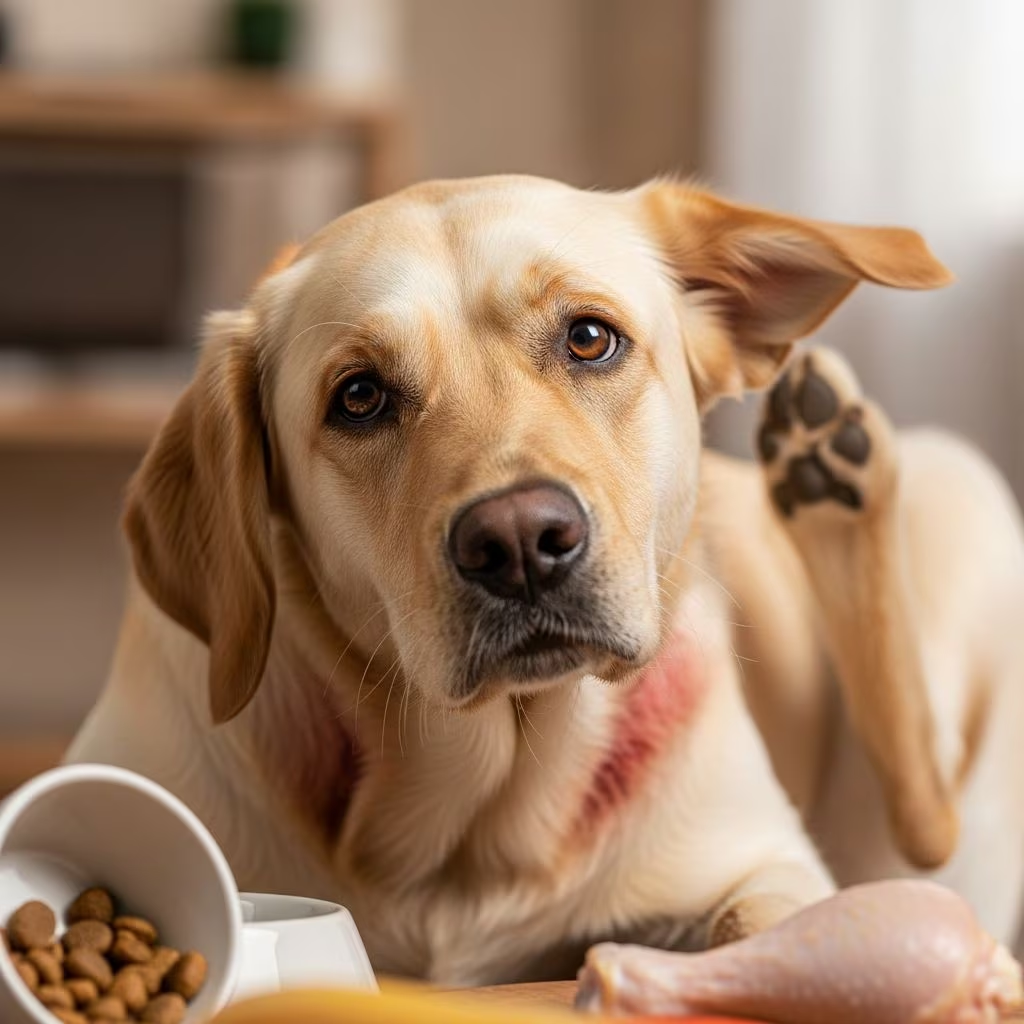
Understanding Dog Chicken Allergies
Chicken is one of the most common protein sources found in commercial dog foods and treats due to its lean composition and high protein content. However, for some dogs, chicken can trigger an allergic reaction that leads to persistent health issues. A chicken allergy in dogs occurs when a dog’s immune system overreacts to chicken proteins, causing a range of symptoms that can significantly impact their quality of life. Understanding this condition is crucial for pet owners who want to maintain their dog’s comfort and well-being.
Food allergies in dogs can be challenging to diagnose and manage, requiring commitment and the right information from pet owners. The good news is that with proper identification and dietary management, your dog can live a comfortable, itch-free life free from the discomfort associated with chicken allergies.
Common Symptoms of Dog Chicken Allergy
Recognizing the symptoms of a chicken allergy is the first step toward helping your dog feel better. Chicken allergy symptoms typically manifest through skin issues, digestive problems, or a combination of both. Here are the primary indicators that your dog may be suffering from a chicken allergy:
Skin-Related Symptoms
Skin problems are among the most visible signs of a chicken allergy in dogs. These symptoms often appear on specific areas of the body:
– Itchy skin, especially around the paws, face, ears, anus, and underbelly- Red or inflamed skin that appears irritated or painful- Rashes or hives across various body areas- Scabbing or crusting on the skin surface- Hair loss, often resulting from the dog repeatedly rubbing or licking affected areas- Hot spots or open sores created by constant scratching and licking- Frequent ear infections that recur despite treatment
Behavioral and Physical Indicators
Beyond visible skin changes, dogs with chicken allergies often exhibit specific behaviors that indicate discomfort:
– Chronic licking or scratching, particularly of the paws and face- Excessive paw chewing or biting- Floor-scooting or frequent licking of the rear end- Constant scratching around the mouth and ear areas
Digestive Symptoms
Gastrointestinal issues are another common manifestation of chicken allergies in dogs:
– Chronic vomiting after meals- Diarrhea or loose stools- Excessive flatulence or smelly gas- Bloating or signs of abdominal discomfort- Chronic anal gland issues requiring frequent veterinary attention
Severe Reactions
While rare, some dogs may experience severe allergic reactions. Anaphylactic reactions include facial swelling, sudden vomiting or diarrhea, difficulty breathing, tremors, and in extreme cases, collapse. These symptoms require immediate veterinary attention and are uncommon with food allergies but should never be ignored.
Distinguishing Between Allergies and Intolerances
It’s important to understand that a true food allergy differs from a food intolerance. A true food allergy involves the dog’s immune system overreacting to specific proteins in chicken, triggering the symptoms described above. Food intolerances, conversely, are more common than allergies and cause mild digestive discomfort without involving the immune system.
Additionally, some dogs may react poorly to low-quality chicken meals, byproducts, or processed fillers rather than fresh, high-quality chicken sources. This distinction is important because it determines the appropriate treatment approach. A veterinarian can help differentiate between these conditions through proper diagnostic testing and observation.
Diagnosing a Chicken Allergy in Your Dog
Diagnosing a chicken allergy requires systematic evaluation since food allergies can mimic other health conditions. Several diagnostic approaches are available, each with its own advantages and considerations.
The Elimination Diet Trial
The elimination diet is the gold standard for diagnosing food allergies in dogs and is guided by a veterinarian. This method involves a structured two-phase process:
Phase One – Elimination (8-12 weeks): Your dog is placed on a hypoallergenic diet consisting of a novel protein that your dog has never eaten before, such as venison, lamb, fish, or turkey. Alternatively, your veterinarian may recommend a hydrolyzed diet, where proteins are broken down into extremely small, non-allergenic particles that the immune system cannot recognize as allergens. During this entire period, it’s crucial to avoid all other food sources, including treats, flavored medications, and table scraps, as even small exposures can compromise the trial’s accuracy.
Phase Two – Re-Challenge: Once the 8-12 week period concludes and symptoms have improved significantly, chicken is gradually reintroduced into the diet. If allergy symptoms return within a few weeks, this confirms that chicken is indeed the culprit. This re-challenge phase is essential for definitively confirming the diagnosis.
Veterinary Allergy Testing
Some pet owners opt for allergy testing at their veterinary clinic. While this approach is faster than an elimination diet trial, it is also more costly. Allergy tests can provide quicker results but should be conducted and interpreted by a qualified veterinarian to ensure accuracy.
Why Proper Diagnosis Matters
Obtaining an accurate diagnosis is essential because it prevents unnecessary dietary restrictions and ensures that you’re addressing the actual problem. Many conditions can mimic allergy symptoms, including parasites, environmental allergies, or other health issues. Working with your veterinarian ensures that you’re implementing the correct treatment strategy for your specific dog.
Dog Chicken Allergy Treatment Options
Once a chicken allergy is confirmed, the most effective and primary treatment approach is clear: strict avoidance of chicken in your dog’s diet. However, treatment is multifaceted and may include several components depending on your dog’s severity of symptoms and any secondary conditions that have developed.
Primary Treatment: Dietary Avoidance
If an allergy is confirmed, the most effective—and really only definitive—treatment is strict avoidance of chicken in the dog’s diet. This includes not just chicken meat itself but also any foods, treats, or supplements containing chicken byproducts, chicken fat, chicken meal, or chicken flavorings. Reading ingredient labels carefully is essential, as chicken derivatives can hide under various names in commercial pet foods.
Transitioning to Alternative Proteins
Fortunately, many alternative protein sources can provide the necessary nutrients without triggering an allergic reaction. These include:
– Lamb- Turkey or other poultry (if chicken is the specific allergen)- Fish and salmon- Venison- Beef (with caution, as beef is the most common food allergen in dogs)- Duck- Rabbit
Your veterinarian can help you select the best alternative protein source and ensure that your dog’s new diet meets all nutritional requirements for optimal health.
Managing Secondary Infections
If secondary infections develop from the allergy—such as bacterial or yeast skin infections, or chronic ear infections—your veterinarian may recommend:
– Antibiotics to treat bacterial infections- Antifungal medications for yeast infections- Medicated shampoos and rinses to help alleviate skin symptoms- Ear cleaning solutions and medications for ear infections
Symptomatic Relief Medications
While dietary changes take effect, your veterinarian may recommend medications to reduce your dog’s discomfort and help break the inflammation cycle:
– Antihistamines to reduce allergic response- Corticosteroids to control inflammation and itching- Immunosuppressants in severe cases- Fatty acid supplements to support skin health- Medications for digestive upset such as anti-diarrheal agents
These medications help manage symptoms while the dietary transition is underway, making your dog more comfortable during the adjustment period.
Long-Term Management and Prevention
Managing a chicken allergy requires ongoing commitment to your dog’s dietary needs. To prevent future allergic reactions and maintain your dog’s health:
– Always read ingredient labels thoroughly before purchasing dog food or treats- Communicate your dog’s allergy to all family members and caregivers- Avoid offering table scraps, as many human foods contain chicken or chicken derivatives- When introducing new foods or treats, do so gradually and watch for any allergic responses- Maintain regular veterinary check-ups to monitor your dog’s health and dietary needs- Consider working with a veterinary nutritionist to ensure your dog’s diet is balanced and complete
Frequently Asked Questions
Q: How common is chicken allergy in dogs?
A: Chicken allergy is the second most common food allergy in dogs after beef, affecting as much as 15% of dogs according to veterinary research. While this is significant, it’s important to note that food intolerances are actually more common than true allergies.
Q: What are the tell-tale signs of chicken allergy in dogs?
A: The most common signs include itching and scratching (especially around the face, paws, and ears), paw licking or chewing, carpet-scooting, rear-end licking, ear infections, digestive upset, and skin inflammation or rashes.
Q: How long does an elimination diet trial take?
A: The elimination phase typically lasts 8 to 12 weeks. This extended period allows any allergic symptoms to fully resolve before moving to the re-challenge phase.
Q: Can a chicken allergy be cured?
A: Unfortunately, food allergies cannot be cured, but symptoms can be effectively managed through strict dietary avoidance. Once a dog develops an allergy to chicken, they will likely need to avoid it for life.
Q: What should I feed my dog if they’re allergic to chicken?
A: You can choose from various alternative protein sources such as lamb, fish, turkey, venison, or specialty limited-ingredient diets. Your veterinarian can recommend the best option for your individual dog based on their nutritional needs and any other dietary sensitivities.
Q: Are chicken allergies life-threatening?
A: While anaphylactic reactions are theoretically possible with any allergy, they are extremely rare with food allergies in dogs. Most chicken allergies cause chronic discomfort rather than acute danger, though severe symptoms should always be evaluated by a veterinarian.
Q: Can I give my dog treats if they’re allergic to chicken?
A: Yes, but you must carefully select treats that don’t contain chicken or any chicken byproducts. Many treat manufacturers offer chicken-free options, and you can also make homemade treats using safe ingredients like peanut butter, pumpkin, or alternative proteins approved by your vet.
References
- Dog Chicken Allergy: Symptoms, Treatment, and More — Chewy. 2025. https://www.chewy.com/education/dog/food-and-nutrition/dog-chicken-allergy
- Food Allergies in Dogs — VCA Animal Hospitals. 2024. https://vcahospitals.com/know-your-pet/food-allergies-in-dogs
- Chicken Allergy in Dogs: Everything You Need to Know — Bond Vet. 2024. https://bondvet.com/blog/chicken-allergy-in-dogs
- Chicken Allergy In Dogs: What You Need To Know — Wag! 2024. https://wagwalking.com/condition/poultry-allergies
- Pet Health Tips: Allergies — Purdue University College of Veterinary Medicine. 2024. https://vet.purdue.edu/hospital/small-animal/primary-care/tips/allergy-tips.php
- Allergies in Dogs: Symptoms, Causes, and Treatment — PetMD. 2025. https://www.petmd.com/dog/general-health/food-allergies-vs-seasonal-allergies-dogs



