

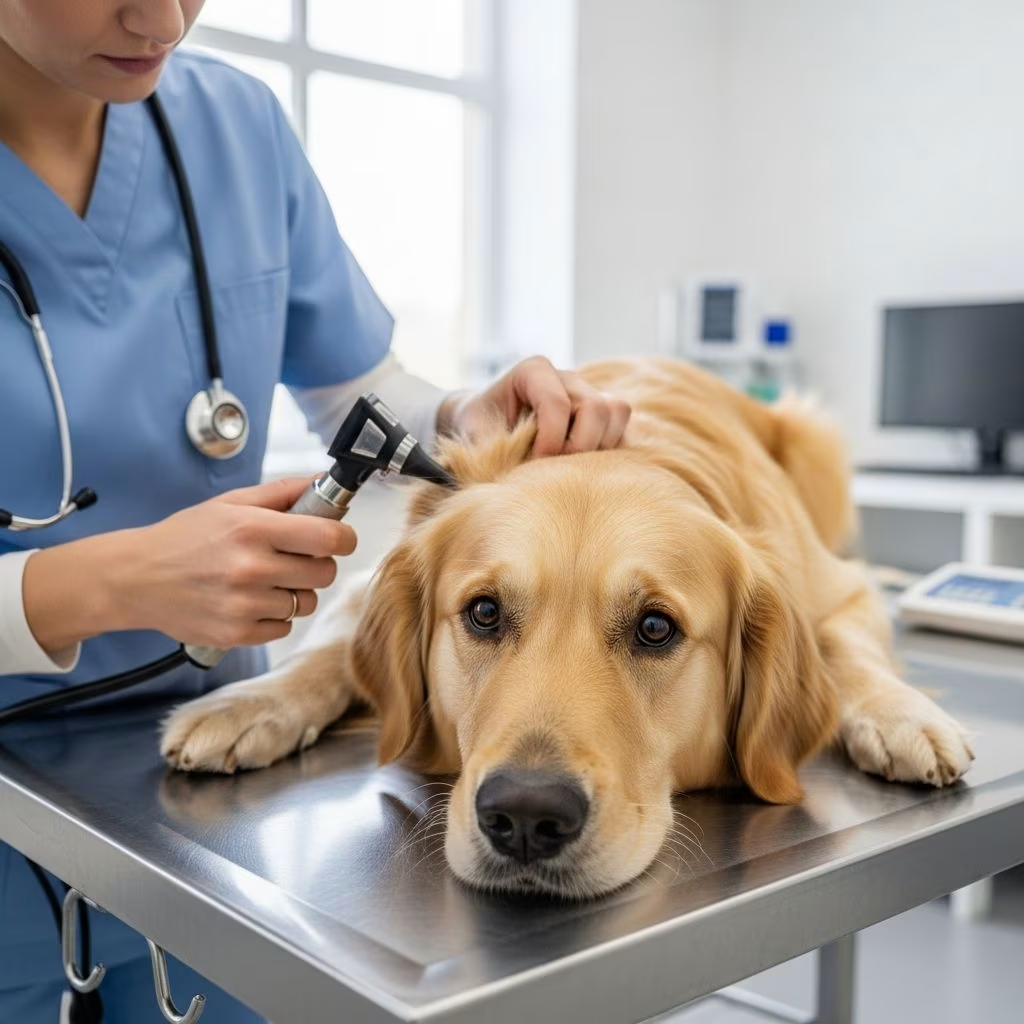
Routine veterinary check-ups form the cornerstone of preventive care for dogs, enabling early detection of potential issues and tailored health management plans. These visits typically occur annually for adult dogs, with more frequent exams recommended for puppies, seniors, and those with chronic conditions. Understanding the process empowers owners to actively participate, fostering a stronger partnership with their veterinarian.
Why Regular Check-Ups Matter for Dogs
Consistent wellness exams help maintain your dog’s quality of life by identifying subtle changes before they escalate into costly or life-threatening problems. For instance, early detection of dental disease, which affects over 80% of dogs by age three, or heart murmurs can significantly improve outcomes. Vets assess overall body condition, track growth or age-related declines, and customize preventive strategies based on breed, lifestyle, and environment. Puppies benefit from monthly visits in their first year to monitor development, while seniors over seven years may need biannual exams due to accelerated aging processes.
Preparation Steps Before the Vet Visit
Effective preparation ensures a productive appointment and minimizes stress for your dog. Start by scheduling early in the year, ideally when your calendar allows undivided attention. Set digital reminders to avoid lapses.
- Gather Records: Compile vaccination history, prior lab results, medication lists, and diet details to provide a complete health snapshot, preventing redundant tests.
- Observe Daily Habits: Note appetite shifts, water intake, energy levels, mobility, or stool consistency in the weeks prior. Even minor changes like increased thirst could signal kidney issues or diabetes.
- Collect Samples: Bring a fresh fecal sample in a provided container for parasite screening, as puppies are particularly prone to worms.
- Prepare Questions: Jot down concerns about behavior, nutrition, or flea prevention to maximize the consultation.
Exercise your dog lightly beforehand to promote calm behavior, and fast if bloodwork is anticipated, though confirm with the clinic.
The Check-In Process and Initial Assessments
Upon arrival, staff record your dog’s weight—a critical metric for dosing medications and monitoring obesity risks, which contribute to joint strain and diabetes. Temperature, pulse, and respiration rates follow, establishing baselines; normal dog temperature ranges from 100-102.5°F. Technicians inquire about diet, exercise, elimination patterns, and lifestyle factors like boarding frequency, which influence vaccine needs.
Detailed Physical Examination Breakdown
The core of every check-up is a systematic head-to-tail evaluation, lasting 10-20 minutes. Vets observe gait and posture first, checking for limps or imbalances indicative of arthritis or injury.
| Body Area | Checks Performed | Common Findings |
|---|---|---|
| Eyes & Ears | Clarity, discharge, redness; ear wax, odor, mites | Cataracts, infections |
| Mouth & Teeth | Gum color, tartar buildup, fractures, breath odor | Periodontal disease |
| Skin & Coat | Lumps, allergies, dryness, parasites | Dermatitis, fleas |
| Heart & Lungs | Auscultation for murmurs, irregular rhythms, crackles | Valve issues, pneumonia |
| Abdomen | Palpation for masses, pain, organ size | Tumors, bloat |
| Joints & Limbs | Range of motion, swelling, pain response | Dysplasia, sprains |
| Genitals & Anal Area | Discharge, sacs, hernias | Prostate issues, impactions |
This thorough palpation and inspection reveals issues like muscle wasting or dehydration. For breeds prone to hip dysplasia, such as Labrador Retrievers, baseline X-rays may be suggested even in young dogs.
Diagnostic Tests: Beyond the Surface
Even healthy-appearing dogs undergo baseline testing to gauge internal function. Annual bloodwork, including complete blood count (CBC) for anemia or infection and chemistry panels for kidney/liver values, provides reference points. Urinalysis detects urinary tract infections or diabetes via glucose levels, while fecal exams screen for parasites like roundworms or giardia.
- Heartworm Test: Recommended yearly for dogs over 7 months, per American Heartworm Society guidelines, regardless of preventives.
- Senior Panels: Add thyroid screening for older dogs showing lethargy or hair loss.
These non-invasive tests, akin to human bloodwork, enable proactive interventions.
Vaccination and Parasite Prevention Review
Vets evaluate vaccine status, prioritizing core shots: rabies (legally required), distemper, parvovirus, and adenovirus. Lifestyle dictates non-core vaccines like Bordetella for social dogs or Lyme for tick-heavy areas. Puppies follow a series at 6-16 weeks, with boosters annually or every three years based on titer tests.
Preventives for fleas, ticks, heartworms, and intestinal worms are dispensed, often via monthly orals/topicals. Discuss efficacy and resistance patterns tailored to your region.
Nutrition, Weight Management, and Lifestyle Advice
Body condition scoring (1-9 scale) guides diet tweaks; overweight dogs face heightened diabetes and orthopedic risks. Vets recommend AAFCO-approved foods, portion control, and exercise regimens. Spay/neuter status, dental hygiene products, and joint supplements for large breeds are discussed.
Special Considerations for Life Stages
Puppies
First-year exams focus on deworming, socialization, and growth charts. Monthly fecal checks are vital due to high parasite loads.
Adults
Annual routines emphasize maintenance and breed-specific screens, like eye exams for Collies prone to genetic conditions.
Seniors
Biannual visits include cognitive assessments, cancer screenings, and pain management for arthritis, as dogs age 5-7 times faster post-seven years.
Post-Visit Action Plan and Follow-Ups
Depart with a summary report, prescription refills, and scheduled boosters. Implement home dental brushing or puzzle feeders as advised. Monitor for post-vaccine reactions like mild lethargy, contacting the vet if severe.
Frequently Asked Questions (FAQs)
How often should my dog get a check-up?
Puppies: Every 3-4 weeks until 16 weeks, then annually. Adults: Yearly. Seniors: Every 6 months.
What if my dog seems perfectly healthy?
Silent issues like early organ decline aren’t visible; baselines prevent surprises.
Are check-ups expensive?
Costs vary ($50-200+ tests), but prevention saves on emergencies. Wellness plans offer discounts.
Should I fast my dog before the visit?
Yes for bloodwork; confirm with your vet.
What breeds need extra tests?
Large breeds: Hip X-rays. Short-nosed: Dental/respiratory focus.
Empowering Your Role in Canine Wellness
Active involvement in check-ups translates to tangible benefits: longer lifespan, reduced vet bills, and a happier dog. Track trends across visits, advocate for breed-specific care, and integrate vet insights into daily routines. By prioritizing these exams, you invest in a vibrant, resilient companion for years to come.
References
- A Step-by-Step Guide to Your Pet’s Yearly Checkup — Dominion Valley Vets. 2023. https://www.dominionvalleyvets.com/step-by-step-guide-to-your-pets-yearly-checkup/
- What Happens During a First Vet Checkup? A Step-by-Step Guide — Cain Hoy Veterinary Hospital. 2024. https://www.cainhoyvet.com/what-happens-first-vet-checkup/
- Pet Wellness Exam | General Vet Visit — True Animal Vet. 2023. https://www.trueanimalvet.com/blog/what-happens-during-a-general-vet-visit.html
- What Happens During Dog Wellness Exams — The Drake Center. 2024. https://www.thedrakecenter.com/services/dogs/canine-wellness-checkups
- Wellness Examination in Dogs — VCA Animal Hospitals. 2024. https://vcahospitals.com/know-your-pet/wellness-examination-in-dogs
- Pet Wellness Exams: Costs and What To Expect — PetMD. 2024. https://www.petmd.com/general-health/pet-wellness-exams-how-prepare



