

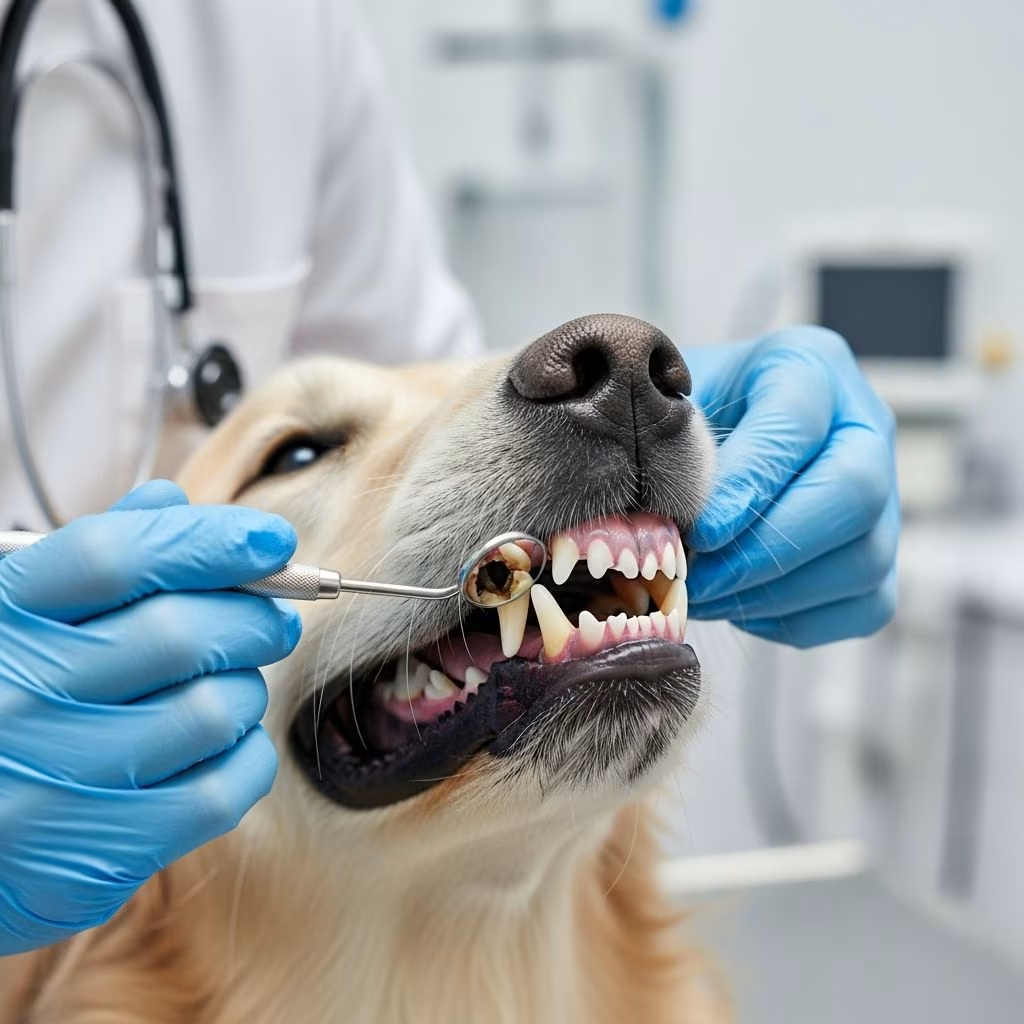
Canine cavities, though less common than in humans, pose significant health risks if untreated, leading to pain, infection, and costly interventions. Understanding the progression, treatment options, and associated expenses empowers pet owners to act proactively.
Understanding Cavities in Dogs
Dogs develop cavities when bacteria erode tooth enamel, often due to plaque buildup from diet, genetics, or poor hygiene. Unlike humans, their teeth feature a thinner enamel layer, accelerating decay once initiated. Common culprits include sugary treats, inadequate brushing, and breed predispositions in smaller dogs with crowded teeth.
- Key Risk Factors: High-starch diets, infrequent dental checkups, and dry kibble lacking abrasive qualities.
- Prevalence: Affects up to 10% of dogs, per veterinary observations, rising with age.
Recognizing the Signs of Tooth Decay
Early detection prevents escalation. Watch for subtle indicators like excessive drooling, pawing at the mouth, or reluctance to chew hard food. Advanced signs include facial swelling, blood-tinged saliva, and behavioral changes such as reduced playfulness.
| Early Symptoms | Advanced Symptoms |
|---|---|
| Bad breath | Swollen gums |
| Discolored teeth | Pain when eating |
| Mild drooling | Weight loss |
Owners should inspect teeth weekly, noting brown spots or rough textures as potential red flags.
Stages of Canine Tooth Decay
Veterinarians classify cavities into five progressive stages using X-rays and visual exams to guide treatment.
- Stage 1: Enamel-only damage; superficial and reversible with prompt care.
- Stage 2: Extends to dentin; sensitivity increases.
- Stage 3: Pulp exposure; risk of infection spikes.
- Stage 4: Crown structural compromise; stability threatened.
- Stage 5: Crown loss with root exposure; extraction inevitable.
Progression from Stage 1 to 5 can occur in months without intervention.
Treatment Approaches by Stage
Treatment escalates with severity, always under general anesthesia for precision.
Early Stages (1-2): Fillings and Restoration
Damaged enamel is drilled out, followed by amalgam or composite filling to seal the tooth. Procedure time: 30-60 minutes. Success rate exceeds 90% with proper aftercare.
Mid-Stage (3): Root Canal Therapy
Involves pulp removal, canal disinfection, filling, and crown sealing. Mimics human procedures but adapted for canine anatomy. Ideal for preserving vital teeth like canines[10].
Advanced Stages (4-5): Extraction and Supportive Care
Irreparable teeth are removed surgically. Adjacent teeth receive sealants to prevent spread. Post-op antibiotics and pain relief aid healing.
Veterinary dentists handle complex cases, often via referral.
Cost Breakdown for Dog Cavity Treatments
Expenses vary by location, clinic, and complexity, typically ranging $600-$1,200 per affected tooth, excluding multiples. Anesthesia, X-rays, and cleaning inflate totals.
| Treatment Type | Average Cost Range | Factors Influencing Price |
|---|---|---|
| Basic Filling (Stages 1-2) | $500-$800 | Anesthesia, materials |
| Root Canal (Stage 3) | $1,000-$1,500 | Specialist fees, X-rays |
| Extraction (Stages 4-5) | $300-$700 | Surgical complexity |
| Full Cleaning + Exam | $400-$1,000 | Number of teeth |
Multi-tooth issues can exceed $2,000. Pet insurance often covers 70-90%, reducing out-of-pocket costs. Rural areas see 20% lower fees than urban centers.
Post-Treatment Recovery Guidelines
Dogs rebound quickly, resuming normal activity in 1-2 days. Key steps:
- Administer prescribed pain meds (e.g., carprofen) and antibiotics (e.g., clindamycin) precisely.
- Offer soft foods for 7-10 days; avoid hard chews.
- Monitor for swelling or discharge; contact vet if persistent.
Full healing takes 2-4 weeks. Follow-up X-rays confirm success.
Proactive Prevention Strategies
Prevention trumps treatment, slashing long-term costs. Daily brushing with enzymatic toothpaste removes 70% more plaque than treats alone.
At-Home Dental Routines
- Brushing: 2-3 times weekly using dog-specific brushes and pastes; target outer surfaces.
- Dental Chews: VOHC-approved products reduce tartar by 35%.
- Water Additives: Antimicrobial formulas inhibit bacteria growth.
Professional Interventions
Annual vet cleanings with scaling and polishing are essential. Sealants on vulnerable teeth provide 6-12 months protection. The AAHA recommends home care plus pro cleanings for all adult dogs.
FAQs on Dog Cavities and Costs
Can cavities in dogs be treated at home?
No, professional veterinary care is mandatory to avoid complications like abscesses.
How long do dog cavity treatments take?
Typically 1 hour under anesthesia, with recovery in hours.
Does pet insurance cover cavity repairs?
Many plans do, often 80% after deductibles; check wellness add-ons for preventives.
Are small breeds more prone to cavities?
Yes, due to tooth crowding and diet habits.
What if my dog refuses brushing?
Start slow with finger brushes and flavors they love; pair with rewards.
Long-Term Oral Health for Your Dog
Integrating routines early yields lifelong benefits. Breeds like Dachshunds or Poodles warrant extra vigilance. Consult vets for tailored plans, ensuring your companion enjoys pain-free years. Regular monitoring turns potential crises into manageable checkups.
References
- Cavities in Dogs: Causes, Symptoms & Treatment — Rivergate Veterinary Clinic. 2022-02-28. https://www.rivergateveterinaryclinic.com/site/blog/2022/02/28/dog-cavity
- Cavity in Dogs: Causes, Symptoms, Treatment — MTYO Naha Animal Hospital. 2023-03-15. https://www.mtyonahanimalhospital.com/site/blog/2023/03/15/cavity-in-dogs-causes-symptoms-treatment
- Cavities in Dogs — PetMD. N/A. https://www.petmd.com/dog/conditions/mouth/cavities-dogs
- Dental Disease in Dogs — VCA Animal Hospitals. N/A. https://vcahospitals.com/know-your-pet/dental-disease-in-dogs
- Pet Dental Care — American Veterinary Medical Association (AVMA). N/A. https://www.avma.org/resources-tools/pet-owners/petcare/pet-dental-care
- 2019 AAHA Dental Care Guidelines for Dogs and Cats — American Animal Hospital Association (AAHA). 2019. http://www.aaha.org/wp-content/uploads/globalassets/02-guidelines/dental/aaha_dental_guidelines.pdf



