

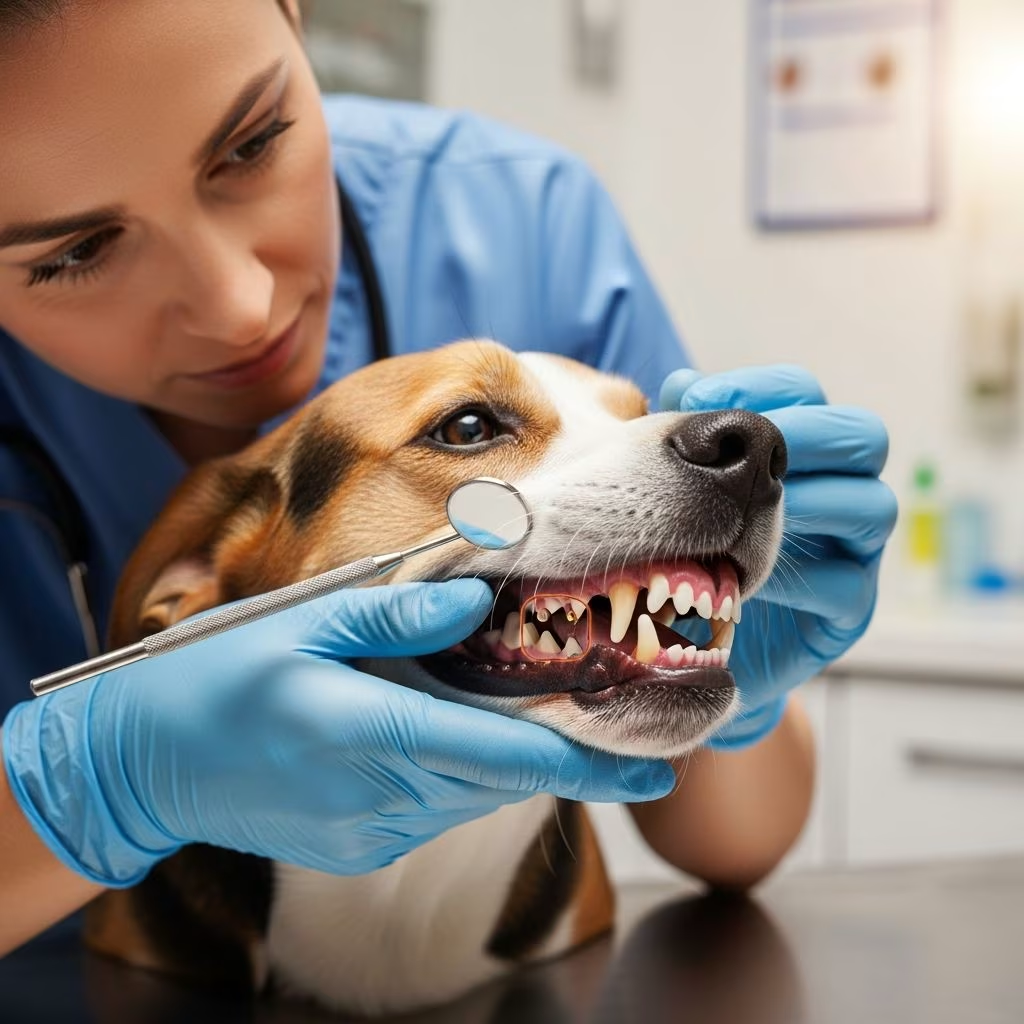
Dental cavities in dogs, though less common than in humans, can lead to significant pain, infection, and costly veterinary interventions if left untreated. Treatment expenses vary based on the cavity’s severity, ranging from simple fillings to complex root canals or extractions, often totaling $600 to $1,200 or more per procedure.
Understanding Cavities in Canine Dentistry
Cavities, or caries, occur when bacteria erode a dog’s tooth enamel, creating holes that expose sensitive inner layers. Unlike humans, dogs have stronger enamel, but factors like diet, breed, and neglect can still cause decay. Small breeds such as Chihuahuas and Dachshunds are particularly prone due to crowded teeth that trap food particles.
The decay process begins with plaque buildup, a sticky bacterial film that hardens into tartar. Acids from bacteria then demineralize enamel, progressing to dentin and potentially the pulp chamber. Early detection through routine exams is crucial, as advanced cavities cause excruciating pain and may lead to abscesses or tooth loss.
Stages of Tooth Decay in Dogs
Veterinarians classify canine cavities into five progressive stages to guide treatment:
- Stage 1: Limited to enamel damage; superficial and often reversible with early intervention.
- Stage 2: Enamel and dentin affected; pain begins as nerves are neared.
- Stage 3: Pulp chamber involvement; high infection risk requiring urgent care.
- Stage 4: Crown structure compromised; restoration challenging.
- Stage 5: Extensive crown loss exposing roots; extraction typically inevitable.
X-rays are essential for staging, revealing hidden pulp exposure or root issues invisible during visual exams.
Diagnostic Process for Canine Cavities
Diagnosis starts with a thorough oral exam under anesthesia, including scaling to remove tartar and full-mouth radiographs. Vets probe teeth for defects and assess gum health. This comprehensive approach, recommended by the American Animal Hospital Association (AAHA), ensures accurate staging and prevents overlooking issues. Costs for diagnostics alone can range from $200 to $500, forming the base of any treatment bill.
| Diagnostic Step | Purpose | Typical Cost Range |
|---|---|---|
| Oral Examination | Visual and probing assessment | $100–$300 |
| Dental X-rays | Detect pulp/root damage | $150–$400 |
| Anesthesia | Safe procedure enablement | $200–$500 |
Treatment Options by Decay Stage
Early Stages (1–2): Fillings and Restoration
For mild cases, vets remove decayed enamel and dentin, then fill the cavity with amalgam or composite materials. This outpatient procedure under anesthesia restores tooth integrity and prevents progression. Recovery is swift, with soft food recommended for 1–2 weeks.
Moderate Decay (Stage 3): Root Canal Therapy
Exposed pulp demands root canal: vets disinfect the canal, remove infected tissue, fill it, and cap the crown. Performed by specialists, this saves the tooth but extends procedure time to 1–2 hours. Success rates are high if caught early.
Advanced Stages (4–5): Extraction and Supportive Care
Irreparable teeth require extraction to halt infection spread. Post-extraction, sealants protect adjacent teeth. Dogs adapt well to missing teeth, maintaining chewing function.
Financial Breakdown of Dog Cavity Treatments
Treatment costs hinge on location, clinic, cavity complexity, and add-ons like pain meds or antibiotics. National averages provide a benchmark:
| Treatment Type | Average Cost | Factors Influencing Price |
|---|---|---|
| Filling (Stages 1–2) | $600–$1,000 | Single vs. multiple teeth, material used |
| Root Canal (Stage 3) | $1,000–$2,000 | Tooth size, specialist involvement |
| Extraction (Stages 4–5) | $300–$800 per tooth | Surgical vs. simple, complications |
| Full Cleaning + Diagnostics | $400–$800 | Inclusive of anesthesia/X-rays |
Multiple cavities inflate bills; a dog with three Stage 2 cavities might face $2,000+. Pet insurance covering 70–90% or wellness plans can offset expenses. Rural areas charge less than urban centers.
Factors Driving Up Treatment Expenses
- Anesthesia and Monitoring: General anesthesia, vital for safety, adds $200–$600.
- Specialist Fees: Board-certified dentists charge 20–50% more for root canals.
- Pre-Existing Conditions: Periodontal disease or fractures complicate cases.
- Geographic Variation: Costs 30–50% higher in high-cost-of-living regions.
- Post-Op Care: Meds and follow-ups add $100–$300.
Inflation and supply chain issues have raised prices 10–15% since 2023.
Preventing Cavities: Proactive Strategies for Savings
Prevention trumps treatment; routine care avoids 80% of severe dental issues per AAHA guidelines.
Daily Oral Hygiene Routines
Brush teeth 3–7 times weekly using enzymatic dog toothpaste and finger brushes. Start slow to acclimate your pet. Avoid human products toxic to dogs.
Diet and Chew Recommendations
- Kibble over wet food reduces plaque.
- VOHC-approved dental chews scrape tartar mechanically.
- Water additives with enzymes control bacteria.
Professional Interventions
Annual cleanings under anesthesia remove subgingival tartar. Early fluoride treatments halt Stage 1 decay. Schedule puppy dental checks too.
FAQs on Dog Cavity Care
Can I treat my dog’s cavity at home?
No, home remedies risk worsening damage. Professional veterinary care is mandatory.
How do I know if my dog has a cavity?
Signs include bad breath, drooling, pawing at mouth, or appetite loss. Vets confirm via exam.
Is dental insurance worth it for cavities?
Yes, reimbursing 80%+ of costs after deductibles, especially for prone breeds.
Do all dogs need anesthesia for dental work?
Yes, for thorough treatment; awake cleanings are superficial.
How long is recovery after cavity treatment?
1–3 days for fillings/extractions; soft diet for a week.
Choosing the Right Veterinary Dental Provider
Seek AAHA-accredited clinics with digital X-rays and experienced staff. Inquire about payment plans or multi-procedure discounts. Online reviews and consultations help compare quotes.
Board-certified veterinary dentists handle complex cases, improving outcomes for vital teeth like canines.
Long-Term Oral Health for Your Dog
Integrate dental care into wellness routines from puppyhood. Monitor for changes and act swiftly. Healthy teeth support nutrition, heart health, and longevity—investing now prevents crises later.
References
- Cavities In Dogs: Causes, Symptoms And Treatment — Wellesley Natick Veterinary Hospital. 2023-11-15. https://www.wellesleynatickveterinaryhospital.com/site/blog/2023/11/15/cavities-dogs-causes-symptoms-treatment
- Cavities in Dogs: Causes, Symptoms & Treatment — Rivergate Veterinary Clinic. 2022-02-28. https://www.rivergateveterinaryclinic.com/site/blog/2022/02/28/dog-cavity
- Cavity in Dogs: Causes, Symptoms & Treatment — MTYO Naha Animal Hospital. 2023-03-15. https://www.mtyonahanimalhospital.com/site/blog/2023/03/15/cavity-in-dogs-causes-symptoms-treatment
- Cavity in Dogs — Whitehouse Veterinary Clinic. 2022-11-30. https://www.whitehousevet.com/site/blog/2022/11/30/cavity-in-dogs
- Cavities in Dogs — PetMD. Recent (post-2023). https://www.petmd.com/dog/conditions/mouth/cavities-dogs
- Dental Disease in Dogs — VCA Animal Hospitals. Ongoing. https://vcahospitals.com/know-your-pet/dental-disease-in-dogs
- 2019 AAHA Dental Care Guidelines for Dogs and Cats — American Animal Hospital Association. 2019. http://www.aaha.org/wp-content/uploads/globalassets/02-guidelines/dental/aaha_dental_guidelines.pdf



