

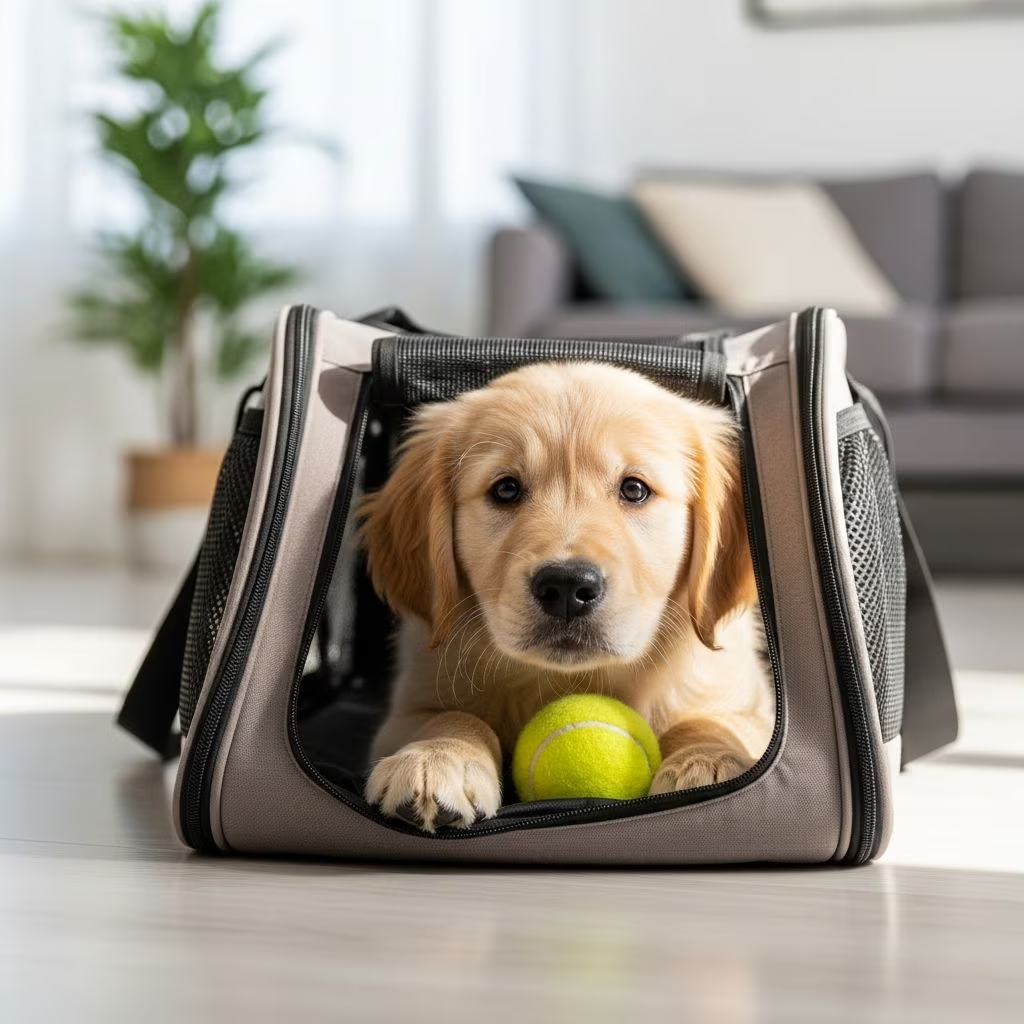
Dog Carrier Training Tips: A Complete Guide to Success
Introducing your dog to a carrier doesn’t have to be stressful. Whether you’re preparing for air travel, a trip to the veterinarian, or simply want your pet to have a safe space at home, carrier training is an essential skill that benefits both you and your furry companion. With patience, consistency, and the right approach, you can transform the carrier from a source of anxiety into a comfortable haven your dog actually enjoys spending time in.
The key to successful carrier training lies in understanding that this is not a process to rush. Dogs naturally seek out enclosed spaces as dens—places where they feel protected and secure. By gradually introducing your dog to the carrier and creating positive associations, you’re tapping into their instinctive need for a safe space. This comprehensive guide will walk you through everything you need to know about carrier training your dog.
Why Carrier Training Matters for Your Dog
Carrier training serves multiple important purposes in your dog’s life. Beyond making travel easier, a well-trained dog in a carrier experiences less stress during veterinary visits, which are already anxiety-inducing for many pets. Additionally, a carrier provides a secure recovery space if your dog ever needs restricted movement due to injury or surgery.
When your dog is comfortable in their carrier, you gain peace of mind knowing they’re safe during car rides, flights, and emergency situations. This training also helps prevent destructive behavior at home, as a carrier can serve as a safe containment area when you cannot supervise your pet. Perhaps most importantly, a dog that views their carrier positively will have significantly reduced stress levels during travel, leading to better overall health and behavior.
Understanding Your Dog’s Natural Instincts
Dogs are denning animals by nature. In the wild, canines seek out enclosed spaces where they can rest, feel protected, and escape from perceived threats. This natural instinct is why many dogs gravitate toward small spaces like under tables or in closets. A carrier, when introduced correctly, simply provides a modern version of this den—a place where your dog can feel safe and secure.
Understanding this innate behavior is crucial to successful carrier training. Rather than forcing your dog into an unwanted space, you’re inviting them to embrace a space that aligns with their natural preferences. This psychological foundation makes the entire training process more effective and humane.
Preparation: Choosing the Right Carrier
Before beginning training, selecting an appropriately sized carrier is essential. The carrier should be large enough for your dog to stand, turn around, and lie down comfortably, but not so large that they can soil one end and sleep at the other. An oversized carrier can actually make potty training more difficult since dogs naturally avoid soiling their sleeping areas.
Consider your dog’s size, age, and specific needs when selecting a carrier. For air travel, ensure it meets airline specifications. For home use, various styles work—plastic airline crates, wire crates, soft-sided carriers, and fabric carriers all have advantages depending on your situation. Once you’ve selected your carrier, set it up in a positive, frequented area of your home where your dog can become familiar with it during normal daily activities.
Step-by-Step Carrier Training Process
Step 1: Introduce the Carrier with the Door Open
Begin by keeping the carrier door completely open and allowing your dog to explore it at their own pace. This is not the time to encourage or force interaction—simply make the carrier available and let curiosity guide your dog. Place treats inside and praise your dog when they venture in to investigate or eat the treats. If your dog is hesitant, toss treats progressively closer to the carrier, then just inside the entrance, rewarding any small steps forward like looking at it or walking toward it.
This initial phase may take several days or even weeks, and that’s perfectly normal. The goal is to build positive associations without any pressure. Some dogs will immediately walk in; others need more time. Patience during this stage pays dividends later in the training process.
Step 2: Create Positive Associations with Treats and Toys
Make the carrier irresistibly appealing by incorporating your dog’s favorite items. Place treat-stuffable toys like KONGs or puzzle toys inside the carrier. These busy toys serve dual purposes: they keep your dog occupied and mentally stimulated while building positive associations with the space. Puzzle toys are particularly effective for high-energy dogs and puppies who benefit from mental enrichment.
You can also feed your dog meals inside the carrier with the door open. This non-threatening introduction helps your dog view the carrier as a place good things happen. If your dog is reluctant to eat inside, start by placing the food bowl just outside the carrier, then gradually move it closer over successive meals until it’s completely inside.
Step 3: Practice Closing the Door While Present
Once your dog readily enters the carrier and associates it with positive experiences, you can begin closing the door for short periods while you remain nearby. Prepare your dog by giving them a play session and a potty break first—a tired, empty bladder dog will settle more easily. Place a stuffed toy or treat inside, and while your dog enjoys their reward, gently close the door.
Stay in the room and remain calm. If your dog whines briefly, this is likely just them settling in rather than a sign of distress. Wait for a moment of quiet before opening the door and praising your dog. Gradually increase the duration the door stays closed—start with just a few seconds, then work up to minutes over multiple training sessions.
Step 4: Leave Your Dog Alone for Brief Periods
The next progression is stepping away from the carrier while your dog is inside. Begin by leaving for just one minute, returning before your dog becomes anxious. Gradually increase these intervals: one minute, then five minutes, then ten minutes. Pet cameras are excellent tools for monitoring your dog during these practice sessions, allowing you to check on them without the emotional impact of appearing and disappearing.
It’s crucial to return during calm moments, not when your dog is whining or showing signs of distress. This reinforces that calmness results in your return, not demanding behavior. If your dog seems distressed, you may be progressing too quickly—scale back to shorter durations.
Step 5: Extend Duration and Add Real-World Scenarios
As your dog becomes comfortable with being crated for extended periods, gradually increase the time. For adult dogs, four hours is typically the maximum crating time for safety and comfort. For puppies, the general guideline is roughly one hour per month of age—a four-month-old puppy can hold it for approximately four hours.
Once your dog is comfortable with extended stays, introduce scenarios that mimic real-life situations. Practice crating your dog during regular daily activities, during times when you’re getting ready to leave, and during transitions between activities. This helps your dog understand that crate time can happen anytime, not just when travel is imminent.
Making the Carrier a Safe Haven
Never Use the Carrier as Punishment
One of the most critical rules in carrier training is never using the carrier as a punishment. If you send your dog to their carrier when they’re in trouble, you create a negative association that undoes all your training work. The carrier should always be a positive space, never a consequence for misbehavior.
Establish a Comfortable Environment
Line your carrier with comfortable bedding that’s appropriate for the situation. For home use, soft blankets work well. For travel, especially air travel, line the carrier with puppy potty training pads as a precaution against accidents. Choose absorbent pads that can contain moisture and odor, providing your dog with a clean, dry space even if an accident occurs.
Include items that comfort your dog, such as a favorite blanket, a worn item of your clothing that smells like you, or a cherished toy. These comfort items help reduce anxiety and create a sense of security within the carrier.
Manage Potty Time Responsibly
Always give your dog a potty break immediately before crating and take them outside right after they exit the carrier. This establishes a routine and prevents accidents born of necessity rather than poor training. For puppies especially, this is critical since their bladder control is still developing.
Watch for differences in your dog’s vocalizations—there’s a significant difference between the whining of a dog settling in after a recent potty break and the urgent cries of a dog who genuinely needs to go out. Learning to distinguish between these will help you respond appropriately without reinforcing demanding behavior.
Addressing Common Carrier Training Challenges
Dog Refuses to Enter the Carrier
If your dog shows reluctance to enter the carrier, take a step back in your training progression. Don’t force entry. Instead, make the carrier more appealing by placing higher-value treats inside, using a favorite toy, or even feeding all meals inside with the door open. Some dogs need weeks at this stage, and that’s perfectly acceptable.
Dog Shows Signs of Anxiety
Anxiety symptoms may include excessive panting, drooling, pacing, or destructive behavior directed at the carrier itself. If your dog exhibits these signs, you’re likely progressing too quickly. Return to previous steps where your dog felt comfortable and move forward more gradually. Consider consulting with a professional dog trainer or veterinarian about anxiety-reduction techniques, which might include calming supplements or medications recommended by your vet.
Excessive Chewing and Destructive Behavior
Some dogs, particularly puppies and high-energy breeds, may attempt to chew the carrier or items inside it. Never place anything in the carrier that your dog could ingest and cause harm. Avoid toys with small parts that could become choking hazards. Test any toys in advance to ensure they’re appropriate for your dog’s size and chewing ability. Stick with tough, durable toys specifically designed for strong chewers.
Carrier Training for Travel Scenarios
Acclimating to Car Travel
Before embarking on long car trips, take your dog on several short car rides in their carrier to build comfort with this specific scenario. Start with drives around the block, gradually increasing duration. This helps your dog understand that car rides in the carrier are safe and normal.
Preparing for Air Travel
Air travel presents unique challenges. Your dog will be in their carrier for extended periods, so carrier training is non-negotiable for flying. Beyond basic training, practice with your dog in their carrier during times that simulate the experience—quiet periods with minimal interaction, just as they’d experience in the cargo hold or cabin of a plane. Never check your dog in cargo; keeping your dog in-cabin ensures they remain under your care and supervision during the flight.
Veterinary Visit Preparation
Practice calm entries and exits from the carrier to prepare your dog for veterinary visits. Have your dog enter the carrier on cue, remain calm inside for varying durations, and exit calmly when directed. This preparation reduces stress for both your dog and your veterinarian during necessary examinations and procedures.
Timeline Expectations and Patience
Carrier training is not a quick fix—it’s a process that unfolds over weeks or even months depending on your dog’s age, temperament, and prior experiences. A puppy may progress through all training steps in two to three months, while an adult dog with negative carrier associations might need six months or longer. Avoid the temptation to rush the process by crating your dog for extended periods before they’re ready. This typically backfires, creating or reinforcing anxiety.
Consistency is more important than speed. Daily short training sessions accomplish more than occasional extended efforts. Celebrate small victories—the first time your dog enters without encouragement, the first time they remain calm with the door closed, the first successful solo crating period. These milestones indicate progress even if you’re not yet at your ultimate training goal.
Essential Supplies for Successful Carrier Training
Having the right supplies makes carrier training more effective and enjoyable for your dog. Stock these items:
- High-value treats your dog rarely gets otherwise
- Durable, treat-stuffable toys appropriate for your dog’s size and chewing strength
- Soft, washable bedding for comfort
- Absorbent puppy pads for accident prevention during travel
- A favorite blanket or toy that smells like home
- A pet camera for monitoring during brief solo crating periods
- Enzymatic cleaner for any accidents during training
When to Seek Professional Help
If your dog shows severe anxiety symptoms, aggression toward the carrier, or fails to progress after several weeks of consistent training, consulting a professional dog trainer or veterinary behaviorist is appropriate. These professionals can identify underlying anxiety issues, rule out medical causes, and recommend specialized training techniques or behavioral medications if necessary.
Frequently Asked Questions
Q: How long does dog carrier training typically take?
A: The timeline varies significantly based on your dog’s age, temperament, and prior experiences. Puppies might progress through training in two to three months, while adult dogs or those with negative associations may need six months or longer. Consistency matters more than speed.
Q: Can I use the carrier for punishment?
A: No—never use the carrier as punishment. This creates negative associations and undermines all training progress. The carrier should always be a positive space where your dog feels safe and secure.
Q: What’s the maximum amount of time I should crate my dog?
A: For adult dogs, avoid crating for more than four hours. For puppies, the guideline is approximately one hour per month of age. A four-month-old puppy can typically hold it for about four hours.
Q: My dog refuses to enter the carrier. What should I do?
A: Take a step backward in training. Don’t force entry; instead, make the carrier more appealing with higher-value treats, favorite toys, or by feeding meals inside with the door open. Some dogs need weeks at this stage.
Q: Is it safe to leave toys and treats in the carrier during travel?
A: Only leave items that are completely safe for your dog. Avoid toys with small parts that could become choking hazards. Test toys in advance and ensure they’re appropriate for your dog’s size and chewing strength.
Q: Should I feed my dog in the carrier?
A: Yes, feeding meals in the carrier with the door open is an excellent way to build positive associations. Gradually move the food bowl from outside the carrier to inside, helping your dog view the space as a place where good things happen.
Q: What’s the difference between frustration noises and urgent potty signals?
A: If your dog has just had a potty break and whines briefly when first crated, this is likely settling in or frustration at confinement. However, urgent whining accompanied by pacing or other signs of distress indicates your dog needs a potty break immediately.
References
- How to Crate Train a Puppy: A Step-by-Step Guide from an Expert — Chewy Education. 2024. https://www.chewy.com/education/dog/new-dog/how-to-crate-train-a-puppy-a-step-by-step-guide-from-an-expert
- Teach Your Anxious Dog to Be Calm in a Dog Crate — Chewy Education. 2024. https://www.chewy.com/education/dog/training-and-behavior/how-to-teach-your-dog-to-be-calm-in-a-dog-crate
- 9 Secrets for Traveling With a Dog on a Plane — Chewy Education. 2024. https://www.chewy.com/education/dog/general/9-secrets-for-traveling-with-a-dog-on-a-plane
- 11 Tips for Traveling With a Puppy — Chewy Education. 2024. https://www.chewy.com/education/dog/new-dog/7-tips-for-traveling-with-a-puppy



