

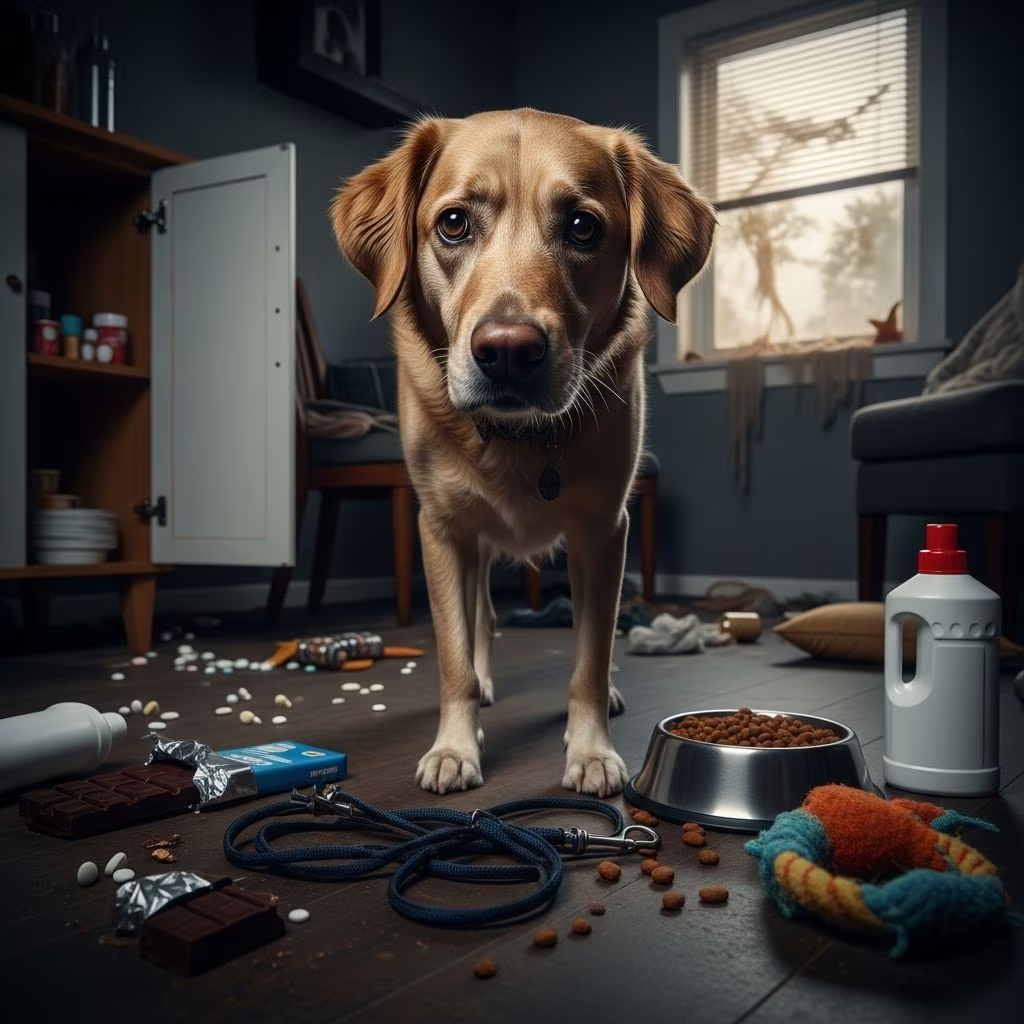
Bringing a dog into your home brings immense joy, but it also comes with responsibilities that many owners overlook. Unintentional mistakes can lead to health issues, behavioral problems, and strained relationships. This guide highlights key errors to avoid, drawing from veterinary insights and training best practices, to help you raise a well-adjusted, healthy pet.
Understanding the Foundations of Responsible Dog Ownership
Dogs are pack animals that thrive on structure, clear communication, and consistent care. Failing to grasp their basic needs often stems from misconceptions about their behavior and instincts. For instance, assuming a dog acts out of spite ignores their reinforcement-based learning, where actions are repeated if they yield rewards.
Establishing a routine from day one sets the tone. This includes scheduled feeding, exercise, and training sessions. Without it, dogs may develop anxiety or destructive tendencies, mistaking freedom for guidance.
Inconsistency: The Silent Saboteur of Training Success
One of the most prevalent errors is inconsistent training approaches within the household. Dogs require uniform commands, boundaries, and rewards to learn effectively. When family members use different cues or allow varying behaviors, confusion arises, leading to unreliable responses.
- Define house rules collaboratively, such as no jumping on guests or begging at meals.
- Use the same verbal cues and hand signals across all interactions.
- Maintain a daily training schedule, even if brief, to reinforce habits.
Positive reinforcement—praising and rewarding desired actions—proves far superior to punishment, which can foster fear or aggression. Studies from animal behavior experts emphasize that consistency paired with rewards builds trust and eager compliance.
Neglecting Exercise and Mental Engagement
Many owners underestimate how much physical and mental activity dogs need. Breeds vary, but all require outlets to burn energy. Insufficient exercise leads to obesity, boredom-induced chewing, or hyperactivity.
| Breed Type | Daily Exercise Minimum | Mental Stimulation Ideas |
|---|---|---|
| High-Energy (e.g., Border Collie) | 60-90 minutes | Puzzle toys, agility drills |
| Medium-Energy (e.g., Labrador) | 45-60 minutes | Obedience games, scent work |
| Low-Energy (e.g., Bulldog) | 30-45 minutes | Interactive feeders, short walks |
Mental stimulation is equally vital. Toys that dispense treats upon solving puzzles or training tricks prevent boredom. Skipping these leads to issues like excessive barking or furniture destruction.
Feeding Faux Pas That Harm Long-Term Health
Overfeeding treats or table scraps disrupts nutritional balance. Treats should comprise no more than 10% of daily calories to avoid weight gain and related conditions like diabetes. Human foods often contain toxic ingredients such as chocolate, grapes, or excessive salt.
- Measure kibble portions based on age, weight, and activity level.
- Opt for vet-recommended, complete diets over generic brands.
- Ignore pleading eyes at the table to prevent begging habits.
Free-feeding, where food is left out, confuses portion control for dogs prone to overeating. Scheduled meals promote better digestion and make it easier to spot appetite changes signaling health issues.
Socialization Shortcomings and Their Lasting Impact
Exposing puppies to diverse stimuli during key developmental windows (3-14 weeks) is crucial. However, unstructured “playdates” with unfamiliar dogs can backfire, teaching poor manners or fear. Proper socialization involves controlled introductions to people, sounds, surfaces, and environments.
Adults benefit too; ongoing positive exposures reduce reactivity. Skipping this risks fearful or aggressive responses later, complicating walks or vet visits.
- Start with calm settings: quiet parks, car rides, household noises.
- Gradually increase complexity, rewarding calm behavior.
- Enroll in puppy classes for supervised interactions.
Leash Manners: Preventing Pulls and mishaps
Letting dogs pull on leashes establishes bad habits and poses injury risks to owners. Proper technique keeps the dog’s head at or behind your leg, using tools like front-clip harnesses for gentle guidance.
Practice loose-leash walking in low-distraction areas, rewarding slack lines. Never allow pulling to reach destinations, as it reinforces the behavior.
Grooming Oversights Leading to Discomfort
Neglecting dental care, nail trims, and coat maintenance invites pain and infections. Brush teeth weekly with dog-safe toothpaste, trim nails monthly, and bathe as breed needs dictate. Early habits make these tolerable; delays cause resistance and health woes.
Environmental Hazards Every Owner Must Dodge
Never leave dogs in hot cars, where temperatures soar rapidly, risking heatstroke. Provide shaded, ventilated spaces during warm weather. Secure yards prevent escapes, and toxic plants like lilies or fertilizers demand removal.
Supervise chew sessions to avoid swallowing dangers, opting for durable, appropriately sized toys.
Addressing Behaviors Early, Not Later
Cute puppy antics like nipping or chasing evolve into serious issues if ignored. Intervene promptly with redirection and training. Expecting maturity to resolve problems allows patterns to solidify, demanding more effort to correct.
Structure calms dogs: crates for rest, predictable routines for security. This prevents anxiety-driven mischief.
Building a Lasting Bond Through Patience
Every dog is unique; tailor care to breed traits, age, and personality. Observe signals—tail wags for joy, tucked tails for stress—and adjust accordingly. Regular vet checkups catch issues early, while quality time strengthens loyalty.
Patience yields results. Celebrate small wins to keep training enjoyable for both.
Frequently Asked Questions
How do I stop my dog from jumping on people?
Turn away, ignore until all paws are on the floor, then reward. Consistency across visitors is key.
What’s the best age to start training?
Immediately upon adoption. Puppies learn fastest, but adults respond well to positive methods too.
My dog pulls on walks—what now?
Use a no-pull harness, stop walking when tension occurs, and resume on slack. Practice daily.
Can I feed my dog once a day?
Twice daily suits most, aiding digestion. Consult your vet for personalized advice.
How much exercise is too much?
Watch for fatigue, limping, or reluctance. Hydrate and rest as needed, especially in heat.
References
- Common Mistakes Dog Owners Repeatedly Make — Johnsons Vet. Accessed 2026. https://johnsons-vet.com/common-mistakes-dog-owners-repeatedly-make/
- Top 10 Dog Training Mistakes Every Owner Should Avoid — The Regal Beagle. Accessed 2026. https://www.theregalbeagle.net/post/top-10-dog-training-mistakes-every-owner-should-avoid-for-unleashing-success
- Five Rookie Mistakes First-Time Dog Owners Make — USA Dog Behavior. 2025-11-15. https://www.usadogbehavior.com/blog/2025-11-15-five-rookie-mistakes-first-time-dog-owners-make-and-how-to-avoid-them
- 10 Common Pet Care Mistakes to Avoid at All Costs — Slaton Vet. Accessed 2026. https://www.slatonvet.com/10-common-pet-care-mistakes-to-avoid-at-all-costs/
- 14 Common Dog Parenting Mistakes and How to Avoid Them — Richell USA. Accessed 2026. https://www.richellusa.com/14-common-dog-parenting-mistakes-and-how-to-avoid-them/



