Building Your Dog’s Complete Care Kit
Master guide to selecting and organizing supplies for happy, healthy canine companions
Building Your Dog’s Complete Care Kit: A Comprehensive Guide to Canine Essentials
Bringing a dog into your home represents a significant commitment that extends far beyond companionship and love. Successful dog ownership requires thoughtful preparation and investment in the right equipment and supplies that support your pet’s physical well-being, safety, and happiness. Whether you’re a first-time dog owner or adding another furry family member to your household, understanding which items truly matter can streamline your shopping process and ensure you’re not overwhelmed by unnecessary products.
The foundation of responsible dog ownership rests on having the appropriate gear to manage feeding, containment, identification, and health maintenance. This guide explores the core categories of supplies that every dog owner should maintain, along with specialized items that enhance quality of life based on individual circumstances.
Understanding Core Supply Categories
Rather than approaching dog supplies haphazardly, it helps to organize them into logical categories that address different aspects of your dog’s needs. This systematic approach ensures nothing falls through the cracks while preventing unnecessary purchases of duplicate or redundant items.
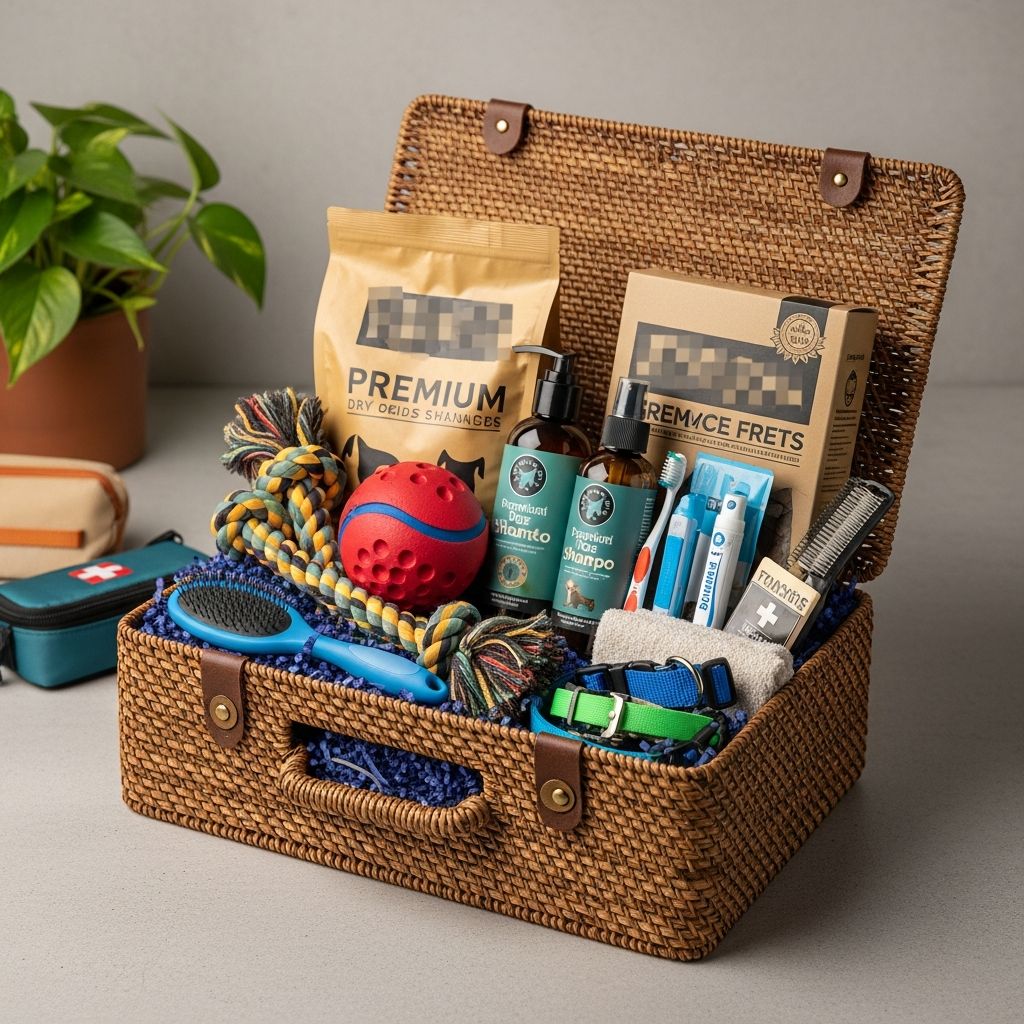
The seven fundamental categories include containment solutions for safe spaces, feeding apparatus for nutrition delivery, identification systems for safety, walking gear for outings, grooming tools for hygiene, comfort items for relaxation, and health supplies for emergency situations. Each category serves distinct purposes in your dog’s daily life and long-term well-being.
Containment and Safe Spaces
Dogs thrive when they have designated spaces where they feel secure and protected. Containment solutions provide structure while giving your dog a sense of territory and refuge.
A quality crate serves multiple purposes beyond simple containment. When properly introduced and associated with positive experiences, crates become safe havens where dogs can retreat when anxious or tired. They also facilitate house training by leveraging dogs’ natural instinct not to soil their sleeping areas. Choose a crate sized appropriately for your dog—large enough for them to stand, turn around, and lie down comfortably, but not so spacious that they can eliminate in one corner and sleep in another.
Exercise pens offer a flexible alternative or complement to crates, particularly useful for puppies or dogs requiring longer periods of containment while you’re managing household activities. These portable barriers create defined boundaries within your home or yard, allowing your dog controlled freedom while protecting furniture, plants, and other household items from damage.
For dogs who spend time outdoors, secure fencing or designated play areas prevent wandering and protect against traffic hazards or encounters with unfamiliar animals.
Feeding Essentials and Nutrition Delivery
Proper nutrition delivery involves more than simply choosing quality food. The equipment you use to serve meals affects both practical functionality and your dog’s eating experience.
Invest in durable, non-toxic food and water bowls appropriate for your dog’s size. Stainless steel and ceramic options withstand daily use better than plastic, resist bacterial colonization, and prove easier to sanitize. Elevated feeders reduce strain on dogs’ necks and can aid digestion, making them particularly valuable for larger breeds or senior dogs with joint concerns.
Beyond stationary home bowls, portable feeding solutions expand your dog’s access to nutrition during travel and outdoor activities. Collapsible water bowls and portable food containers ensure your dog stays hydrated and properly fueled during hiking, camping, or extended outings away from home.
High-quality dog food forms the cornerstone of nutrition management. Rather than focusing on specific brands, prioritize foods that align with your veterinarian’s recommendations and your dog’s individual health needs, age, and activity level. Treats used for training or enrichment should comprise no more than ten percent of daily caloric intake to prevent nutritional imbalances and obesity.
Identification and Safety Systems
Even the most careful dog owner faces situations where their pet escapes. Proper identification dramatically increases the likelihood of recovery if your dog goes missing.
A well-fitting collar with attached ID tags serves as the primary identification method. Tags should display your dog’s name, your phone number, and potentially your address. Professional dog trainers recommend flat collars with appropriate width for your dog’s neck size—smaller dogs may need half-inch widths while larger breeds require one and one-half to two inches to prevent discomfort and distribute pressure evenly.
Quick-release buckles facilitate easy removal during grooming, bathing, or other care activities while remaining secure during walks and outdoor activities. For dogs prone to escaping, martingale-style collars provide additional security by tightening slightly when dogs pull, preventing them from backing out of their collar without choking or causing discomfort.
Microchipping provides permanent identification that cannot be lost like tags or removed like collars. A veterinarian implants a microchip about the size of a grain of rice beneath your dog’s skin, typically between the shoulder blades. This chip contains a unique identification number linked to your contact information in a national database. Should your dog be found, animal shelters and veterinary clinics can scan for microchips during intake procedures.
Walking Gear and Leash Equipment
Safe walking begins with appropriate leash and harness equipment that provides control while promoting positive behavior and physical comfort.
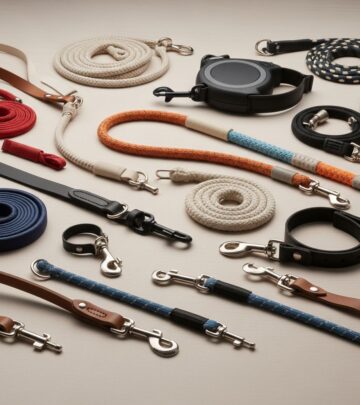
A standard flat collar with a quick-release buckle suits most dogs and training scenarios. Quality materials like nylon or leather withstand daily wear better than plastic alternatives. For puppies or dogs still learning to walk on loose leash, four to six-foot leashes offer optimal control and reinforcement opportunities without excessive length that encourages pulling or tangling.
Leash material deserves consideration based on climate and your dog’s characteristics. Nylon and leather prove durable for most situations, while biothane and waterproof options dry quickly and resist mold growth in rainy climates. Dogs prone to chewing require even more durable options that resist damage from determined teeth.
Harnesses distribute pressure across your dog’s chest and back rather than concentrating force on the neck, reducing injury risk and providing ergonomic advantages for dogs who pull. No-pull front-clip harnesses gently redirect attention when dogs lunge, while back-clip designs suit well-mannered walkers. Y or H-shaped harness designs allow free shoulder and elbow movement, supporting natural gait and preventing strain injuries.
For specialized activities, hands-free leash systems designed for trail use allow runners and hikers to maintain control while using both hands for balance on difficult terrain.
Grooming and Hygiene Maintenance
Regular grooming maintains your dog’s coat health, prevents matting and skin problems, and strengthens the human-animal bond. Grooming tools should match your dog’s coat type and grooming needs.
Essential grooming supplies include brushes appropriate for your dog’s coat texture, nail care tools, and dental hygiene items. Slicker brushes work well for long-coated dogs prone to matting, while rubber curry brushes effectively remove loose undercoat from double-coated breeds like Labrador Retrievers. Regular brushing reduces shedding, prevents mat formation, and allows you to identify skin problems early.
Nail care prevents overgrowth that causes discomfort, alters gait, and increases injury risk. Nail clippers or grinders keep nails at appropriate lengths. Many dog owners prefer professional grooming for nail care initially to learn proper technique and avoid quick injury.
Dental health significantly impacts overall wellness. A toothbrush and enzymatic dog toothpaste allow regular home dental care that reduces plaque buildup and prevents periodontal disease. Cotton balls and pads support cleaning around eyes and ears where debris naturally accumulates.
Comfort and Enrichment Items
Beyond basic survival needs, providing comfort items enhances your dog’s quality of life and supports emotional well-being. A properly chosen bed offers insulation from cold floors, joint support, and a secure resting place that your dog can claim as their own.
Orthopedic beds prove particularly valuable for senior dogs, puppies experiencing growth pains, or breeds predisposed to joint problems. Memory foam and gel-infused beds provide superior support compared to basic cushions.
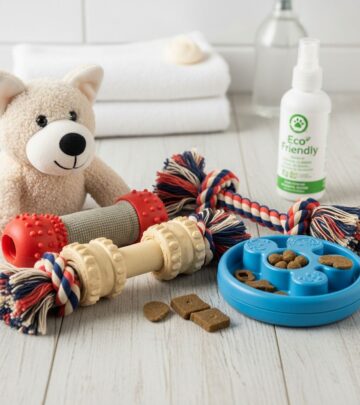
Toys serve multiple purposes including mental stimulation, physical exercise, and tension relief. Different toy types address different needs: fetch toys encourage running and retrieval behavior, puzzle toys engage problem-solving abilities, and chew toys satisfy natural urges while promoting dental health. Rotating toys maintains novelty and engagement.
For dogs enjoying water activities, canine life jackets provide buoyancy and safety during swimming or boating. High-visibility jackets include convenient handles for assisting dogs in and out of water.
Health Management and Emergency Preparedness
Every dog owner should maintain a well-stocked first aid kit addressing common injuries and health issues that may arise between veterinary appointments.
Essential first aid components include gauze pads and wrap for wound coverage, antiseptic wipes for cleaning cuts and abrasions, tweezers for removing splinters or debris, and a digital thermometer to monitor fever (normal dog temperature ranges from 101 to 102.5 degrees Fahrenheit).
Instant cold packs reduce swelling from minor injuries, while styptic powder controls minor bleeding from nail trims. Include emergency contact information including your veterinarian’s number, the nearest emergency animal clinic, and the ASPCA Animal Poison Control Center hotline.
Beyond emergency supplies, regular veterinary care prevents many health problems. Maintain records of vaccinations, preventive medications for parasites, and any chronic health conditions requiring management.
Training-Specific Supplies
Dogs benefit tremendously from training and behavioral guidance. Specialized training supplies enhance the effectiveness of teaching sessions.
High-value treats reserved exclusively for training sessions provide powerful motivation. Using rewards your dog finds particularly desirable during training amplifies learning and engagement. Small, soft training treats work better than large biscuits that require extended chewing.
A clicker—a small mechanical device that makes a distinctive clicking sound—marks desired behaviors at the exact moment they occur, bridging the gap between behavior and reward. Clickers prove invaluable for teaching complex behaviors and precise timing. Wrist straps and finger bands make clickers easier to carry during training sessions.
Training mats or designated “place” surfaces help teach relaxation skills and provide designated resting spots. While specialty training mats exist, ordinary bath mats, towels, or yoga mats function equally well.
Breed and Age-Specific Considerations
Generic supply lists provide foundational guidance, but individual dogs have unique needs based on breed characteristics, size, age, and lifestyle. Puppies require different supplies than senior dogs, and working breeds need different gear than lap dogs.
Large breed puppies benefit from orthopedic bedding during rapid growth phases to prevent joint stress. Puppies require more frequent potty breaks and may need training pads during the house-training process. Senior dogs often need non-slip flooring, elevated feeders, and orthopedic support.
Active, athletic dogs require more durable toys, hydration solutions, and protective gear like life jackets or booties. Dogs with health conditions may need special food, medications, and monitoring equipment specific to their conditions.
Seasonal and Weather-Related Gear
Climate and seasonal changes create additional supply needs. In cold climates, some dogs benefit from dog coats or sweaters, particularly small, short-coated, or senior dogs with limited cold tolerance. Protective booties prevent ice buildup between paw pads and provide traction on slippery surfaces.
In warm climates, sunscreen protects dogs with light-colored noses from sunburn, while cooling mats help dogs regulate body temperature during heat waves. Portable water bowls become essential during summer activities to maintain hydration.
FAQ Section
Frequently Asked Questions About Dog Supplies
What’s the most important dog supply to purchase first?
A quality collar with ID tags and a secure leash should be your first purchases, as these items enable safe control during initial outings and provide identification if your dog escapes. A crate, bed, and food/water bowls should follow closely.
How often should I replace dog supplies like bowls and bedding?
Replace bowls and bedding when they show signs of wear, damage, or harbor bacteria that cleaning cannot remove. Typically this occurs every 1-3 years depending on use intensity. Leashes and collars should be replaced when they show fraying, cracking, or loose hardware that compromises safety.
Are expensive dog supplies always better than budget alternatives?
Higher price doesn’t automatically guarantee superior quality. Focus on durability, safety, and appropriateness for your dog’s specific needs rather than brand reputation alone. Sometimes mid-priced options from reputable manufacturers offer the best value.
What supplies do I need differently for puppies versus adult dogs?
Puppies require training pads, appropriately-sized collars that can be adjusted as they grow, puppy-formulated food, and more durable toys to withstand teething. Adult dogs may need fewer consumable supplies like pads but benefit from enrichment and exercise equipment. Senior dogs often need orthopedic support and non-slip flooring.
Can I use human products for my dog?
Avoid using human shampoos, toothpaste, or medications on dogs unless specifically directed by your veterinarian, as formulations differ significantly and may cause irritation or toxicity. However, items like towels, bath mats, or blankets can safely serve dual purposes.
Creating Your Supply Timeline
Rather than purchasing everything immediately, consider a phased approach to acquiring supplies. Essential items—collar, leash, bowls, bed, crate, and food—should be ready before bringing your dog home. First aid supplies, grooming tools, and training equipment can be acquired within the first month as you settle into routines. Specialized or breed-specific gear can be added as you understand your individual dog’s preferences and needs.
This approach prevents waste from purchasing items your dog doesn’t prefer and allows your budget to accommodate quality over quantity. It also gives you time to evaluate your living situation and identify actual needs versus marketing-driven desires.
Conclusion: Building a Complete Support System
Successful dog ownership depends on having appropriate supplies that support your dog’s physical comfort, safety, and emotional well-being. Rather than following generic lists blindly, evaluate your specific circumstances including your dog’s size, age, breed, health status, climate, and lifestyle. Prioritize quality, durability, and appropriateness over brand recognition or appearance.
The supplies you invest in today directly influence your dog’s health, happiness, and your ability to provide excellent long-term care. By thoughtfully selecting essential gear while remaining flexible about individual preferences, you create the foundation for a rewarding companionship that enriches both your life and your dog’s.
References
- Dogs Must Haves: The Ultimate Checklist for 2026 — Rubyloo. 2026. https://rubyloo.co/blogs/news/dogs-must-haves
- Dog Training Supplies: Basic Obedience to Advanced Equipment — Rover. https://www.rover.com/blog/basic-must-have-items-dog-training-in/
- Equipment and Supplies — Guide Dogs for the Blind. https://www.guidedogs.com/puppy-raising-guidebook/puppy-wellbeing-and-health/creating-a-safe-and-nurturing-home-environment/equipment-and-supplies
Similar Articles






Read full bio of Sneha Tete