

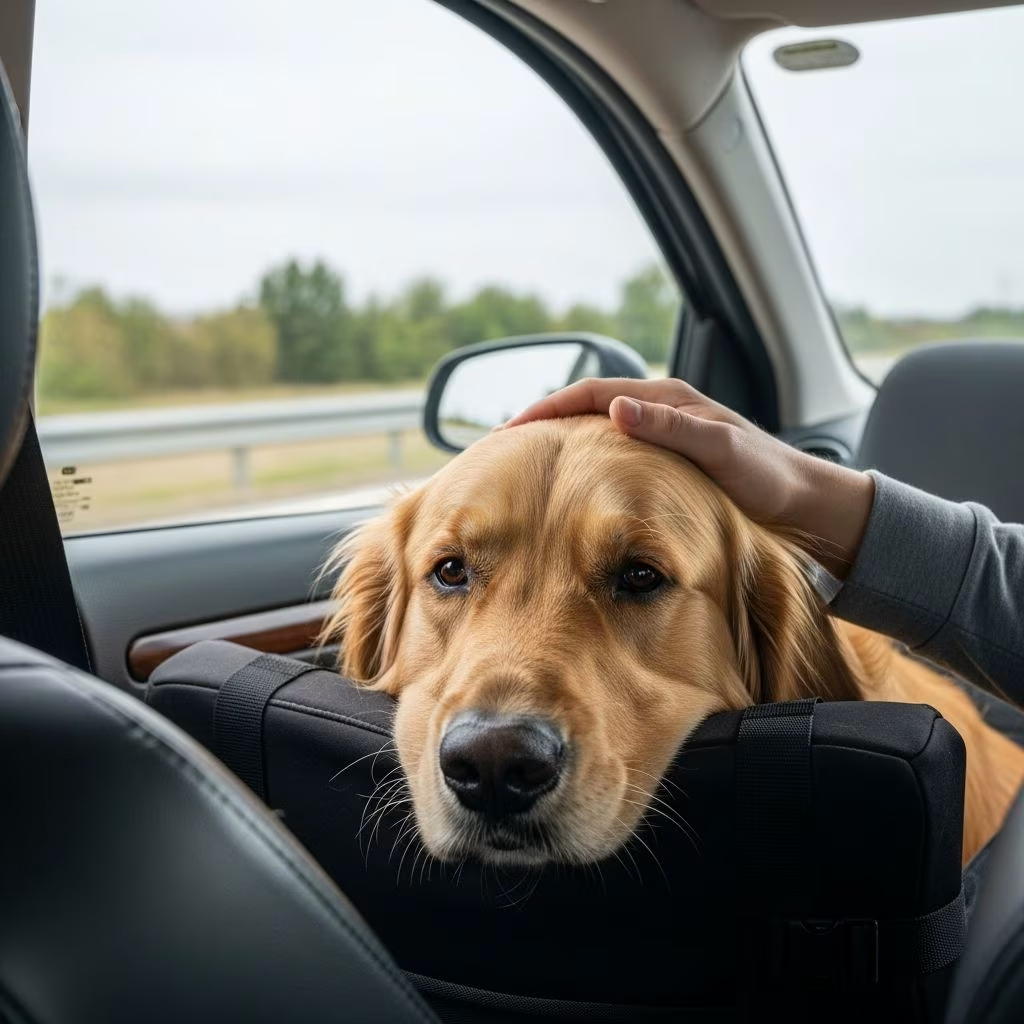
Many dogs experience discomfort during car rides due to motion sickness, which disrupts their balance and leads to nausea. This common issue affects dogs of all ages but often improves with targeted interventions like gradual acclimation and environmental tweaks.
Understanding Motion Sickness in Canines
Motion sickness in dogs arises from a mismatch between what their eyes see and what their inner ear senses about movement. The vestibular system in the inner ear detects motion, while visual cues from side windows can confuse it, triggering nausea signals to the brain. Puppies are particularly susceptible because their ear canals are still developing, typically maturing around 12 months. Adult dogs may develop it from negative past experiences or anxiety.
Unlike humans who might outgrow it quickly, dogs can retain conditioned responses, associating cars with vomiting. Factors like heat, stuffy air, or full stomachs exacerbate symptoms. Recognizing this helps owners implement prevention early.
Spotting the Signs of Car-Related Nausea
Early detection allows quick action. Common indicators include:
- Excessive drooling or lip licking
- Lethargy or whining
- Pacing, yawning, or panting heavily
- Vomiting or retching
- Inappetence before or during rides
These symptoms often appear within minutes of starting a trip. Severe cases might involve diarrhea upon stopping. Monitor your dog closely on short drives to identify patterns.
Environmental Adjustments for Comfortable Rides
Simple changes to the car’s interior can significantly reduce nausea triggers.
| Adjustment | Benefit | Tips |
|---|---|---|
| Secure restraint | Minimizes movement | Use harness-tethered seatbelts or booster seats for small breeds; place crates on rear floor. |
| Fresh air flow | Balances pressure | Crack windows 2-4 inches; use AC on cool setting. |
| Crate positioning | Reduces visual confusion | Middle rear seat floor; solid-sided crates block side views. |
| Calm atmosphere | Lowers anxiety | Soft classical music; pheromone sprays 20 minutes prior. |
Positioning your dog to face forward aligns visual and balance senses better than side-gazing. Avoid front seats due to airbag risks.
Nutrition and Hydration Strategies
Feeding timing is crucial. Withhold food 8-12 hours before long trips to empty the stomach, reducing vomit risk, but provide water access via spill-proof bowls. For shorter drives, opt for light meals 2-4 hours prior. Ginger snaps or small, bland snacks like boiled rice can settle stomachs naturally during travel.
Overfeeding treats during training can backfire, so balance rewards with hydration breaks every 20-30 minutes.
Desensitization and Training Protocols
Gradual exposure rebuilds positive associations. Follow this step-by-step plan:
- Parked car sessions: Sit with engine off, offering high-value treats or play.
- Engine idle: Run motor for 1-2 minutes, rewarding calm behavior.
- Short loops: Drive around the block, praising heavily; end at fun spots like parks.
- Extend duration: Build to 10-15 minutes over weeks, incorporating distractions like toys.
Counter-conditioning pairs car time with meals or favorite activities. Consistency over 2-4 weeks yields results; enlist a trainer for anxious cases.
Natural Remedies and Supplements
Non-drug options provide gentle relief:
- Ginger: Anti-nausea properties; use chews or tea-soaked treats.
- Pheromone diffusers: Mimic calming maternal scents; spray crates liberally.
- Herbal aids: Chamomile or valerian for anxiety; vet-approved only.
- Aromatherapy: Lavender diffusers, avoiding direct inhalation.
Combine with training for best outcomes. Test sensitivities first on non-travel days.
Veterinary Interventions for Persistent Cases
If home methods fail, consult a vet. Prescription options include:
- Cerenia (maropitant): Blocks nausea receptors; effective 1-2 hours pre-trip.
- Trazodone: Reduces anxiety-related sickness.
- Dramamine (dimenhydrinate): Over-the-counter antihistamine; dose by weight.
Vets tailor based on health history, avoiding use in puppies under 8 weeks or pregnant dogs. Rule out underlying issues like ear infections first.
Special Considerations for Puppies and Seniors
Puppies under 1 year have immature balance systems, so prioritize short, frequent trips. Seniors may face exacerbated symptoms from arthritis or cognitive decline; padded crates add joint support. Breeds like Bulldogs with short snouts (brachycephalic) need extra ventilation to prevent overheating.
Long-Haul Travel Planning
For extended journeys:
- Schedule overnight stops.
- Pack familiar bedding and toys.
- Maintain routines for potty and feeding.
- Monitor for dehydration signs like dry gums.
Practice full simulations beforehand.
Frequently Asked Questions
Can all dogs outgrow car sickness?
Many do, especially puppies, but adults may need intervention. Gradual training helps 80% of cases.
Is it safe to give human motion sickness meds to dogs?
No; dosages differ. Consult a vet for canine-specific products.
How long does desensitization take?
2-6 weeks with daily short sessions.
What if my dog only gets sick on long trips?
Build tolerance incrementally; meds for interim relief.
Does crate training worsen sickness?
Not if properly sized and placed; it provides security.
References
- Dog Car Sickness and Motion Sickness: How To Help — Chewy. 2023. https://www.chewy.com/education/dog/health-and-wellness/what-to-do-if-your-pup-experiences-dog-car-sickness
- 10 Ways to Prevent Dog Car (Motion) Sickness — GoodRx. 2024-05-15. https://www.goodrx.com/pet-health/dog/dog-car-motion-sickness
- The Car Sick Canine Chronicles: Tips & Tricks — Pure Paws Vet. 2023. https://www.purepawsvet.com/the-car-sick-canine-chronicles-tips-tricks/
- Dog Motion Sickness: What It Is and How To Help Your Dog — PetMD. 2024. https://www.petmd.com/dog/conditions/digestive/dog-motion-sickness-what-it-and-how-help-your-dog
- Dogs and Motion Sickness — WebMD. 2023-08-10. https://www.webmd.com/pets/dogs/dogs-and-motion-sickness
- Carsickness in Dogs: What to Know — American Kennel Club. 2024. http://www.akc.org/expert-advice/health/car-sickness-in-dogs/
- Motion Sickness In Dogs: Signs and How to Help — Wedgewood Pharmacy. 2023-11-20. https://www.wedgewood.com/blog/motion-sickness-in-dogs-signs-and-how-to-help/



