

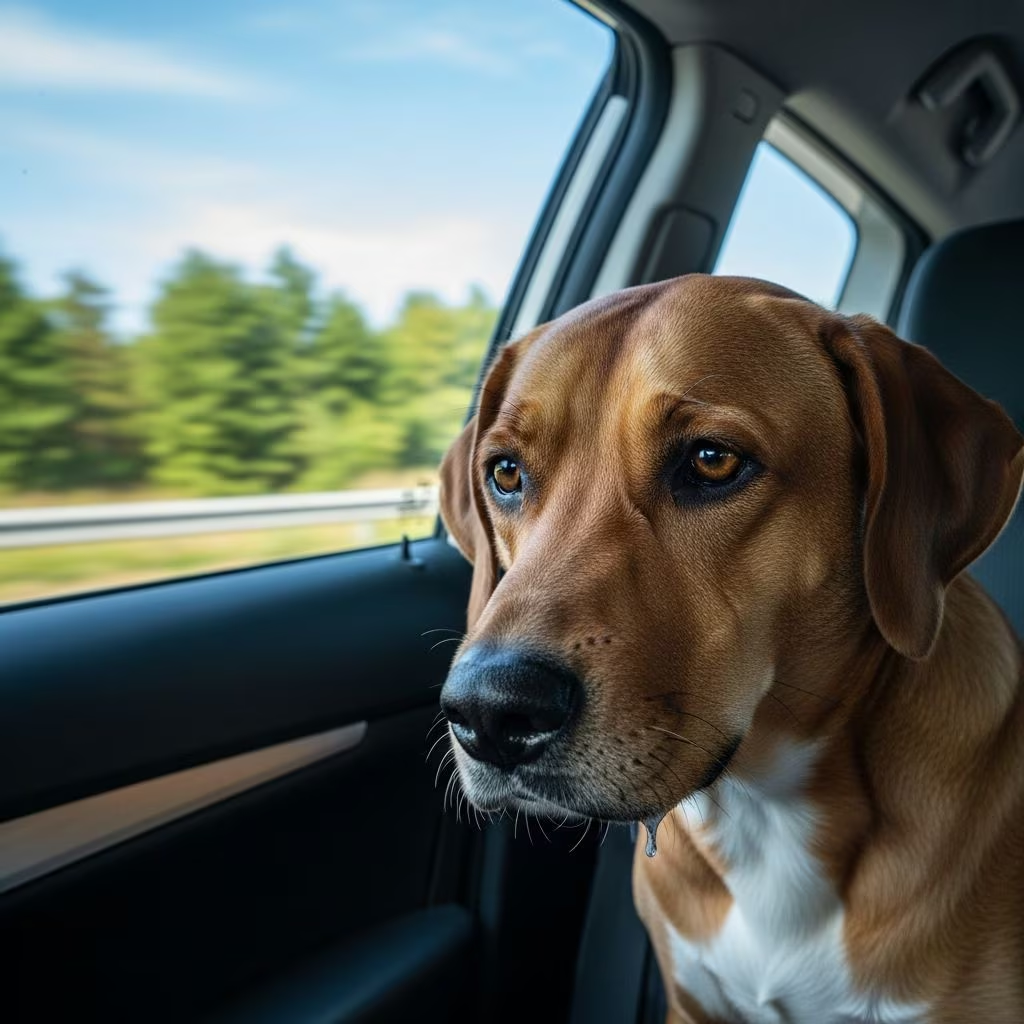
Understanding Dog Car Sickness: A Complete Guide
Just like humans, dogs can experience motion sickness during car rides. Whether you’re planning a trip to the veterinarian, a weekend getaway, or a long-distance drive, car sickness can turn what should be an enjoyable experience into a stressful ordeal for both you and your furry companion. The good news is that there are numerous strategies and remedies available to help your dog overcome or manage car sickness, making travel more comfortable for everyone involved.
What Causes Dog Car Sickness?
Understanding the root cause of your dog’s car sickness is the first step toward finding an effective solution. Car sickness in dogs stems from both physical and psychological factors, and sometimes a combination of both.
Physical Causes
The primary physical cause of car sickness in dogs relates to the inner ear. The sensory organs in the inner ear are responsible for maintaining balance and have direct connections to the vomiting center in the brain stem. When your dog travels in a vehicle, the motion creates conflicting signals to their balance system—they see the scenery moving past the windows while physically remaining stationary, which confuses their vestibular system and triggers nausea. This issue is particularly common in puppies and younger dogs, as the structures in their inner ears responsible for balance are not yet fully developed, similar to motion sickness in young children. Some dogs naturally outgrow this condition as they mature, while others continue to experience symptoms into adulthood.
Additionally, dogs with certain medical conditions such as inner ear infections, middle ear infections, or vestibular disease may be predisposed to experiencing more severe motion sickness symptoms during travel.
Psychological Causes
Psychological factors play an equally important role in car sickness. Dogs that have experienced traumatic or frightening car rides early in life may develop anxiety associated with vehicles. This anxiety can trigger physical symptoms of motion sickness even when the car is not moving. Fear of the vehicle, negative associations with specific destinations (such as the veterinary clinic), or stress related to being confined in a small space can all contribute to motion sickness symptoms.
Recognizing the Symptoms of Dog Car Sickness
The signs that your dog is experiencing car sickness vary in severity but typically include visible signs of distress and discomfort. Learning to recognize these symptoms early can help you address the issue before it becomes a more serious problem.
Common Symptoms
Dogs experiencing car sickness often display the following behaviors and physical signs:
- Whining or vocalization
- Excessive pacing and restlessness
- Drooling or hypersalivation
- Panting heavily
- Lip licking or smacking
- Yawning excessively
- Lethargy or unusual inactivity
- Vomiting or dry heaving
- Diarrhea
- Refusing to enter the vehicle
The severity of symptoms can range from mild discomfort to severe distress. Some dogs may show only one or two signs, while others display multiple symptoms simultaneously. The combination and intensity of symptoms can help you determine whether your dog is experiencing true motion sickness or anxiety-related symptoms.
Treatment Approaches for Dog Car Sickness
There are two primary approaches to managing dog car sickness: desensitization and behavioral conditioning, and medication-based solutions. Many pet owners find that a combination of these approaches yields the best results.
Desensitization and Behavioral Conditioning
The most effective long-term solution for many dogs involves gradually acclimating them to car travel. This desensitization approach works by creating positive associations with vehicles and gradually increasing exposure to motion in manageable steps.
Step-by-Step Conditioning Process
Begin your dog’s conditioning journey with these progressive steps:
- Step 1: Car Familiarization — Start by simply placing your dog in a stationary car with the engine off. Allow them to explore the interior and become comfortable with the space. Reward calm behavior with treats and enthusiastic praise to build positive associations.
- Step 2: Engine Engagement — Once your dog is comfortable sitting in the car, place them in the vehicle and start the engine while it remains parked. Continue offering treats and their favorite toys to keep them calm and distracted. At this stage, there is no need to move the car.
- Step 3: Short Drives — Progress to taking brief, slow drives around your neighborhood. Keep these initial trips short and to enjoyable destinations such as the dog park, pet store, or a friend’s house to reinforce positive associations with car rides.
- Step 4: Gradual Progression — Slowly extend the duration and distance of your car trips as your dog becomes more comfortable. Continue rewarding calm behavior and maintaining a positive atmosphere during travel.
This gradual approach allows your dog’s inner ear to adapt to motion while building confidence and reducing anxiety. The key principle is that the best way to help your dog overcome car sickness is through slow conditioning with small steps and trips.
Modifying Your Vehicle Environment
Creating a comfortable and calm car environment can significantly reduce stress and anxiety-related car sickness symptoms.
- Secure Positioning: Use an approved harness or car seat to safely secure your dog during travel. This prevents them from sliding or being jostled during stops and turns.
- Familiar Items: Bring along your dog’s favorite blanket or toy to provide comfort and familiarity in the vehicle.
- Air Quality: Keep windows partially down for fresh air circulation, or use air conditioning to maintain a comfortable temperature in the vehicle.
- Sound Environment: Keep the car quiet or play only soft, calming music such as classical compositions to help maintain a peaceful atmosphere.
- Pheromone Products: Consider using synthetic pheromone calming sprays or collars specifically designed for dogs. These products simulate the natural calming pheromones that dogs produce. Apply pheromone spray using 8 to 10 pumps approximately 20 minutes before your trip, and repeat every 4 hours for optimal results.
Medication Options for Dog Car Sickness
For dogs that don’t respond adequately to behavioral conditioning or those with more severe symptoms, veterinary medications can provide significant relief. Always consult with your veterinarian before administering any medication to ensure proper dosing and to rule out underlying medical conditions.
Anti-Nausea Medications
Maropitant Citrate (Cerenia) is the only FDA-approved medication specifically designed to treat motion sickness and vomiting in dogs. This medication is considered very safe and effective for puppies over 8 weeks of age. It works by blocking signals to the vomiting center in the brain. Maropitant citrate is typically administered 2 hours before a car ride with food and requires a veterinary prescription. One potential side effect is increased salivation in some dogs.
Antihistamine Medications
Over-the-counter antihistamines may help ease motion sickness symptoms in dogs. Common options include:
- Benadryl (Diphenhydramine): This medication can help reduce nausea and may cause drowsiness, which can be beneficial during travel.
- Dramamine (Dimenhydrinate): This antihistamine can be given 30 minutes before car rides, with effects lasting 3 to 6 hours. Like Benadryl, it may cause drowsiness and can help settle an upset stomach.
- Meclizine: This option requires administration 30 to 60 minutes before travel and may also cause drowsiness.
Always consult your veterinarian before giving human medications to your dog, as they will determine the appropriate dosage based on your dog’s weight and health status. Antihistamines may cause side effects such as dry mouth and inability to urinate completely.
Anxiety Medications
For dogs whose motion sickness is primarily caused by anxiety rather than true motion sickness, anti-anxiety medications may be recommended. These are often prescribed for specific situations, such as travel, and may include:
- Xanax (Alprazolam): This anti-anxiety medication can help reduce stress and fear associated with car travel.
- Trazodone: This antidepressant medication may help calm anxious dogs during travel.
Sedative Medications
Sedative medications can be helpful for dogs with significant anxiety-related motion sickness. Common options include acepromazine and chlorpromazine, both of which require a veterinary prescription. Acepromazine helps ease fear and anxiety, while chlorpromazine helps prevent vomiting. Both medications may cause your dog to sleep through a car or plane ride, though they can have side effects such as discoloration of urine to pink or reddish-brown.
Natural and Herbal Remedies
Some pet owners and veterinarians recommend natural herbs and plants to help calm dogs and settle their stomachs during travel. These may include lavender, ginger, and valerian. However, always consult your veterinarian before giving your dog any herbal remedies to ensure they are safe and appropriate for your individual pet.
Prevention and Management Strategies
Beyond conditioning and medication, several practical strategies can help prevent or minimize car sickness episodes:
- Feed Timing: Avoid feeding your dog immediately before car travel, as an empty or settled stomach may reduce nausea.
- Bathroom Breaks: Allow your dog to relieve themselves before getting in the car to increase comfort during travel.
- Frequent Stops: On longer trips, stop frequently to allow your dog to stretch, exercise, and get fresh air.
- Positive Reinforcement: Consistently reward calm behavior during car rides to reinforce good traveling habits.
- Avoid Scary Destinations: Whenever possible, associate car rides with fun destinations rather than stressful ones like the veterinarian’s office.
Frequently Asked Questions About Dog Car Sickness
Q: At what age do puppies typically outgrow car sickness?
A: Many puppies naturally outgrow car sickness as their inner ear structures fully develop, typically by 6 months to 1 year of age. However, some dogs continue to experience symptoms into adulthood, particularly if they develop anxiety associations with car travel.
Q: Can car sickness be completely cured?
A: Motion sickness is not always preventable, but it can often be significantly reduced or managed through desensitization, environmental modifications, and medication. The success of treatment depends on the underlying cause and individual dog factors.
Q: Is it safe to give my dog over-the-counter motion sickness medication?
A: Always consult your veterinarian before giving any medication to your dog. While some over-the-counter antihistamines are safe when dosed appropriately, your vet will help determine the correct dosage and ensure the medication is suitable for your specific dog.
Q: How long does desensitization training typically take?
A: The timeline varies depending on your individual dog and the severity of their car sickness. Some dogs may show improvement within weeks, while others may require months of consistent conditioning. Patience and consistency are key.
Q: Can anxiety cause car sickness symptoms even if my dog is not actually experiencing motion sickness?
A: Yes, anxiety and stress can trigger physical symptoms such as vomiting and diarrhea, even in a stationary vehicle. Dogs that have had negative experiences with car travel may develop conditioned responses that mimic motion sickness symptoms.
Q: What should I do if my dog vomits in the car?
A: If your dog vomits during travel, pull over safely as soon as possible. Clean up promptly, provide fresh water if your dog is willing, and consult your veterinarian about whether medication or further conditioning is necessary.
References
- Motion Sickness in Dogs — Woofpurnay Veterinary Hospital. https://www.woofpurnayvet.com.au/motion-sickness-in-dogs
- 10 Ways to Prevent Dog Car (Motion) Sickness — GoodRx. https://www.goodrx.com/pet-health/dog/dog-car-motion-sickness
- Causes and Treatment of Motion Sickness in Dogs — Today’s Veterinary Practice. https://todaysveterinarypractice.com/
- Motion Sickness in Dogs – Dog Owners — Merck Veterinary Manual. https://www.merckvetmanual.com/dog-owners/brain-spinal-cord-and-nerve-disorders-of-dogs/motion-sickness-in-dogs
- Carsickness in Dogs: Signs, Symptoms, Treatments — American Kennel Club. https://www.akc.org/expert-advice/health/car-sickness-in-dogs/
- Canine Car Sickness: Understanding and Managing Your Dog’s Motion Sickness — Express Vets Cumming. https://www.expressvetscumming.com/blog/canine-car-sickness-understanding-and-managing-your-dogs-motion-sickness
- Motion Sickness in Dogs — VCA Animal Hospitals. https://vcahospitals.com/know-your-pet/motion-sickness-in-dogs



