

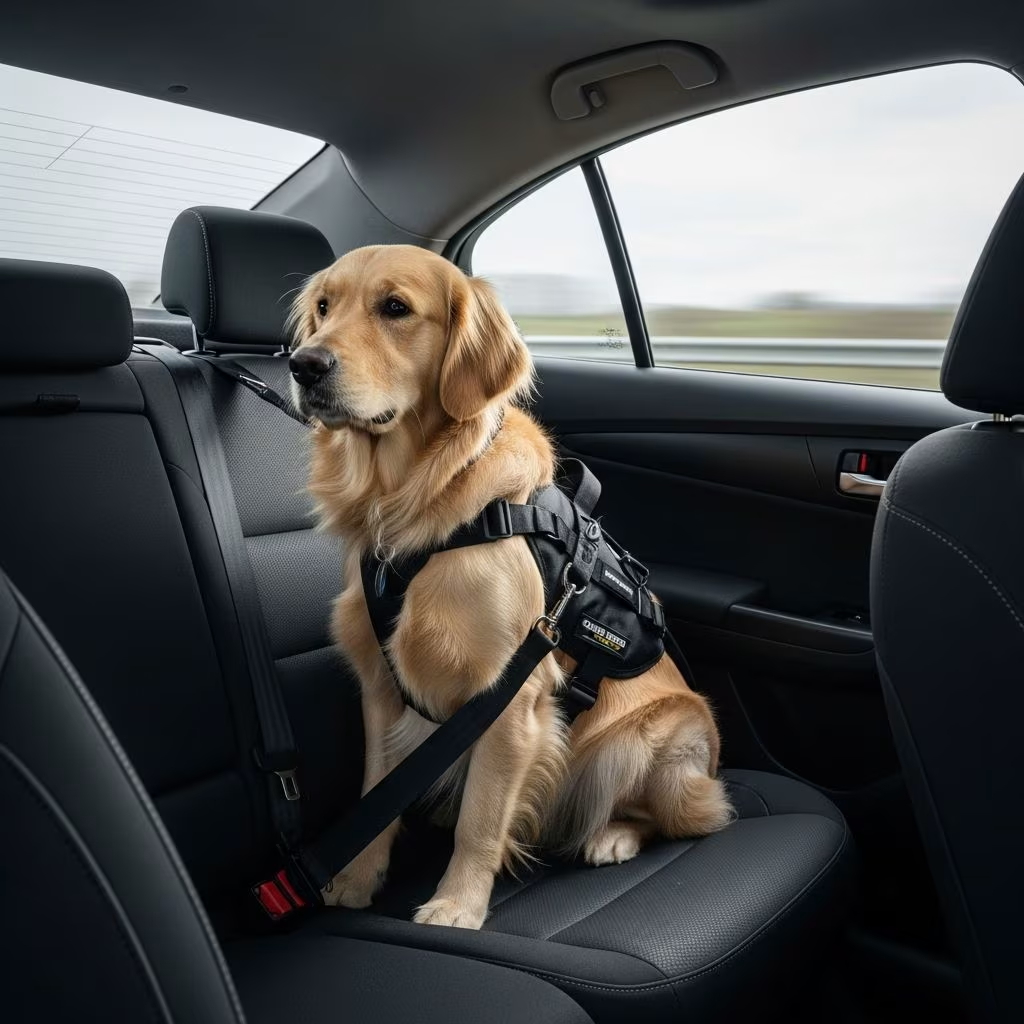
Dog Car Safety: 6 Essential Tips for Traveling Safely With Your Pet
Traveling with your dog can be an enjoyable experience, but safety should always be your top priority. Pet car safety is an increasingly important topic among pet parents, and for good reason. When dogs are not properly secured in vehicles, they can become a significant source of distraction for drivers, leading to accidents and potential injuries for both your pet and passengers. According to the National Highway Traffic Safety Administration, distracted driving accounted for 15% of injury crashes in 2015. The situation becomes more concerning when you consider that nearly 30% of pet owners admit their pets in the car cause a distraction. This statistic underscores the critical importance of implementing proper restraint systems and safety practices when traveling with your furry companion.
To help pet parents understand the best practices for keeping dogs safe during car travel, we consulted with Melanie Monteiro, a Los Angeles-based pet safety expert and author of “The Safe Dog Handbook.” Her insights and recommendations provide a comprehensive guide to reducing the risk of distraction and ensuring your dog remains contained and restrained on the road for everyone’s safety.
Why Dog Car Safety Matters
Distracted driving is a leading cause of motor vehicle accidents in the United States. When your dog is loose in the car, jumping between seats, seeking attention, or creating noise, your focus shifts from the road to your pet. This momentary lapse in attention can have serious consequences. Unlike human passengers who can be educated about proper behavior in vehicles, dogs operate on instinct and cannot understand the dangers of moving vehicles or the importance of remaining still during travel.
Beyond the distraction factor, unsecured dogs face significant physical danger in the event of sudden stops or accidents. A dog traveling at 30 miles per hour without restraint will continue forward at that speed if the vehicle brakes suddenly, potentially causing severe injuries. Proper restraint systems can prevent these injuries and keep your pet secure throughout your journey.
Essential Dog Car Safety Tips
Paws and Heads Inside: Keep Your Dog Contained
One of the most common behaviors dog owners see during car rides is their pets sticking their heads or paws out of windows. While this might seem harmless or even enjoyable for your dog, it poses several serious risks. Your dog could be struck by passing vehicles, debris could enter their eyes or ears, or they could lose their balance and fall from the moving vehicle. Additionally, objects from other cars could strike your pet at highway speeds, causing injury or death.
Just as you wouldn’t allow your child to hang their arms or head outside a moving vehicle’s windows, the same safety principle applies to your pet. Ensure your dog remains securely inside the vehicle at all times during travel. This means keeping windows only partially open or closed, and using appropriate restraint systems to prevent your dog from accessing windows or doors.
Front Seat Is for Humans Only
The front seat of your vehicle should be reserved exclusively for human passengers. When dogs sit in the front seat, they can interfere with the driver’s visibility, access foot pedals, or distract the driver with their movements or attention-seeking behavior. Additionally, airbags in the front seat can cause serious injury to pets in the event of a collision.
Keeping your dog in the backseat ensures your full attention remains on the road. With proper restraint systems like harnesses and tethers, you can ensure your pup stays safely in the rear of the vehicle. This simple practice is one of the most effective ways to maintain focus while driving and protect your pet from front-seat hazards.
Choosing the Right Restraining Device
Not all dog restraint products are created equally. Some offer more protection than others, and some are more restrictive. When selecting a restraint system for your dog, prioritize safety above comfort or convenience. The Center for Pet Safety, a nonprofit organization that tests pet products for safety, recommends that pet parents use crash-tested harnesses during car travel to protect both their pets and themselves.
Dog Safety Harnesses
Crash-tested dog harnesses represent the gold standard for car travel safety. These specialized harnesses are designed to distribute impact forces across your dog’s body during a collision, minimizing injury risk. While harnesses can be somewhat restrictive, they ensure your dog stays in place during sudden stops, acceleration, or accidents. Without proper harness restraint, your dog could be thrown from their seat during a crash, creating a projectile hazard for everyone in the vehicle.
When selecting a harness, look for products that have undergone crash testing and meet recognized safety standards. The best harnesses feature multiple attachment points and are specifically designed for use in vehicles rather than general-purpose harnesses intended for walking.
Booster Seats for Smaller Dogs
Dog car seats, or booster seats, are specifically designed for smaller dog breeds. These elevated seats serve multiple purposes: they keep smaller dogs secure in the backseat while allowing them to see out the window, which can reduce anxiety in nervous dogs. The ability to see outside helps eliminate distracted driving situations where pet parents attempt to calm anxious dogs who cannot see the scenery passing by.
Booster seats also provide a secondary benefit of protecting your vehicle’s interior. By elevating your dog off the car’s upholstery, you can expect significantly less cleanup in the backseat. This is particularly beneficial for dogs that shed heavily or experience carsickness during travel.
Dog Seat Belts and Tethers
Restraining your dog with a tether or dog seat belt keeps your pet in the backseat while allowing some room for movement. This option permits your dog to turn around, lie down, and shift positions, which can be ideal for restless dogs who become anxious when confined too tightly. Dog seat belts minimize driver distractions while still allowing your pet some mobility.
It’s important to note that while seat belt tethers keep your dog restrained to the backseat, they may not provide full protection against crash-related injuries compared to crash-tested harnesses. The trade-off is increased mobility for your pet in exchange for potentially reduced crash protection.
Dog Car Barriers
Dog car barriers create a physical separation between the front and rear sections of your vehicle. These barriers establish a strong wall between the front and back seats, serving multiple safety functions. They keep your dog confined to the rear area of the vehicle, significantly reduce driver distraction by preventing your pet from accessing the front area, and protect your dog from launching forward during sudden stops or collisions.
However, it’s worth noting that barriers do not prevent your dog from moving around within the rear cargo area, and they offer less crash protection than a properly fitted harness. They’re best used in combination with other restraint methods for maximum safety.
Special Considerations for Truck Beds
If a pickup truck is your only mode of transportation and your dog must ride in the truck bed, never allow them to ride loose. This is non-negotiable for your pet’s safety. Instead, place your dog in a hard-sided crate that is securely tethered to the truck bed. A loose dog in an open truck bed faces numerous hazards, including the risk of being thrown from the vehicle during turns or sudden stops, exposure to flying debris, and difficulty exiting if the truck encounters an accident.
When using a truck bed crate, ensure the crate is properly secured with multiple attachment points to prevent shifting. Additionally, be mindful of weather conditions—never leave your dog in an uncovered truck bed during extremely hot or cold weather, as they lack protection from the elements. The crate should provide adequate ventilation and, ideally, some shelter from direct sun or precipitation.
Additional Car Travel Considerations
Protecting Your Vehicle
Beyond restraint systems, consider using dog car seat covers to protect your vehicle’s interior from fur, mud, drool, and potential vomit from dogs experiencing carsickness. Quality seat covers make cleanup easier and help establish the car as a designated space for your dog, which can help them settle down and feel secure during rides. Many dogs find comfort in the familiar scent of their car seat cover, making the travel experience less stressful.
Managing Motion Sickness
Some dogs experience motion sickness during car travel. To help minimize this issue, ensure your dog is anchored securely in your vehicle. Dog car seats that keep smaller dogs oriented facing forward can prevent the vestibular confusion that comes from watching passing scenery, which often contributes to motion sickness. For dogs prone to car anxiety, gradual exposure and behavioral training can help them develop tolerance to car travel over time.
Pre-Trip Veterinary Consultation
Before embarking on significant car trips with your dog, consult with your veterinarian. Your vet can assess your dog’s overall health, address any concerns about car travel, and recommend appropriate restraint systems based on your dog’s size, age, and health status. If your dog experiences severe anxiety or motion sickness, your vet may suggest medications or other interventions to make travel more comfortable.
Frequently Asked Questions
Q: Is a dog harness better than a car seat for safety?
A: Crash-tested dog harnesses are considered the gold standard for car safety. While dog car seats are excellent for smaller breeds and offer comfort benefits, a crash-tested harness provides superior protection in the event of a collision by distributing impact forces across your dog’s body.
Q: Can my dog ride in the front seat if properly restrained?
A: No. The front seat is not recommended for dogs, even with restraints. Front-seat airbags can injure pets, and dogs in the front seat can distract drivers and access foot pedals. Always keep your dog in the backseat or cargo area.
Q: What should I do if my dog gets carsick?
A: First, ensure your dog is securely anchored with a car seat that keeps them facing forward. Consider gradual exposure training to help your dog acclimate to travel. Consult your veterinarian, who may recommend medication or dietary adjustments before trips.
Q: How can I reduce my dog’s car anxiety?
A: Identify the specific point where your dog becomes nervous (e.g., when near the car, when the engine starts) and begin desensitization training before that point. Start with short trips with the car off, gradually progressing to longer journeys as your dog becomes more comfortable.
Q: Is it safe to let my dog stick their head out the car window?
A: No. While dogs enjoy the sensations, sticking their head out windows exposes them to debris, passing vehicles, and the risk of falling from the vehicle. Always keep windows partially closed or use barriers to prevent this behavior.
Q: Can I use a regular leash to restrain my dog in the car?
A: A regular leash is not sufficient for car restraint. In the event of sudden braking or a collision, a leash cannot provide adequate protection and may even cause injury. Use a vehicle-specific restraint system like a harness, seat belt, booster seat, or barrier.
References
- Keeping Your Dog Safe in the Car — Chewy. 2024. https://www.chewy.com/education/dog/general/keeping-dog-safe-car
- The Safe Dog Handbook: A Complete Guide to Keeping Your Pet Safe — Melanie Monteiro. 2011. Published by CreateSpace Independent Publishing Platform.
- Traffic Safety Facts: Distracted Driving — National Highway Traffic Safety Administration (NHTSA). U.S. Department of Transportation. https://www.nhtsa.gov/
- Pet Passenger Safety Survey — AAA and Kurgo. 2011. https://www.aaa.com/
- About the Center for Pet Safety — Center for Pet Safety. https://www.centerforpetsafety.org/
- Dog Car Sickness and Motion Sickness: How To Help — Chewy. 2024. https://www.chewy.com/education/dog/health-and-wellness/what-to-do-if-your-pup-experiences-dog-car-sickness



