

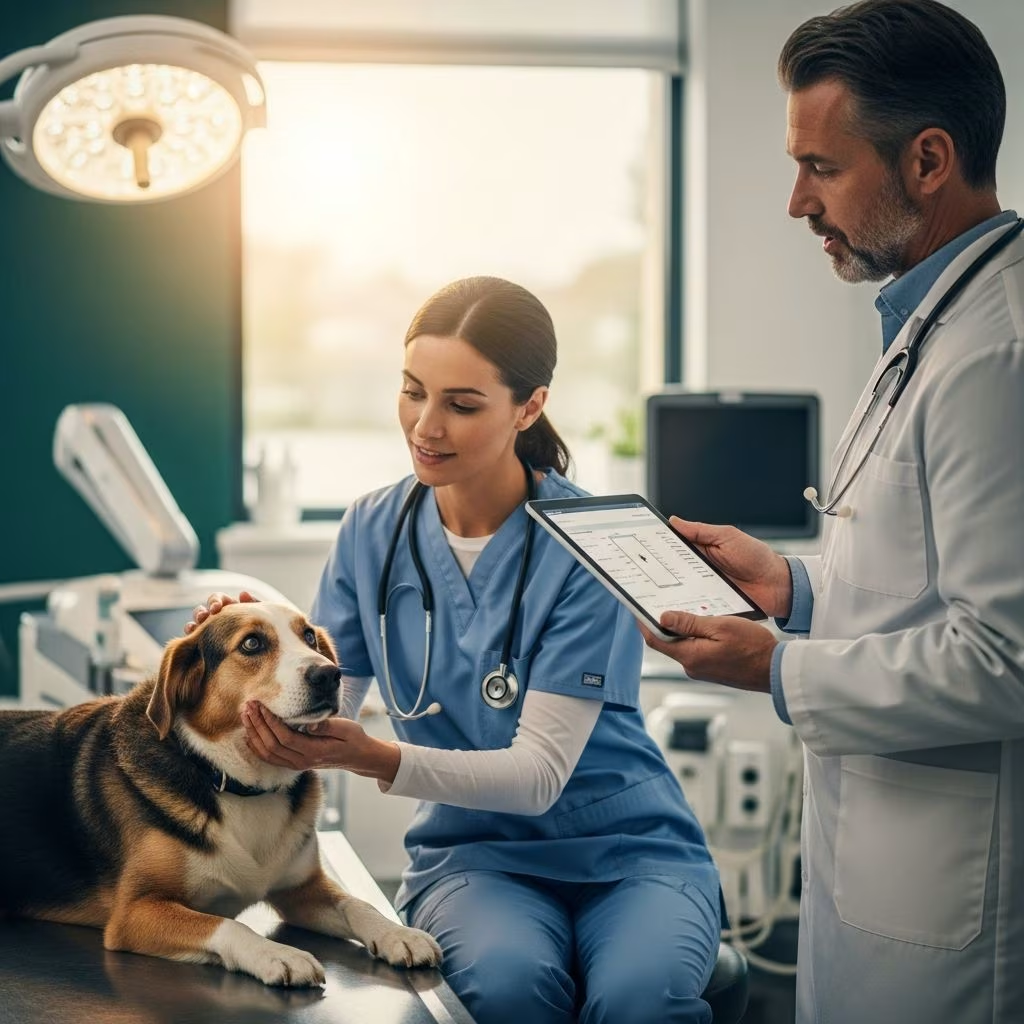
Canine cancer affects millions of dogs annually, but modern veterinary oncology offers a range of effective treatments to manage the disease, extend life, and preserve quality of life. Unlike human treatments that often prioritize cure at the cost of comfort, dog cancer therapies focus on balancing efficacy with minimal side effects, allowing pets to enjoy daily activities.
Understanding Canine Cancer Basics
Cancer in dogs arises when cells grow uncontrollably, forming tumors that can be benign or malignant. Common types include mast cell tumors, lymphoma, osteosarcoma, and melanoma. Early detection through symptoms like lumps, weight loss, lethargy, or unusual bleeding improves outcomes significantly. Veterinary oncologists stage the cancer using diagnostics such as biopsies, imaging (X-rays, ultrasounds, CT scans), and blood tests to tailor the best approach.
Treatment success depends on factors like cancer type, location, stage, and the dog’s overall health. While cures are possible for localized tumors, metastatic cases often emphasize palliation and quality time.
Primary Treatment Modalities
The cornerstone of dog cancer care revolves around three main pillars: surgery, chemotherapy, and radiation therapy. These can be used individually or combined for optimal results.
Surgical Interventions
Surgery remains the gold standard for localized tumors where complete removal is feasible. Board-certified veterinary surgeons perform precise excisions, often followed by adjuvant therapies to prevent recurrence. For instance, wide-margin surgeries for mast cell tumors on the skin yield high success rates.
Challenges arise with tumors in hard-to-reach areas like the brain, spine, or nasal cavity, where surgery alone may not suffice. Post-operative care includes pain management, wound monitoring, and potential chemotherapy.
Chemotherapy Protocols
Chemotherapy employs drugs to target rapidly dividing cancer cells systemically, ideal for blood cancers like lymphoma or disseminated disease. Dogs tolerate chemo far better than humans; only 5-10% experience mild nausea or hair thinning, with protocols spaced to allow recovery.
Common agents include:
- Doxorubicin and Carboplatin: For lymphomas and sarcomas, often in multi-drug regimens.
- Vinblastine and Vincristine: Effective against mast cell tumors and lymphomas.
- Cyclophosphamide and Lomustine: Used for various solid tumors.
Treatment cycles typically last 3-6 months, administered orally, IV, or injected directly into tumors via electrochemotherapy, which uses electric pulses to enhance drug penetration.
Radiation Therapy Advances
Radiation delivers high-energy beams to damage tumor DNA, shrinking masses or killing cells. Types include:
- Stereotactic Radiation (SRS/SRT): Ultra-precise, requiring 1-3 sessions under anesthesia. Ideal for brain, nasal, or spinal tumors, reducing sessions by 80-95% compared to traditional methods.
- Conventional Fractionated Radiation (CFRT): 15-21 sessions over weeks for larger tumors post-surgery.
- Palliative Radiation (PRT): Low-dose weekly treatments for symptom relief like pain or bleeding, without curative intent.
Side effects are localized, such as temporary skin irritation, managed with supportive care.
Targeted and FDA-Approved Medications
Precision medicine has revolutionized canine oncology with drugs targeting specific cancer pathways, minimizing harm to healthy cells. The FDA has approved four key drugs as of 2025:
| Drug Name | Target Cancer | Approval Year | Administration |
|---|---|---|---|
| Palladia (toceranib phosphate) | Mast cell tumors | 2009 | Oral daily |
| Stelfonta (tigilanol tiglate) | Mast cell tumors | 2020 | Injection into tumor |
| Tanovea (rabacfosadine) | Lymphoma | 2021 (full) | IV infusion |
| Laverdia (verdinexor) | Lymphoma | 2025 (full) | Oral tablets |
These therapies often combine with standard treatments for enhanced efficacy.
Emerging and Complementary Therapies
Immunotherapy Breakthroughs
Immunotherapy harnesses the dog’s immune system to fight cancer. Options include vaccines like the canine melanoma vaccine and monoclonal antibodies such as gilvetmab, which block immune-suppressing signals from tumors. Best used adjunctively, it shows promise in melanomas and lymphomas.
Cryotherapy and Electrochemotherapy
Cryotherapy freezes small superficial tumors (e.g., skin, eyelids) with extreme cold, causing cell death without incisions. Electrochemotherapy pairs chemo with electric fields for localized delivery, sparing distant tissues.
Palliative and Supportive Care
When cure isn’t viable, focus shifts to comfort. Pain meds (opioids, NSAIDs), nutritional support, and bisphosphonates for bone cancer maintain mobility and appetite. Holistic aids like acupuncture or CBD may complement but lack robust evidence.
Navigating Treatment Decisions
Choosing therapies involves weighing prognosis, costs ($3,000-$30,000+ depending on protocol), side effects, and lifestyle impact. Consult a veterinary oncologist for staging and multimodal plans. Clinical trials offer cutting-edge options at reduced cost.
Quality-of-life assessments use scales tracking eating, playfulness, pain, and mobility. Metastatic cancers (e.g., lung spread) may limit aggressive treatment, favoring palliation.
Costs and Accessibility Table
| Treatment Type | Estimated Cost Range (USD) | Duration | Side Effects Likelihood |
|---|---|---|---|
| Surgery | $1,500-$10,000 | One-time + recovery | Low (pain, infection) |
| Chemotherapy | $3,000-$8,000 | 3-6 months | Low-mild |
| Radiation (SRS) | $6,000-$12,000 | 1-3 sessions | Low-localized |
| Targeted Drugs | $100-$300/week | Ongoing | Minimal |
| Immunotherapy | $4,000-$10,000 | Varies | Low |
Prevention and Early Detection Tips
- Regular vet check-ups with lump checks for dogs over 7 years.
- Spay/neuter to reduce mammary and prostate cancers.
- Minimize sun exposure for light-skinned breeds prone to skin cancer.
- Balanced diet rich in antioxidants; avoid obesity.
- Monitor for signs: non-healing sores, abnormal swelling, chronic cough.
Frequently Asked Questions (FAQs)
Will chemotherapy make my dog sick like in humans?
No, veterinary protocols use lower doses; most dogs maintain normal lives with rare mild GI upset.
Can cancer be cured in dogs?
Yes, for early-stage localized tumors via surgery; advanced cases focus on management.
How long do dogs live after diagnosis?
Varies widely: untreated lymphoma 1-2 months; treated up to 1-2 years. Prognosis is individualized.
Is radiation painful for dogs?
Anesthesia ensures no pain during sessions; side effects are manageable.
What if my dog has metastatic cancer?
Palliative care prioritizes comfort; some respond to chemo or targeted therapies.
Clinical Trials and Future Directions
Institutions like CSU Flint Animal Cancer Center run trials for novel immunotherapies and targeted agents, potentially benefiting your dog while advancing science. Ongoing research targets gene therapies and personalized vaccines based on tumor genetics.
References
- Therapy Options for Pets with Cancer — Northwest Veterinary Oncology. Accessed 2026. https://www.nwvetoncology.com/therapy-care-options
- Cancer in Dogs: Symptoms, Types, and Treatment — PetMD. Accessed 2026. https://www.petmd.com/dog/conditions/cancer/cancer-dogs-symptoms-types-and-treatment
- Pet Cancer Treatment Options — PetCure Oncology. Accessed 2026. https://petcureoncology.com/cancer-treatment-options-dog-cat/
- My Dog Has Cancer: What Do I Need to Know? — U.S. Food and Drug Administration (FDA). 2025-03-15. https://www.fda.gov/consumers/consumer-updates/my-dog-has-cancer-what-do-i-need-know
- Cancer Treatment in Animals — Merck Veterinary Manual. Accessed 2026. https://www.merckvetmanual.com/special-pet-topics/cancer-and-tumors/cancer-treatment-in-animals
- Pet Cancer Treatment Options — Colorado State University Flint Animal Cancer Center. 2021-10-29. https://www.csuanimalcancercenter.org/2021/10/29/pet-cancer-treatment-options/
- 10 Steps To Take When Your Pet Has Cancer — OncoLink (University of Pennsylvania). Accessed 2026. https://www.oncolink.org/cancers/vet/10-steps-to-take-when-your-pet-has-cancer



