

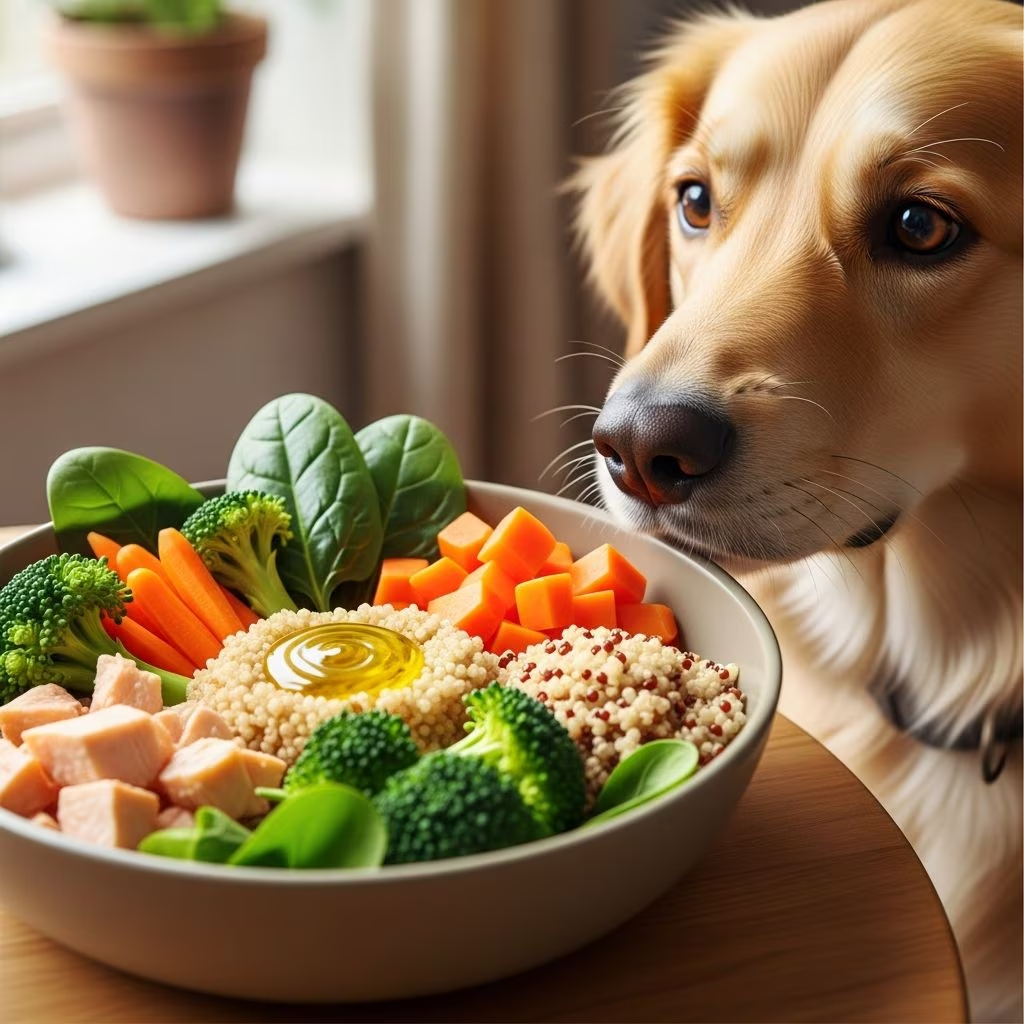
Dog Cancer Diet: What to Feed a Dog With Cancer
A cancer diagnosis for your beloved dog can be overwhelming, and one of the most impactful ways you can support their health during treatment is through proper nutrition. Diet plays a crucial role in managing cancer in dogs, and research suggests that specific dietary approaches can help slow tumor growth, support immune function, and maintain your dog’s quality of life. Unlike humans, dogs cannot communicate their dietary preferences or needs, making it your responsibility to ensure they receive the optimal nutrition to fight cancer.
The right cancer diet for dogs differs significantly from standard commercial dog food. Cancer cells have unique metabolic preferences—they favor glucose and carbohydrates for energy, while normal cells can efficiently use fats. By understanding these fundamental differences, you can make informed dietary choices that may help slow cancer progression and improve your dog’s overall well-being during treatment.
Understanding Cancer Metabolism in Dogs
Cancer cells operate differently from healthy cells in ways that directly impact dietary recommendations. Tumor cells preferentially use glucose, a simple sugar derived from carbohydrates, as their primary energy source. This metabolic characteristic forms the foundation of cancer diet recommendations for dogs. When you reduce carbohydrate intake, you theoretically limit the available fuel for cancer cells to proliferate.
In contrast, normal canine cells can efficiently metabolize fats and proteins as energy sources. This metabolic flexibility is why veterinary oncologists recommend higher-fat and higher-protein diets for dogs with cancer. The goal is to create an internal environment that favors healthy cells while depriving cancer cells of their preferred fuel source.
Ideal Nutritional Profile for Dogs With Cancer
Research and veterinary oncology specialists recommend specific nutrient targets for dogs battling cancer. These guidelines represent evidence-based recommendations that differ from standard adult dog food requirements:
| Nutrient | Standard Adult Dogs | Dogs With Cancer |
|---|---|---|
| Protein | 18% minimum | 30-40% (dry matter basis) |
| Fat | 5% minimum | 25-40% (dry matter basis) |
| Carbohydrates | No minimum requirement | Less than 25% (dry matter basis) |
| Fiber | Varies | More than 2.5% (dry matter basis) |
Understanding “dry matter basis” is essential when evaluating dog food labels. Since all dog foods contain moisture, nutritional percentages on labels reflect “as-fed” values. To convert to dry matter basis—the actual nutrient concentration—divide the as-fed percentage by the dry matter percentage listed on the label and multiply by 100. This calculation helps you accurately assess whether a food meets cancer diet requirements.
Protein: The Building Block for Muscle Maintenance
Protein takes on heightened importance for dogs with cancer because cancer cachexia—the wasting syndrome associated with cancer—causes progressive muscle loss. Cancer itself and certain treatments can accelerate protein breakdown in the body, making adequate protein intake essential for maintaining muscle mass and strength.
High-quality lean proteins should form the foundation of your dog’s cancer diet. Excellent protein sources include:
- Chicken (unskinned portions should be removed to reduce fat)
- Turkey
- Fish, particularly sardines
- Venison
- Duck
- Lamb
- Cottage cheese
Research has identified associations between certain protein sources and specific cancer types. For example, high beef intake and low chicken intake have been correlated with mammary tumors in dogs. When selecting proteins, focus on lean cuts and remove skin from poultry. Choose ground meats that are 90% lean or leaner to maintain the appropriate fat levels while maximizing protein content.
Fats and Omega-3 Fatty Acids: Supporting Immune Function
While fat restriction is sometimes recommended for other health conditions, dogs with cancer benefit from moderate to higher fat intake. Tumor cells find fats difficult to metabolize for energy, whereas your dog’s healthy cells readily utilize fats as fuel. This metabolic difference creates a therapeutic advantage.
Particularly important are omega-3 polyunsaturated fatty acids. Research demonstrates compelling benefits: in one clinical study, dogs with lymphoma receiving fish oil supplementation (an omega-3 source) showed significantly higher survival times and longer disease-free intervals compared to control groups. Omega-3 fatty acids possess anti-inflammatory and anti-tumor properties that support your dog’s immune system.
Recommended omega-3 intake ranges from 5% of the diet on a dry matter basis or a supplemental dose of approximately 30 mg/kg/day. Excellent dietary sources include:
- Sardines (fed several times weekly)
- Fish oil supplements
- Krill oil
It is important to note that excessive omega-3 supplementation can be detrimental. Always consult with your veterinarian before adding supplements, as they can assess your dog’s current diet and recommend appropriate dosing based on your specific situation.
Carbohydrates: Limiting the Cancer Cell Fuel Source
Carbohydrate restriction represents one of the most important dietary modifications for dogs with cancer. Since tumor cells preferentially use glucose for energy, minimizing simple carbohydrates theoretically removes a readily available fuel source for cancer growth. The goal is to keep total carbohydrates below 25% on a dry matter basis.
When carbohydrates are included in your dog’s diet, they should come from high-quality sources that provide additional nutritional benefits:
- Brown rice
- Oatmeal
- Low-starch vegetables for fiber and phytonutrients
Avoiding or minimizing simple starches, grains high in carbohydrates, and sweetened products becomes essential. If your dog has difficulty maintaining weight, whole grains in modest amounts can provide needed calories while delivering nutritional benefits beyond simple carbohydrates.
Vegetables: Nutrient-Dense Cancer Fighters
Certain vegetables contain powerful compounds with documented anti-cancer properties. Brassica vegetables—including broccoli, cauliflower, and Brussels sprouts—are nutritional powerhouses for cancer patients. These vegetables contain over 200 glucosinolates, compounds that break down into active substances with proven anti-tumor effects.
Sulforaphane, benzyl isothiocyanate, and phenethyl isothiocyanate are three glucosinolates extensively studied in cancer research. These compounds have demonstrated the ability to inhibit cancer cell growth and increase the sensitivity of drug-resistant cancer cells to chemotherapy medications.
Beyond brassicas, incorporate brightly colored vegetables that are rich in cancer-fighting phytonutrients:
- Carrots
- Sweet potatoes
- Spinach and other leafy greens
- Berries (raspberries, blueberries)
Low-glycemic vegetables provide fiber and essential nutrients without significantly impacting blood glucose levels. Always introduce new vegetables gradually and in appropriate proportions, as some dogs may experience digestive upset with dietary changes.
Beneficial Additions to the Cancer Diet
Beyond the core nutritional components, several additions can enhance your dog’s cancer-fighting diet:
Sardines: These small fish provide both high-quality protein and omega-3 fatty acids, making them an excellent addition several times weekly.
Virgin Coconut Oil: Contains medium-chain triglycerides that healthy cells can efficiently use for energy, while offering anti-inflammatory benefits.
Leafy Herbs: Parsley, basil, and similar herbs add nutritional value and flavor without significant caloric contribution.
Garlic and Ginger Root: These additions offer immune-supporting properties, though should be used in small amounts and cleared with your veterinarian first.
Chicken Necks: When used as whole food additions, chicken necks provide important minerals like calcium and phosphorus.
Multivitamins: If preparing homemade diets, a veterinary-approved multivitamin helps ensure your dog receives all necessary micronutrients.
Foods to Avoid With Canine Cancer
Certain foods should be eliminated from your dog’s diet during cancer treatment. Some pose direct toxicity concerns, while others may promote cancer growth:
- Raisins and grapes (toxic to dogs)
- Onions and garlic in large quantities
- Chocolate
- Artificial sweeteners, particularly xylitol
- Excess starchy carbohydrates and refined grains
- Corn and vegetable oils (high in pro-inflammatory omega-6 fatty acids)
- Grilled and broiled foods (can form carcinogenic compounds)
Special Considerations: Pancreatitis and Cancer
Some dogs develop concurrent pancreatitis alongside cancer diagnosis, creating complex dietary management needs. Dogs with both conditions typically cannot tolerate high-fat diets and may not benefit from ketogenic approaches. In these cases, selecting very lean meats becomes essential—remove poultry skin entirely and choose ground meats that are 90% lean or leaner. Work closely with your veterinarian to balance cancer diet recommendations with pancreatitis management, as treatment approaches may conflict.
Implementing Dietary Changes: Best Practices
Transitioning your dog to a cancer diet requires patience and gradual implementation. Abrupt dietary changes can trigger vomiting, diarrhea, food refusal, or pancreatitis. Follow these guidelines for successful transitions:
- Allow 1-2 weeks for the dietary transition period
- Gradually mix increasing amounts of new food while decreasing old food
- Monitor your dog for digestive upset or changes in appetite
- Make adjustments slowly if problems emerge
Meal frequency also matters. Distribute approximately 90% of your dog’s daily calories into regular meals (divided into two or more feedings), reserving 10% for treats throughout the day. This approach provides consistent energy availability and supports stable blood glucose levels.
Energy Density and Weight Maintenance
Many dogs with cancer struggle to maintain weight despite adequate caloric intake. Cancer cachexia, treatment side effects, and reduced appetite contribute to weight loss. Energy-dense foods become important in this context. If your dog will consume only small quantities, ensuring those portions contain maximum calories becomes critical. Higher-fat foods naturally provide more calories per volume, supporting weight maintenance with smaller meal sizes.
Choosing Commercial Versus Homemade Diets
Both commercial and home-prepared diets can support dogs with cancer, provided they meet nutritional requirements. Commercial options must comply with Association of American Feed Control Officials (AAFCO) standards and provide complete, balanced nutrition. Select brands specifically formulated for cancer patients or those meeting the nutrient targets outlined above.
Homemade diets offer control over ingredient selection and sourcing but require careful planning to ensure nutritional completeness. Consultation with a veterinary nutritionist is strongly recommended for homemade diet preparation, as unbalanced homemade diets can create deficiencies or excesses that compromise your dog’s health.
Working With Your Veterinary Oncologist
Your veterinary oncologist brings invaluable expertise to dietary planning for cancer patients. They understand your dog’s specific cancer type, treatment protocol, and individual health factors. Before making significant dietary changes, discuss your plans with your veterinarian. They can:
- Assess whether your dog has additional health conditions affecting dietary needs
- Review commercial food options and their appropriateness for your dog
- Recommend appropriate supplement dosing
- Monitor your dog’s response to dietary changes
- Adjust the diet as your dog’s needs evolve during treatment
Frequently Asked Questions About Dog Cancer Diet
Q: How quickly should I transition my dog to a cancer diet?
A: Plan for a 1-2 week transition period, gradually mixing increasing amounts of new food with decreasing amounts of old food. This slow approach prevents digestive upset and allows your dog’s system to adapt. If your dog experiences diarrhea, vomiting, or loss of appetite during transition, slow the process further and consult your veterinarian.
Q: Can I feed my dog with cancer a completely homemade diet?
A: Yes, homemade diets can be beneficial, but they require careful formulation to ensure nutritional completeness. Work with a veterinary nutritionist to create a balanced recipe that meets your dog’s specific needs. Homemade diets without professional guidance may create nutrient imbalances that compromise health.
Q: How much omega-3 supplementation does my dog need?
A: The recommended dosage is approximately 30 mg/kg/day (13.6 mg/lb/day) or around 5% of the dried-food diet. However, the appropriate dose depends on omega-3 levels already present in your dog’s food. Consult your veterinarian before supplementing, as excessive omega-3 can be detrimental.
Q: Will a cancer diet cure my dog’s cancer?
A: While optimal nutrition cannot cure cancer, research demonstrates that appropriate dietary modifications can support cancer treatment, potentially improve outcomes, maintain muscle mass, and enhance quality of life. Diet works best as a complementary approach alongside veterinary treatment recommendations.
Q: Can my dog eat treats while on a cancer diet?
A: Yes, treats can be incorporated as long as they comprise approximately 10% of daily caloric intake and align with cancer diet principles. Choose treats that are low in carbohydrates, high in protein, and free from artificial additives or toxic ingredients.
Q: What should I do if my dog won’t eat the new cancer diet?
A: Food refusal can occur during dietary transitions. Slow the transition process, warm the food to enhance palatability, or add small amounts of low-sodium broth. If refusal persists, consult your veterinarian to rule out underlying issues or explore alternative food options.
Q: Are grain-free diets better for dogs with cancer?
A: While some sources recommend grain-free diets, the most important factors are carbohydrate restriction and appropriate nutrient ratios. Quality whole grains like brown rice and oatmeal can be appropriate in moderate amounts. Focus on meeting the nutrient targets rather than eliminating all grains.
Creating Your Dog’s Cancer Diet Plan
Developing an optimal cancer diet for your dog requires integrating research-based nutritional principles with your individual dog’s preferences, health status, and medical needs. Start by consulting with your veterinary oncologist to discuss dietary approaches tailored to your dog’s cancer type and treatment plan. Review commercial food options or work with a veterinary nutritionist if preparing homemade meals. Remember that even imperfect dietary improvements offer benefits—you don’t need to achieve the “perfect” diet to create positive changes in your dog’s health.
The foundation of an effective cancer diet centers on moderate to higher protein content, higher fat (emphasizing omega-3 fatty acids), significantly reduced carbohydrates, and incorporation of nutrient-dense vegetables rich in cancer-fighting phytonutrients. By making thoughtful dietary choices, implementing changes gradually, and maintaining close communication with your veterinary team, you actively participate in your dog’s cancer management and support their best possible quality of life during treatment.
References
- Dog Cancer Diet Guidelines — DogCancer.com. Accessed 2025. https://www.dogcancer.com/articles/diet-and-lifestyle/dog-cancer-diet/
- Feeding a Dog That Has Cancer — Animal Cancer Foundation. Accessed 2025. https://acfoundation.org/feeding-the-dog-with-cancer/
- Dog Cancer Diet — PetMD. Accessed 2025. https://www.petmd.com/dog/nutrition/dog-cancer-diet
- Guide: How Nutrition Can Help Support Pets with Cancer — Hope Vet Oncology. Accessed 2025. https://hopevetoncology.com/blog/nutrition-support-pets-cancer/
- Feeding Your Dog During Cancer Treatment — VCA Animal Hospitals. Accessed 2025. https://vcahospitals.com/know-your-pet/feeding-the-canine-cancer-patient
- Nutritional Management of Patients with Cancer — UC Davis School of Veterinary Medicine. Accessed 2025. https://healthtopics.vetmed.ucdavis.edu/health-topics/nutritional-management-patients-cancer
- Diet Decisions During Cancer Treatment — Cornell University College of Veterinary Medicine. Accessed 2025. https://www.vet.cornell.edu/departments-centers-and-institutes/riney-canine-health-center/canine-health-information/diet-decisions-during-cancer-treatment



