
Dog Camping Guide: Preparation to Safe Adventure
Master the essentials of outdoor camping with your canine companion safely
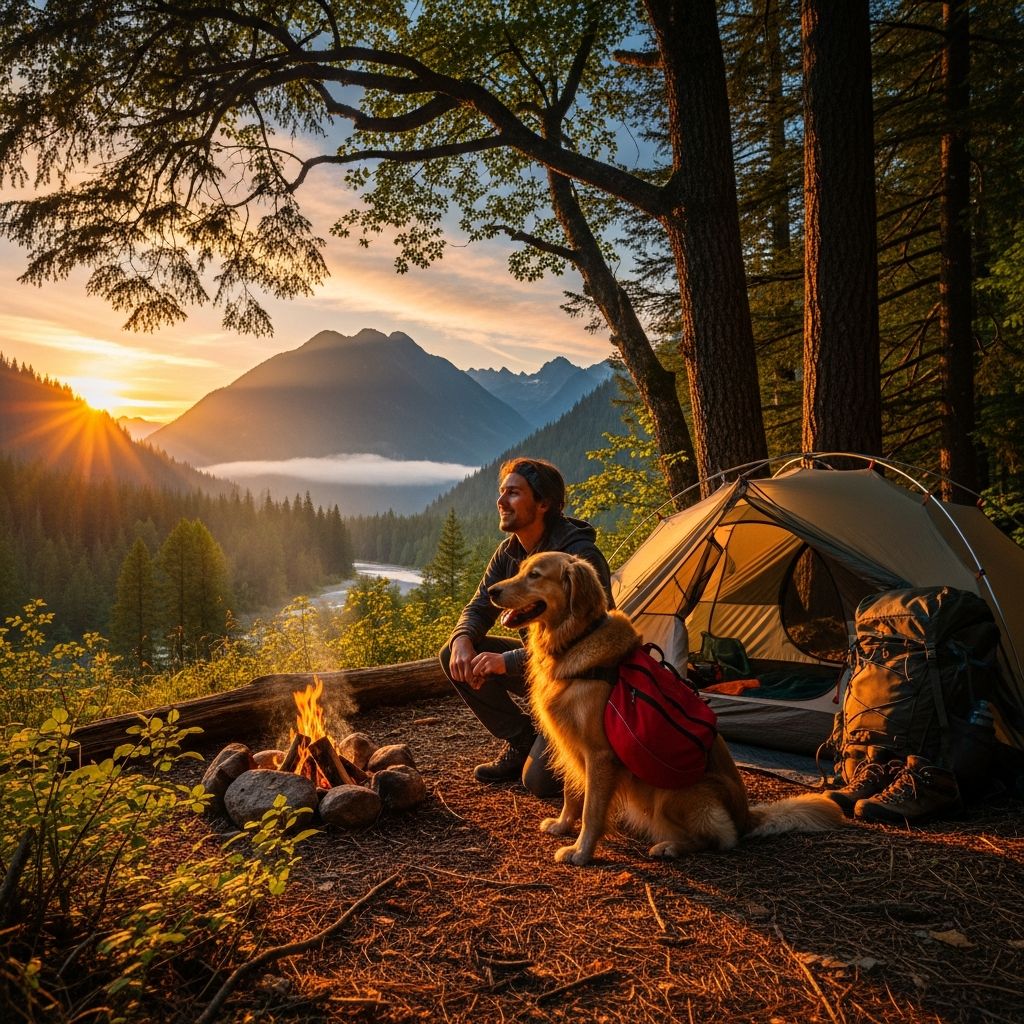
Preparing Your Dog for an Outdoor Camping Adventure: A Comprehensive Wellness and Safety Guide
Taking your canine companion on a camping expedition offers an excellent opportunity to bond while enjoying the natural world together. However, successful outdoor experiences with dogs require thoughtful preparation, careful planning, and understanding of both your pet’s capabilities and potential environmental hazards. This guide provides practical strategies to ensure your dog remains healthy, happy, and secure throughout your camping journey.
Pre-Trip Health and Fitness Evaluation
Before embarking on any camping adventure, your dog’s physical condition and medical status must be thoroughly assessed. A veterinary examination helps identify any underlying health concerns that might be exacerbated by outdoor activity or environmental exposure. Your veterinarian can also verify that your dog’s vaccinations are current and that preventative treatments are in place to combat regional threats.
Dogs accustomed to sedentary indoor lifestyles require conditioning before attempting strenuous hiking or extended outdoor activities. Begin with short walking distances several weeks before your planned trip, gradually increasing duration and difficulty as your dog builds cardiovascular fitness and muscle strength. This progressive training prevents injuries such as muscle strains, joint stress, or exhaustion-related complications.
Obedience training forms another critical foundation for safe camping. Dogs that reliably respond to commands like “come,” “stay,” and “leave it” can be managed more effectively in unexpected situations involving wildlife encounters, other campers, or potential hazards. Practice these commands regularly in various environments to ensure reliable responses under real-world conditions.
Essential Medical Preparations
- Current vaccinations and updated health records
- Heartworm and flea/tick preventative medications prescribed by your veterinarian
- Insect repellent formulated specifically for dogs
- Recent photographs of your dog for identification purposes
- Written documentation of any chronic conditions or medications
Strategic Campsite Selection and Environmental Assessment
Choosing an appropriate campsite requires balancing human comfort with canine needs and safety. A location that appeals to you may create stress or danger for your dog. Sites near bathrooms or water sources might expose your dog to excessive foot traffic, causing anxiety and territorial barking. Similarly, proximity to parking areas or main trails can agitate dogs due to constant activity and unfamiliar people passing nearby.
Research your destination thoroughly before arrival. Learn about local wildlife species, seasonal hazards, weather patterns, and specific campground regulations regarding dogs. Many state and national parks maintain distinct rules about leash requirements, permitted camping areas, and restricted zones. Understanding these regulations prevents conflicts with park rangers and other visitors.
Once at the campground, position your tent and sleeping area thoughtfully. Ensure adequate space between your site and neighbors’ tents to minimize disturbances from your dog’s activities. Place all dog-related equipment, bedding, toys, and food away from tent ropes, stakes, and other items your dog might entangle or damage. Avoid positioning your dog’s sleeping area directly adjacent to campfires, reducing heat-related stress and burn risks.
Comprehensive Gear and Supply Preparation
Successful camping with dogs requires assembling a complete collection of supplies specifically selected for outdoor environments. Standard household items often prove inadequate for camping conditions, necessitating specialized equipment designed for durability and functionality in wilderness settings.
Sleeping and Comfort Equipment
Indoor tents provide the safest sleeping environment for dogs during camping trips. Sleeping outdoors exposes dogs to temperature extremes, predatory wildlife, and potential theft. Within your tent, provide comfortable bedding such as sleeping bags, blankets, or dedicated dog beds to insulate your dog from cold ground temperatures. Allocate sufficient space within your air mattress or sleeping arrangement to accommodate your dog comfortably without creating cramped conditions.
Clothing and Protective Gear
| Item Type | Purpose | When Needed |
|---|---|---|
| Cold Weather Coat | Maintains body temperature in chilly conditions | Mountain elevations, seasonal temperature drops |
| Protective Booties | Shields paws from hot surfaces, sharp rocks, and sticky materials | Desert environments, rocky terrain, winter conditions |
| Reflective Gear | Increases visibility during low-light conditions | Dusk, dawn, and nighttime activities |
| Collar Light | Prevents accidental loss of sight in darkness | Evening and nighttime hours at camp |
Acclimate your dog to any new clothing or gear before your camping trip. Dogs unfamiliar with booties may resist wearing them, and adjusting to protective equipment in an outdoor setting proves more challenging than in home environments. Practice wearing these items during training walks to build acceptance and comfort.
Hydration and Nutrition Supplies
Access to clean, safe drinking water represents a fundamental requirement for all camping dogs. Not all natural water sources prove safe for canine consumption. Blue-green algae, parasites, and bacterial contaminants present in lakes and streams can cause serious illness. Pack sufficient clean water for your dog’s daily needs, using collapsible bowls for convenient storage and transport. If your dog must drink from natural sources, bring a portable water filtration system designed for pet use.
Dogs engaged in hiking and outdoor activities require additional calories beyond their normal dietary intake. Pack your dog’s regular kibble, maintaining familiar food to prevent digestive upset in unfamiliar environments. Bring supplemental treats for training reinforcement, reward-based motivation, and morale enhancement during the trip.
Safety and Medical Equipment
A dedicated pet first aid kit specifically tailored to your dog’s needs should be part of every camping excursion. Include disinfectants, sterile bandages, antibiotic ointment, and medications your veterinarian recommends. Paw cuts and scrapes rank among the most common camping-related injuries for dogs, making proper wound care supplies essential. Include any prescription medications your dog requires, along with copies of your veterinarian’s contact information.
Leashing and Restraint Systems
Leashes represent non-negotiable camping equipment in virtually all developed campgrounds and parks. Most regulations require leashes no longer than six feet, maintaining direct control over your dog’s movements and preventing encounters with wildlife, hazardous camp equipment, or neighboring campers’ belongings. Consider bringing an extra-long leash to provide additional freedom of movement while still maintaining secure control. A tie-out cable or stake system can secure your dog to a designated area while you manage other camp activities, providing expanded outdoor time without constant direct supervision.
Ensure your dog’s collar fits properly and includes a current identification tag displaying your phone number. Consider adding a GPS tracker or modern location device as an additional security measure against accidental separation or escape.
Environmental Hazards and Risk Mitigation
Outdoor environments present numerous hazards unfamiliar to dogs accustomed to residential settings. Awareness of these risks enables proactive prevention strategies that protect your canine companion throughout the camping experience.
Wildlife Encounters and Predator Prevention
Dogs possess instinctual prey drives that activate when exposed to wildlife such as squirrels, rabbits, and deer. These impulses can lead to dangerous chases away from camp, resulting in lost or injured dogs. Never allow your dog to approach, chase, or interact with wildlife regardless of apparent docility. Maintain constant leash control and practice reliable “leave it” commands to discourage pursuit behaviors.
Nocturnal wildlife present additional concerns. Keep your dog indoors during nighttime hours to minimize encounters with predators, reduce theft risk, and prevent your dog from becoming a nuisance to other campers. Snakes, particularly in warm regions, pose serious threats through envenomation. Learn to recognize local snake species and observe your dog for signs of snake bite including vomiting, tremors, puncture wounds, or sudden paralysis. Seek emergency veterinary care immediately if snakebite is suspected.
Water-Related Dangers
Not all dogs possess strong swimming abilities, and water environments introduce multiple hazards including strong currents, sudden depth changes, and hypothermia in cold water. Supervise your dog closely around lakes, rivers, and streams. If water immersion occurs, dry your dog thoroughly afterward to prevent chilling and skin irritation. Be cautious about allowing dogs to drink untreated water from natural sources, as parasitic and bacterial contamination can cause serious gastrointestinal illness.
Temperature and Weather Extremes
Plan your camping trip considering weather patterns and temperature ranges for your chosen location. Research typical high and low temperatures, precipitation likelihood, and altitude effects. High-altitude areas experience sudden temperature fluctuations requiring appropriate clothing layers. Desert environments present intense midday heat requiring shade, frequent water breaks, and paw protection from hot sand and rock surfaces. Monitor your dog for signs of heat stress including excessive panting, drooling, lethargy, or vomiting.
Parasite and Insect Protection
Camping environments expose dogs to ticks, fleas, mosquitoes, and other parasitic insects. Ensure your dog receives appropriate preventative treatments before departure. Apply insect repellent formulated for dogs according to label directions. During and after camping, conduct thorough daily tick checks, particularly in warm months when parasite activity peaks. Remove ticks promptly using proper technique to minimize infection risk. Watch for signs of flea allergy dermatitis or tick-borne illness including unusual scratching, skin inflammation, fever, or lethargy.
Campground Etiquette and Social Considerations
Responsible dog ownership extends to respectful interaction with fellow campers and environmental stewardship. Never leave your dog unattended at camp, whether tied to a post, confined in a tent, or left inside your vehicle. Unattended dogs create disturbances through barking, pose risks to curious neighbors, and remain vulnerable to theft or emergency situations.
Always maintain your dog on-leash in designated camping areas, adhering strictly to local regulations. Before allowing your dog to socialize with other dogs at the campground, courteously ask neighboring campers whether their dogs are friendly and comfortable with canine interaction. Respect boundaries established by other visitors who may have dogs fearful of unfamiliar canines or who prefer to avoid interactions.
Sanitation responsibilities include always carrying poop bags and removing all dog waste from trails, campsites, and water sources. Never bury waste near water sources, as decomposition can contaminate water supplies. Pack out all waste materials along with your other garbage.
Preparation and Practice Before Your Trip
Before committing to a full camping expedition, conduct trial runs to assess your dog’s readiness and comfort level. Practice overnight car rides to evaluate your dog’s tolerance for extended vehicle confinement. Introduce tent camping through a backyard overnight stay, allowing your dog to experience the unfamiliar sights, sounds, and textures of tent sleeping in a controlled environment. This trial run identifies potential problems before venturing into true wilderness settings.
Familiarize your dog with any new gear including booties, coats, harnesses, or backpacks through gradual introduction and positive reinforcement. Allow sufficient time for your dog to adjust to new items without the stress of an active camping situation.
During Your Camping Adventure
Once at your campsite, maintain constant vigilance regarding your dog’s activities, comfort, and safety. Never leave your dog alone to explore trails or complete day hikes, regardless of enclosure method. Weather conditions change rapidly, wildlife activity increases unexpectedly, and emergency situations can develop quickly. Your dog’s presence with you ensures immediate response capability to emerging problems.
Trim your dog’s nails before departure to minimize damage to tent material and reduce injury risk to paws on rough terrain. Monitor your dog’s paws throughout the camping period, checking for cuts, abrasions, foreign material, or signs of soreness. Rest days built into your camping schedule allow your dog to recover from exertion and prevent cumulative fatigue-related injuries.
Emergency Preparedness and Lost Dog Prevention
Despite careful precautions, emergencies can occur. Carry recent photographs of your dog for identification and searching purposes. Verify that microchip registration information remains current and accurate with your recovery service provider. If your dog escapes or becomes lost, immediately notify the local animal control facility, veterinary clinics, and ranger stations. Utilize social media groups dedicated to lost pets in your region and popular camping destinations.
References
- Camping with a Dog: Must-Know Tips for First-Time Pet Campers — Spark Paws Community. 2024. https://www.sparkpaws.com/blogs/community/camping-with-your-dog
- Camping with Your Canine: 14 Tips to Ensure a Safe and Fun Adventure with Fido — Texas Highways Travel News. 2024. https://texashighways.com/travel-news/camping-with-your-canine-14-tips-to-ensure-safe-and-fun-adventure-with-fido/
- The Ultimate Guide to Camping with Your Dog: Safety Tips and Packing List — Grandma Lucy’s. 2024. https://www.grandmalucys.com/blogs/grandma-lucys-blog/the-ultimate-guide-to-camping-with-your-dog-safety-tips-packing-list
- Camping with Dogs: How to Navigate Rules and Regulations — REI Blog. 2024. https://www.rei.com/blog/camp/camping-with-dogs-how-to-navigate-rules-and-regulations
- Adventure Ready: 5 Safety Tips For Hiking And Camping With Pets — Firehouse Animal Health Centers. 2024. https://firehouse183.com/adventure-ready-5-safety-tips-for-hiking-and-camping-with-pets/
- 10 Ways to Keep Your Pet Safe While Camping This Summer — ASPCA. 2024. https://www.aspca.org/news/10-ways-keep-your-pet-safe-while-camping-summer
- Camping With Dogs: A Guide to Keeping Your Dogs Comfortable and Safe — American Kennel Club Expert Advice. 2024. https://www.akc.org/expert-advice/travel/camping-with-dogs/
Similar Articles








Read full bio of Sneha Tete




