

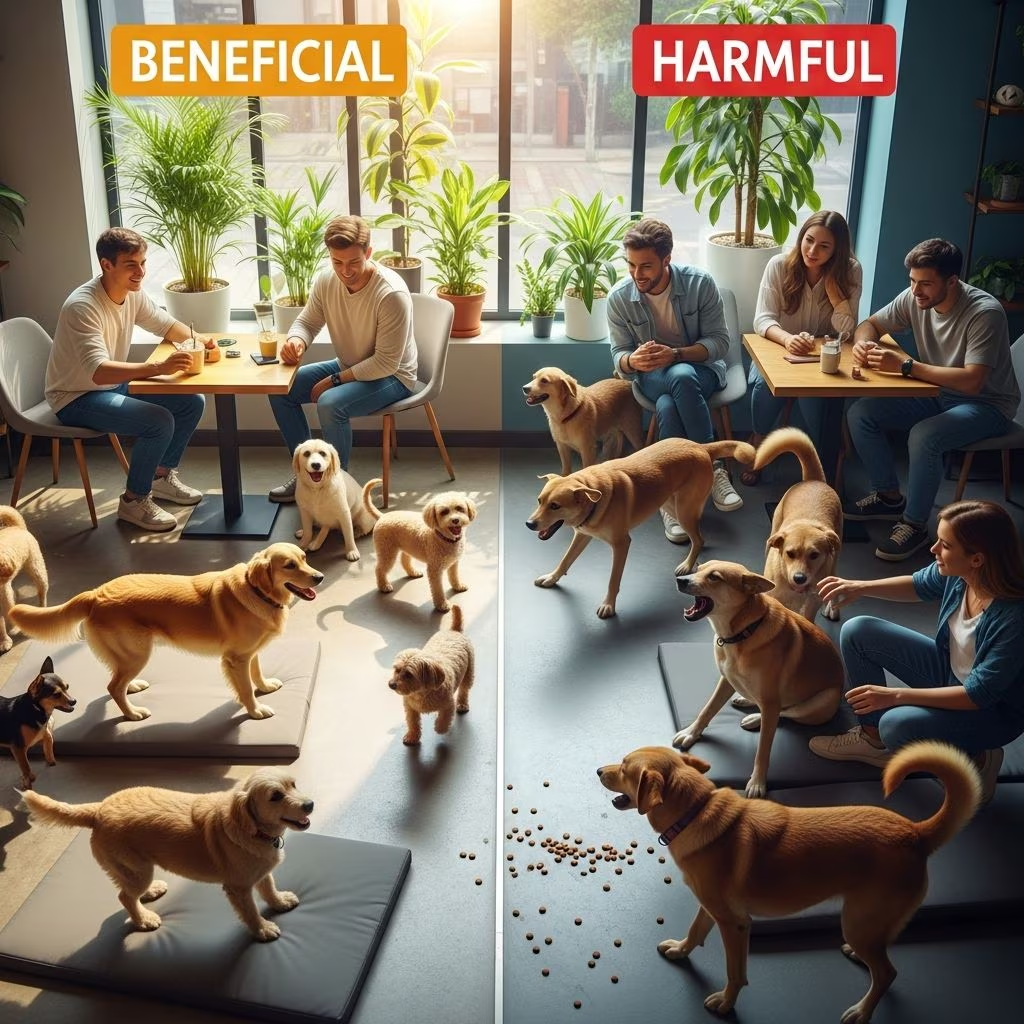
Dog cafes have surged in popularity as welcoming spots where pet lovers can sip coffee while mingling with friendly canines. Originating from innovative concepts in Asia, these venues blend hospitality with animal companionship, drawing crowds eager for therapeutic interactions. Yet, beneath the surface charm lies a critical question: do these establishments genuinely support dog health and happiness, or do they prioritize human enjoyment at the animals’ expense?
The Allure and Origins of Dog Cafes
These unique cafes emerged as a response to urban living constraints, where many people crave pet interactions without the commitment of ownership. Visitors typically pay an entry fee to spend time petting dogs, often sourced from rescues, while enjoying beverages and snacks. Proponents argue this setup aids adoption efforts by fostering bonds between potential owners and shelter dogs.
In well-managed spots, dogs receive treats, playtime, and attention, creating a vibrant social hub. Some cafes even allow owners to bring their own pets, promoting off-leash socialization in a controlled environment. This model appeals to dog enthusiasts seeking community and convenience, especially in bustling cities.
Potential Upsides for Dogs in Cafe Settings
- Socialization Opportunities: Regular exposure to diverse people and dogs can enhance a pup’s confidence, reducing fear-based behaviors in unfamiliar situations.
- Adoption Boost: Rescue-focused cafes facilitate meetings that lead to forever homes, giving shelter dogs vital visibility.
- Enrichment and Exercise: Play sessions and mental stimulation from guest interactions combat boredom common in kennel life.
- Human Bonding: Positive petting and affection release endorphins, improving mood and stress levels for the animals.
High-quality cafes enforce rules like limited guest numbers and quiet zones, ensuring dogs aren’t overwhelmed. Staff trained in behavior can monitor play, intervening to prevent escalation.
Hidden Stressors Impacting Canine Well-Being
Despite good intentions, many dog cafes inadvertently create high-pressure environments. Constant handling by strangers disrupts natural rest cycles, leading to chronic anxiety. Dogs, as social yet territorial creatures, may signal discomfort through subtle cues like lip-licking or yawning—signs often missed by untrained visitors.
Overcrowding exacerbates issues: in tight spaces, escape becomes impossible, heightening tension during unwanted greetings. Unfamiliar scents, noises, and pokes accumulate, potentially sparking reactivity or shutdown responses where dogs withdraw entirely.
Health Hazards Lurking in Playful Spaces
Sanitary lapses pose serious risks. Without rigorous cleaning between interactions, pathogens spread via fur, paws, and saliva. Guests eating near roaming dogs invite contamination, while unlimited treats from well-meaning patrons cause obesity and digestive upset.
| Risk Factor | Impact on Dogs | Visitor Contribution |
|---|---|---|
| Unlimited Treats | Obesity, GI issues | Feeding without limits |
| Poor Hygiene | Infections, parasites | No handwashing enforcement |
| Forced Handling | Stress bites, injuries | Ignoring body language |
| Noise/Chaos | Anxiety, exhaustion | Loud groups, flashing phones |
Breed-specific vulnerabilities amplify dangers; small dogs risk trampling, while large ones face bite incidents amid rough play.
Ethical Dilemmas in the Dog Cafe Boom
Critics liken poorly run cafes to roadside attractions, where profit trumps welfare. Animals endure endless photo ops and teasing, eroding trust in humans. Even “ethical” venues struggle with scalability—balancing customer throughput against dog downtime proves challenging.
Rescue integrations sound noble but falter: transient faces confuse dogs, undoing habituation progress. Bringing personal pets introduces variables like poor socialization, turning visits into conflict zones.
Spotting a Responsible Dog Cafe
Not all cafes fall short. Responsible ones prioritize canine needs with these hallmarks:
- Spacious layouts with retreat areas and separate nap zones.
- On-site behaviorists or certified trainers overseeing dynamics.
- Strict hygiene protocols, including sanitizers and vet checkups.
- Clear rules: no chasing, limited treats, respect for signals.
- Transparency on dog origins, health records, and rest schedules.
Observe staff engagement—if they’re proactive rather than passive, it’s a green flag. Capacity caps prevent overload, ensuring quality over quantity.
Alternatives to Traditional Dog Cafes
For safer socialization, consider:
- Controlled Playgroups: Trainer-led sessions in parks match compatible dogs.
- Doggy Daycares: Structured environments with nap times and supervision.
- Private Meetups: Apps connect owners for one-on-one playdates.
- Adoption Events: Shelter-hosted without cafe distractions.
These options minimize risks while maximizing benefits, tailored to individual temperaments.
Expert Insights on Canine Social Needs
Behavior specialists stress that dogs thrive on predictability. Cafe novelty wears thin quickly; repeated stress erodes resilience. Quality interactions—calm, consensual—outweigh quantity. Owners should assess their dog’s baseline: confident extroverts may cope, but shy or reactive pups need gentler introductions.
FAQs: Dog Cafes Uncovered
Are dog cafes stressful for all dogs?
No, but most experience elevated cortisol from unpredictability. Well-socialized dogs tolerate better, yet welfare experts advise caution.
How can I tell if a cafe is ethical?
Look for professional oversight, space provisions, and health transparency. Visit off-peak to gauge true operations.
Should I bring my own dog to a cafe?
Only if highly socialized and vaccinated. Monitor closely; unfamiliar dogs can trigger defenses.
Do dog cafes help with adoptions?
Some do, by building familiarity. However, stress may hinder accurate behavior assessments.
What are signs my dog is unhappy at a cafe?
Whale eye, tucked tail, stiff posture, growling, or hiding—remove immediately.
Navigating Dog Cafes Responsibly
If visiting, prioritize your dog’s cues over fun. Short sessions prevent fatigue; bring familiar toys for comfort. Support ethical spots by providing feedback—advocate for improvements. Ultimately, true enrichment stems from home routines: walks, training, and quiet cuddles often surpass cafe novelty.
Dog cafes embody good intentions amid a pet-loving culture, yet execution varies wildly. By weighing benefits against welfare pitfalls, owners can decide informedly, fostering spaces where tails wag authentically.
References
- Are Pet Cafés Ethical? What You Should Know Before Visiting One — Spanish Nomad. 2023-05-15. https://spanishnomad.com/should-you-visit-a-pet-cafe/
- Dog cafes: For dogs or for humans? — Dog Behaviorist. 2024-02-10. https://dog-behaviorist.be/dog-cafes-for-dogs-or-for-humans/
- Are Dog Cafes Good for Dogs? What to Know Before You Go — Dogster. 2024-08-22. https://www.dogster.com/lifestyle/are-dog-cafes-good-for-dogs
- Opinion: Exotic animal cafés come with a major disadvantage — LA Times High School. 2023-11-03. https://highschool.latimes.com/uncategorized/opinion-exotic-animal-cafes-come-with-a-major-disadvantage/
- Why We Should Stop Supporting Pet Cafes — Lemon8. 2024-06-12. https://www.lemon8-app.com/@znxnsjsjx/7480866242421703189?region=sg
- Dog Cafes — DoggieLawn. 2024-01-28. https://doggielawn.com/blogs/blog/cafes



