

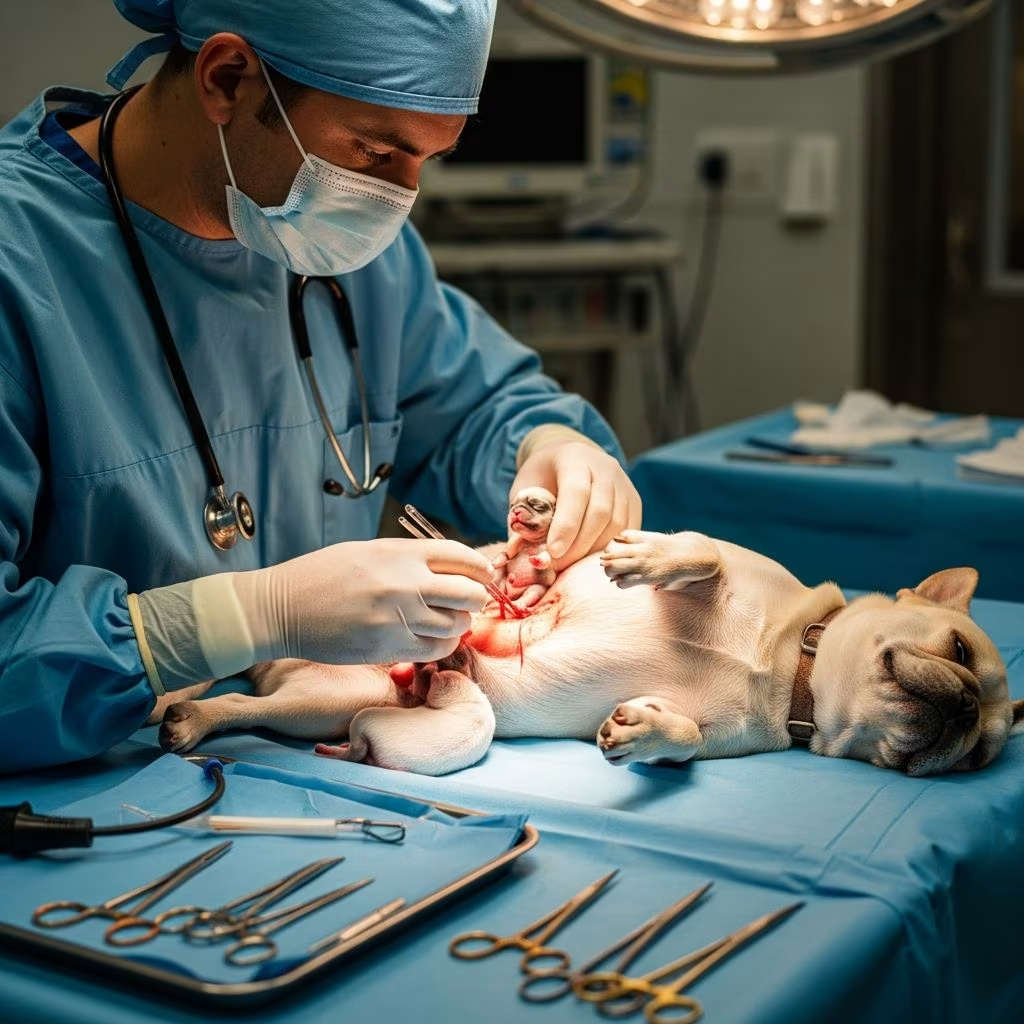
Canine cesarean sections, commonly known as C-sections, represent a critical intervention in veterinary medicine to deliver puppies when natural birth proves impossible or dangerous. These procedures can be elective or emergent, often determining the survival of both the mother dog and her litter. Understanding the process empowers pet owners to make informed decisions during pregnancy complications.
Understanding Dystocia: The Primary Trigger for C-Sections
Dystocia, or difficult labor, occurs when puppies cannot pass through the birth canal due to factors like oversized fetuses, maternal pelvic issues, or uterine inertia. Breeds with large heads, such as Bulldogs or Pugs, face higher risks. Vets assess via radiographs or ultrasounds to confirm if fetal skulls exceed pelvic dimensions.
Scheduled C-sections suit dams with prior dystocia histories or evident anatomical mismatches, typically timed 61-65 days post-ovulation—around 24 hours before expected whelping. Emergency cases demand immediate action to prevent fetal distress or maternal exhaustion.
Pre-Surgical Preparation and Patient Stabilization
Before surgery, veterinarians stabilize the dam with IV fluids, oxygen, and medications to enhance uterine contractions or counter opioid effects on fetuses. Pre-op exams include X-rays for puppy positioning and counts, plus abdominal clipping and aseptic preparation.
Anesthesia balances maternal safety with minimal fetal impact. General anesthesia via intubation delivers oxygen and gases, often supplemented by epidurals numbing the caudal body or line blocks with 2% lidocaine along the ventral midline to cut inhalant needs. Antibiotics prevent infection, administered prophylactically.
Detailed Surgical Technique: Step-by-Step Breakdown
The surgery prioritizes speed to limit fetal anesthesia exposure. The dog lies in dorsal recumbency, secured, with a ventral midline incision from umbilicus to pubis pubis edge. Elevate linea alba before incising to safeguard the uterus below.
| Step | Description | Key Considerations |
|---|---|---|
| 1. Abdominal Entry | Ventral midline laparotomy; exteriorize one uterine horn and body gently. | Avoid uterine rupture; use lidocaine on ovarian ligaments for relaxation. |
| 2. Uterine Incision | Puncture horn at greater curvature between placentas; extend with blunt scissors. | Minimize vascular damage; allows multiple puppy extraction. |
| 3. Puppy Removal | Hand pups with sacs/placentas intact to assistants; leave placentas in situ initially. | Prevents anoxia; detach post-delivery. |
| 4. Uterine Closure | Suture uterus; administer oxytocin (1-5 units IM/IV) for contraction. | Option for ovariohysterectomy to prevent future issues. |
| 5. Abdominal Closure | Three-layer routine: rectus sheath, subcutis, subcuticular skin (Monocryl preferred). | Reduces irritation for mom/pups; no external sutures. |
Entire procedure lasts 1-2 hours, with anesthesia ramped up post-puppy removal.
Neonatal Resuscitation: Ensuring Puppy Viability
Puppies arrive with amniotic sacs and placentas. Assistants rupture sacs, clamp and sever umbilici with hemostats, then vigorously rub to dry and stimulate respiration. Suction nares with bulb syringes clears fluids.
- Breathing Support: Flow-by oxygen for cyanosis; doxapram (1 drop SL) if HR <180 bpm.
- Opioid Reversal: Naloxone drop SL if dam received opioids.
- Advanced Measures: Epinephrine SL for persistent apnea.
- Post-Stabilization: Ligate umbilicus, disinfect with povidone-iodine, check for defects (cleft palate, hernias), incubate at 90-95°F.
Ideal: One handler per pup for optimal resuscitation rates.
Immediate Post-Operative Care for the Dam
Monitor for hemorrhage, pain, or infection. Pain management includes opioids post-delivery, NSAIDs if kidneys stable. Oxytocin aids uterine involution; observe lactation onset within hours.
Prevent hypothermia with warming blankets. Incision care involves E-collars to deter licking. Appetite returns in 24-48 hours; offer small, bland meals initially.
Long-Term Recovery and Monitoring
Discharge typically 2-3 days post-op. Home care mandates:
- Quiet environment; limit activity 10-14 days.
- Stitch checks at 10-14 days; monitor for dehiscence.
- Puppy nursing every 2 hours initially; supplement weak ones.
- Watch for metritis (foul discharge), mastitis, or agalactia.
Full recovery spans 4-6 weeks. Spaying during C-section eliminates future dystocia risks.
Financial Considerations: What to Expect Cost-Wise
Elective C-sections range $974-$2,226; emergencies escalate with diagnostics, overnight care. Factors: clinic location, litter size, complications, spay add-on. Pet insurance often covers 70-90%.
Breeds at Heightened Risk and Prevention Strategies
Brachycephalics (e.g., Boston Terriers), toy breeds, giants prone due to conformation. Prophylactic planning via breeding records, fetal monitoring. Elective timing via ovulation tracking optimizes outcomes.
Frequently Asked Questions (FAQs)
Can my dog go home the same day after a C-section?
Usually not; overnight monitoring ensures stability, especially for pain control and puppy nursing.
Will a C-section affect future pregnancies?
Scar tissue risks uterine rupture; many vets recommend spaying during procedure.
How soon can puppies nurse post-C-section?
Within 1-2 hours if dam alert; colostrum vital first 24 hours.
What if not all placentas pass after surgery?
Vets remove them intra-op; retained ones risk infection.
Is general anesthesia safe for pregnant dogs?
Yes, with protocols minimizing fetal depression; locals/epidurals adjunct.
Choosing the Right Veterinary Team
Seek 24/7 emergency facilities with neonatal expertise. Board-certified surgeons boost success; prep with questions on protocols, puppy survival stats. Early dystocia signs warrant prompt calls.
In summary, dog C-sections blend precision surgery, rapid resuscitation, and diligent aftercare to safeguard litters. Proactive breeding and vigilant owners minimize needs, but when required, these interventions save countless lives.
References
- Cesarean section in dogs: indications, techniques — DVM360. Accessed 2026. https://www.dvm360.com/view/cesarean-section-dogs-indications-techniques
- Dog C-Section: What the Procedure Is and How To Prepare Your Dog — PetMD. Accessed 2026. https://www.petmd.com/dog/procedure/dog-c-section
- How to Perform Cesarean Sections in Dogs: Step-by-Step Guide — Clinician’s Brief. Accessed 2026. https://www.cliniciansbrief.com/article/cesarean-section-dog
- How Much Does a C-Section for Dogs Cost? — CareCredit. Accessed 2026. https://www.carecredit.com/well-u/pet-care/dog-c-section-cost/
- Caesarean Sections in Dogs – Post-Operative Instructions — VCA Animal Hospitals. Accessed 2026. https://vcahospitals.com/know-your-pet/caesarean-sections-in-dogs-post-operative-instructions



