

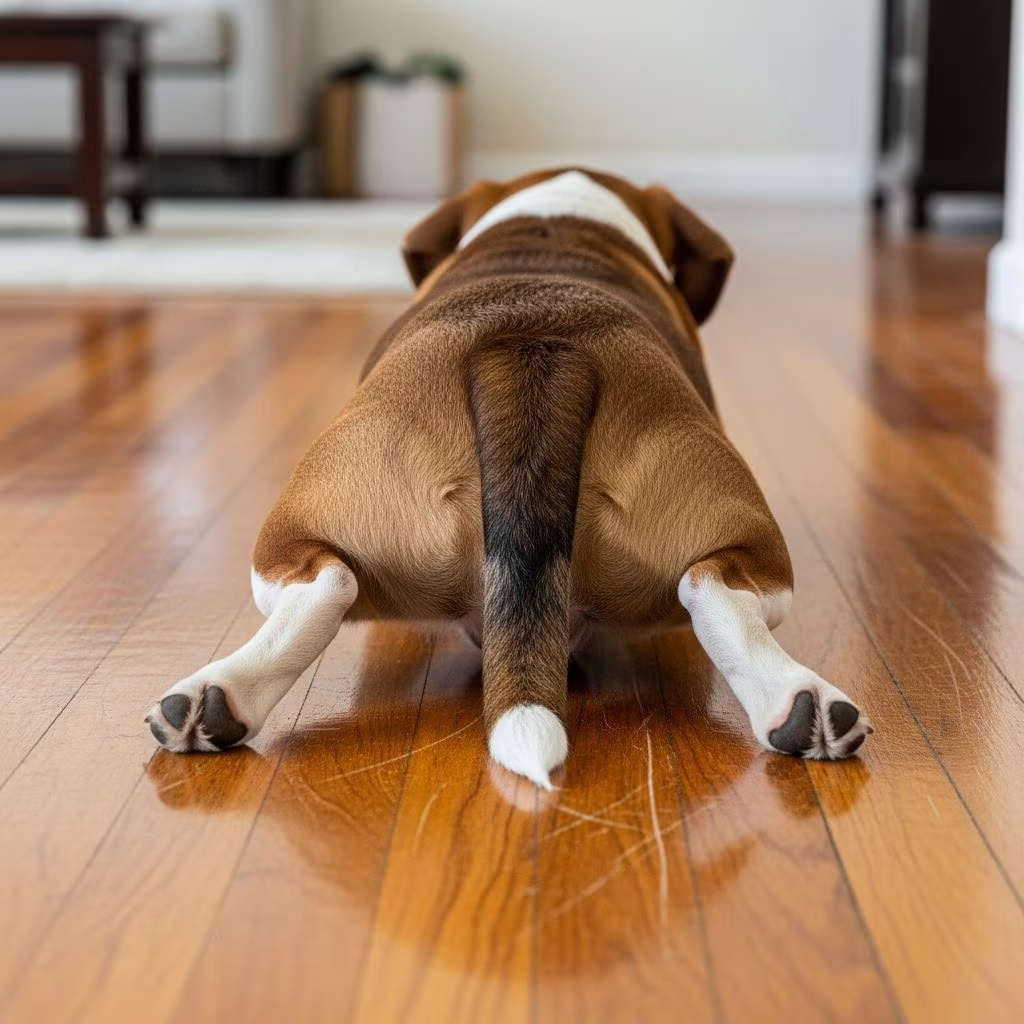
Dogs often scoot their butts across floors or grass to relieve discomfort in the anal area. This behavior signals underlying issues like blocked glands or irritations that require prompt attention to prevent worsening.
Understanding the Scooting Behavior
Scooting happens when a dog positions its hind end low and drags it along surfaces, typically while facing forward. It’s a natural response to anal or rectal irritation, often paired with signs like excessive licking, tail chasing, or odor from the rear. Owners notice this most in smaller breeds or after bowel movements, as it stems from instincts to self-soothe pain or itchiness.
Recognizing patterns helps: occasional scooting might tie to temporary fullness in glands, while frequent episodes suggest chronic problems. Monitoring frequency, duration, and accompanying symptoms provides clues for vets.
Primary Culprits Behind Butt Dragging
Several conditions trigger this habit. Identifying the root involves observing symptoms and consulting professionals.
Anal Gland Dysfunction
The most frequent cause involves anal sacs—small pouches flanking the anus that release fluid during defecation for scent marking. When these sacs fail to empty, they swell, leak, or infect, creating pressure and itch. Small breeds like Chihuahuas or Dachshunds are prone due to weaker musculature.
Symptoms include fishy smells, swelling, licking, or scooting post-pooping. Untreated, sacs can abscess, requiring surgery.
Parasitic Infestations
Intestinal worms, especially tapeworms, irritate the rectal area. Tapeworm segments resemble rice grains near the anus or in stool, crawling or drying out to provoke dragging. Other parasites like hookworms or whipworms inflame tissues similarly.
Puppies and dogs on raw diets face higher risks. Fecal exams confirm presence; dewormers resolve most cases.
Allergic Reactions and Skin Issues
Allergies to food proteins, pollen, or fleas cause itchy skin around the anus. Food sensitivities lead to loose stools and rear inflammation, while environmental triggers redden skin.
Fleas deposit saliva that sparks dermatitis; check for black specks (flea dirt). Bacterial or yeast overgrowth from allergies worsens scooting.
Dietary and Digestive Problems
Constipation from low-fiber diets hardens stool, trapping it and causing rectal strain. Impacted feces mimic gland pain, prompting drags. Diarrhea from poor nutrition irritates similarly.
Hemorrhoids or anal fissures—tears from hard stools—add sharp pain, rare but serious in chronic cases.
Step-by-Step Home Assessment
Before vet visits, safely inspect your dog. Calm them with treats, lift the tail gently, and note abnormalities without forcing expression.
- Visual Check: Look for redness, swelling, discharge, or rice-like segments.
- Odor Test: Sniff for foul, fishy smells indicating gland leaks.
- Stool Review: Examine feces for worms, mucus, or blood.
- Fur Inspection: Part hair for mats, debris, or fleas in long-coated breeds.
Avoid DIY gland squeezing; improper technique risks injury. If clean externally, internal issues like constipation likely prevail.
Professional Diagnosis and Treatments
Vets perform physical exams, anal expression, fecal tests, and sometimes imaging. Treatments vary by cause:
| Issue | Treatment Options | Expected Outcome |
|---|---|---|
| Anal Glands | Manual expression, antibiotics, fiber supplements, flushing under anesthesia | Relief in days; prevents recurrence |
| Parasites | Dewormers (e.g., praziquantel for tapeworms), follow-up fecals | Clearance in 1-2 weeks |
| Allergies | Hypoallergenic diets, antihistamines, flea preventives, medicated shampoos | Symptom reduction in 4-6 weeks |
| Constipation | Dietary fiber increase, laxatives, enemas if severe | Normalized bowels quickly |
For abscesses, surgical drainage occurs. Chronic cases may need gland removal. Always follow prescribed regimens.
Preventive Strategies for Long-Term Relief
Proactive care minimizes episodes:
- Diet Optimization: High-fiber foods (pumpkin, sweet potatoes) promote natural gland emptying and soft stools.
- Parasite Control: Monthly preventives and annual fecals catch issues early.
- Grooming Routine: Regular baths, flea checks, and trims prevent mats.
- Exercise Boost: Daily walks aid digestion and gland function.
- Weight Management: Obesity stresses glands; maintain ideal BMI.
Schedule bi-annual vet checkups for expression in prone breeds.
When to Seek Urgent Veterinary Care
Act immediately if scooting pairs with:
- Blood in stool or prolapse (tissue protrusion).
- Refusal to eat, lethargy, or vomiting.
- Intense swelling, pus, or fever.
- Persistent dragging despite home care.
These signal emergencies like infections or obstructions.
Common Myths About Dog Scooting
- Myth: It’s Just ‘Marking Territory.’ No, scooting relieves pain, not scenting.
- Myth: Home Remedies Always Work. Pumpkin helps mildly, but ignores infections.
- Myth: Only Small Dogs Affected. All breeds possible; large ones underreported.
FAQs
Why does my dog scoot after pooping?
Post-defecation scooting often means incomplete gland emptying or residual irritation.
Can I express anal glands at home?
Not recommended without training; vets do it safely to avoid trauma.
How long before scooting resolves?
With treatment, 1-7 days typically; allergies take longer.
Does diet change fix scooting?
Fiber-rich diets aid 30-50% of cases by improving evacuation.
Is scooting dangerous?
Not alone, but untreated leads to abscesses or chronic pain.
References
- What To Do When Your Dog is Dragging Their Butt — VoVets. 2023. https://vovets.com/blog/dog-dragging-butt/
- Why Dogs Scoot Their Butt Across the Floor — Harlingen Veterinary Clinic. 2023. https://harlingenveterinaryclinic.com/blog/why-dogs-scoot-their-butt-across-the-floor/
- Why Do Dogs Scoot Their Butts? — Best Friends Vet. 2023. https://bestfriendsvet.org/blog/why-dogs-scoot-their-butts/
- Why Is My Dog Scooting? — Midland Animal Hospital. 2023. https://midlandah.com/blog/why-is-my-dog-scooting-midland-animal-hospital/
- Why Is My Dog Dragging Its Bottom? — WebMD Pets. 2024. https://www.webmd.com/pets/dogs/dog-dragging-bottom
- Why is My Dog Scooting Their Butt on the Floor? — Bottle Tree Animal Hospital. 2023. https://bottletreeanimalhospital.com/blog/dog-scooting-butt-on-floor/



