

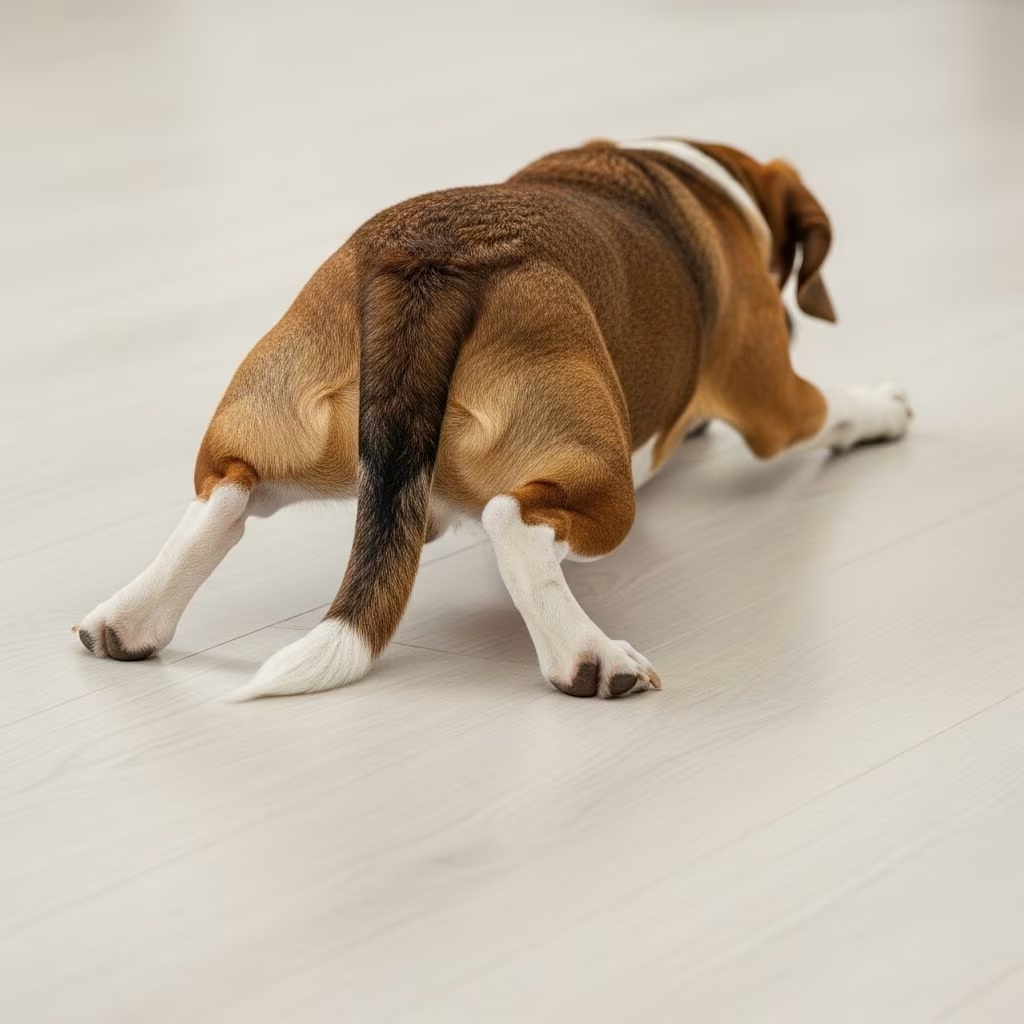
Dogs often drag their rear ends across floors or grass in a motion known as scooting, signaling underlying discomfort around the anus or rectum. This behavior typically stems from irritation, pressure, or inflammation that prompts instinctive relief attempts.
Understanding the Scooting Instinct
Scooting serves as a dog’s way to scratch an itch, ease pressure, or dislodge irritants from the anal region. While occasional episodes might pass unnoticed, frequent or intense scooting warrants attention to prevent escalation into serious conditions like infections or abscesses.
The anal area houses sensitive structures, including glands that naturally express during defecation. Disruptions in this process lead to buildup, causing pain that manifests as scooting. Recognizing patterns—such as timing after bowel movements or alongside licking—helps pinpoint triggers.
Primary Culprits Behind Butt Dragging
Several factors contribute to this habit, ranging from glandular malfunctions to parasitic invasions. Identifying the root cause through observation and veterinary input ensures targeted treatment.
Impacted or Infected Anal Glands
Anal glands, positioned at 4 and 8 o’clock around the anus, produce a pungent fluid for scent marking. They should empty naturally with firm stools, but issues arise when soft stools, allergies, or anatomical factors prevent expression.
- Blockage signs: Fishy odor, swelling, excessive rear licking, difficulty sitting.
- Risk factors: Small breeds, obesity, recurrent diarrhea reduce gland-emptying efficiency.
- Complications: Untreated impaction leads to abscesses requiring drainage and antibiotics.
Veterinarians manually express these glands during exams, offering immediate relief. Recurrent cases may need dietary fiber boosts or surgical options.
Intestinal Parasites Causing Anal Itch
Worms like tapeworms and roundworms irritate the rectum as they exit, prompting scooting. Tapeworm proglottids resemble rice grains near the anus or in feces, while roundworms cause bloating and diarrhea.
| Parasite Type | Key Symptoms | Detection Method |
|---|---|---|
| Tapeworms | Rice-like segments, scooting, flea presence | Fecal exam, visual check |
| Roundworms | Pot-bellied appearance, vomiting worms, weight loss | Stool analysis |
| Hookworms | Bloody stool, anemia, weakness | Fecal flotation test |
Monthly preventatives covering heartworm also target these parasites, emphasizing flea control as tapeworms spread via infected fleas.
Allergies and Skin Irritations
Food or environmental allergens inflame anal skin, mimicking glandular discomfort. Flea allergies amplify itching, while seasonal pollen triggers flare-ups.
- Check for redness, rashes, or hot spots around the tail base.
- Hypoallergenic diets or antihistamines often resolve reactions.
- Combined symptoms like paw chewing confirm broader allergy profiles.
Skin scrapes or elimination trials by vets confirm diagnoses, preventing misattribution to glands.
Less Common but Serious Triggers
Digestive Imbalances: Diarrhea and Constipation
Loose stools fail to squeeze glands, leading to impaction, while hard stools strain the rectum, irritating tissues. Both cause secondary scooting.
Monitor stool consistency; persistent issues signal dietary tweaks or deeper GI problems like infections.
Rectal Prolapse and Growths
Prolapse involves rectal tissue protrusion, often from severe straining, demanding emergency care. Tumors or polyps mechanically irritate, causing persistent dragging.
Visible red tissue or blood merits immediate vet visits for reduction or biopsy.
Foreign Objects and Trauma
Grass awns or matted fur snag the area, inciting scooting. Grooming checks prevent such simple fixes from worsening.
Step-by-Step Home Assessment Guide
- Observe frequency: Single incidents may self-resolve; daily patterns need action.
- Inspect visually: Part fur for swelling, discharge, parasites, or wounds—avoid forcing if painful.
- Check stool: Note firmness, blood, or worm segments; collect fresh sample for vet.
- Smell test: Strong fishy scent points to glands.
- Rule out fleas: Comb rear for evidence.
These steps empower owners but never substitute professional exams.
Veterinary Interventions and Treatments
Post-diagnosis, treatments vary:
- Gland expression: Quick manual procedure, sometimes under sedation.
- Antibiotics: For infections or abscesses.
- Dewormers: Oral meds clear parasites effectively.
- Anti-inflammatories: Soothe allergy-induced itch.
- Surgery: Rare for gland removal in chronic cases.
Follow-up ensures resolution, with fiber supplements like pumpkin aiding natural expression.
Prevention Strategies for a Scoot-Free Life
Proactive care minimizes recurrence:
- Diet optimization: High-fiber foods promote firm stools.
- Weight management: Reduces gland strain in overweight dogs.
- Parasite prevention: Year-round meds protect against worms and fleas.
- Regular grooming: Trims matted fur, spots issues early.
- Breed awareness: Toy breeds benefit from routine vet checks.
Annual fecal and wellness exams catch subclinical problems.
When to Seek Urgent Veterinary Care
Rush to the vet if scooting pairs with:
- Blood or prolapse.
- Refusal to eat or severe lethargy.
- Abscess rupture (pus, intense odor).
- Persistent symptoms post-home care.
Early intervention averts pain and costly procedures.
Frequently Asked Questions (FAQs)
Can I express my dog’s anal glands at home?
Not recommended without training; improper technique risks injury. Leave to professionals.
Is scooting always a health emergency?
No, but ignore at your peril—monitor and consult vets for anything beyond mild, isolated events.
How do fleas lead to butt dragging?
Fleas host tapeworm larvae; ingestion causes anal segment migration and itch.
Will diet changes stop scooting?
Possibly, if soft stools cause gland issues; vet-guided switches work best.
Do all dogs scoot equally?
Small breeds and those with allergies or recurrent problems scoot more.
Long-Term Management for Chronic Scooters
Dogs prone to issues benefit from tailored plans: prescription diets, probiotics for gut health, and scheduled expressions. Track episodes in a journal for pattern insights, sharing with vets.
Holistic aids like omega-3 supplements reduce inflammation, complementing meds.
References
- What To Do When Your Dog is Dragging Their Butt — VO Vets. 2023. https://vovets.com/blog/dog-dragging-butt/
- Why Dogs Scoot Their Butt Across the Floor — Harlingen Veterinary Clinic. 2024. https://harlingenveterinaryclinic.com/blog/why-dogs-scoot-their-butt-across-the-floor/
- Dog Scooting (Dragging) Butt on Floor: 7+ Reasons & Remedies — Sploot Vets. 2024. https://www.splootvets.com/post/dog-scooting-butt
- Why dogs scoot and allergies in dogs — Shelburne Veterinary Hospital. 2023. https://shelburneveterinaryhospital.com/question/my-dog-bites-her-front-paws-and-is-scooting-on-her-butt-should-i-contact-her-vet-about-these-allergy-symptoms/
- Why Is My Dog Dragging Its Bottom? — WebMD. 2024-01-15. https://www.webmd.com/pets/dogs/dog-dragging-bottom



