

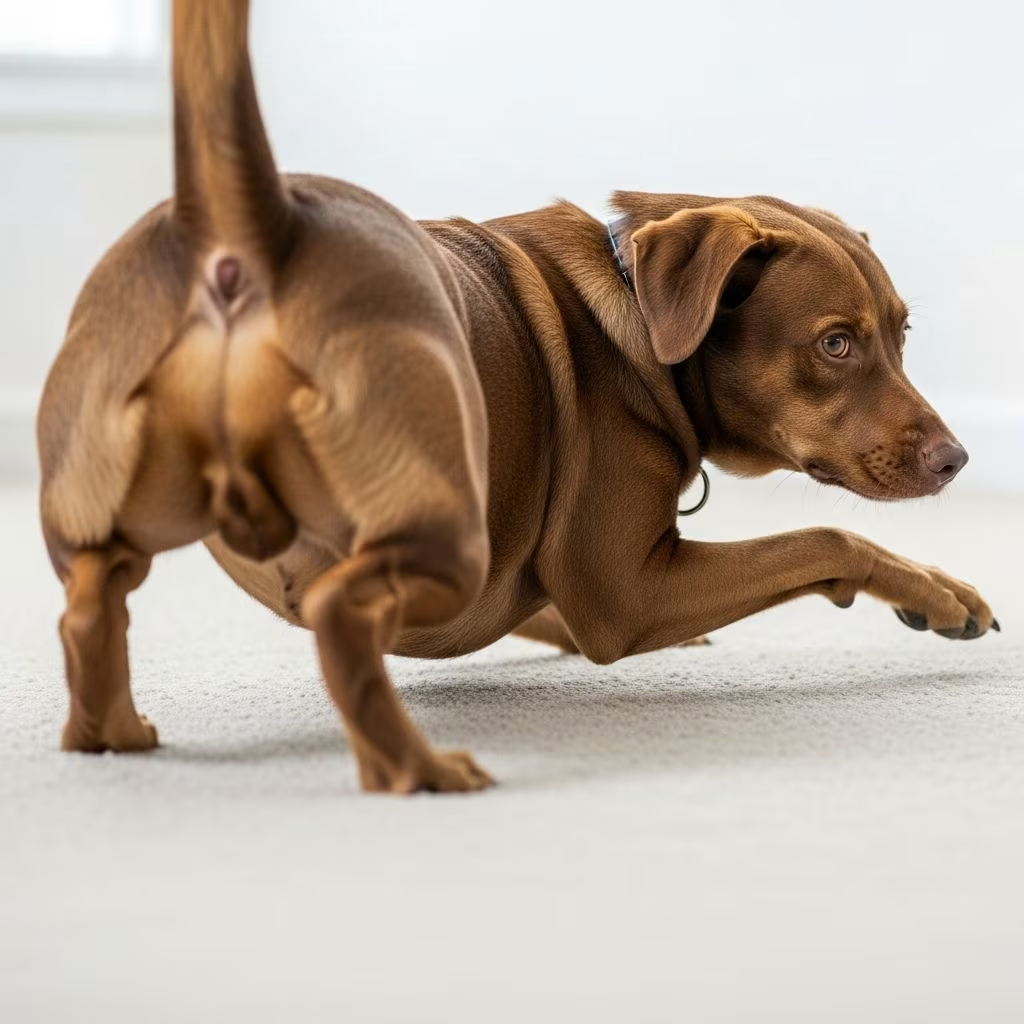
Dogs dragging their rear ends across floors or carpets is a common sight that often signals discomfort in the anal area. This behavior, known as scooting, typically stems from issues like blocked glands, parasites, or skin irritations. Understanding the root causes allows pet owners to address problems promptly, preventing escalation to infections or abscesses.
Understanding the Anatomy Behind Scooting
Dogs possess small sacs called anal glands on each side of the anus, which naturally express fluid during bowel movements to mark territory. When these glands fail to empty properly, fluid builds up, causing pressure, itchiness, or pain that prompts scooting. Factors like soft stools, obesity, or narrow ducts in small breeds exacerbate this issue.
Besides glands, the perianal region can suffer from external irritants or internal parasites, leading to similar behaviors. Recognizing these anatomical vulnerabilities is key to targeted care.
Primary Culprits: Impacted Anal Glands
Impacted or full anal glands top the list of scooting triggers. These pouches fill with thick, odorous secretion that should release naturally but often doesn’t, especially in dogs with chronic diarrhea or low muscle tone.
- Fishy or foul smell from the rear
- Swelling or redness near the anus
- Excessive licking or biting at the area
- Difficulty sitting comfortably
Without intervention, impaction can lead to infection or abscesses, requiring antibiotics or drainage.
Parasitic Invaders Causing Itchiness
Intestinal worms like tapeworms irritate the anus as segments emerge, mimicking gland problems. Roundworms and hookworms cause inflammation through diarrhea or direct anal contact.
| Parasite Type | Symptoms Beyond Scooting | Treatment Approach |
|---|---|---|
| Tapeworms | Visible rice-like segments in stool or fur | Dewormers like praziquantel |
| Roundworms | Pot-bellied appearance, vomiting | Broad-spectrum preventatives |
| Hookworms | Bloody diarrhea, anemia | Fenbendazole or similar |
Monthly heartworm preventives often cover these, but fecal tests confirm presence.
Allergies and Skin Irritations
Environmental allergens, food sensitivities, or flea bites provoke itchy rashes around the hindquarters. Long-haired breeds trap debris, worsening contamination and bacterial growth.
- Flea allergies cause hot spots and scooting
- Food trials identify protein triggers
- Seasonal pollen affects sensitive skins
Cleaning the area with mild soap helps, but persistent cases need hypoallergenic diets or meds.
Dietary and Digestive Disruptors
Diarrhea from poor diet fails to express glands, while constipation strains the rectum, irritating tissues. High-fiber additions firm stools, promoting natural emptying.
Obese dogs face higher risks due to weak anal muscles. Weight management through balanced feeding prevents recurrence.
Less Common but Serious Triggers
Bacterial or fungal infections, matted fur, or tumors like perianal adenomas cause scooting. Abscesses from untreated impactions burst painfully, needing surgical lancing.
In rare cases, anal furunculosis—chronic ulcers—requires immunosuppressants or surgery.
Spotting the Warning Signs
Isolated scooting might resolve, but clusters demand attention:
- Odor, discharge, or blood
- Swollen glands on gentle palpation
- Lethargy, appetite loss, or pain vocalization
- Scooting frequency increases
These indicate progression beyond home remedies.
Veterinary Diagnosis: The Essential First Step
A vet exam involves digital expression of glands, fecal analysis, skin scrapes, and history review. In-house tests rule out parasites quickly.
For allergies, elimination diets or cytology pinpoint culprits. Imaging assesses abscesses or masses.
Treatment Strategies Tailored to the Cause
Gland Management
Manual expression relieves immediate pressure. Recurrent cases benefit from fiber supplements, stool softeners, or flushing under sedation.
Parasite Eradication
Prescription dewormers clear infestations. Follow-up fecals ensure completeness.
Allergy Control
Antihistamines, steroids, or apoquel curb itching. Medicated shampoos soothe skin.
Surgical Options
Chronic sufferers may undergo anal sacculectomy—gland removal—with low complication rates in skilled hands.
Home Care and Prevention Tips
Proactive steps reduce scooting episodes:
- Pumpkin puree (1-4 tbsp daily) adds fiber
- Regular grooming trims perianal fur
- Yearly parasite preventives
- Flea control year-round
- Epsom salt soaks for minor irritations
Monitor stool consistency; adjust diet for firmness without constipation.
When to Rush to the Vet
Seek immediate care for:
- Ruptured abscess (pus, fever)
- Bleeding or prolapse
- Refusal to eat or defecate
- Neurological signs like weakness
Early action averts emergencies.
FAQs on Dog Scooting
Is scooting always anal glands?
No, parasites, allergies, or infections contribute 30-40% of cases. Vets differentiate via exam.
Can I express glands at home?
Not recommended without training; improper technique risks injury. Leave to professionals.
How often should glands be checked?
Depends on history—monthly for prone dogs, annually otherwise.
Does breed matter?
Yes, small breeds like Chihuahuas and overweight dogs are predisposed.
Will diet alone fix it?
Fiber helps prevention but not active infections or abscesses.
Long-Term Wellness for Your Dog’s Rear
Integrate routine wellness exams, quality nutrition, and hygiene to minimize scooting. Track changes via a pet journal for vet discussions. Healthy weight and exercise bolster anal muscle tone, reducing gland issues naturally.
By addressing scooting swiftly, owners ensure their dogs enjoy pain-free play and rest.
References
- Why Does My Dog Scoot? — Compassion Animal Hospital. Accessed 2026. https://compassionanimalhospital.com/why-does-my-dog-scoot/
- Why is My Dog Scooting Their Butt? — VO Vets. Accessed 2026. https://vovets.com/blog/why-is-my-dog-scooting-their-butt/
- Why Is My Dog Scooting? — Midland Animal Hospital. Accessed 2026. https://midlandah.com/blog/why-is-my-dog-scooting-midland-animal-hospital/
- Dog Scooting (Dragging) Butt on Floor: 7+ Reasons & Remedies — Sploot Vets. Accessed 2026. https://www.splootvets.com/post/dog-scooting-butt
- Why Dogs Scoot Their Butt Across the Floor — Harlingen Veterinary Clinic. Accessed 2026. https://harlingenveterinaryclinic.com/blog/why-dogs-scoot-their-butt-across-the-floor/
- My Dog Is Scooting… — Animal Care Clinic. Accessed 2026. https://animalcarevets.com/my-dog-is-scooting/
- Butt Scooting: Sign of a Bigger Problem? — Maryland Veterinary Surgical Services. Accessed 2026. https://www.mdvss.com/blog/butt-scooting-sign-of-a-bigger-problem/



