

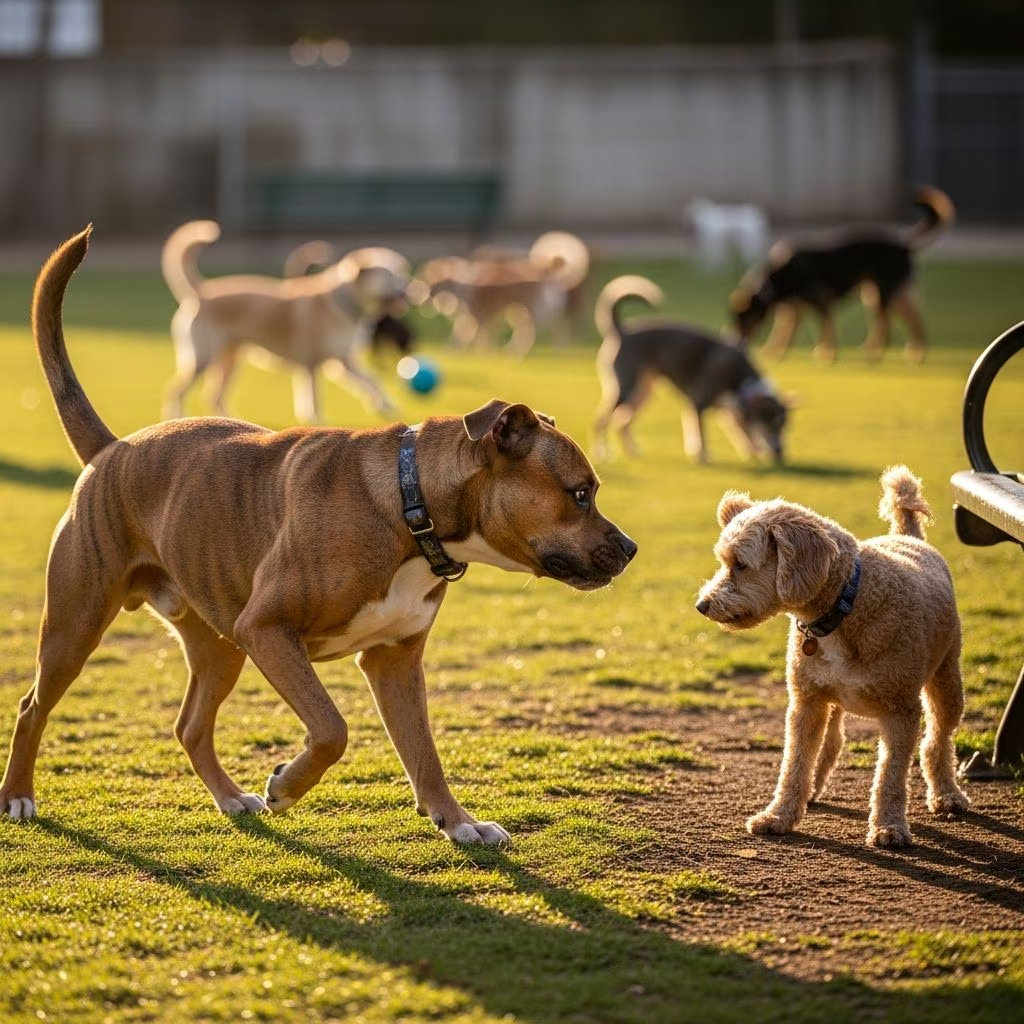
Is Your Dog Bullying Other Dogs? Here’s What To Do
Dog bullying is a common behavioral issue that many pet owners encounter when their dogs interact with other canines. Whether at dog parks, during playdates, or in multi-dog households, bullying behavior can range from mild pushiness to aggressive dominance. Understanding what constitutes bullying, why it happens, and how to address it is essential for maintaining safe and enjoyable social experiences for all dogs involved. This comprehensive guide explores the causes, intervention strategies, and prevention methods to help you manage and eliminate bullying behavior in your dog.
Understanding Dog Bullying Behavior
Dog bullying occurs when one dog consistently uses aggressive, intimidating, or overly rough play tactics against another dog, often targeting those perceived as weaker or more submissive. Unlike natural play behavior, which involves give-and-take dynamics where both dogs take turns being the pursuer or the one being chased, bullying is one-sided and doesn’t allow the targeted dog to reset or change the interaction pattern. Bullying can manifest as constant mounting, blocking access to resources, refusing to back off during play, or using intimidating body language to control the other dog.
Common Causes of Dog Bullying
Understanding the root causes of bullying behavior is crucial for effective intervention and prevention. Dogs don’t bully maliciously; typically, underlying factors drive this behavior.
Poor or Inadequate Socialization
One of the most significant causes of dog bullying is poor socialization during the critical developmental window. A dog’s socialization period occurs between 2 to 18 weeks of age, during which puppies learn how to interact appropriately with other dogs and how to read canine body language. Dogs that miss out on these crucial early experiences often fail to develop proper social skills and may resort to bullying as a way to assert dominance or test social boundaries. A lack of early socialization creates dogs that don’t understand appropriate play boundaries or how to interpret the signals other dogs send to indicate discomfort or a desire to disengage.
Opportunistic Behavior
Some dogs are naturally opportunistic and will target others they perceive as easy targets or vulnerable. This behavior often stems from recognizing that certain dogs won’t stand up for themselves or will appease the bully quickly. Once a dog realizes bullying works to get what it wants—whether that’s attention, resources, or simply stimulation—the behavior tends to repeat and strengthen over time.
Boredom and Lack of Exercise
Dogs with insufficient physical activity and mental stimulation often accumulate pent-up energy that manifests as rough or inappropriate play. When dogs don’t burn off excess energy through exercise and enrichment, they may channel that energy into bullying behaviors as an outlet for frustration and overstimulation.
Frustration
Just as humans express frustration through negative behaviors, dogs do the same. When a dog’s attempts at play aren’t reciprocated or when another dog doesn’t respond as expected, frustration can boil over into bullying behavior. This is particularly common in highly social or energetic dogs that don’t understand why others won’t engage at their preferred intensity level.
Overstimulation and Hyperarousal
Some dogs become overstimulated or over-aroused like hyperactive toddlers, losing all impulse control in the process. When a dog reaches this state of hyperarousal, they cannot regulate their behavior, leading to increasingly rough play that crosses the line into bullying. These dogs lack the ability to read social cues and adjust their behavior accordingly when overstimulated.
How to Stop Dog Bullying: Immediate Interventions
If you notice your dog bullying others, immediate intervention is necessary to prevent reinforcement of this behavior and to protect the other dog from harm.
1. Remove Them From the Situation
The most important and effective action you can take is to remove your dog from the situation immediately. As the owner of the bullying dog, it’s your responsibility to act as a social coach and intervene before inappropriate behavior escalates. Many owners mistakenly believe dogs will naturally work things out on their own, but this is not always true. Allowing bullying to continue sends a reinforcing message that this behavior is acceptable, making it more likely to occur again and potentially more aggressively the next time.
2. Look for Patterns and Triggers
If your dog frequently displays bullying behaviors, take time to assess what specific situations cause overstimulation or loss of control. By identifying patterns—such as bullying occurring in crowded dog parks, during specific times of day, or with particular dogs—you can make informed changes to prevent future incidents. For example, instead of visiting a busy dog park with dozens of dogs, arrange one-on-one playdates with dogs your pup knows and whose play styles match your dog’s intensity level.
3. Lead With Positive Reinforcement and Calm Intervention
Your first instinct might be to yell at or yank your dog away from the situation, but this approach can increase anxiety and overwhelm, actually making the situation worse. Instead, remain calm and work to de-escalate the situation. Positive reinforcement is far more effective than punishment-based approaches. The best intervention strategy includes:
– Remaining calm and composed to model the behavior you want to see
– Using a clear “no-reward marker” or marker word to mark the exact moment of inappropriate behavior
– Implementing a timeout to prevent reinforcement of bullying
– Praising and rewarding your dog when they respond to your commands and disengage from inappropriate play
Prevention Strategies: Building a Non-Bullying Dog
The best approach to dog bullying is prevention. By implementing proper strategies early in your dog’s life, you can help ensure they develop into a well-adjusted, socially appropriate dog.
1. Proper Socialization From an Early Age
Proper socialization is one of the most important preventive measures you can take. Expose your puppy to different people, dogs, and environments during the critical socialization window to help them develop proper social cues and understand appropriate interaction styles. This diverse exposure teaches puppies how to read body language, respond to other dogs’ signals, and adjust their behavior accordingly. While early socialization is ideal, it’s never too late to work on socialization with an older dog, though professional trainer assistance may be beneficial.
2. Teach Basic Commands and Obedience
Dogs that understand and reliably respond to basic commands like “sit,” “stay,” “come,” and “leave it” are much less likely to engage in bullying behavior. These commands give you the tools to intervene effectively and give your dog a moment to calm down. The ability to call your dog away from a situation ensures you can interrupt inappropriate behavior before it escalates. Consistent training builds impulse control and teaches your dog to respect boundaries.
3. Use Positive Reinforcement Consistently
Reward good behavior rather than punishing bad behavior. When your dog responds to your commands or plays well with other dogs, provide highly motivating rewards such as high-value treats or enthusiastic praise. Over time, this positive reinforcement helps discourage bullying because your dog learns that good behavior results in better outcomes. Consistency is key, and many owners benefit from working with a professional trainer to ensure proper technique.
4. Provide Regular Physical Activity and Mental Stimulation
Since bullying can stem from boredom or pent-up energy, ensuring your dog gets sufficient daily exercise is crucial. Regular walks, playtime, and interactive toys that provide mental stimulation help release excess energy before it manifests as bullying. Dogs that are physically tired and mentally satisfied are less likely to engage in inappropriate behaviors. Consider incorporating puzzle toys, training sessions, and varied exercise routines to keep your dog engaged and content.
5. Carefully Select Play Partners
Not all dogs are compatible playmates. Choose play partners whose energy levels, play styles, and temperaments match your dog’s. Pairing a high-energy bully with a shy or submissive dog is asking for trouble. Instead, look for dogs with similar play preferences—both should enjoy chase games, or both should enjoy wrestling, rather than one bullying the other into an uncomfortable situation.
Managing Bullying in Multi-Dog Households
In households with multiple dogs, managing bullying behavior requires strategic planning and consistent intervention. If bullying is an isolated incident, removing the dogs from the situation should suffice. However, if bullying is recurring, you may need to rethink playtime arrangements entirely. This might mean supervising all interactions closely, using physical barriers to separate dogs when you can’t supervise, or even limiting contact between certain dogs if their play styles are incompatible.
Consider implementing a “splitting” technique, where you quietly position your body between the bullying dog and the targeted dog to create a deflection and interrupt poor choices. Sometimes simply clearing your throat and giving the offending dog a pointed look is sufficient to interrupt bullying in progress. Marked and well-timed timeouts taught by professionals are valuable tools for managing bullying in shared households.
When To Seek Professional Help
If bullying behavior is severe, persistent, or if you’re struggling to implement effective interventions on your own, seeking help from a certified professional dog trainer or animal behaviorist is recommended. These professionals can assess your specific situation, identify underlying triggers, and develop a customized behavior modification plan. Professional guidance is especially valuable when working with older dogs or when bullying behavior has been reinforced over a long period.
Frequently Asked Questions
Q: What’s the difference between normal dog play and bullying?
A: Normal dog play involves give-and-take, where both dogs take turns being the chaser or the one being chased. Bullying is one-sided, with one dog consistently dominating while the other dog shows signs of discomfort, attempts to escape, or appeasement behaviors.
Q: Can an older dog stop bullying behavior?
A: Yes, older dogs can modify bullying behavior, especially with professional help. However, the longer the behavior has been reinforced, the more challenging modification becomes. Management strategies like selecting appropriate playmates become increasingly important.
Q: Is punishment effective for stopping dog bullying?
A: No, punishment is less effective than positive reinforcement and can actually worsen the situation by increasing anxiety and stress. Negative punishment (removing the rewarding aspect of play through timeouts) combined with positive reinforcement for appropriate behavior yields better results.
Q: How can I tell if my dog is being bullied?
A: Signs include constant appeasement behaviors, attempts to escape or hide, reluctance to engage in play, body tension, tucked tail, and pinned-back ears. If your dog consistently avoids interactions or seems stressed during playtime, bullying may be occurring.
Q: Should I always separate dogs that have bullying issues?
A: Not necessarily. If bullying is occasional or mild, supervised interaction with appropriate breaks can work. However, if a particular pairing consistently results in bullying, it’s best to limit or eliminate unsupervised contact between those specific dogs to prevent reinforcement and stress.
References
- Is Your Dog Bullying Other Dogs? Here’s What To Do — Chewy. 2024. https://www.chewy.com/education/dog/training-and-behavior/dog-bullying
- How to React to a Dog’s Bully Behavior — Whole Dog Journal. 2024. https://www.whole-dog-journal.com/behavior/how-to-react-to-a-dogs-bully-behavior/
- What to Do About a Dog That Bullies Other Dogs — PetMD. 2024. https://www.petmd.com/dog/behavior/what-do-about-dog-bullies-other-dogs
- My Dog is Bullying Other Dogs: What Should I Do? — Hill’s Pet Nutrition. 2024. https://www.hillspet.com/dog-care/behavior-appearance/dog-bullying-other-dogs



