

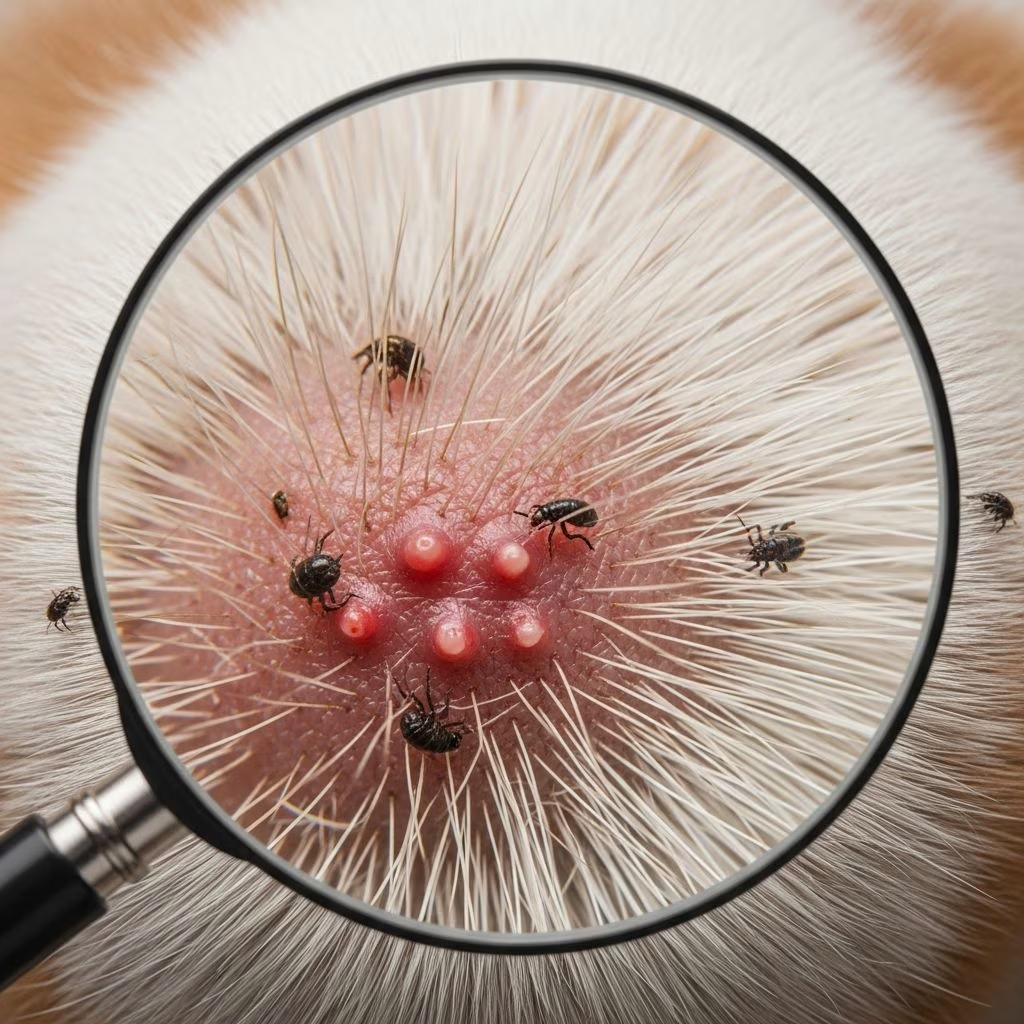
Insects pose a frequent hazard for dogs during outdoor activities, leading to bites that cause discomfort ranging from mild itching to severe health risks. Understanding the types of bug bites, their signs, and proper responses ensures your dog’s well-being. This guide explores common culprits, safe interventions, and proactive measures.
Understanding Why Dogs Attract Bugs
Dogs’ warm body temperature, scent, and movement draw insects like fleas, ticks, mosquitoes, bees, wasps, and spiders. Bites inject saliva or venom, triggering inflammation, allergic responses, or disease transmission. While most resolve naturally, vigilance prevents complications such as infections or anaphylaxis.
Key Signs of Bug Bites on Dogs
Observe your dog’s behavior and skin for these indicators:
- Redness and swelling: Raised, warm areas around the site indicate the body’s defense response.
- Itching or scratching: Excessive pawing or licking signals irritation.
- Puncture marks: Tiny holes from spiders or ticks may appear.
- Hives or bumps: Clustered red spots, especially with flea dirt (black specks).
- Pain responses: Whining, limping, or guarding the area.
Monitor for 24-48 hours; worsening symptoms warrant professional care.
Common Types of Insect Bites and Their Characteristics
Mosquito Bites
Mosquitoes target exposed skin like the belly or nose, causing firm, irregular bumps that itch rapidly. Dogs scratch immediately post-exposure, unlike slower-reacting bites. Rare severe cases involve allergic reactions.
Flea Infestations
Fleas leave clusters of small red bumps on paws, belly, or skin folds, often with a red halo and flea dirt. Intense chewing suggests flea allergy dermatitis. Check for live fleas via flea comb.
Tick Attachments
Ticks embed fully, appearing as swollen lumps. Remove promptly with tweezers to avoid diseases like Lyme (bullseye rash) or anaplasmosis. Symptoms include fever and lethargy.
Bee, Wasp, and Hornet Stings
Stings occur on face, paws, or mouth after disturbing nests, causing rapid swelling. Bees leave stingers; scrape out gently to limit venom.
Spider Encounters
Brown recluse or black widow bites develop slowly with pain, lesions, necrosis, or systemic signs like seizures. Seek immediate vet attention for suspected venomous spiders.
Mite and Chigger Issues
Mites cause crusty, itchy patches; chiggers form pimple-like lesions. Both require medicated baths and environmental cleaning.
| Bug Type | Appearance | Location | Severity |
|---|---|---|---|
| Mosquito | Firm bumps | Belly, nose | Mild itch |
| Flea | Red clusters + dirt | Paws, belly | Moderate allergy risk |
| Tick | Embedded lump | Anywhere | High disease risk |
| Bee/Wasp | Swollen puncture | Face, paws | Moderate swelling |
| Spider | Painful lesion | Legs, body | High venom risk |
Safe Home Treatments for Mild Bites
For non-severe cases, apply these remedies:
- Cold compress: Ice pack wrapped in cloth for 10 minutes reduces swelling.
- Baking soda paste: Mix with water; apply to neutralize venom.
- Oatmeal bath: Soothes multiple sites; use colloidal oatmeal shampoo.
- Benadryl: Consult vet for dosage (1mg/lb); avoids itching.
- Hydrocortisone cream: Thin layer for inflammation, vet-approved only.
Clean with pet-safe soap; prevent licking via cone collar.
When to Rush to the Vet
Emergency signs include:
- Swelling beyond bite site (face, throat).
- Vomiting, diarrhea, seizures.
- Difficulty breathing, collapse (anaphylaxis).
- Multiple stings or suspected venomous spider.
Vets may administer antihistamines, steroids, or antibiotics.
Prevention Strategies for Bug-Free Adventures
Proactive steps minimize risks:
- Topical preventives: Flea/tick collars, spot-ons monthly.
- Yard maintenance: Mow grass, remove standing water.
- Post-outing checks: Comb fur, inspect skin daily.
- Environmental control: Wash bedding, vacuum frequently.
- Natural repellents: Vet-safe essential oils (diluted).
Seasonal and Regional Considerations
Bug activity peaks in warm months; ticks thrive in wooded areas, mosquitoes near water. In tick-heavy regions, test for Lyme via Snap 4Dx if positive. Adjust preventives seasonally.
FAQs
Can dogs have allergic reactions to bug bites?
Yes, from mild hives to life-threatening anaphylaxis within 20 minutes.
How do I remove a tick safely?
Use fine tweezers at the head; pull steadily, disinfect.
Is Benadryl safe for all dogs?
Dosage-specific; consult vet, avoid in puppies or certain breeds.
What if my dog ate a bee?
Monitor for mouth swelling; ice helps, vet if airway issues.
Do indoor dogs get bug bites?
Yes, fleas/mites hitch rides inside; regular checks essential.
Long-Term Care After Bites
Post-treatment, watch for secondary infections (pus, heat). Maintain flea preventives year-round. Annual vet exams screen for tick diseases. Nutrition with omega-3s supports skin health.
References
- How to Identify and Treat Bug Bites on Dogs — Natural Dog Company. 2023. https://naturaldog.com/blogs/adventure-together/how-to-treat-bug-bites-on-dogs
- Common Bug Bites on Dogs: Signs, Prevention and Treatment — Hills Pet (Indonesia). 2023. https://www.hillspet.co.id/dog-care/routine-care/common-dog-bug-bites
- Insect bites and stings on dogs: how to ID and treat — ManyPets. 2024. https://manypets.com/us/blog/insect-bites-stings-on-dogs/
- Bug Bites on Dogs: Identification and Treatment — MetLife Pet Insurance. 2023. https://www.metlifepetinsurance.com/blog/pet-health/bug-bites-on-dogs/
- First Aid for Insect Stings in Dogs — VCA Animal Hospitals. 2024. https://vcahospitals.com/know-your-pet/first-aid-for-insect-stings-in-dogs
- 7 Common Bug Bites on Dogs — PetMD. 2023. https://www.petmd.com/dog/general-health/7-common-bug-bites-dogs



