

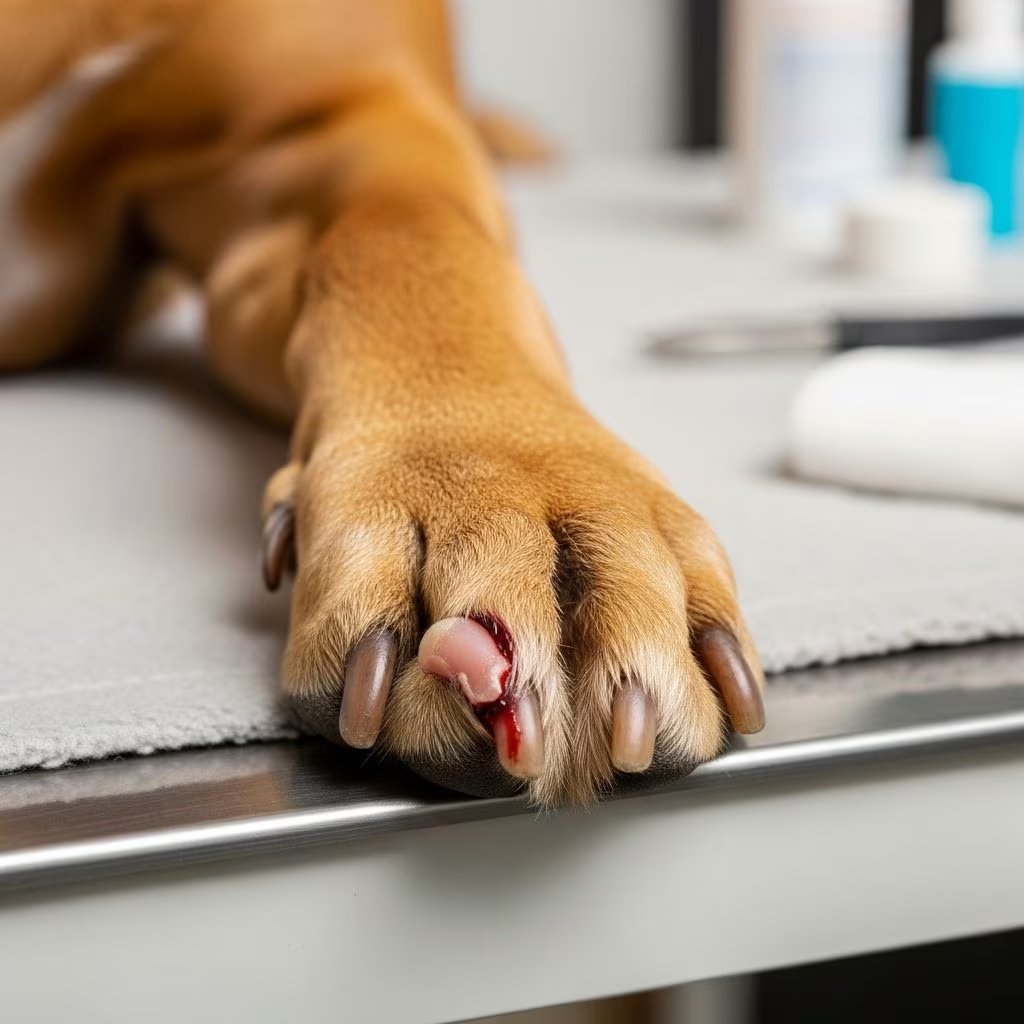
Broken toenails in dogs represent a frequent yet distressing problem that can lead to significant pain and potential complications if not managed properly. These injuries often result from everyday activities but require prompt attention to prevent infection or further damage.
Understanding the Anatomy of a Dog’s Toenail
Dog toenails consist of two primary layers: a tough outer shell made of keratin and an inner sensitive core known as the quick, which contains blood vessels and nerves. Damage to the outer layer exposes the quick, causing bleeding and acute discomfort because it connects directly to the bone, raising the risk of serious infections.
The keratin provides protection, but when fractured, it leaves the vascular quick vulnerable. Regular maintenance keeps nails at an appropriate length to avoid such exposures.
Primary Causes Behind Nail Breaks
Several factors contribute to toenail fractures in dogs, spanning accidental injuries to chronic health conditions.
- Traumatic Incidents: Nails commonly snag on carpets, rough terrain, or during vigorous play, leading to splits or full avulsions. Active dogs on concrete or trails face higher risks from wear and sudden impacts.
- Overlong Nails: Untrimmed nails curve and weaken, increasing breakage likelihood, especially if they press into paw pads. Home trims that cut too deep also damage the quick.
- Breed and Genetic Predispositions: Certain breeds exhibit inherently brittle nails or structural weaknesses, compounded by high activity levels.
- Environmental Hazards: Slippery floors cause slips, while abrasive surfaces erode nails over time.
- Medical Conditions: Fungal infections make nails brittle; rare disorders like lupoid onychodystrophy cause deformities and frequent breaks. Autoimmune issues or cancers can underlie repeated fragility.
Recognizing Symptoms of a Broken Toenail
Dogs may not vocalize pain immediately, so observe for subtle cues indicating a nail injury.
| Symptom | Description | Severity Indicator |
|---|---|---|
| Limping | Avoiding weight on affected paw | Moderate to severe |
| Excessive Licking | Constant attention to paw | Mild to moderate |
| Bleeding | Visible blood from nail | Urgent if persistent |
| Swelling/Redness | Inflammation around nail bed | Possible infection |
| Whining | Vocalizing during paw contact | Severe pain |
Persistent limping or licking signals the need for intervention, as untreated issues can escalate to bone infections.
Immediate First Aid Protocols
Act swiftly but calmly when discovering a broken nail to minimize trauma.
- Restrain Safely: Have a helper hold your dog to prevent further injury or biting.
- Control Bleeding: Apply firm pressure with a clean gauze or towel for 5-10 minutes. Use styptic powder, cornstarch paste, or flour if available to promote clotting.
- Clean Gently: Rinse with warm saline or water to remove debris, avoiding harsh chemicals.
- Protect the Area: Wrap loosely with non-stick gauze; do not remove dangling nail parts yourself.
- Prevent Licking: Use an e-collar if necessary to avoid contamination.
Avoid DIY nail removal, as it risks deeper damage. If bleeding persists beyond 15 minutes or pain intensifies, seek veterinary care immediately.
Professional Veterinary Interventions
Vets assess injury extent and provide targeted treatments to ensure healing.
- Examination and Pain Management: Sedation if needed, followed by injectable analgesics.
- Nail Management: Trimming or full removal of damaged portions to expose healthy tissue.
- Wound Care: Thorough cleaning with antiseptics like chlorhexidine, saline flushes, and bandaging.
- Medications: Antibiotics for infections, pain relievers, and anti-inflammatories.
- Advanced Cases: Diagnostics for underlying issues like fungal cultures or biopsies if recurrent.
Post-treatment, restrict activity and monitor for complications like abscesses.
Recovery Timeline and Home Care
Healing typically spans 7-14 days for minor breaks, longer for full avulsions. New nails regrow in 2-3 months.
- Change bandages daily, keeping them dry.
- Administer prescribed meds as directed.
- Limit walks to soft surfaces; use booties for protection.
- Inspect daily for pus, odor, or increased swelling—contact vet if present.
Full recovery demands patience, with gradual return to normal activity.
Preventive Strategies for Strong Nails
Proactive measures reduce recurrence risks significantly.
- Regular Trimming: Clip every 4-6 weeks, avoiding the quick. Seek professional groomers if unsure.
- Dietary Support: Omega-3 supplements and balanced nutrition strengthen nails.
- Safe Environments: Add rugs on slick floors, avoid rough play areas, inspect yards for hazards.
- Protective Gear: Booties for hikes or abrasive surfaces.
- Routine Vet Checks: Screen for systemic issues during annual exams.
When to Escalate to Emergency Care
Not all breaks resolve at home. Rush to a vet if:
- Bleeding uncontrolled after 15 minutes.
- Nail split to the quick with exposed tissue.
- Signs of infection: fever, lethargy, foul odor.
- Multiple nails affected, suggesting disease.
- Non-weight bearing lameness persists.
FAQs on Dog Toenail Injuries
Can a broken toenail heal on its own?
Minor cracks may, but most require intervention to prevent infection. Vet removal promotes faster, safer recovery.
How do I trim my dog’s nails safely?
Use sharp clippers, cut small amounts, stop at pink quick visibility. Grind tips for smoothness.
Why does my dog’s nail bleed so much?
The quick’s rich blood supply causes profuse bleeding; pressure and cauterizers stem it effectively.
Are certain breeds more prone?
Yes, active or large breeds on hard surfaces, plus those with genetic nail weaknesses.
What if bleeding won’t stop?
Underlying coagulopathies possible; immediate vet evaluation needed.
References
- Why a Vet Visit is Needed if Your Dog’s Toenail is Bleeding — Parrish Vet Clinic. 2023. https://parrishvetclinic.com/blog/dogs-toenail-is-bleeding/
- Broken Dog Toenail: Causes, Treatment, and Recovery — Schertz Animal Hospital. 2023. https://schertzanimalhospital.com/blog/broken-dog-toenail/
- Broken Toenails in Pets — Animal Emergency & Referral Center of MN. 2023. https://aercmn.com/broken-toenails-in-pets/
- Treating a Dog’s Broken Toenail — atDove (YouTube). 2021-10-01. https://www.youtube.com/watch?v=ynlG-qSDFt8
- What to Do if Your Dog Breaks or Tears a Nail — MedVet. 2023. https://www.medvet.com/what-to-dog-if-your-dog-breaks-or-tears-a-nail/
- First Aid for Broken Nails in Dogs — VCA Animal Hospitals. 2023. https://vcahospitals.com/know-your-pet/first-aid-for-broken-nails-in-dogs



