
Dog Breeds That Love Hot Weather: 12 Heat-Tolerant Companions
Discover dog breeds perfectly suited for hot climates with heat-resistant coats.
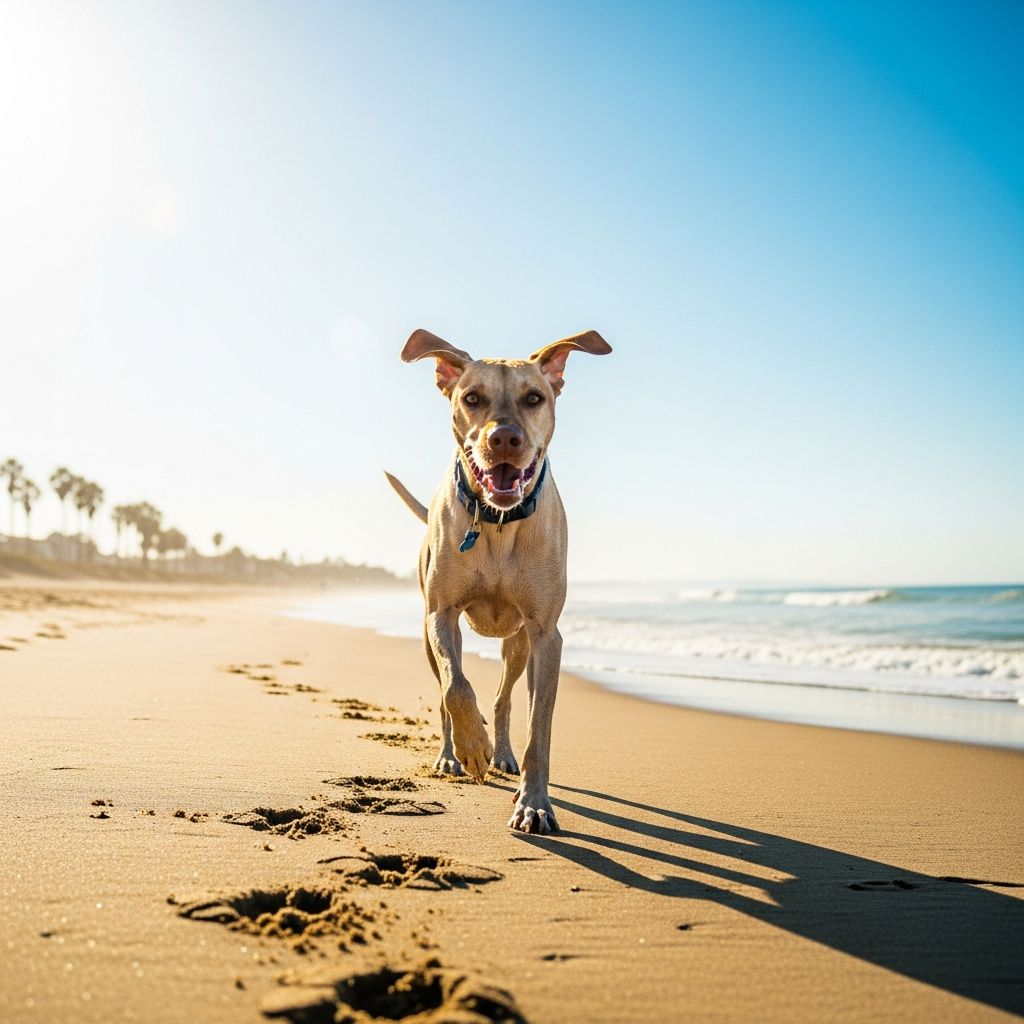
Dog Breeds That Love Hot Weather
When it comes to choosing a dog for a warm climate, understanding which breeds naturally thrive in hot weather is essential. Some dog breeds have evolved over centuries in warm, tropical, or desert environments, developing physical characteristics that help them regulate body temperature efficiently. These breeds have shorter coats, leaner builds, or other adaptations that make them ideal companions for people living in hot climates. If you’re considering adding a furry friend to your family in a warm region, exploring heat-tolerant dog breeds can help you make the best choice for both you and your pet.
What Makes a Dog Breed Heat-Tolerant?
Several physical characteristics determine how well a dog can handle hot weather. Dogs with fine or single-layer coats generally do better in warm conditions compared to breeds with thick double coats. Additionally, breeds with lean body builds tend to dissipate heat more efficiently, while smaller dogs can regulate their body temperature more easily due to their reduced mass. Dogs originating from hot climates have naturally adapted to thrive in warmer environments. Understanding these factors can help you identify which breeds are best suited for your climate.
Best Dog Breeds for Hot Weather
Basenji
The Basenji originates from Central Africa and has a rich history of living in hot climates. Often called the “barkless dog” due to their unique vocalizations, Basenjis are well-known for their cat-like grooming habits. Their short, fine coat provides natural insulation and allows for efficient heat dissipation, making them well-suited for warmer weather. Basenjis are highly adaptable and tend to be more tolerant of heat compared to other breeds. However, they still need access to shade and fresh water during hot days.
Chihuahua
Despite their tiny size, Chihuahuas are mighty when it comes to dealing with heat. These dogs have Mexican roots and are descendants of ancient Techichi dogs. Chihuahuas have a short or long coat, both providing insulation against the heat. Their small size allows them to dissipate body heat more efficiently. Nevertheless, it’s essential to take precautions with Chihuahuas during hot weather. Their small bodies are prone to dehydration, so always ensure they have access to water and shade.
Chinese Crested
Mainly hairless, the Chinese Crested tolerates hot weather exceptionally well. This breed was developed in China and bred down from large hairless dogs from Africa. The Chinese Crested comes in two varieties: a hairless variety and a “powderpuff” with soft, silky coated fur. Their thin guard hairs and large, erect ears give the breed a distinctive and fanciful appearance. It’s important to note that, like most hairless dogs, the Chinese Crested is more prone to sunburn. They should have dog sunscreen applied to their skin before any prolonged exposure to the sun.
Greyhound
Known for their incredible speed, Greyhounds are also well-suited to heat due to their slim physique and short coat. With origins dating back to ancient Egypt and the Middle East, Greyhounds have a history of living in hot climates. Their thin, short coat helps regulate body temperature, and their lean build promotes better heat dissipation. As a Hound Group member and sprinter with low body mass, the Greyhound can easily regulate its body temperature when the weather heats up. However, be cautious during extreme temperatures, as even Greyhounds can suffer from heatstroke.
Pharaoh Hound
Originally from Malta, the Pharaoh Hound possesses incredible heat tolerance. It is often called the “blushing dog” due to its unique ability to display a rosy hue when excited or warmed. Their short coat is fine and thin, allowing for better heat exchange. The Pharaoh Hound’s ears are also large and thin, aiding in heat regulation through increased blood vessel exposure. Despite their natural adaptation to heat, providing them with shade and water is crucial, especially during the hottest parts of the day.
Havanese
The Havanese breed was developed in a tropical climate in Cuba (hence the “Havana”). They have a unique coat of long, silky hair that acts as a natural insulator. This helps to protect them from the sun’s rays and provides a barrier against excessive heat. Along with their luxurious coat, Havanese dogs have a smaller size which helps them disperse body heat more effectively, enabling them to better handle hot weather. Their adaptability to warm, humid climates makes them excellent companions for those in tropical regions.
Australian Cattle Dog
Australian Cattle Dogs have coats that help dissipate heat effectively, making them well-suited for hot climates. Originally bred in Australia for herding livestock in warm conditions, these dogs have evolved to thrive in hot weather. Their short, dense coat provides protection from the sun while allowing for efficient heat release. These energetic dogs are ideal for active owners who can provide regular exercise in warm climates.
German Shorthaired Pointer
German Shorthaired Pointers (or “GSPs,” as owners refer to them) are known for their robust energy and versatility in outdoor activities. Their short, dense coat makes them well-suited for hot climates. These energetic outdoors enthusiasts require significant interaction and are best with owners who can engage them in regular physical activities. Their natural hunting instincts combined with heat tolerance make them excellent companions for warm-weather regions.
Great Dane
A large member of the Working Group, the Great Dane prefers conserving energy in hot weather. An old German breed once used to hunt wild boars, the Great Dane’s short and thick coat comes in various patterns, markings, and colors. Its high-set ears are naturally folded close to the cheek. Despite their large size, Great Danes can handle heat well due to their short coat and tendency to be relatively calm indoors.
Whippet
Whippets’ short-haired, lean physique helps them handle heat well, and they are relatively low-energy indoors. Like Greyhounds, whippets are sighthounds with a history of living in warm climates. However, like greyhounds, whippets need protection from extreme heat and shouldn’t be left outside in high temperatures for long periods. They are ideal for those who appreciate a calm indoor companion and can provide moderate exercise.
Doberman Pinscher
Dobermans have short coats and muscular builds that handle heat well, making them great for active owners in warm climates. These vigilant protectors are known for their sleek appearance and athletic build. Their short coat allows for efficient heat dissipation during warm weather. However, they require consistent training and socialization to manage their protective nature and need owners who can provide structured training and plenty of physical activities.
Labradoodle (with a short coat)
With their short coats, Labradoodles inherit the heat-friendly traits of a Labrador, combined with the intelligence and nearly-hypoallergenic qualities of a poodle. These friendly hybrids make excellent companions for families or individuals seeking an outgoing companion that may also be suitable for allergy sufferers. However, coat type can vary, so choose a Labradoodle with a shorter coat for better heat tolerance. Regular grooming and exercise are key, and if you have a pool for them to swim in, you’re ahead of the game.
Key Characteristics of Heat-Tolerant Breeds
Heat-tolerant dog breeds share several common physical traits that help them thrive in warm climates:
- Short, fine, or single-layer coats that don’t trap excessive heat
- Lean, muscular builds that promote efficient heat dissipation
- Origins in warm or tropical climates
- Large ears or other features that aid in temperature regulation
- Smaller body sizes that cool more quickly
Caring for Heat-Loving Dogs in Warm Climates
Even though certain breeds are naturally suited for hot weather, they still require proper care and attention during warm months. Always provide access to fresh water and shade, even for heat-tolerant breeds. Avoid strenuous activities during the hottest parts of the day, typically between 10 a.m. and 4 p.m. Consider using cooling mats, fans, or allowing your dog to swim to help regulate their body temperature. Additionally, monitor your dog for signs of overheating, including excessive panting, drooling, or lethargy.
Comparison: Heat-Tolerant vs. Heat-Sensitive Breeds
| Characteristic | Heat-Tolerant Breeds | Heat-Sensitive Breeds |
|---|---|---|
| Coat Type | Short, fine, or single-layer | Thick, double-coated |
| Body Build | Lean, muscular | Stocky or compact |
| Facial Structure | Long muzzle | Flat face (brachycephalic) |
| Climate Origin | Warm, tropical, or desert | Cold, mountainous regions |
| Heat Dissipation | Efficient | Poor |
Breeds That Struggle in Hot Weather
It’s important to note that certain breeds have more difficulty regulating body temperature in hot climates. Breeds with flat faces (brachycephalic breeds) like Pugs, Bulldogs, and Boston Terriers may have more difficulty due to their compromised airways, which affect panting efficiency. Breeds that were developed for cool climates, such as Huskies, Alaskan Malamutes, and Saint Bernards, have thick double coats that trap heat and make them uncomfortable in warm weather. If you live in a hot climate and are considering one of these breeds, you’ll need to provide extra cooling measures and keep them indoors during the hottest parts of the day.
Frequently Asked Questions (FAQs)
Q: What should I look for when choosing a dog breed for hot weather?
A: Look for breeds with short or fine coats, lean builds, and origins in warm climates. Research the breed’s history and physical characteristics to ensure they’re naturally suited for heat tolerance.
Q: Can I keep a heat-sensitive breed in a hot climate?
A: Yes, but you’ll need to take extra precautions. Keep them indoors during hot parts of the day, provide air conditioning, ensure constant access to water, and avoid strenuous activities in heat. However, heat-tolerant breeds are better suited for hot climates.
Q: How can I tell if my dog is overheating?
A: Signs of overheating include excessive panting, drooling, lethargy, vomiting, or collapse. If you notice these symptoms, move your dog to a cool area immediately and contact a veterinarian.
Q: Do all heat-tolerant breeds require the same amount of exercise?
A: No, exercise requirements vary. While some breeds like German Shorthaired Pointers are high-energy, others like Chihuahuas are moderate-energy. Research your specific breed’s exercise needs.
Q: Is sunscreen necessary for hairless dog breeds?
A: Yes, hairless breeds like the Chinese Crested are prone to sunburn. Apply dog-safe sunscreen before prolonged sun exposure and provide adequate shade.
Q: Can Greyhounds and Whippets live in extremely hot climates?
A: While they handle heat better than many breeds, even Greyhounds and Whippets can suffer from heatstroke in extreme temperatures. Always provide shade, water, and limit outdoor time during peak heat.
References
- Best Dog Breeds for Hot Weather — American Kennel Club. https://www.akc.org/expert-advice/dog-breeds/best-dog-breeds-for-hot-weather/
- Best Dogs for Hot Weather Climates — Zoetis Petcare. https://www.zoetispetcare.com/blog/article/best-dogs-hot-weather
- 10 Dog Breeds That Can’t Tolerate the Summer Heat — PetMD. https://www.petmd.com/dog/general-health/dog-breeds-that-cant-tolerate-summer-heat
- 15 Dog Breeds That Can’t Handle the Summer Heat — Chewy. https://www.chewy.com/education/dog/general/dog-breeds-that-cant-handle-the-summer-heat
- Best dog breeds for hot weather climates — ManyPets. https://manypets.com/us/blog/best-dog-breeds-for-hot-weather/
Similar Articles








Read full bio of Sneha Tete




