

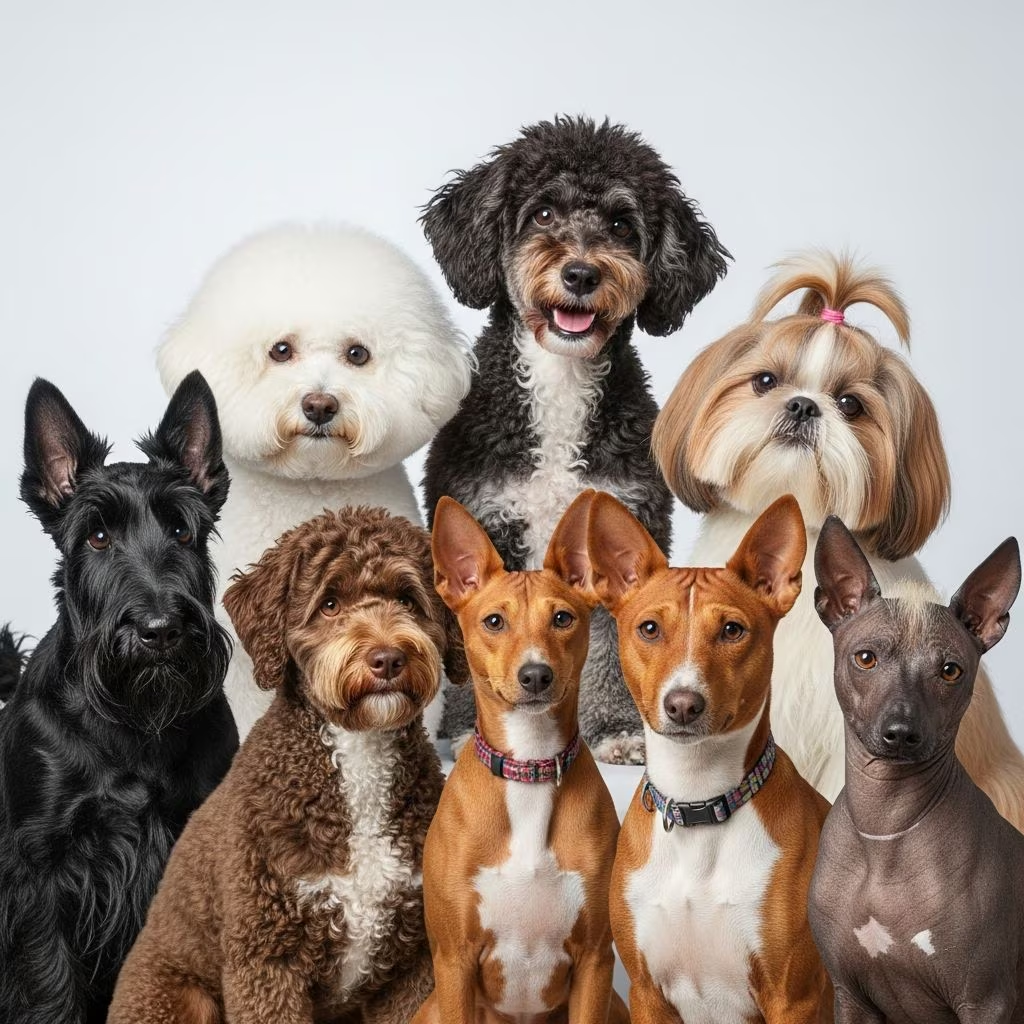
If you’re tired of finding dog hair on your furniture, clothes, and every corner of your home, you’re not alone. Many dog lovers search for breeds that shed minimally or not at all. While completely non-shedding dogs are impossible to come by, there are numerous dog breeds that shed significantly less than others. These low-shedding breeds can be excellent options for people with allergies or those who simply prefer a cleaner home. However, it’s important to understand that low-shedding breeds often require more frequent grooming and professional maintenance than their shedding counterparts.
Understanding Low-Shedding Dogs
When discussing “non-shedding” or “low-shedding” dogs, it’s crucial to recognize that no dog breed is completely hypoallergenic or non-shedding. Dogs naturally shed as part of their hair growth cycle. However, certain breeds shed significantly less hair than others, making them better suited for people with allergies or those seeking a low-maintenance home environment. Low-shedding breeds typically have specific coat types that trap loose hair within the coat rather than releasing it into the air and onto surfaces.
The key to maintaining a low-shedding dog’s coat and minimizing hair loss is consistent grooming. Most low-shedding breeds require daily brushing, regular professional grooming, and routine maintenance to keep their coats healthy and prevent matting.
Small Low-Shedding Breeds
Bichon Frise
Size: Small | Life Expectancy: 14–15 years | Temperament: Velcro dog, fun-loving, smart
The Bichon Frise comes remarkably close to being a completely non-shedding dog with their curled double coat. These active, playful dogs have a cheerful disposition and are highly compatible with allergy sufferers. Bichons are known for their affectionate nature and adaptability to various living situations. They do, however, require daily brushing and combing to keep their coats healthy and mat-free.
Bolognese
Size: Extra small | Life Expectancy: 12–14 years | Temperament: Playful, calm, loving
Another small, fluffy, white breed, Bolognese dogs have two big things going for them in the fur department: they’re low-shedding and hypoallergenic. These tiny dogs are perfect for apartment dwellers and those with limited space. Their distinctive white coat requires regular grooming to maintain its appearance and prevent matting.
Lhasa Apso
Size: Small | Life Expectancy: 12–15 years | Temperament: Intelligent, loyal, playful
You might not expect a dog with long, flowing locks to be a low-shedding breed, but that’s exactly what you get with a Lhasa Apso. Yes, their dense double coat does need regular brushing and trimming to prevent tangles, but they’ll reward that attention by being the perfect lap dog. Originally bred in Tibet as a companion dog, Lhasa Apsos are known for their devotion to their families.
Bedlington Terrier
Size: Small | Life Expectancy: 11–16 years | Temperament: Social butterfly, inquisitive, quick
No, that’s not a lamb—it’s a Bedlington Terrier, another low-shedding dog breed. This medium-sized dog has a thick, curly coat that requires daily brushing and monthly haircuts. You won’t need to spend extra time cleaning fur around your home. The breed is also known for being smart, easy to train, and sweet-natured, making them excellent family pets.
Medium Low-Shedding Breeds
Portuguese Water Dog
Size: Medium | Life Expectancy: 11–13 years | Temperament: Dynamo, super smart, people pleaser
Known for their strength and spirit, the Portuguese Water Dog has a coat that’s both waterproof and low-shedding. It can be either curly or wavy and requires monthly groomer’s visits and daily brushing to prevent mats. Originally bred to help fishermen in Portugal, these energetic dogs are highly intelligent and thrive with active families.
Border Terrier
Size: Small | Life Expectancy: 12–15 years | Temperament: Independent, bold, affectionate
A working terrier breed known for their persistence and alertness in the field, Border Terriers make affectionate and very trainable pets. Their active nature requires regular exercise, while their weather-resistant coats require only an occasional brushing and hand stripping using a stripping knife twice a year. This low-maintenance grooming schedule makes them an excellent choice for busy owners.
Kerry Blue Terrier
Size: Medium | Life Expectancy: 12–15 years | Temperament: Alert, intelligent, affable
Here’s the good news: Kerry Blue Terriers aren’t big on shedding. But the tradeoff is that the breed is relatively high maintenance grooming-wise. Their distinctive blue-gray coat requires regular professional grooming and careful maintenance. However, their intelligent and affectionate nature makes the extra effort worthwhile for dedicated owners.
Large Low-Shedding Breeds
Irish Water Spaniel
Size: Large | Life Expectancy: 12–13 years | Temperament: Quick-learner, hardworking, natural athlete
Irish Water Spaniels’ signature curly coat won’t leave hair tumbleweeds rolling around your home. Grooming can take some extra effort, with a three-step brushing routine at least once per week. But this intelligent, hardworking breed is more than worth the effort, especially if you’re into dog sports or other high-energy activities. Their excellent swimming ability and friendly nature make them ideal family companions.
Boxer
Size: Large | Life Expectancy: 10–12 years | Temperament: Loyal, life of the party, fearless
Boxers are another relatively low-shedding breed, especially if you maintain a regular brushing routine—a few times a week using a rubber curry brush or a dog grooming glove. And while their muscular appearance might initially look intimidating, don’t be fooled: These dogs are silly, playful, and extremely loyal. They’re excellent family dogs that bond strongly with their owners.
Specialized Grooming Considerations
Low-shedding dogs require different grooming approaches than typical shedding breeds. Understanding the specific needs of your chosen breed is essential for maintaining their coat health and minimizing shedding. Here are key grooming considerations:
| Breed Type | Brushing Frequency | Professional Grooming | Special Techniques |
|---|---|---|---|
| Curly Coats (Poodle, Bichon) | Daily | Every 4-8 weeks | Clipping, scissoring |
| Wiry Coats (Terriers) | 2-3 times weekly | Every 6-12 weeks | Hand stripping |
| Long Coats (Lhasa Apso) | Daily | Every 6-8 weeks | Brushing, trimming |
| Wavy Coats (Portuguese Water Dog) | Daily | Monthly | Mat prevention |
Popular Doodle Breeds for Allergy Sufferers
Over the past few decades, crossbreeding Poodles with other breeds has created popular low-shedding options. Goldendoodles, Bernedoodles, Whoodles, and Shih-Poos are among the most popular doodle breeds. These hybrids typically inherit the low-shedding qualities of their Poodle parent while gaining desirable traits from their other parent breed. Goldendoodles, for example, are known for their friendly nature, high intelligence, and wide range of coat colors and textures. They need frequent grooming with a dog slicker brush to prevent matting.
Bernedoodles are a crossbreed between Bernese Mountain Dogs and Poodles, combining the gentle demeanor of their Bernese parent with the intelligence and low-shedding coat of the Poodle. These large, affectionate dogs are excellent for families with children and other pets, though they require plenty of exercise to stay healthy and happy.
Additional Low-Shedding Breeds to Consider
Beyond the main breeds listed above, several other low-shedding options exist for prospective dog owners. These include the Standard Poodle, Giant Schnauzer, Airedale Terrier, Afghan Hound, Komondor, Bouvier des Flandres, Saluki, and Black Russian Terrier. Each of these breeds brings unique characteristics and grooming requirements to the table.
The Standard Poodle is renowned for its intelligence and hypoallergenic coat, making it an excellent choice for families seeking an active, trainable companion. Giant Schnauzers, the largest of the Schnauzer breeds, have a wiry double coat that sheds very little and require regular clipping or stripping. Airedale Terriers, often called the “King of Terriers,” have a wiry coat that sheds minimally and need regular brushing and professional grooming.
Afghan Hounds, despite their long, luxurious coats, are surprisingly low shedders. However, their coats require significant maintenance, including frequent bathing and brushing to prevent tangles. Komondors are easily recognizable by their distinctive corded coats and shed very little, though their unique coats require specific grooming to maintain the cords and prevent matting.
Benefits of Low-Shedding Breeds
Choosing a low-shedding breed offers numerous advantages beyond the obvious benefit of a cleaner home. For allergy sufferers, these breeds produce fewer allergens in the air and on surfaces, making them more compatible with sensitive individuals. The reduced amount of loose hair means less frequent vacuuming and overall home maintenance.
Low-shedding breeds often have distinctive personalities and traits that make them excellent companions. Many are highly intelligent and trainable, making them suitable for families seeking obedient, well-behaved pets. Their unique coat types also offer opportunities for creative grooming styles and personal expression.
Challenges of Owning a Low-Shedding Dog
While low-shedding breeds offer significant advantages, potential owners should be aware of the challenges involved. The most notable drawback is the grooming requirement. Daily brushing is often necessary to prevent matting and maintain coat health. Professional grooming appointments can be costly, ranging from moderate to expensive depending on the breed and your location.
Neglecting grooming requirements can lead to matted coats that are painful for the dog and expensive to address professionally. Some owners find the commitment to regular grooming more demanding than dealing with shedding from traditional breeds. Additionally, low-shedding dogs may require special shampoos, conditioners, and grooming tools to maintain their coats properly.
Frequently Asked Questions (FAQs)
Q: Are there truly non-shedding dog breeds?
A: No dog breed is completely non-shedding. However, there are breeds that shed significantly less than others due to their coat type and structure. These breeds still require regular grooming to manage loose hair effectively.
Q: Which low-shedding breed is best for families with children?
A: Bernedoodles, Goldendoodles, and Portuguese Water Dogs are excellent choices for families with children. These breeds are friendly, intelligent, and patient with kids. Always supervise interactions and teach children how to handle dogs respectfully.
Q: How often should I groom my low-shedding dog?
A: Most low-shedding breeds require daily brushing and professional grooming every 4–8 weeks, depending on the breed. Some breeds with wiry coats may need hand stripping twice yearly. Consult your veterinarian or professional groomer for breed-specific recommendations.
Q: Are low-shedding dogs hypoallergenic?
A: While no dog is 100% hypoallergenic, low-shedding breeds produce fewer allergens and may be better tolerated by people with dog allergies. Individual reactions vary, so it’s wise to spend time with a specific breed before committing to ownership.
Q: How much do low-shedding dogs typically cost?
A: Low-shedding breeds often cost more than traditional breeds due to their popularity and specialized grooming needs. Prices vary widely based on breed, breeder reputation, and location. Factor in regular grooming expenses when budgeting for a low-shedding dog.
Q: Can I adopt a low-shedding dog from a shelter?
A: Yes, many low-shedding breeds can be found in shelters and rescue organizations. Adopting from a rescue is often more affordable than purchasing from a breeder and gives a deserving dog a loving home.
Q: What grooming tools do I need for a low-shedding dog?
A: Essential tools include a slicker brush, metal comb, deshedding tool, and possibly a stripping knife for wiry-coated breeds. Your groomer can recommend specific tools for your dog’s coat type and help you learn proper brushing techniques.
References
- 25 Dog Breeds That Don’t Shed (Much) — Chewy. 2024. https://www.chewy.com/education/dog/general/dog-breeds-that-dont-shed
- Top 10 Non-Shedding Dog Breeds — Dog Lovers 101. 2024. https://www.youtube.com/watch?v=ieHV3RG9TT0
- 30 ‘Hypoallergenic’ Dogs That Don’t Shed a Lot — PetMD. 2024. https://www.petmd.com/dog/general-health/hypoallergenic-dogs
- Hypoallergenic Dogs — American Kennel Club. 2024. https://www.akc.org/dog-breeds/hypoallergenic-dogs/
- All Low-Shedding Dog Breeds — Purina. 2024. https://www.purina.com/dogs/dog-breeds/collections/low-shedding-dog-breeds



