

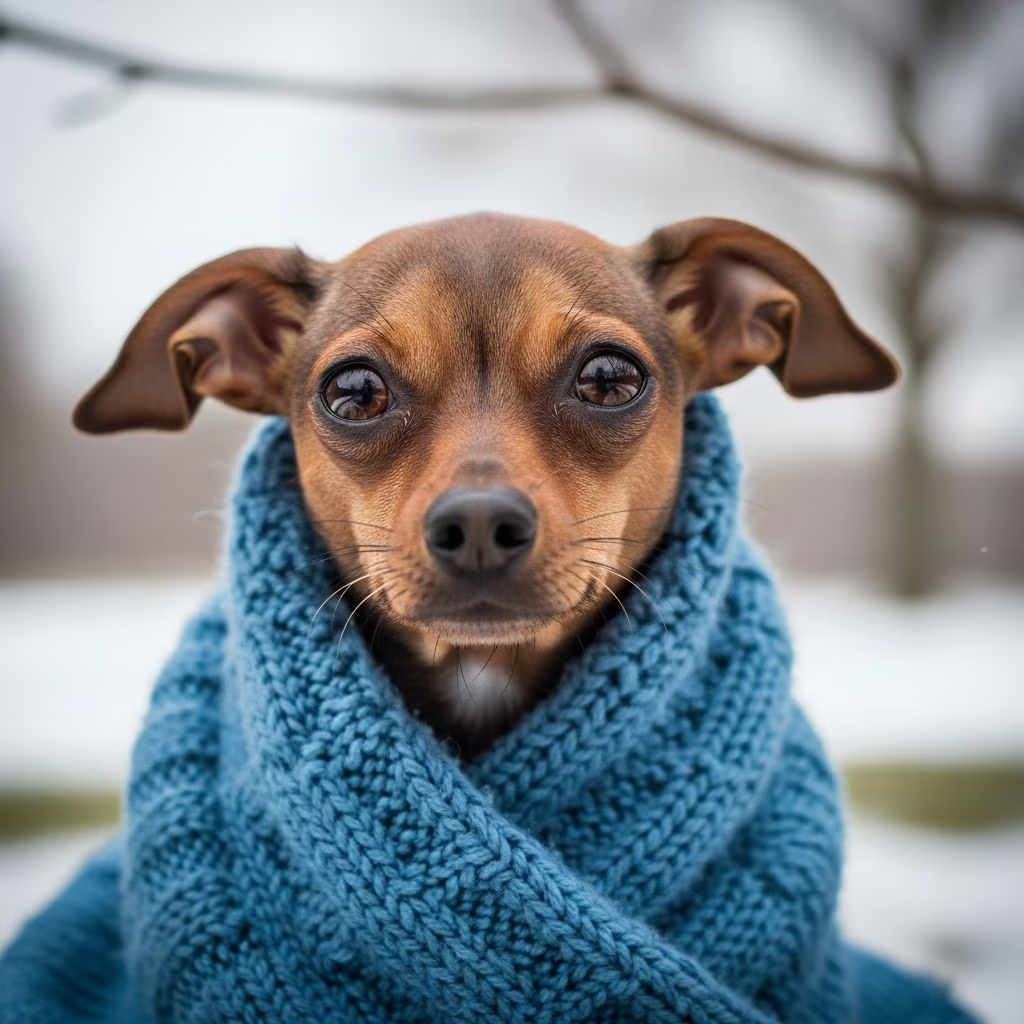
15 Dog Breeds That Can’t Handle the Cold
While some dog breeds were bred to thrive in the snow and Arctic conditions, others aren’t built for cold weather at all. Understanding which breeds struggle with chilly temperatures is essential for responsible pet ownership, especially during winter months. Cold-sensitive dogs require extra care, attention, and protective gear to stay safe and comfortable when temperatures drop.
Pet parents of cold-sensitive breeds should always monitor their dogs for signs of distress, especially in cold temperatures. Dogs who can’t handle the cold often have a short, thin coat; a flat face; or low body fat—all factors that make it difficult for them to maintain their body temperature in frigid conditions.
Why Do Some Dogs Struggle in Cold Weather?
Dogs naturally regulate their body temperature through their fur, body fat, and physical characteristics. Breeds that can’t handle the cold typically lack one or more of these protective features. Short, thin coats provide minimal insulation, while breeds with flat faces may experience breathing difficulties in extreme temperatures. Additionally, small dogs and those with lean body frames lose heat much more quickly than larger, thicker-coated breeds.
Understanding these vulnerabilities helps pet parents make informed decisions about outdoor activities and necessary protective equipment during winter months.
The 15 Dog Breeds That Can’t Handle the Cold
1. American Pit Bull Terrier
Size: Medium | Life expectancy: 12–14 years | Temperament: Active, loyal, eager to please
American Pit Bull Terriers are energetic dogs who love outdoor activities, but they’re far from snow dogs. These pups have a short, thin coat that offers little insulation, causing them to get cold easily. Despite their muscular appearance, they lack the body fat and coat density necessary for cold weather protection.
2. Basenji
Size: Small | Life expectancy: 13–14 years | Temperament: Aloof, clever, energetic
Basenjis originated in Africa, and their short, smooth coat isn’t a match for plunging temperatures. These independent dogs were never bred for cold climates, making winter conditions particularly challenging for them.
3. Boxer
Size: Large | Life expectancy: 10–12 years | Temperament: Active, easygoing, silly
As a flat-faced dog breed, the Boxer has a shorter-than-average muzzle that can make it harder to breathe comfortably in cold weather conditions. Because Boxers are high-energy dogs, pet parents should stay alert for signs of breathing issues during play and exercise in winter.
4. Chihuahua
Size: Tiny | Life expectancy: 14–18 years | Temperament: Lively, graceful, devoted
Tiny and delicate, Chihuahuas are one of the most cold-sensitive breeds. With their short coats and small size, they lose body heat quickly. These dogs thrive in warm environments and may need sweaters or jackets when venturing out in cooler weather.
5. Chinese Crested
Size: Small | Life expectancy: 13–18 years | Temperament: Affectionate, lively, alert
This mostly hairless breed is especially vulnerable to cold weather. While their unique appearance sets them apart, it also means they need plenty of protection from the cold, including sweaters, blankets, and heated indoor spaces.
6. Dachshund
Size: Small | Life expectancy: 12–16 years | Temperament: Curious, playful, courageous
Dachshunds, with their elongated bodies and short legs, are not built to retain heat efficiently. Their thin coats also don’t offer much insulation, so bundling them up before outdoor adventures is a must. Their low body profile makes them particularly susceptible to cold ground temperatures.
7. French Bulldog
Size: Small | Life expectancy: 10–12 years | Temperament: Quirky, bubbly, affectionate
Frenchies are the most popular dog breed in the U.S., but they’re not cut out for cold weather. Their flat face makes breathing in extreme temperatures difficult, and their short coat doesn’t offer much warmth. On winter walks, ensure your pup is bundled up and keep outdoor excursions short.
8. Great Dane
Size: Extra large | Life expectancy: 7–10 years | Temperament: Affectionate, calm, goofy
Great Danes may be one of the biggest dog breeds, but they don’t hold up well in cold weather due to their short coat and very little body fat. Because they need 30–60 minutes of daily exercise, keep them warm with an extra-large dog coat and break up their activity into shorter walks so they’re not outside for long.
9. Greyhound
Size: Large | Life expectancy: 10–13 years | Temperament: Gentle, laid-back, independent
Take one look at a Greyhound and you’ll see that these dogs are built for speed, not snow. With an ultra-lean body and a very short coat, Greyhounds lose heat quickly when temperatures dip. Suit up your Greyhound with a jacket when heading outside in winter, and consider dog boots to keep your pet’s paws ice-free.
10. Italian Greyhound
Size: Small | Life expectancy: 14–15 years | Temperament: Alert, playful, sweet
Small and slender, the Italian Greyhound also has very little body fat to insulate against chilly weather. Because of this, these dogs don’t do well in the cold without extra gear like a jacket or sweater.
11. Pug
Size: Small | Life expectancy: 13–15 years | Temperament: Playful, mischievous, charming
Pugs, like French Bulldogs, have short muzzles and minimal fur, making them prone to cold intolerance. They’ll appreciate a cozy environment indoors and appropriate clothing when outdoors. Their flat faces also make them susceptible to breathing difficulties in cold temperatures.
12. Toy Poodle
Size: Small | Life expectancy: 15–17 years | Temperament: Intelligent, active, elegant
Despite their curly coats, Toy Poodles still struggle in cold weather. Their small size and lean build mean they have difficulty maintaining body heat, requiring protective clothing during winter outings.
13. Whippet
Size: Medium | Life expectancy: 12–15 years | Temperament: Social, intelligent, athletic
The Whippet shares many similarities with their Greyhound and Italian Greyhound relatives, so it’s no surprise that these dogs also dislike cold weather. These sleek sight hounds have a very thin coat and little body fat, making it easy for them to lose body heat when temperatures drop.
14. Xoloitzcuintli (Mexican Hairless Dog)
Size: Small to medium | Life expectancy: 13–18 years | Temperament: Loving, loyal, alert
It’s easy to see why the Xoloitzcuintli can’t handle cold weather. Also known as the Mexican Hairless Dog, Xolos have thick, smooth skin and usually no fur, though some have tufts of hair on the head, tail, and feet. This breed absolutely requires protective clothing and heated environments during cold months.
15. Yorkshire Terrier
Size: Tiny | Life expectancy: 11–15 years | Temperament: Confident, affectionate, sprightly
Despite their long, silky coats, Yorkies are not well-equipped for cold climates. Their small size and single-layer coat provide little insulation, so these tiny dogs need extra warmth during the winter months.
Common Characteristics of Cold-Sensitive Breeds
Understanding what makes a dog vulnerable to cold weather helps pet parents prepare appropriately. Most cold-sensitive breeds share one or more of these traits:
- Short, thin coats: These provide minimal insulation compared to double-layered coats found in northern breeds
- Small body size: Smaller dogs have less mass to generate body heat and lose warmth more quickly
- Low body fat: Lean dogs lack the natural insulation that body fat provides
- Flat or short faces: Brachycephalic breeds struggle with breathing in extreme temperatures
- Hairless or sparse coats: Some breeds have minimal hair coverage, making them extremely vulnerable
Essential Tips to Keep Cold-Sensitive Breeds Warm
Invest in Warm Clothing
Sweaters and jackets designed for dogs can provide much-needed insulation for breeds sensitive to the cold. Look for options that cover the back, belly, and legs. Layering is particularly effective, allowing you to adjust your dog’s warmth level as needed throughout the day.
Use Dog Booties and Paw Protection
Cold surfaces and ice can damage sensitive paw pads. Dog booties protect feet from ice, salt, and freezing temperatures. Additionally, paw wax can create a protective barrier against harsh winter conditions.
Provide Blankets and Comfortable Bedding
Create cozy indoor spaces with soft blankets and warm bedding away from drafts. Consider heated dog beds for extra comfort during the coldest nights. Keep these warm spots away from windows and doors where cold air drafts occur.
Limit Outdoor Time
Reduce the duration of outdoor activities during winter months. Take shorter walks more frequently rather than long, extended outings. Monitor your dog closely for signs of cold discomfort, including shivering, reluctance to move, or seeking shelter.
Check Paws Regularly
Inspect your dog’s paws after outdoor time for ice buildup, cracking, or irritation from salt and chemicals. Rinse paws gently with warm water and dry thoroughly. Some pet parents apply petroleum jelly or paw balm for protection.
Maintain Indoor Comfort
Ensure your home stays at a comfortable temperature, especially in areas where your cold-sensitive dog spends most of their time. Keep radiators and heating vents in areas where your dog can benefit from the warmth.
Adjust Exercise and Activity
While exercise is important for all dogs, cold-sensitive breeds may benefit from adjusted routines during winter. Consider indoor activities, shorter play sessions, and times of day when temperatures are warmer. Avoid peak cold hours early morning and late evening.
Stay Alert for Cold Stress Signs
Watch for shivering, reluctance to go outside, seeking constant shelter indoors, whining, or lethargy. These signs indicate your dog is too cold and needs immediate warm shelter and comfort.
Frequently Asked Questions
Q: At what temperature should I bring my cold-sensitive dog inside?
A: Most cold-sensitive breeds should come inside when temperatures drop below 45°F (7°C). Below 32°F (0°C), it becomes dangerous for these breeds, and they should only be outside for very brief bathroom breaks in protective clothing.
Q: Can I leave my cold-sensitive dog outside in winter?
A: No, cold-sensitive breeds should not be left outside unattended in winter. They require indoor shelter and protection. Even with clothing, they cannot withstand prolonged exposure to freezing temperatures.
Q: What’s the best type of winter coat for my dog?
A: Look for waterproof, insulated coats that cover the back, sides, and belly. Sweaters work well for mild cold, while padded jackets are better for severe winter weather. Ensure the fit is snug but comfortable, and your dog can move freely.
Q: Do all small breeds struggle in cold weather?
A: Not all small breeds struggle equally. Some small breeds with thick double coats handle cold better than others. Cold tolerance depends on coat type, body fat, and breeding history, not size alone.
Q: Should I bathe my cold-sensitive dog in winter?
A: Yes, but limit baths and dry your dog thoroughly afterward. Wet fur loses insulating properties quickly. Bathe your dog indoors and use warm water, then dry completely with a towel or dryer on low heat before going outside.
Q: Are there any health risks for cold-sensitive dogs in winter?
A: Yes, cold exposure can lead to hypothermia, frostbite, and worsening of existing health conditions. Arthritis and joint problems become more painful in cold weather. Always consult your veterinarian about winter care for your specific dog.
Q: Can I use human clothing for my dog?
A: Human clothing isn’t ideal because it may not fit properly or allow for bathroom functions. Dog-specific clothing is designed with their anatomy in mind, ensuring proper fit and functionality.
Winter Safety Checklist for Cold-Sensitive Dogs
Use this checklist to ensure your cold-sensitive dog stays safe and comfortable throughout winter:
- Purchase properly fitting sweaters and jackets before winter arrives
- Invest in dog booties and paw protection products
- Set up warm, comfortable indoor sleeping areas away from drafts
- Monitor outdoor temperatures and limit outdoor time accordingly
- Check paws after every outdoor outing for damage or irritation
- Keep entertainment options indoors for exercise during bad weather
- Schedule a pre-winter veterinary checkup
- Have emergency contact numbers readily available
- Keep heating pads or blankets accessible for extra warmth
- Learn to recognize signs of hypothermia and frostbite
Conclusion
Cold-sensitive dog breeds require extra care and attention during winter months. By understanding which breeds struggle with chilly temperatures and why, pet parents can take proactive steps to protect their dogs. Investing in appropriate clothing, limiting outdoor exposure, and providing warm indoor environments are essential components of winter care for cold-sensitive breeds.
Every dog deserves to be comfortable and safe, regardless of the season. With proper preparation and attentive monitoring, even the most cold-sensitive breeds can enjoy a happy, healthy winter. Remember that each dog is unique, and some may need more protection than others. When in doubt, consult your veterinarian for personalized winter care recommendations for your specific dog.
References
- Dog Breeds That Can’t Tolerate the Cold — Ingleside Animal Hospital. Accessed November 2025. https://www.ingleside.com/services/dogs/blog/dog-breeds-cant-tolerate-cold
- 15 Dog Breeds That Can’t Handle the Cold — Chewy Education. Accessed November 2025. https://www.chewy.com/education/dog/general/dog-breeds-that-cant-handle-the-cold
- Reasons Why Northern Breeds Rock Cold Weather — American Kennel Club. Accessed November 2025. https://www.akc.org/expert-advice/dog-breeds/northern-breeds-rock-cold-weather/
- 10 Dog Breeds that Need a Winter Dog Coat — Treat Your Dog. Accessed November 2025. https://www.treatyourdog.co.uk/blogs/news/top-10-breeds-that-need-a-winter-dog-coat



