

15 Dog Breeds That Can’t Handle the Summer Heat
As temperatures rise during the summer months, pet owners face a critical responsibility: ensuring their furry companions stay safe from the dangers of overheating. While all dogs can be susceptible to heat-related illnesses, certain breeds are particularly vulnerable due to their unique physical characteristics. Understanding which breeds struggle most in warm weather and why can help you provide better care and protection for your beloved pet during the hot season.
Some dog breeds are more sensitive to heat than others because of their physical traits, such as a flat face or thick double coat. These anatomical features, while often considered endearing or desirable, can significantly impair a dog’s ability to regulate body temperature efficiently. This guide explores 15 dog breeds that can’t handle summer heat and provides valuable insights into keeping them cool and comfortable.
Key Takeaways
- Brachycephalic breeds like Pugs, Bulldogs, and Boston Terriers are especially prone to overheating in the summer due to their flat faces and shortened airways
- Double-coated breeds like Alaskan Malamutes and Saint Bernards are better suited for cooler climates and struggle significantly in warm weather
- Pet parents should monitor their dog for signs of overheating as temperatures rise, including excessive panting, drooling, and lethargy
- Northern breeds with thick coats were genetically bred for arctic conditions and lack the physiological adaptations needed for hot climates
- Proper summer care includes scheduling walks during cooler hours, ensuring access to fresh water and shade, and avoiding leaving dogs in hot vehicles
Understanding Heat-Sensitive Dog Breeds
What Makes a Breed Heat-Sensitive?
Heat-sensitive dog breeds share several common physical characteristics that impair their ability to cool themselves effectively. The primary factor is body structure and coat type. Dogs with brachycephalic skulls—meaning short, broad heads with flattened faces—have compressed airways that make panting inefficient. Since panting is a dog’s primary cooling mechanism, this structural limitation places these breeds at significant disadvantage during hot weather.
Double-coated and thick-coated breeds face a different challenge. Their dense fur, which provides excellent insulation in cold climates, traps heat against the skin rather than allowing it to dissipate. Additionally, certain breeds have higher muscle mass or body compositions that generate and retain more heat. Large breeds often struggle due to their increased body mass and reduced surface area to volume ratio, making heat dispersal more difficult.
Brachycephalic Breeds: The Most Heat-Sensitive Dogs
Bulldogs and Their Breathing Challenges
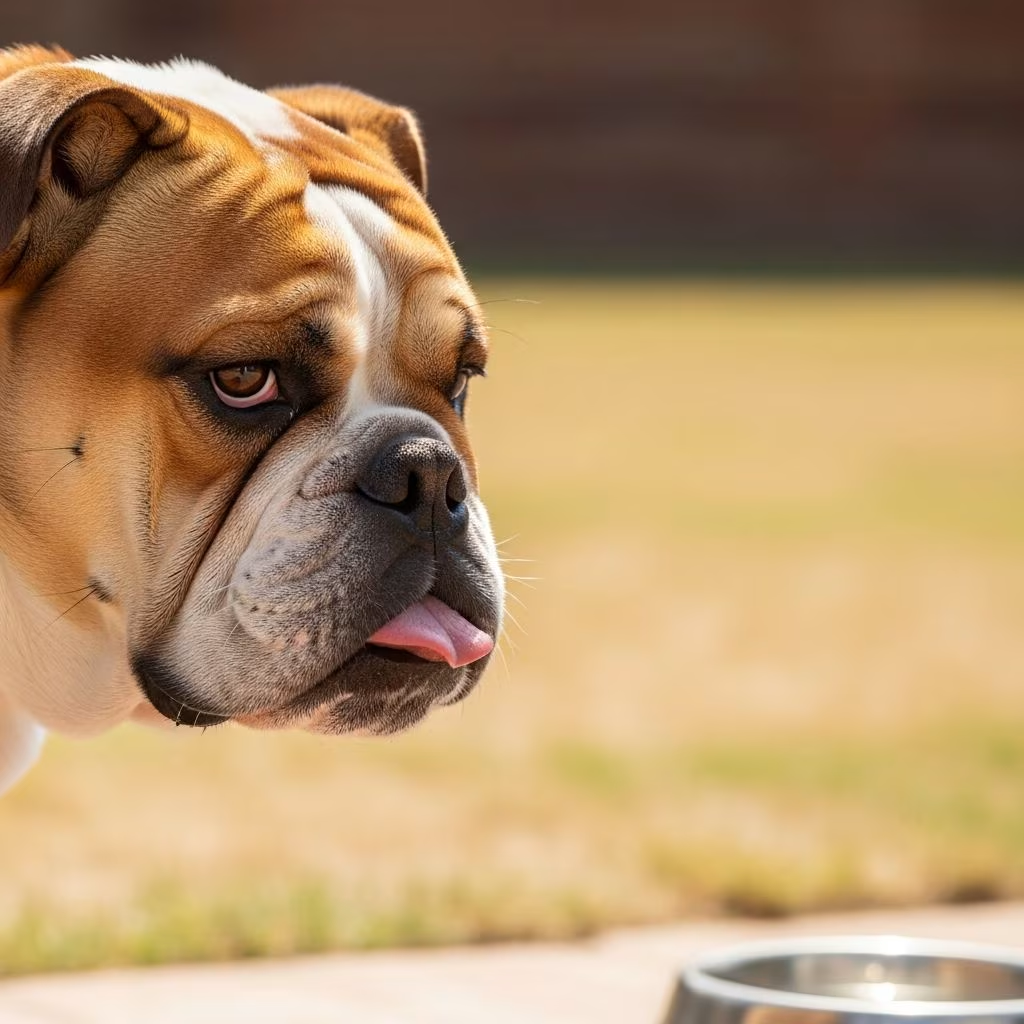
English, French, and American Bulldogs top the list of heat-sensitive breeds. Their shortened airways, flat faces, and compact bodies make it extremely difficult for them to regulate their body temperature through panting. These breeds can begin showing signs of distress even in moderately warm temperatures around 80°F. The English Bulldog, in particular, tends to be lazy—making it a poor match for the heat. These dogs don’t usually like to exercise and are often dealing with obesity factors, adding to their increased risk for heatstroke.
French Bulldogs have an extremely short breathing system, making this breed highly susceptible to heatstroke. It’s best to leave your Frenchie inside once temperatures start to hit 85 degrees unless you’re going for a short walk. American Bulldogs can overheat quickly, even in temperatures of 85 degrees Fahrenheit. Their shorter muzzles make it harder to release extra heat by panting, so the excess heat can take its toll quickly.
Other Brachycephalic Breeds at Risk
Beyond Bulldogs, several other flat-faced breeds struggle significantly with summer heat:
- Pug: Another short-snouted dog that already has breathing issues. When it gets hot, they can’t keep up with the heat and won’t be able to cool down before heatstroke starts to take over
- Boston Terrier: Boston Terriers aren’t very good at regulating their body temperature. Plus, their smaller airways make it tougher to get rid of excess heat through panting
- Affenpinscher: Like other brachycephalic breeds, the short, square muzzle means this pup has a harder time regulating body temperature in sweltering heat
- Shih Tzu: Can’t cool themselves as effectively as other breeds and will overheat faster than many other pups
- Pekingese: Keeping them cool when it gets hot is essential. They can’t cool themselves as effectively as other breeds
- Cavalier King Charles Spaniel: This regal breed doesn’t tolerate heat well and is very sensitive to summertime heat. They’re also a brachycephalic breed, so trying to pant and breathe when it’s hot becomes a tiresome ordeal
Northern Breeds with Heavy Coats
Arctic Dogs in Warm Weather
Siberian Huskies, Alaskan Malamutes, and Samoyeds were bred for cold climates, making them poorly suited for hot weather. Their thick double coats, while perfect for arctic conditions, trap heat and make cooling difficult in warmer temperatures. Built for Siberian winters, these stunning dogs often struggle in tropical or even temperate summers. Their instinct to run doesn’t mix well with warm weather, and owners must be particularly vigilant about monitoring their activity levels during peak heat hours.
The Akita, another breed with a thick coat, wants to play and spend lots of time outside. But they also have thick coats. Put these two qualities together, and you’ve got a recipe for heatstroke if you’re not super careful. The highly active nature of these breeds combined with their heavy insulation makes them particularly at risk during summer.
Double-Coated Breeds
Beyond northern breeds, Chow Chows, and Golden Retrievers also struggle with heat due to their dense fur. The Chow Chow’s thick, double coat makes them a prime target for heatstroke. The layered coat makes it challenging to release excess heat, keeping the heat trapped in the body. Golden Retrievers love to play, but their thick, double coats make it hard for active Retrievers to stay cool. It’s better to keep the play indoors during the hot parts of the day.
Large Breeds and Additional Heat-Sensitive Dogs
Beyond brachycephalic and double-coated breeds, several other dogs struggle with summer heat due to their size and body composition. Saint Bernards and Newfoundlands, despite their different coat types, are vulnerable due to their massive size. Bullmastiffs can handle the cold well, but not the heat. Plus, Bullmastiffs have short snouts, making it hard to cool down and regulate their body temperature when it gets scorching.
Boxers have short snouts and broad heads that make panting to cool off challenging. They’re also very active dogs, and heatstroke warning signs might sneak up on you if your Boxer starts to run and play outside when it’s hot. Greyhounds face a unique challenge: when it’s humid, they can end up with heatstroke at just 80 degrees Fahrenheit. Their sleek and slender bodies increase their risk.
Signs of Heat Distress in Vulnerable Breeds
Recognizing the early warning signs of overheating is crucial for protecting your heat-sensitive dog. Pet parents should watch carefully for these indicators:
- Excessive panting and drooling
- Bright red or purple gums
- Disorientation or confusion
- Rapid heartbeat
- Vomiting or diarrhea
- Collapse or unconsciousness
Additional warning signs include sluggish movement, warm skin, and refusal to stand or engage in normal activities. If you notice any of these symptoms, move your dog to a cool location immediately and contact your veterinarian.
Protecting Heat-Sensitive Dogs
Practical Summer Care Strategies
To keep vulnerable breeds safe during hot weather, implement these essential strategies:
- Schedule walks during cooler morning or evening hours, avoiding peak heat times
- Ensure constant access to fresh water and shade
- Use cooling mats or wet towels for relief
- Never leave dogs in parked cars, even for short periods
- Consider indoor activities during peak heat hours
Additional Protection Measures
Beyond basic precautions, additional protective measures can significantly improve your dog’s comfort and safety. Use a breathable harness rather than a collar to reduce strain on the airway, particularly for brachycephalic breeds. Ask your groomer for a “summer cut”—not a shave—to help with heat reduction while maintaining coat integrity. Serve frozen broth cubes as a cooling treat and rotate between indoor and shaded outdoor play to provide variety while minimizing heat exposure.
Invest in a cooling mat or fan where your dog naps to provide relief during rest periods. Consider dog-safe cooling vests or bandanas designed for heat management. Keep your home at a comfortable temperature with air conditioning or fans, and ensure your dog has a designated cool space to retreat to during hot hours.
Heat-Sensitive vs. Heat-Tolerant Breeds
| Characteristic | Heat-Sensitive Breeds | Heat-Tolerant Breeds |
|---|---|---|
| Skull Structure | Brachycephalic (flat-faced) | Dolichocephalic or mesocephalic (longer-faced) |
| Coat Type | Double or thick coats | Short, single coats |
| Body Size | Large breeds or compact builds | Lean, athletic builds |
| Origin | Arctic or temperate climates | Tropical or desert regions |
| Cooling Efficiency | Poor heat dissipation | Efficient cooling through panting |
| Examples | Bulldogs, Huskies, Malamutes | Chihuahuas, Basenjis, Greyhounds |
Frequently Asked Questions
Q: What are the dog breeds most at risk of overheating and heatstroke in hot weather?
A: Bulldogs, Pugs, Boston Terriers, and other brachycephalic breeds are most at risk, followed by thick-coated northern breeds like Huskies and Malamutes. Large breeds such as Saint Bernards and Newfoundlands are also vulnerable due to their size.
Q: At what temperature should I keep my heat-sensitive dog indoors?
A: Generally, temperatures above 80-85 degrees Fahrenheit warrant caution for heat-sensitive breeds. French Bulldogs should stay inside when temperatures hit 85 degrees unless taking a short walk. For breeds like Greyhounds, even 80 degrees with humidity can be dangerous.
Q: Can grooming help my heat-sensitive dog stay cool?
A: Yes, asking your groomer for a “summer cut” (not a shave) can help. However, completely shaving a double-coated breed can damage the coat and isn’t recommended. A summer cut removes excess fur while maintaining the coat’s protective qualities.
Q: How can I tell if my dog is overheating?
A: Watch for excessive panting and drooling, bright red or purple gums, disorientation, rapid heartbeat, vomiting, diarrhea, sluggish movement, or collapse. Move your dog to a cool location immediately and contact your veterinarian if these symptoms appear.
Q: What should I do if my dog shows signs of heatstroke?
A: Move your dog to a cool, shaded area immediately. Offer water if they’re alert. Apply cool (not cold) water to their body, particularly the neck, belly, and legs. Place them near a fan. Contact your veterinarian immediately, as heatstroke can be life-threatening.
Q: Are there any breeds that naturally handle heat well?
A: Yes, breeds like Chihuahuas, Basenjis, Australian Cattle Dogs, Dalmatians, and German Shorthaired Pointers were bred for warm climates and handle heat much better. These breeds have short coats, efficient cooling mechanisms, and naturally adapted physiology.
Q: Can I use a dog cooling vest for my heat-sensitive breed?
A: Yes, dog-safe cooling vests designed for heat management can be effective supplementary tools. However, they should be used alongside other cooling strategies like shade access, fresh water, and limited outdoor activity during peak heat.
Q: Should I shave my double-coated dog for summer?
A: Completely shaving double-coated breeds is not recommended as it can damage the coat and remove its protective qualities. Instead, request a “summer cut” from your groomer, which removes excess fur while maintaining coat integrity and protection.
References
- 15 Dog Breeds That Can’t Handle the Summer Heat — Chewy. 2024. https://www.chewy.com/education/dog/general/dog-breeds-that-cant-handle-the-summer-heat
- 14 Dog Breeds That Are at a Higher Risk for Heat Stroke — Neater Pets. 2024. https://neaterpets.com/blogs/news/14-dog-breeds-that-are-higher-risk-heat-stroke
- Worst Dog Breeds for Hot Weather: A Guide — PetsCare.com. 2024. https://www.petscare.com/news/post/worst-dog-breeds-hot-weather
- 8 Heat-Sensitive Dog Breeds That Need Extra Care in Summer — Hardy Paw. 2024. https://hardypaw.com/blogs/news/8-heat-sensitive-dog-breeds-that-need-protection-this-summer
- Dog Breeds that Beat the Heat: Tips for Managing Heat for Dogs — Leap Years. 2024. https://leapyears.com/news/cool-canines-dog-breeds-that-beat-the-heat-naturally-and-tips-for-managing-the-heat-in-all-dogs/
- Best Dog Breeds for Hot Weather — American Kennel Club. 2024. https://www.akc.org/expert-advice/dog-breeds/best-dog-breeds-for-hot-weather/



