Dog Breeds Most Susceptible to Anxiety
Discover which dog breeds face higher risks of anxiety, learn to spot symptoms early, and explore proven strategies to support their emotional well-being.
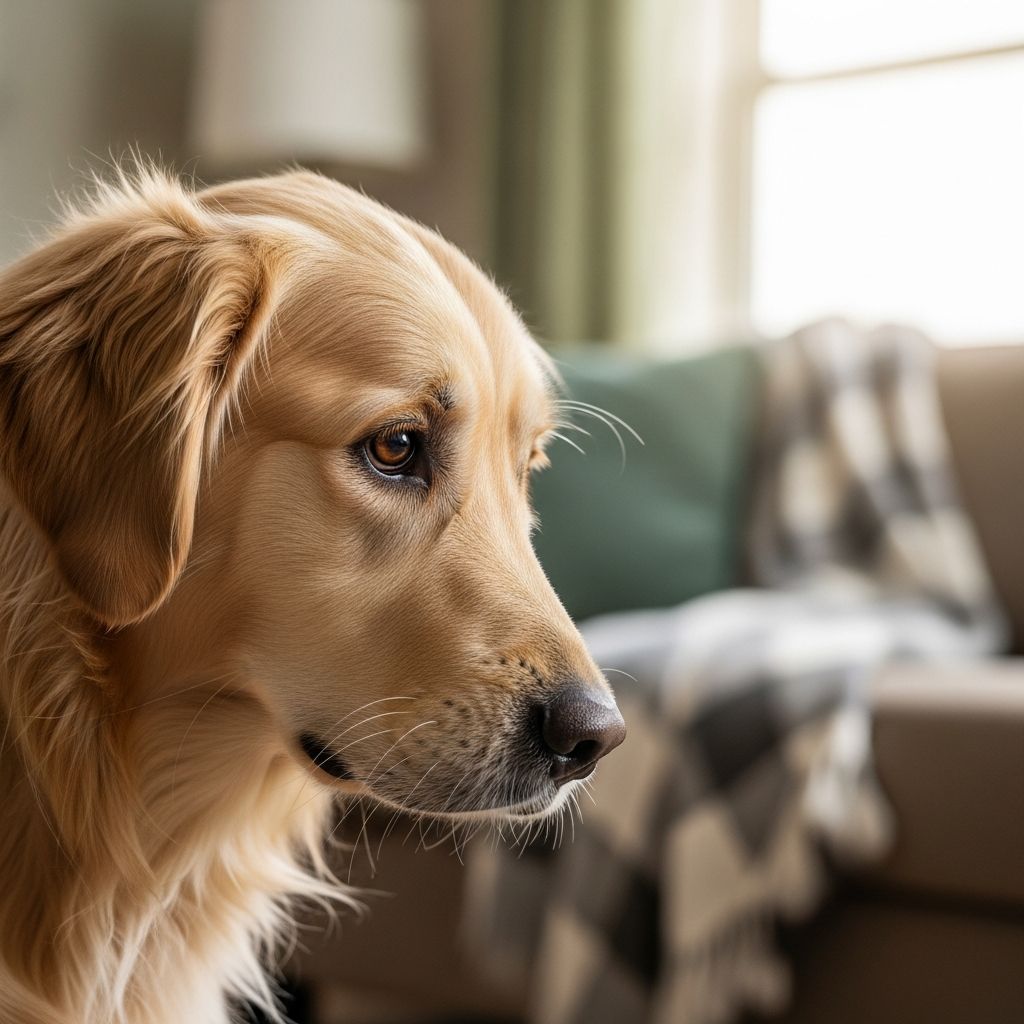
Dog anxiety manifests as excessive fear or nervousness in response to everyday situations, affecting certain breeds more than others due to genetics, breeding history, and temperament. Breeds like German Shepherds, Border Collies, and Labrador Retrievers often show heightened sensitivity to stressors such as loud noises or separations.
Genetic Factors Influencing Anxiety Proneness
Selective breeding for traits like high intelligence and vigilance has inadvertently amplified anxiety tendencies in some dogs. Herding breeds, for instance, possess an innate drive to control their environment, leading to frustration when confined or idle. Similarly, working dogs bred for intense focus may struggle with unstructured home life, interpreting changes as threats.
Research indicates that puppies from anxious parents inherit a predisposition, emphasizing early screening and socialization. Veterinary behaviorists note that breeds with neuroticism scores in temperament tests—such as Chihuahuas and Australian Shepherds—require proactive management to prevent escalation.
Breeds with Elevated Anxiety Risks
Several breeds consistently appear in veterinary reports for anxiety-related issues. Below is a table summarizing key breeds, their common triggers, and predisposing traits:
| Breed | Key Traits | Common Triggers | Prevalence Notes |
|---|---|---|---|
| German Shepherd | High intelligence, protective | Separation, strangers | Frequent in noise phobia cases |
| Border Collie | Hyperactive herder | Boredom, confinement | Compulsive behaviors common |
| Labrador Retriever | Velcro dog, social | Owner absence | Separation anxiety leader |
| Chihuahua | Small, territorial | Loud noises, novelty | Trembling and hiding frequent |
| Australian Shepherd | Energetic, alert | Changes in routine | Pacing and vocalization high |
These breeds thrive with mental stimulation but falter without it, turning to destructive outlets.
Recognizing Early Warning Signs
Anxiety in dogs progresses from subtle cues to overt distress. Mild indicators include lip licking, yawning, or averted gaze during mild stress. Moderate signs escalate to panting, tucked tail, and avoidance of treats, signaling discomfort.
- Body language shifts: Ears pinned back, whale eye (whites visible), or crouched posture.
- Vocalizations: Whining, barking, or growling in low-threat scenarios.
- Physical reactions: Excessive drooling, trembling, or pacing indoors.
Severe cases involve elimination accidents, aggression, or self-harm like excessive licking. Owners of prone breeds should monitor for patterns, as untreated anxiety compounds into chronic issues.
Environmental Triggers and Their Impact
Daily life elements often spark anxiety in susceptible dogs. Separation from owners tops the list, with affected breeds destroying furniture or howling upon alone time. Fireworks, thunderstorms, and vacuums provoke fear responses rooted in startling sounds.
Age-related cognitive decline in seniors mimics anxiety, featuring disorientation and nighttime restlessness. Medical pains like arthritis exacerbate behaviors, underscoring vet checkups. Rescue dogs carry trauma histories, amplifying reactivity to new stimuli.
Comprehensive Strategies for Prevention
Proactive steps mitigate risks in vulnerable breeds. Daily routines foster security: consistent feeding, walks, and play reduce unpredictability.
- Establish a quiet retreat space with familiar bedding and toys.
- Incorporate puzzle feeders for mental engagement, curbing boredom.
- Socialize puppies gradually to noises and people before 12 weeks.
Exercise burns excess energy; 30-60 minutes of leashed walks or fetch suits high-drive breeds. Avoid punishment, which heightens fear.
Behavioral Training Techniques
Desensitization exposes dogs to triggers at low intensity, pairing with rewards to rewire responses. Start with distant thunder recordings at low volume, offering treats as tolerance builds.
Counterconditioning replaces fear with positive associations; present a storm cue while feeding high-value meals. Positive reinforcement—clickers and praise—strengthens calm behaviors over scolding.
Professional trainers craft breed-specific plans, vital for herders needing jobs like agility.
Supportive Tools and Natural Remedies
Calming aids bridge training gaps. Pheromone collars mimic maternal scents, easing mild stress. Supplements like L-theanine or chamomile chews promote relaxation without sedation.
Compression wraps apply gentle pressure akin to swaddling, reducing trembling during events. Aromatherapy diffusers with lavender offer ambient calm, used cautiously to avoid ingestion.
Veterinary Interventions for Severe Cases
When behaviors persist, vets rule out health issues via exams. Medications like fluoxetine (SSRIs) or trazodone manage chronic anxiety, best with behavior plans.
For situational fears, benzodiazepines provide short-term relief during storms. Monitor for side effects and taper under guidance. Holistic vets integrate acupuncture for some responsive breeds.
Building Long-Term Emotional Resilience
Success demands patience; track progress with journals noting triggers and responses. Involve family in consistency to prevent mixed signals. Annual behavior wellness checks catch brewing issues early.
Enrich environments with scent games or flirt poles tailored to breed energy. Celebrate small wins to reinforce owner-dog bonds, fostering confidence.
FAQs on Managing Anxiety in Prone Breeds
What if my dog suddenly shows anxiety signs?
Visit a vet to exclude pain or illness; then implement desensitization.
Can diet influence canine anxiety?
Omega-3s and probiotics support brain health, potentially reducing stress; consult vets.
Is medication a first-line treatment?
No, prioritize training and environment; meds augment severe cases.
How long until training shows results?
Weeks to months with consistency; severe cases may need pros.
Are small breeds more anxious?
Not inherently, but Chihuahuas’ size amplifies noise sensitivity.
References
- Managing Anxiety in Dogs — Small Door Veterinary. 2023. https://www.smalldoorvet.com/learning-center/wellness/managing-anxiety-in-dogs
- Dog Anxiety: Signs, Causes, and Treatment — PetMD. 2024. https://www.petmd.com/dog/conditions/behavioral/dog-anxiety
- Dog Anxiety Help — Mountain Aire Veterinary Hospital. 2025-06-15. https://mountainairevet.com/2025/06/15/dog-anxiety/
- Anxiety in Dogs: Signs, Symptoms, and Treatment — American Kennel Club (AKC). 2024. https://www.akc.org/expert-advice/health/treating-dog-anxiety/
- Understanding Pet Anxiety: Signs and Vet Treatments — Bliss Animal Hospital. 2024. https://blissanimalhospital.com/blog/understanding-pet-anxiety-symptoms-causes-treatment-orange-county-ca/
- Anxious behavior: How to help your dog cope — Cornell University College of Veterinary Medicine. 2024. https://www.vet.cornell.edu/departments-centers-and-institutes/riney-canine-health-center/canine-health-topics/anxious-behavior-how-help-your-dog-cope-unsettling-situations
Similar Articles






Read full bio of Sneha Tete