

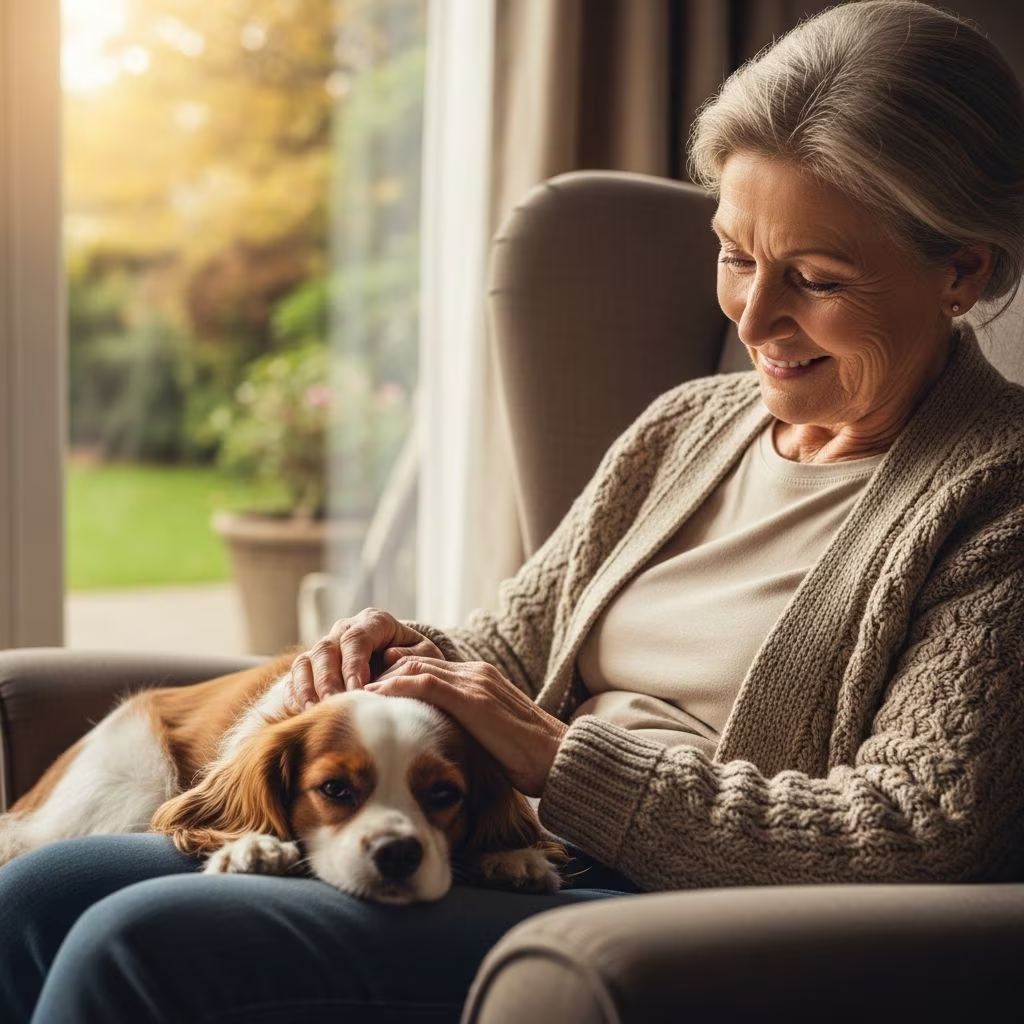
Finding the perfect canine companion during your golden years involves more than simply selecting a popular breed. As you transition into retirement or your senior years, your lifestyle, energy levels, living situation, and personal preferences all play crucial roles in determining which dog would thrive alongside you. The right dog can provide invaluable emotional support, encourage gentle physical activity, and offer unconditional companionship during this rewarding phase of life. This guide explores thoughtfully curated breeds that align with various senior lifestyles, helping you make an informed decision that benefits both you and your future furry friend.
Understanding Your Lifestyle Before Selecting a Breed
The foundation of choosing an appropriate dog breed begins with honest self-assessment. Consider your daily routine, activity preferences, and energy levels throughout the week. Some seniors remain highly active and enjoy outdoor adventures, while others prefer quieter indoor activities and shorter excursions. Your living situation matters significantly too—whether you reside in a spacious home with a yard, a modest apartment, or an assisted living community will influence which breeds adapt best to your environment.
Additionally, evaluate your capacity for grooming maintenance and veterinary care. While many senior-friendly breeds require minimal exercise, some demand regular professional grooming or have specific health considerations. Your financial readiness for pet ownership, including food, medical care, and emergency expenses, should also factor into your decision-making process. Understanding these aspects upfront ensures you select a breed that genuinely fits your lifestyle rather than one that requires compromises.
The Gentle Giants and Quiet Companions
Cavalier King Charles Spaniel: The Affectionate Classic
The Cavalier King Charles Spaniel stands as a consistently excellent choice for seniors seeking devoted companionship. These elegant dogs, typically weighing 13–18 pounds, combine manageable size with remarkable emotional intelligence. Their gentle temperament and natural affinity for human connection make them exceptional lap dogs who genuinely enjoy spending quality time with their owners.
These spaniels thrive on moderate activity, requiring light to moderate daily walks and casual playtime without demanding extensive exercise routines. Their calm demeanor creates a peaceful household atmosphere while still providing meaningful interaction. Though their coats need regular brushing to maintain appearance, they remain relatively low-maintenance overall. For seniors who prioritize emotional bonding and gentle companionship, Cavalier King Charles Spaniels deliver consistent, unwavering affection.
Shih Tzu: The Devoted Lap Dog
Originally bred as palace companions, Shih Tzus retain their predisposition for indoor living and close bonding with their owners. These small dogs, weighing between 9–16 pounds, possess big personalities contained in compact frames that make them perfect for various living situations. Their low exercise requirements and calm demeanor suit seniors who prefer relaxed routines centered around home comfort.
Many seniors find the daily grooming routine for Shih Tzus to be a meditative, bonding experience rather than a burden. Their coats require attention, but the intimate care process strengthens the connection between owner and pet. These dogs excel at providing emotional support and demonstrate remarkable attentiveness to their owners’ moods and needs. For individuals seeking a devoted companion who thrives on close proximity and gentle interaction, the Shih Tzu represents an ideal match.
Maltese: Pocket-Sized Devotion
The Maltese offers seniors a compact yet deeply affectionate companion. These diminutive dogs, easily carried and managed due to their small stature, thrive on constant companionship and attention. Their low energy levels align perfectly with relaxed household routines and limited outdoor commitments. Despite their flowing, silky coats, Maltese dogs remain relatively straightforward to groom with consistent home care and periodic professional attention.
Their loving, gentle nature creates meaningful emotional bonds with their owners. For seniors living in confined spaces or those with limited mobility, Maltese dogs adapt seamlessly to life indoors while providing significant emotional enrichment and companionship.
Intelligent and Hypoallergenic Options
Poodles: The Adaptable Intellectuals
Poodles, available in toy (4–6 pounds) and miniature (10–15 pounds) varieties, offer seniors remarkable versatility combined with exceptional intelligence. These dogs rank among the most trainable breeds, eager to please and responsive to commands. Their hypoallergenic coats present significant advantages for seniors with allergies or respiratory sensitivities.
While poodles maintain moderate to high energy levels depending on size, they require daily walks and interactive play rather than excessive exercise. Their minimal shedding keeps homes cleaner and reduces allergen accumulation. Professional grooming every 6–8 weeks maintains their distinctive appearance. For active seniors who appreciate mental stimulation and desire a dog that responds enthusiastically to training, poodles deliver exceptional companionship alongside practical health benefits.
Bichon Frise: The Cheerful Companion
The Bichon Frise combines a naturally playful personality with hypoallergenic qualities, making them excellent for seniors with allergies. These fluffy companions, typically weighing 12–18 pounds, are renowned as one of the cheeriest dog breeds, bringing consistent joy to their households. Their moderate grooming needs—requiring occasional professional attention—remain manageable for most seniors.
Bichon Frises shed minimally, keeping homes cleaner and reducing allergy triggers. Their friendly, social nature thrives on human interaction and quickly integrates them into family routines. These dogs adapt well to their owner’s energy levels while maintaining enough personality to keep spirits elevated. For seniors seeking a low-shedding companion with genuine charm and affection, the Bichon Frise offers an outstanding choice.
Low-Energy, Low-Maintenance Breeds
French Bulldog: The Laid-Back Companion
French Bulldogs represent the quintessential low-maintenance choice for seniors prioritizing simplicity and relaxation. These quiet, adaptable dogs typically weigh 20–28 pounds and excel in apartment living or smaller homes. Their minimal exercise requirements—short walks and indoor activities suffice—align perfectly with seniors who cannot commit to extensive outdoor routines.
French Bulldogs demand only basic brushing and occasional baths, requiring minimal grooming effort. Their calm temperament creates peaceful household environments while remaining naturally attentive and companionable. These dogs adapt seamlessly to their owner’s schedules and preferences, providing excellent company without excessive demands. For seniors in apartments or those seeking an easygoing companion, French Bulldogs deliver reliable, uncomplicated companionship.
Dachshund: The Alert Watchdog with Heart
Dachshunds bring character, loyalty, and adaptability to senior households. Available in miniature or standard varieties, these distinctive dogs weigh between 11–32 pounds depending on type. Their devoted nature and alertness make them excellent watchdogs while maintaining loving family relationships.
Light daily exercise—short walks and casual playtime—maintains their health and happiness without excessive physical demands. Smooth-coat varieties require particularly minimal grooming, making them accessible for seniors with limited grooming capacity. Dachshunds form strong bonds with their owners, demonstrating unwavering loyalty and genuine affection. Their manageable size and straightforward care requirements make them suitable for various living situations.
Active Breeds for Energetic Seniors
English Cocker Spaniel: For the Active Retiree
Seniors maintaining active outdoor lifestyles benefit from considering English Cocker Spaniels, medium-sized dogs combining liveliness with genuine affection. These exuberant companions require approximately two 30-minute walks daily but equally enjoy quiet moments curled beside their owners on the couch. Their strong desire to please makes them exceptionally trainable and responsive to commands.
English Cocker Spaniels travel wonderfully and adapt comfortably to various environments and situations. Their soulful expressions and soft ears create endearing charm that deepens owner attachment over time. Regular grooming, including weekly brushing, maintains their coat’s beautiful appearance. For active seniors seeking an engaging companion that combines outdoor enthusiasm with indoor contentment, English Cocker Spaniels provide excellent matches.
Labrador Retriever: The Motivating Companion
For seniors desiring motivation to remain physically active, Labrador Retrievers offer substantial advantages. Despite their larger size, these gentle, family-oriented dogs encourage daily walks, outdoor play, and sustained physical activity. Their friendly, social, and eager-to-please temperament creates strong bonds while fostering active lifestyles. Labradors thrive in various climates and love water-based activities, making them excellent for seniors in warmer regions or those near recreational water areas.
These dogs require consistent daily exercise and outdoor engagement, making them ideal for seniors who already maintain active routines or desire structured activity within their retirement years.
Special Considerations for Senior Dog Ownership
Climate Adaptability
Seniors relocating to warmer climates should select breeds suited to heat tolerance. Short-coated breeds like Labrador Retrievers generally adapt well to warm weather. Conversely, breeds with short legs may struggle in excessive heat, and heavy-coated breeds might suffer discomfort in warm climates. Considering your geographic location ensures your dog remains comfortable throughout your retirement years.
Rescue and Senior Dogs
Many seniors overlook the benefits of adopting older dogs from rescue organizations. Senior rescue dogs often arrive already house-trained, calm, and emotionally mature, requiring less intensive training and adjustment periods. These dogs frequently match perfectly with lower-key lifestyles and provide meaningful companionship while offering rescue animals deserving homes.
Living Space Considerations
Whether residing in sprawling homes, modest apartments, or assisted living communities influences breed selection. Smaller breeds adapt more easily to confined spaces, while larger breeds require adequate room for comfortable living. Many smaller breeds thrive in apartments or assisted living environments without difficulty.
Grooming and Maintenance Planning
Understanding grooming requirements prevents surprising complications after adopting a dog. Hypoallergenic breeds like poodles and Bichon Frises require regular professional grooming, typically every 6–8 weeks. Other breeds need only basic brushing and occasional baths. Evaluate whether you can manage home grooming or budget for regular professional services. This planning ensures sustainable, long-term pet ownership without unmanageable expenses or stress.
Health Considerations and Veterinary Care
Certain breeds predispose toward specific health conditions requiring monitoring. Establishing relationships with veterinarians, budgeting for regular checkups, and understanding your chosen breed’s common health concerns ensures proactive care. Senior dogs themselves may require more frequent veterinary visits. Planning for these healthcare needs upfront prevents financial strain and ensures your dog receives appropriate medical attention throughout your years together.
Comparing Key Breed Characteristics
| Breed | Size | Energy Level | Grooming Needs | Hypoallergenic | Best For |
|---|---|---|---|---|---|
| Cavalier King Charles Spaniel | 13–18 lbs | Moderate | Regular brushing | No | Affectionate companions |
| Shih Tzu | 9–16 lbs | Low–Moderate | Daily grooming | Yes | Close bonding seekers |
| Poodle (Toy/Miniature) | 4–15 lbs | Moderate–High | Professional grooming | Yes | Active allergy-prone seniors |
| Bichon Frise | 12–18 lbs | Moderate | Occasional professional | Yes | Allergy-prone cheerful companions |
| French Bulldog | 20–28 lbs | Low | Minimal | No | Low-maintenance seekers |
| Dachshund | 11–32 lbs | Light | Minimal (smooth coat) | No | Alert watchdog seekers |
| English Cocker Spaniel | Medium | Moderate–High | Weekly brushing | No | Active outdoor enthusiasts |
Frequently Asked Questions
What size dog works best for seniors with mobility limitations?
Smaller breeds between 9–18 pounds generally suit seniors with mobility challenges, as they require less physical strength to manage, groom, and handle during veterinary visits. Breeds like Cavalier King Charles Spaniels, Shih Tzus, and Bichon Frises offer manageable sizes while providing substantial emotional support.
Are there good dog breeds for seniors with limited grooming capacity?
French Bulldogs and smooth-coat Dachshunds require minimal grooming, making them excellent for seniors unable to commit extensive time to coat maintenance. These breeds need only basic brushing and occasional baths, reducing grooming burdens considerably.
Can seniors with allergies safely own dogs?
Yes, hypoallergenic breeds including Poodles, Bichon Frises, and Shih Tzus produce less dander and shed minimally, making them suitable for allergy-prone seniors. However, no dog is completely hypoallergenic, so seniors with severe allergies should spend time with specific breeds before committing to adoption.
What about adopting senior dogs from rescue organizations?
Senior rescue dogs frequently match excellently with older owners, as they arrive house-trained, emotionally mature, and calmer than younger dogs. Many rescue organizations have senior dogs specifically awaiting placement with compatible senior owners.
How much daily exercise do senior-appropriate breeds require?
Most senior-appropriate breeds need 20–30 minutes of moderate daily activity. French Bulldogs and Dachshunds require minimal exercise, while Poodles and English Cocker Spaniels need more consistent activity. Matching your dog’s exercise needs to your capability prevents frustration and ensures your dog remains healthy and content.
Making Your Final Decision
Selecting the right dog during your senior years represents a significant personal decision affecting both your life and your future companion’s well-being. Take time evaluating your lifestyle, preferences, living situation, and capacity for pet care. Consider visiting breeders or rescue organizations to interact with potential dogs before making commitments. Many breed-specific rescue groups exist, allowing you to learn more about particular breeds from experienced advocates. Finally, ensure your veterinarian approves your choice and discusses any breed-specific health concerns relevant to your circumstances. With thoughtful consideration and proper planning, you can welcome a canine companion who enriches your retirement years with joy, purpose, and unconditional affection.
References
- Best Dogs for Seniors: Finding the Perfect Breed for Every Lifestyle — The Arlington of Naples. 2024. https://thearlingtonofnaples.com/blog-news/best-dog-breeds-for-seniors/
- Popular Dog Breeds for Seniors and Retirees — The Animal Hospital. 2024. https://www.theanimalhospital.net/popular-dog-breeds-for-seniors-and-retirees/
- 7 Best Dog Breeds for Seniors — Elder Care Alliance. 2024. https://eldercarealliance.org/blog/the-7-best-dog-breeds-for-seniors/
- Great Breeds of Dogs for Seniors — American Kennel Club. 2024. https://www.akc.org/expert-advice/dog-breeds/dog-breeds-for-seniors/
- Dog Breeds for Older Adults Based on Your Personality — AARP. 2024. https://www.aarp.org/family-relationships/dog-breeds-for-older-adults/



