

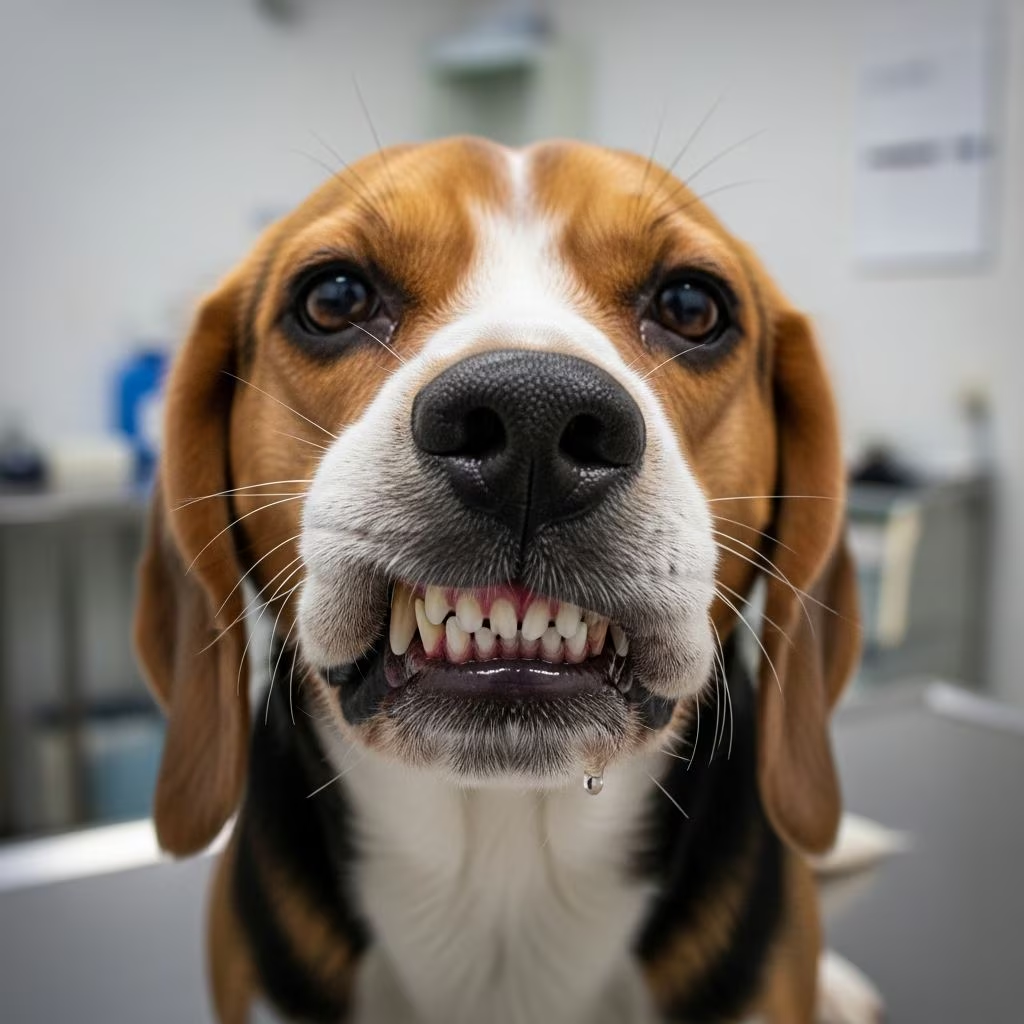
Dental problems affect up to 80% of dogs by age three, with certain breeds facing significantly higher risks due to genetics, jaw structure, and anatomy. Small and toy breeds, brachycephalics, and even some large dogs require tailored oral care to prevent painful conditions like periodontitis and tooth loss.
Why Do Some Dog Breeds Have More Dental Problems?
Certain dog breeds are predisposed to dental issues primarily because of their skull and jaw conformations. Brachycephalic (flat-faced) breeds like Bulldogs and Pugs have shortened jaws that crowd teeth together, leading to rapid plaque buildup, misalignment, and gum disease. Toy breeds such as Chihuahuas and Yorkshire Terriers suffer from overcrowded teeth in tiny mouths, retained deciduous teeth, and thinner enamel, accelerating periodontal disease onset by age 2-3.
Large breeds like Greyhounds and Labrador Retrievers face different challenges: elongated jaws cause gum recession, while powerful chewers risk slab fractures on molars. A landmark study analyzing over three million records from Banfield Pet Hospital found extra-small breeds (under 14.3 lbs) up to five times more likely to develop periodontal disease than giant breeds, with prevalence rates hitting 38.7% in Greyhounds.
Genetic factors influence enamel strength, immune response to bacteria, and bone support around teeth. Smaller dogs have proportionally larger teeth relative to alveolar bone, creating pockets for bacteria even with brushing.
Brachycephalic Breeds and Dental Challenges
Brachycephalic dogs—Pugs, French Bulldogs, Boston Terriers, and Boxers—have compressed skulls and undershot jaws, resulting in rotated teeth, malocclusions, and underbites. These features trap food and plaque, fostering tartar and gingivitis.
- Crowded teeth: Limited space causes overlapping, making cleaning impossible and inviting periodontitis.
- Malocclusion: Misaligned bites lead to uneven wear and trauma to gums.
- Prevalence: These breeds often need dental cleanings twice yearly due to rapid disease progression.
Boxers and Bulldogs also show gingival hyperplasia, where gums overgrow and cover teeth, hiding plaque.
Toy and Small Breed Dental Vulnerabilities
Toy breeds like Chihuahuas, Maltese, Yorkshire Terriers, Pomeranians, and Toy Poodles dominate dental disease statistics. Their small jaws can’t accommodate full adult dentition, leading to persistent baby teeth, overcrowding, and weak gum attachments.
| Breed | Key Dental Risk | Prevalence (%) |
|---|---|---|
| Papillon | Periodontal disease | 29.7 |
| Toy Poodle | Tooth loss, overcrowding | 28.9 |
| Miniature Poodle | Gum recession | 28.2 |
| Yorkshire Terrier | Retained deciduous teeth | High |
| Chihuahua | Early periodontitis | Very high |
These dogs form tartar quickly, with disease starting early. Less bone support means even minor plaque causes bone loss. Professional cleanings every 6-12 months, plus daily brushing, are crucial.
Large and Giant Breed Oral Health Issues
While less prone overall, large breeds aren’t immune. Greyhounds top prevalence at 38.7%, suffering chronic ulcerative paradental stomatitis (CUPS) with ulcers from inflamed cheeks contacting plaque.
- Greyhounds/Collies: Long jaws lead to root exposure and recession.
- Labradors/Pit Bulls: Worn teeth from chewing bones or toys.
- Great Danes/Mastiffs: Fractures on carnassial teeth (upper PM4).
Boxers, Dobermans, and Dalmatians risk gingival hyperplasia from genetics or meds.
Common Dental Diseases in At-Risk Breeds
Periodontal Disease
The most prevalent issue, progressing from plaque (bacterial film forming hours post-cleaning) to gingivitis (gum inflammation) and periodontitis (pocket formation, bone loss). Toy breeds hit stage 3-4 by age 3.
Retained Deciduous Teeth
Common in small breeds; baby teeth don’t fall out, causing permanent teeth to erupt crookedly and crowd further.
Gingival Hyperplasia
Excess gum growth in Boxers/Collies covers teeth, trapping debris. Surgical removal often needed.
Chronic Ulcerative Paradental Stomatitis (CUPS)
Affects Maltese, Cavaliers, Cockers; hypersensitive immune response to plaque causes ulcers and pain.
Tooth Fractures and Wear
Large breeds crack teeth chewing; exposed pulp leads to abscesses.
Prevention and Home Care for High-Risk Breeds
Proactive care halves disease risk. Start dental routines at puppyhood, especially for predisposed breeds.
- Daily Brushing: Use enzymatic toothpaste and breed-sized brush. Focus on outer surfaces.
- Dental Chews/Treats: VOHC-approved products reduce plaque by 20-70%.
- Diet: Kibble sized for breed; dental-specific formulas scrape teeth.
- Water Additives: Chlorhexidine-based for plaque control.
Annual vet exams with X-rays detect hidden issues. High-risk breeds need cleanings 1-2x/year under anesthesia for scaling, polishing, and extractions.
When to See a Vet for Dental Issues
Watch for bad breath, drooling, pawing at mouth, loose teeth, bleeding gums, or eating changes. Early intervention prevents extractions (up to 50% in small breeds).
Vets use probing, X-rays, and charts to stage disease. Treatments include antibiotics, pain meds, deep cleanings, or surgery.
Frequently Asked Questions (FAQs)
Which dog breeds are most prone to dental problems?
Toy breeds like Chihuahuas, Yorkies, and Poodles; brachycephalics like Pugs and Frenchies; Greyhounds for CUPS.
Do small dogs really have worse dental health?
Yes, extra-small breeds are 5x more likely due to crowding and weak bone support.
How often should high-risk breeds get dental cleanings?
Every 6-12 months, plus daily home care.
Can dental disease be reversed in dogs?
Gingivitis yes, via cleaning; periodontitis no—only managed to halt progression.
What causes bad breath in predisposed breeds?
Plaque bacteria, gingivitis, or CUPS ulcers.
Conclusion: Breed-Specific Care Saves Smiles
Knowing your breed’s risks empowers prevention. Combine home care with vet oversight for pain-free, healthy mouths. Consult your vet for personalized plans.
References
- Breed-related dental problems of dogs — North Bay Veterinary Dentistry. Accessed 2026. https://northbayvetdentist.com/breed-related-dental-problems-of-dogs/
- Smaller dog breeds at higher risk of developing dental problems — Veterinary Practice. 2021-07-01. https://www.veterinary-practice.com/2021/smaller-dog-breeds-at-higher-risk-of-developing-dental-problems-than-their-larger-canine-friends
- How Breed Influences Canine Dental Health — Animal Dental AZ. Accessed 2026. https://animaldentalaz.com/how-breed-influences-canine-dental-health/
- Do Small Dogs Have More Dental Problems? — Kinship. Accessed 2026. https://www.kinship.com/dog-health/small-dogs-dental-disease
- Dog Owners’ Ideas and Strategies Regarding Dental Health — NIH PMC. 2022-05-11. https://pmc.ncbi.nlm.nih.gov/articles/PMC9113195/
- 80% of Dogs Have a Dental Disease — Kinship. Accessed 2026. https://www.kinship.com/dog-health/dental-disease-in-dogs



