
Dog Breeds and Cancer Risks
Explore which dog breeds face higher cancer risks, common types, and prevention strategies for better pet longevity.
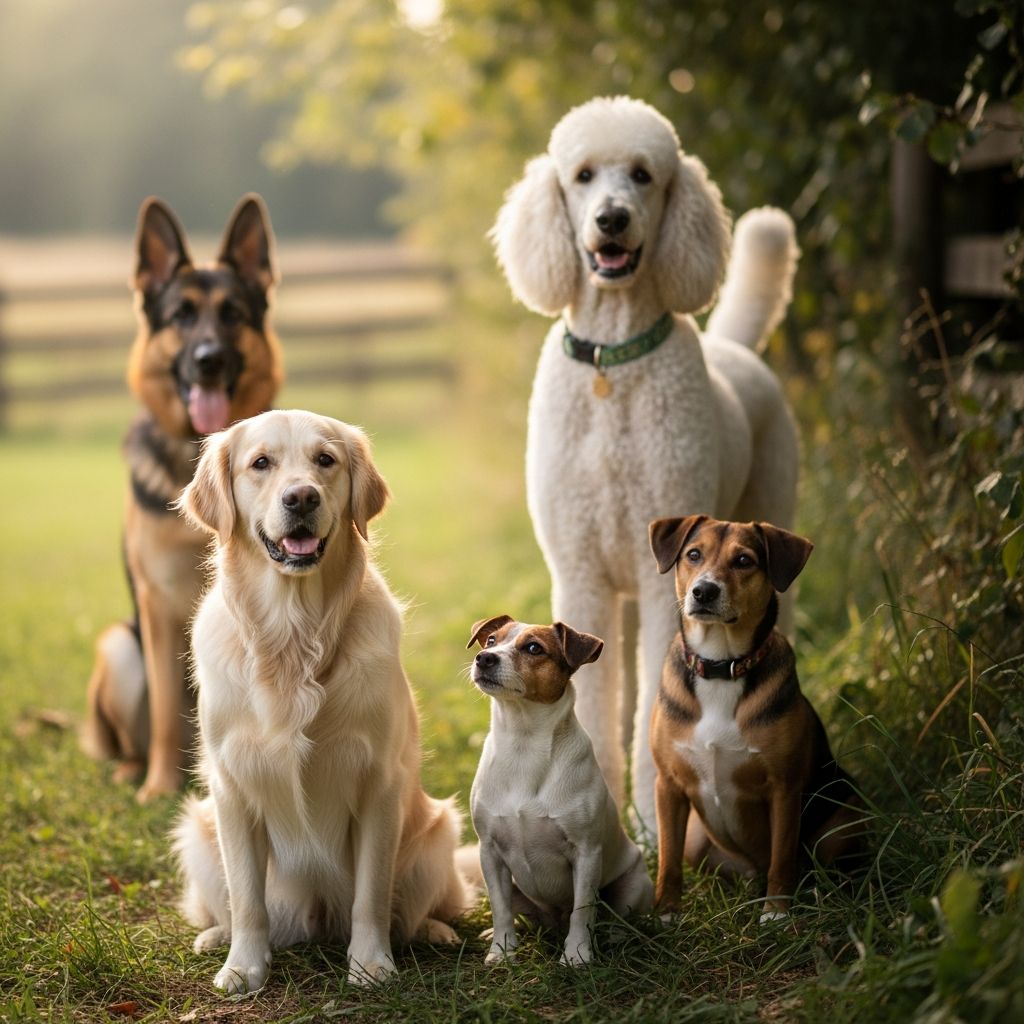
Cancer remains one of the leading causes of death in dogs, particularly among certain breeds. Recent veterinary research highlights how genetics, size, and breed heritage influence susceptibility to various tumors. Understanding these patterns empowers owners to pursue proactive monitoring and care.
The Link Between Breed Genetics and Cancer Incidence
Genetic factors play a pivotal role in canine cancer development. Purebred dogs often exhibit higher relative risks compared to mixed breeds due to selective breeding that amplifies specific traits—and vulnerabilities. For instance, studies analyzing insurance claims show purebreds have nearly double the cancer risk. This stems from limited gene pools that concentrate harmful mutations.
Size also correlates with cancer probability. Medium-sized dogs face elevated risks, while tiny breeds like Chihuahuas and very large ones like Great Danes show lower incidences, partly because larger dogs have shorter lifespans limiting exposure time. Cancer primarily affects older dogs, so breeds with extended longevity encounter more opportunities for tumor formation.
High-Risk Breeds and Their Vulnerabilities
Several popular breeds consistently appear in cancer statistics. Here’s a breakdown of the most affected:
- Golden Retrievers: Up to 60% may develop cancer, with lymphoma, hemangiosarcoma, osteosarcoma, and histiocytic sarcoma common. They rank high in claims for bone, cardiac, liver, lymphatic, and spleen cancers.
- Boxers: Approximately 38% face cancer diagnoses, including mast cell tumors, lymphoma, skin, heart, and brain tumors. They lead in relative risk across popular breeds.
- Bernese Mountain Dogs: Over 50% encounter aggressive cancers like histiocytic sarcoma, drastically shortening lifespans.
- Beagles: Prone to bladder, endocrine, liver, mammary, spleen cancers, and mast cell tumors. High claim rates place them in the top three risky breeds.
- Rottweilers: High osteosarcoma rates contribute to short lifespans of 8-10 years; also susceptible to hemangiosarcoma and histiocytic sarcoma.
Other notable breeds include Great Danes (early-onset lymphoma, mast cell tumors, hemangiosarcoma, osteosarcoma at 6.2 years average), German Shepherds (osteosarcoma, hemangiosarcoma), and Labrador Retrievers (lymphoma, hemangiosarcoma).
Common Cancer Types by Breed Size and Traits
Different tumors prevail based on anatomy and genetics. Large and giant breeds often battle bone-related issues:
| Cancer Type | Affected Breeds | Key Notes |
|---|---|---|
| Osteosarcoma (Bone Cancer) | Rottweilers, Great Danes, Golden Retrievers, German Shepherds, Irish Wolfhounds | Aggressive; early claims around 8.61 years. |
| Hemangiosarcoma | Golden Retrievers, German Shepherds, Boxers, Labradors | Blood vessel cancer; spleen/liver common. |
| Mast Cell Tumors | Boxers, Beagles, Boston Terriers, Bulldogs, Labrador Retrievers | Skin-based; earliest at 8.11 years. |
| Lymphoma | Golden Retrievers, Boxers, Great Danes, Bouvier des Flandres | Lymphatic system; 8.57 years average onset. |
| Histiocytic Sarcoma | Bernese Mountain Dogs, Flat-Coated Retrievers, Rottweilers | Highly aggressive in herding breeds. |
Smaller breeds like Scottish Terriers show elevated bladder cancer (transitional cell carcinoma), while terriers generally exceed size-expected rates. Melanomas strike older dogs, especially in toes of dark-coated breeds like Schnauzers and Cocker Spaniels.
Why Purebreds Face Greater Odds Than Mixed Breeds
Debate persists on purebred versus mixed-breed cancer risks. Some data indicate no significant difference, as a UC Davis study of 90,000 dogs found cancer equally prevalent. However, insurance analyses contradict this, showing purebreds at 1.9 times higher risk, with top claims in Boxers, Beagles, and Goldens. Mixed breeds benefit from hybrid vigor, diluting harmful genes, though they aren’t immune.
Outliers exist: Flat-Coated Retrievers suffer sarcoma far beyond size predictions, underscoring breed-specific genetics over general trends.
Early Detection: Signs and Screening Strategies
Owners of at-risk breeds should vigilantly watch for symptoms like unexplained lumps, weight loss, lethargy, limping, or appetite changes. High-risk breeds warrant annual vet checkups starting at age 5, including bloodwork and imaging.
Spaying/neutering influences risks: Intact females face higher mammary tumors, prevalent in Boxers and Dachshunds. Early spay (before 2 years) reduces this, though timing balances other health factors.
Prevention and Lifestyle Interventions
While genetics dominate, environment aids prevention:
- Maintain ideal weight to curb inflammation-linked cancers.
- Provide antioxidant-rich diets with omega-3s, potentially lowering lymphoma odds.
- Minimize sun exposure for light-skinned breeds prone to skin cancers.
- Regular exercise boosts immunity; avoid carcinogen exposure like secondhand smoke.
Research into breed-tailored vaccines and therapies advances, but no cure-all exists yet. Genetic testing for at-risk breeds like Goldens identifies carriers early.
Age of Onset: When Risks Peak
Cancer claims strike young in some breeds: Great Danes at 6.2 years, French Bulldogs at 6.8, Dobermans at 7.4. Skin and lymphatic cancers manifest earliest across breeds (8.11-8.62 years). Small dogs’ longer lives (up to 14 years) heighten cumulative risk despite lower per-size rates.
FAQs on Dog Cancer Risks
Which breed has the highest cancer risk?
Golden Retrievers top lists with up to 60% lifetime risk, followed closely by Boxers and Bernese Mountain Dogs.
Do mixed breeds get less cancer?
Evidence is mixed; some studies show equal risk, but purebreds often claim higher rates due to genetics.
Can diet prevent cancer in high-risk dogs?
No guarantee, but nutrient-dense foods supporting immunity may help mitigate risks alongside vet care.
What is the most common cancer in large breeds?
Osteosarcoma and hemangiosarcoma dominate in giants like Rottweilers and Great Danes.
Should I avoid breeds prone to cancer?
Awareness allows informed choices; many thrive with vigilant care and early intervention.
Outlook for At-Risk Breeds
Advances in oncology offer hope: targeted therapies extend survival for lymphoma and mast cell tumors. Owners play a crucial role through awareness. By selecting breeders prioritizing health testing and committing to lifelong monitoring, lifespans improve even for vulnerable breeds. Collaboration between vets, researchers, and owners drives progress against this canine foe.
References
- Nationwide releases findings on cancer in dogs — AVMA. 2023-10-10. https://www.avma.org/news/nationwide-releases-findings-cancer-dogs
- Study reveals cancer vulnerabilities in popular dog breeds — UC Riverside News. 2024-04-29. https://news.ucr.edu/articles/2024/04/29/study-reveals-cancer-vulnerabilities-popular-dog-breeds
- Pet Breeds With Higher Cancer Risks — Holistic Pet Care NJ. 2023-05-15. https://holisticpetcarenj.com/blog/pet-breeds-with-higher-cancer-risks
- Dog Breeds and Cancer: Which Dogs Have Increased Risk? — The Vetiverse. 2024-02-20. https://www.thevetiverse.com/en/latest/dog-breeds-and-cancer-which-dogs-have-increased-risk/
- Dog Breeds Most Likely to Get Cancer — Anivive. 2023-11-05. https://www.anivive.com/learn/article/dog-breeds-most-likely-to-get-cancer
- Dog Breeds Prone To Cancer — DogCancer.com. 2024-01-12. https://www.dogcancer.com/articles/causes-and-prevention/dog-breeds-prone-to-cancer/
- Which Dog Breeds are Prone to Cancer? Why? — We Are The Cure. 2023-08-18. https://wearethecure.org/dog-breeds-prone-to-cancer/
Similar Articles








Read full bio of Sneha Tete




