

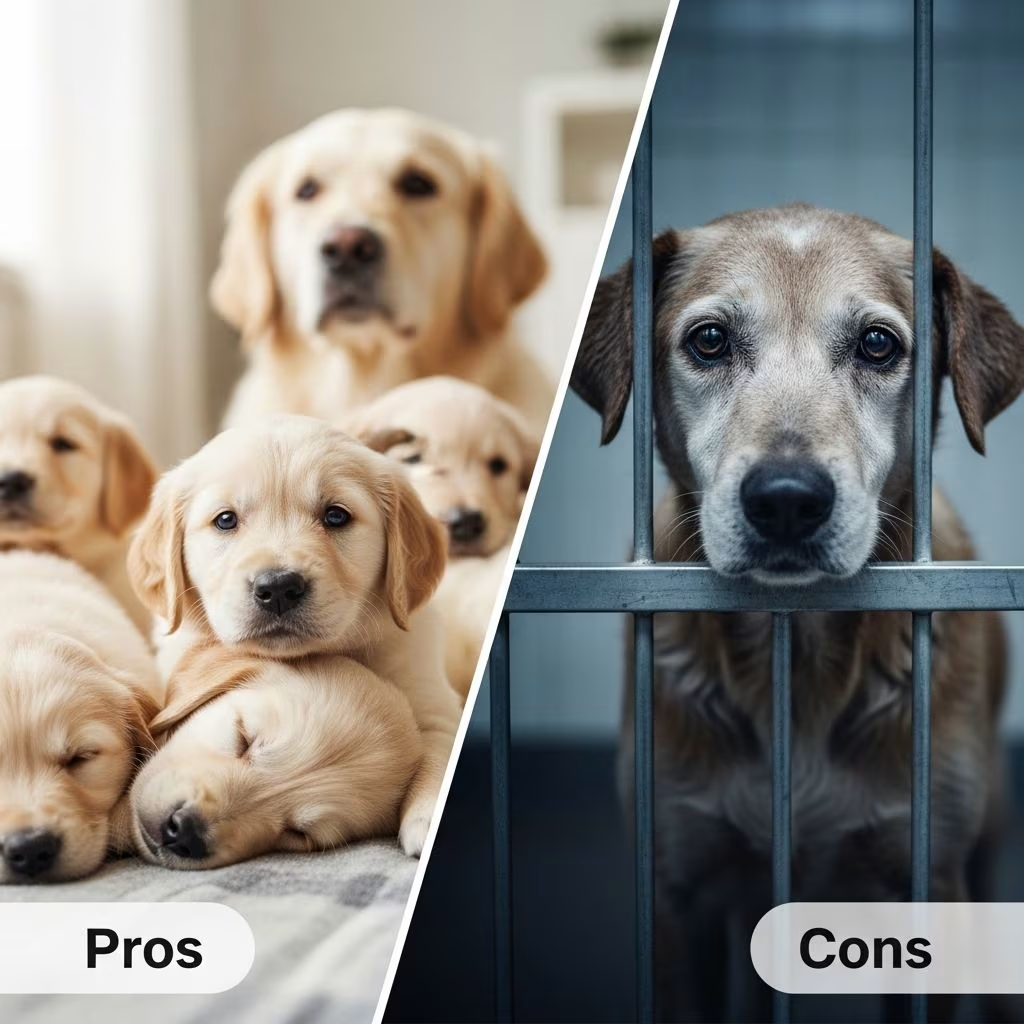
Understanding Dog Breeding: A Comprehensive Guide for Pet Owners
The decision to breed your dog is one that should not be taken lightly. While the idea of puppies may seem appealing, responsible dog breeding involves significant financial investment, time commitment, and careful consideration of numerous factors. Whether you’re contemplating breeding your pet or simply want to understand the complexities involved, this guide explores the genuine pros and cons of dog breeding from a pet owner’s perspective.
The Advantages of Responsible Dog Breeding
Advancing the Breed
One of the most meaningful reasons to breed dogs is the opportunity to advance and improve the breed. Responsible breeders work with passion and dedication to develop dogs that exemplify breed standards while maintaining genetic health. The ability to eradicate undesired traits and hereditary diseases can be incredibly rewarding, contributing to healthier future generations of the breed.
The Joy of Working with Dogs
For those who genuinely love dogs, breeding can be a compassionate and caring role that brings tremendous joy. Breeders who do this work successfully often report that their passion for the breed and commitment to improving it provides deep personal satisfaction that extends far beyond any financial consideration.
Promoting Safe and Responsible Dog Ownership
Responsible breeders play a crucial role in encouraging safe pet ownership practices. By sharing their knowledge of the breed, carefully matching puppies with appropriate owners, and maintaining ongoing relationships with new families, breeders help ensure that dogs go to homes where they will be properly cared for and cherished.
The Significant Disadvantages of Dog Breeding
No Guarantee of Temperament
Despite careful planning and selection, there is no guarantee that puppies will develop the desired temperament or personality traits. Dogs are individuals, much like people, and genetic predisposition is only part of what shapes their behavior. Environmental factors, socialization, and individual personality all play important roles. Even the most carefully bred litter may produce puppies with unexpected behavioral characteristics, which can be disappointing or challenging for both breeders and new owners.
Substantial Financial Costs
Responsible dog breeding involves tremendous financial commitment that many people underestimate. The costs include:
- Comprehensive health screening and testing to identify hereditary diseases
- Genetic screening to prevent puppies from inheriting lifelong medical conditions
- Veterinary emergency preparedness for complications during breeding or birth
- Initial veterinary care for puppies, including vaccinations, deworming, and microchipping
- High-quality nutrition for the mother and developing puppies
- Specialized equipment such as whelping pens, heating supplies, and monitoring equipment
- Potential emergency veterinary bills if complications arise during pregnancy or delivery
Many responsible breeders spend thousands of dollars per litter and may not recover these costs through puppy sales. The financial responsibility is substantial and requires careful budgeting and preparation.
The Challenge of Finding Suitable Homes
One of the most critical and often underestimated challenges of breeding is finding good homes for all the puppies in the litter. The owner of the female dog bears primary responsibility for this task. Unfortunately, finding appropriate homes is not always easy or quick. The large number of unwanted dogs in animal shelters demonstrates the reality that not every puppy finds an ideal placement.
Breeders must be prepared to face difficult questions: What will happen to puppies if suitable homes cannot be found? Will you be comfortable if some or all of the remaining puppies end up in an animal shelter, puppy mill, or other unhappy home? This represents a serious decision with significant consequences for each puppy’s future wellbeing and quality of life.
Extensive Time Investment
Dog breeding can become an all-consuming profession. Beyond the actual mating and birth, responsible breeders invest substantial time in:
- Raising and socializing puppies during their critical developmental period
- Attending dog shows and competitions to understand breed standards
- Participating in obedience classes and agility training
- Active involvement in breed clubs and organizations
- Conducting health testing and genetic screening
- Screening and interviewing potential puppy owners
- Providing ongoing support and guidance to new puppy owners
Requirement for Specialized Knowledge
Professional dog breeding requires substantial knowledge about genetics, breed standards, and health considerations. It is not something to enter into without thorough preparation and education. Responsible breeders must understand the genetics of their breed, recognize how traits are inherited, and make informed decisions about which dogs should be bred together. This knowledge is essential for improving a breeding line with each generation and avoiding the perpetuation of genetic health problems.
Practical Household Disruptions
Sharing your home with a litter of puppies presents practical challenges that shouldn’t be minimized. Puppies require constant attention, create mess and noise, and demand significant daily care. Managing the needs of a pregnant dog and newborn litter, along with existing pets and family life, requires careful planning and substantial lifestyle adjustment.
Recognition of Breed Standards and Personal Honesty
To breed responsibly, you must be able to honestly recognize and accept your dog’s flaws and limitations. This requires understanding the ideal breed standard and being willing to acknowledge where your dog falls short. Only by maintaining this objectivity can breeders make sound decisions about breeding and work to improve the breed over generations.
Important Considerations About Sexual Behavior
Will Breeding Reduce Sexual Behaviors?
Many dog owners mistakenly believe that breeding their dog will reduce unwanted sexual behaviors. This is not supported by evidence. In fact, mating your dog may actually make these sexual behaviors worse rather than better. If your intention is to control or curtail your dog’s sexual behaviors or proclivities, breeding is not an effective solution.
The Benefits of Neutering Instead
If reducing sexual behaviors is your goal, neutering is the appropriate solution. Neutering has been proven to reduce unwanted behaviors such as roaming to find a mate. The advantages of neutering far outweigh any disadvantages and include:
- Elimination of the risk of developing testicular cancer
- Reduced chances of developing prostate disease
- No negative behavioral changes in your pet
- Overall improved health and longevity
Neutering is a well-proven, scientifically supported approach that only makes your pet healthier and may even extend their life.
Health Considerations and Genetic Concerns
Modern dog breeding raises significant health and genetic concerns that responsible breeders must address. Inbreeding and limited genetic diversity, while sometimes necessary to maintain breed standards, can concentrate recessive genetic disorders and lead to higher rates of inherited health problems. This increased genetic load of deleterious variation compromises a breed’s ability to resist new diseases and adapt to changing environments.
Some popular dog breeds face particular challenges. Breeds with extreme physical characteristics, such as brachycephalic dogs (those with shortened muzzles), experience higher prevalence of serious health problems including respiratory issues, dystocia (difficult labor), spinal disease, exercise intolerance, and heat stroke. These health concerns have become so dramatic that professionals have warned against continuing to breed certain breeds in their current forms, yet demand for these breeds remains high.
The negative impact of selective breeding extends beyond physical conformation to behavioral traits. Research shows that popular dog breeds are not necessarily superior in terms of behavior, lifespan, or health outcomes. In fact, popular breeds tend to be less trainable and more prone to separation anxiety, fear of other dogs, and aggression toward their owners.
Ethical Considerations in Dog Breeding
The dog breeding industry faces significant ethical scrutiny. Commercial breeding, particularly of fashionable breeds that become suddenly popular, can lead to treating dogs as commodities rather than valued companions. This approach results in insufficient consideration of dogs’ welfare needs and interests, potentially leading to harm and suffering.
Unregulated breeding practices and the demand for rare or trendy breeds can lead to illegal breeding operations that completely disregard animal welfare. Dogs in these operations often face confined spaces, lack of socialization, insufficient exercise, and poor living conditions. The long-term effects on these animals include behavioral problems, anxiety, difficulty adapting to normal family life, and reduced quality of life.
Key Takeaways for Pet Owners
Before making the decision to breed your dog, carefully consider all the factors presented here:
- Breeding should be undertaken only with a genuine commitment to improving the breed, not for profit
- Financial costs are substantial and may exceed income from puppy sales
- Health screening and genetic testing are non-negotiable responsibilities
- Finding good homes for all puppies is challenging and time-consuming
- Breeding requires extensive knowledge about genetics, breed standards, and health
- Breeding will not solve unwanted sexual behaviors; neutering is the appropriate solution
- Responsible ownership of breeding dogs carries significant ethical implications
Frequently Asked Questions
Q: What health tests should be performed before breeding a dog?
A: Responsible breeders should conduct comprehensive health screening appropriate for their breed, including testing for hereditary diseases, genetic disorders, and conditions common to the breed. This may include hip and elbow evaluations, eye examinations, cardiac screening, and DNA testing for genetic conditions. Consult with your veterinarian and breed club for specific recommendations.
Q: Will breeding my dog make them healthier or live longer?
A: No. Breeding does not improve your individual dog’s health. In fact, the stress of pregnancy and breeding can impact a female dog’s health. The goal of responsible breeding is to improve the health of future generations, not the breeding dog itself.
Q: How much can I expect to earn from selling puppies?
A: When all costs are accounted for, responsible breeders often do not make a profit. Many work at a loss or break even financially. If earning money is your primary goal, breeding is not an appropriate business venture.
Q: What should I do if I cannot find homes for all the puppies?
A: Before breeding, you should have a plan in place. This might include keeping puppies yourself, reaching out to breed clubs for placement assistance, or finding foster homes. You should never allow puppies to end up in shelters or neglectful situations.
Q: Is neutering painful or harmful to my dog?
A: No. Neutering is a safe, routine surgical procedure performed by veterinarians thousands of times daily. It has been proven to improve overall health, prevent certain cancers, and may extend your pet’s lifespan.
Q: How do I become a responsible breeder?
A: Start by thoroughly educating yourself about your breed, including health issues, breed standards, and genetics. Join breed clubs, attend seminars, work with established mentors, and commit to health testing. Consider obtaining certification or recognition from breed organizations and kennel clubs.
References
- Breeding for Pet Owners – The Pros and Cons of Breeding Dogs — VCA Animal Hospitals. Accessed November 2025. https://vcahospitals.com/know-your-pet/breeding-for-pet-owners-the-pros-and-cons-of-breeding-dogs
- Ethical Concerns about Fashionable Dog Breeding — National Center for Biotechnology Information (NCBI), PMC. 2024. https://pmc.ncbi.nlm.nih.gov/articles/PMC10930939/
- Dog Breeding — The Pros and Cons — PetProfessional Australia. Accessed November 2025. https://www.petprofessional.com.au/info-centre/dog-breeding-the-pros-and-cons/
- AKC’s Guide to Responsible Dog Breeding — American Kennel Club. Accessed November 2025. https://www.akc.org/breeder-programs/breeder-education/akcs-guide-responsible-dog-breeding/
- Position Statement on Criteria for Responsible Breeding — ASPCA. Accessed November 2025. https://www.aspca.org/about-us/aspca-policy-and-position-statements/position-statement-criteria-responsible-breeding
- Responsible Dog Breeding — Canine Health and Reproduction, The Veterinary Medical Foundation. Accessed November 2025. https://www.tvmf.org/articles/responsible-dog-breeding/



