

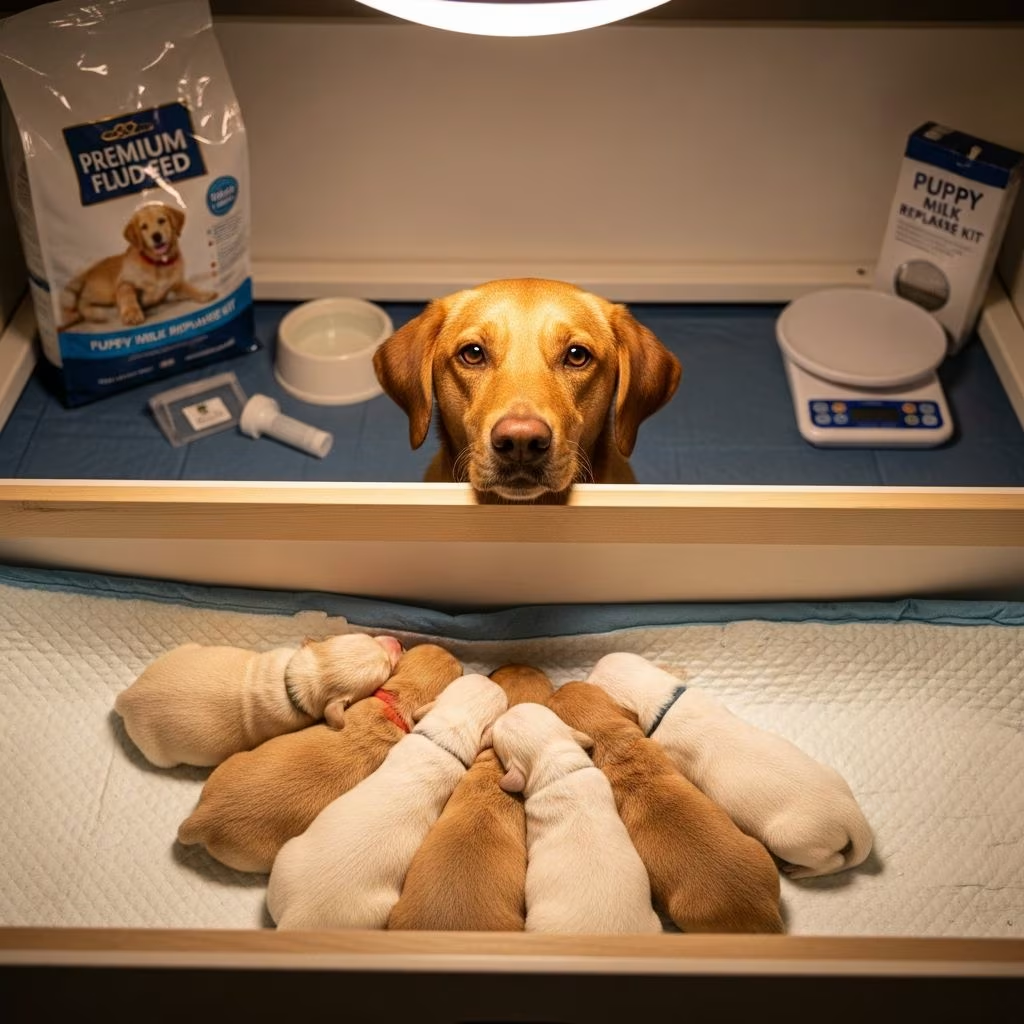
Responsible dog breeding requires a deep understanding of reproductive biology, precise timing, and meticulous health management to produce healthy litters. This guide covers the canine estrous cycle, breeding preparation, timing methods, mating techniques, and postpartum care, drawing on veterinary best practices for optimal outcomes.
Understanding the Canine Estrous Cycle
The reproductive cycle in female dogs, known as the estrous cycle, consists of distinct phases that dictate fertility windows. Unlike continuous breeders like cats, dogs experience seasonal heat cycles typically occurring twice yearly, though variations exist based on breed, age, and environment.
- Proestrus: This initial phase lasts 3 to 21 days, averaging 9 days. Characterized by vulvar swelling and bloody vaginal discharge, the female attracts males but rejects mating. Estrogen levels peak here, preparing follicles for ovulation.
- Estrus: The fertile period, lasting 5 to 10 days. Discharge lightens to straw-colored, and the female becomes receptive. Ovulation occurs 2 days after the luteinizing hormone (LH) surge, with eggs maturing over another 2 days.
- Diestrus: Post-ovulation, progesterone dominates for 60 to 90 days, supporting pregnancy if conception happens or leading to pseudopregnancy otherwise.
- Anestrus: A resting phase of 4 to 5 months, allowing recovery before the next cycle.
Recognizing these phases through behavioral cues, discharge changes, and veterinary diagnostics ensures breeders target the 4-day optimal fertility window, boosting conception rates and litter sizes.
Preparing Dogs for Breeding Success
Health optimization is foundational before any breeding attempt. Both sires and dams must undergo comprehensive evaluations to prevent hereditary issues and infections.
| Health Check | Purpose | Timing |
|---|---|---|
| Genetic Testing | Screen for breed-specific disorders like hip dysplasia or progressive retinal atrophy | Pre-breeding, annually |
| Brucellosis Test | Detect bacterial infection impacting fertility and transmissible to humans | Immediately before mating |
| Full Physical Exam | Assess reproductive anatomy, overall vitality, and parasite status | 1-2 months prior |
| Vaccinations & Deworming | Protect against diseases like parvovirus | Current status verified |
Nutrition plays a pivotal role; females should maintain ideal body condition with balanced diets rich in omega-3s for reproductive health. Males benefit from zinc-supplemented feeds to enhance semen quality. Environmental factors, such as stable temperatures and low stress, further support fertility.
Mastering Ovulation Timing Techniques
Accurate timing maximizes success, especially with valuable sires limiting breedings or when using preserved semen. Combining clinical signs with lab tests provides precision.
- Vaginal Cytology: Non-invasive smears every 2-3 days from proestrus onset reveal cornification shifts, peaking at estrus (80-95% superficial cells).
- Vaginoscopy: Visualizes vaginal crenulation from edema reduction post-LH surge.
- Progesterone Assays: Blood tests every 2 days; levels rise from <2 ng/mL baseline to 5-20 ng/mL at ovulation. Initial rise flags day 0.
- LH Testing: For high-stakes cases like frozen semen; surge (>1 IU/L) precedes ovulation by 48 hours.
Owners should alert vets at the first sign of heat. Serial monitoring identifies the fertile window: breed days 4-7 post-LH surge for fresh semen, adjusting for chilled or frozen types requiring intrauterine deposition.
Natural Mating Protocols
Natural service remains the simplest method when dogs are compatible. Introduce during estrus after confirming timing.
The male mounts from behind, thrusting until intromission. Ejaculation has three fractions: pre-sperm, sperm-rich, and prostatic. The ‘tie’—bulbus glandis swelling—lasts 10-30 minutes, ensuring semen retention. Avoid separation attempts to prevent injury.
- Supervise first matings for inexperienced pairs.
- Limit to 2-3 ties per cycle.
- Monitor for multiple sires to ensure parentage accuracy.
Success hinges on fertility; subfertile males may need assistance.
Artificial Insemination: Advanced Options
AI expands breeding possibilities for distant pairs, aggressive females, or preserved semen, with AKC registration allowed under DNA protocols.
- Semen Collection: Use a teaser bitch and artificial vagina in a calm setting. Analyze motility (>70%), morphology (>80% normal), and concentration.
- Preservation: Fresh for immediate use; chill in extenders (e.g., egg yolk-based) for 3-5 days; freeze in liquid nitrogen for years.
- Insemination: Vaginal via pipette for fresh/chilled; transcervical (TCI) or surgical for frozen to bypass cervix.
Thaw frozen semen per protocol, inseminate promptly. No hindquarter elevation needed; conception rates rival natural with proper technique.
Pregnancy Monitoring and Whelping
Gestation spans 63 days from ovulation. Ultrasound at day 28 confirms viability; radiographs near term count fetuses for C-section planning.
Signs of labor: nesting, temperature drop to 99°F. Stage I (12-36 hours dilation), II (pups), III (placenta). Dystocia risks in large-headed breeds warrant elective C-sections at 62-64 days.
- Prepare whelping area: quiet, warm (85°F), with heat lamp.
- Neonatal care: dry pups, stimulate breathing, monitor weights.
Postpartum Care and Lactation
Mothers need high-calorie diets (2-3x maintenance), calcium supplementation if hypocalcemia risks. Pups gain 5-10% daily; supplement orphans with milk replacer.
Wean at 4-6 weeks, introducing solids. Screen for agalactia or mastitis.
Common Challenges and Troubleshooting
Infertility often stems from poor timing (60% cases), infections, or thyroid issues. Silent heats in older bitches require progesterone tracking. Pyometra risk post-diestrus mandates spay consideration for non-breeders.
| Issue | Symptoms | Solution |
|---|---|---|
| Prolonged Proestrus | >21 days bleeding | Hormone panel, rule out split heats |
| Short Estrus | <5 days receptivity | Progesterone timing for next cycle |
| Pseudopregnancy | Milk production sans pups |
Ethical and Legal Considerations
Adhere to breed club standards, local laws on litter limits, and welfare guidelines. Prioritize placements; avoid overbreeding. Health certifications build trust.
Frequently Asked Questions
How often can a bitch be bred?
Every cycle after age 2, not exceeding 4-6 litters lifetime, with recovery gaps.
Is frozen semen as effective?
Yes, with TCI; expect 50-70% conception vs. 80-90% fresh.
What if no tie occurs?
Still viable; check semen quality and timing.
Can older dogs breed?
Females up to 7-8 years with health checks; males indefinitely if fertile.
How to confirm pregnancy early?
Relaxin test at day 21 or ultrasound day 25.
References
- Breeding Management of Bitches — MSD Veterinary Manual. 2023. https://www.msdvetmanual.com/management-and-nutrition/management-of-reproduction-dogs-and-cats/breeding-management-of-bitches
- Breeding Management of the Bitch — UC Davis Veterinary Medicine. 2024. https://healthtopics.vetmed.ucdavis.edu/health-topics/canine/breeding-management-bitch
- Management of Breeding Colonies — NCBI/NIH. 2022. https://www.ncbi.nlm.nih.gov/books/NBK236596/
- AKC’s Guide to Responsible Dog Breeding — American Kennel Club. 2025-02-01. https://www.akc.org/breeder-programs/breeder-education/akcs-guide-responsible-dog-breeding/
- Canine Breeding Management — East Central Veterinary Service. 2024. https://www.eastcentralvet.com/canine-breeding-management.pml



