

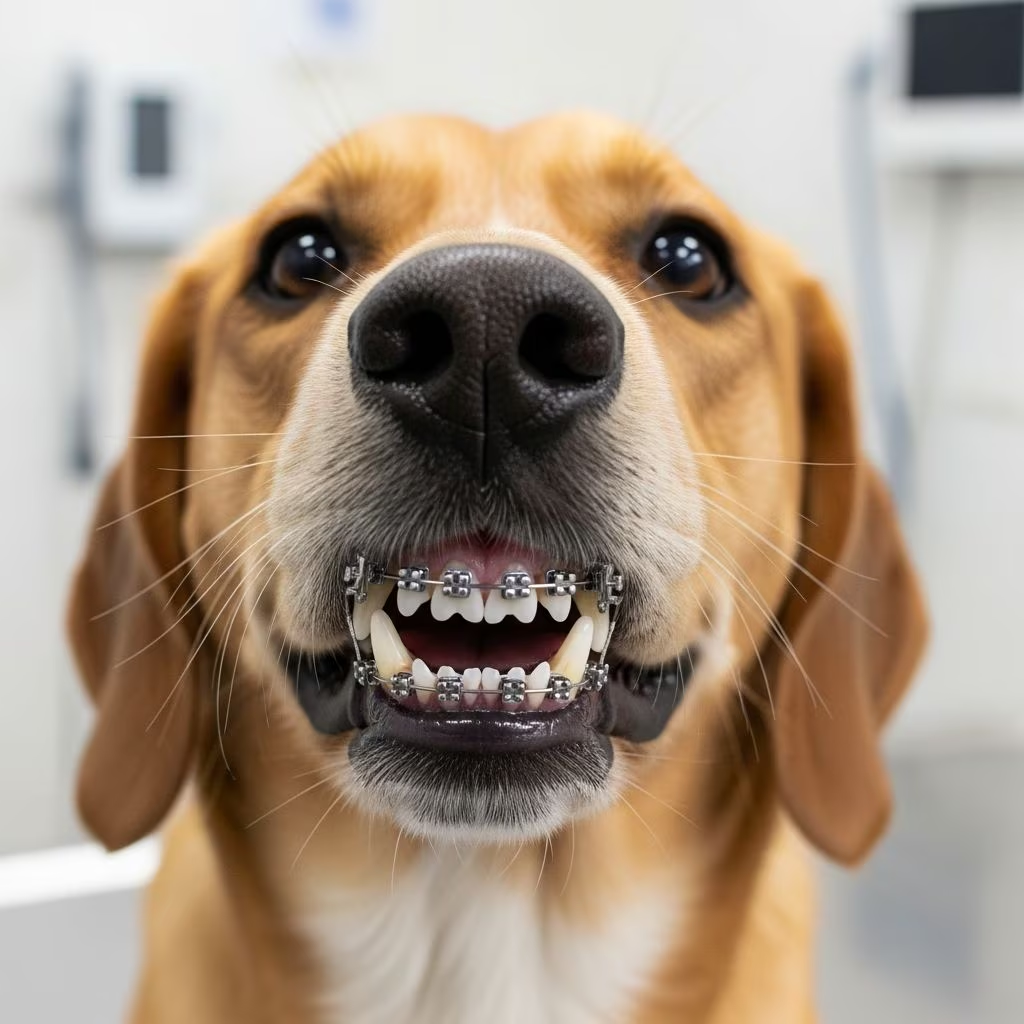
Dog braces, or canine orthodontics, are specialized veterinary treatments designed to correct misaligned teeth and bite issues that cause pain, trauma, or functional problems in dogs. Unlike human braces often used for cosmetics, dog braces focus on health and functionality, addressing conditions like linguoversion and malocclusion to improve chewing, eating, and overall oral wellness.
What Are Dog Braces?
Dog braces involve orthodontic appliances such as brackets, wires, elastic chains, or masal chains applied to a dog’s teeth to gradually reposition them into proper alignment. These treatments have been available for over 30 years in veterinary dentistry, primarily targeting painful or traumatic dental malpositions rather than appearance.
Common appliances include masal chains for widening spaces between teeth and elastic chains connected to anchor teeth to tip misaligned canines distally. Brackets are often placed on stable teeth like the maxillary fourth premolar and first molar to create an anchor unit, with treatments typically lasting 4-6 weeks in young dogs.
Do Dogs Need Braces? Common Dental Issues Treated
Not all crooked teeth require intervention; braces are recommended only when misalignment causes health issues like pain, tissue trauma, or eating difficulties. Veterinarians assess functionality over aesthetics to determine necessity.
- Linguoversion (Base Narrow Canines): Lower canine teeth displace lingually (toward the tongue), often traumatizing the palate. Common in breeds with narrow jaws like Collies.
- Mesioverted or Lance Canines: Upper canines point forward (‘lanced’), narrowing space for lower canines and causing linguoversion or trauma.
- Malocclusion: Improper bite alignment, including overbites (shorter lower jaw) or rostral crossbites.
- Crowded or Rotated Teeth: Due to retained baby teeth or jaw space shortages, increasing infection risk.
- Post-Surgical Stabilization: After jaw cancer surgery, braces prevent tooth drift.
Breeds prone to these issues include those with long, narrow muzzles or brachycephalic faces, but any dog can develop them.
When Do Dogs Need Braces?
Ideal timing is during or just after permanent teeth eruption in puppies (around 6-12 months), allowing less invasive corrections before issues worsen. Adults may need braces for severe cases, though extractions or other methods might be preferred if orthodontics isn’t suitable.
Signs your dog needs evaluation include drooling, pawing at mouth, difficulty chewing, bad breath, or visible trauma like palate ulcers. Early detection via routine dental exams prevents chronic pain and periodontal disease.
How Do Dog Braces Work?
The procedure begins with a veterinary dental exam, often under anesthesia for X-rays and cleaning. Brackets are bonded to teeth, wires or chains apply controlled force to move teeth gradually.
- Anchor Placement: Brackets on stable molars/premolars wired together.
- Force Application: Elastic chain or hook on target tooth (e.g., maxillary canine) pulls it into position.
- Monitoring: Weekly/bi-weekly check-ups to adjust without full sedation.
- Duration: 4-6 weeks for many cases; dogs’ faster bone remodeling speeds results vs. humans.
Not every malocclusion qualifies; suitability depends on tooth position severity and patient cooperation.
Benefits of Dog Braces
Orthodontics offers superior long-term outcomes over alternatives like extractions or crown reductions, preserving natural tooth structure and function.
| Benefit | Description |
|---|---|
| Pain Relief | Eliminates trauma to palate, gums, and lips from misaligned teeth. |
| Functional Bite | Improves chewing/eating, preventing malnutrition or selective eating. |
| Non-Invasive | Maintains full tooth size/shape; fewer follow-ups than other treatments. |
| Prevents Complications | Reduces periodontal disease, infections from crowding. |
| Quality of Life | Pain-free mouth enhances play, eating, and overall happiness. |
Dog Braces Cost
Costs vary by case complexity, location, and specialist: $1,500-$5,000+ including initial exam, anesthesia, appliance, and follow-ups. Less than lifelong pain management or repeated surgeries. Pet insurance may cover if deemed medically necessary; consult veterinary dental specialists (Diplomates of AVDC).
Care for Dogs with Braces
Home care is straightforward: daily brushing with pet-safe toothpaste, monitoring for loose brackets/chains, and avoiding hard/chewy toys. Vets may prescribe antiseptic rinses. Regular check-ups ensure success; most dogs adapt quickly without discomfort.
- Brush twice daily around braces.
- Soft diet during initial adjustment.
- Prevent chewing on appliance (cones if needed).
- Immediate vet contact for damage.
Alternatives to Dog Braces
If braces aren’t suitable:
- Extractions: For severe crowding or non-functional teeth.
- Crown Reduction/Vital Pulpotomy: Reduces tooth height while keeping root.
- Spacers/Ball Therapy: For mild linguoversion.
- Orthodontic Aligners: Less invasive for minor cases.
Choice depends on age, health, and occlusion goals.
Frequently Asked Questions (FAQs)
Can dogs get braces?
Yes, veterinary orthodontics has treated dogs for over 30 years, focusing on functional issues.
How long do dog braces take?
Typically 4-6 weeks, faster than humans due to canine physiology.
Are dog braces painful?
Minimal discomfort with proper monitoring; pain relief is the goal.
What breeds need dog braces most?
Collies, Shelties (linguoversion); brachycephalics (crowding); any with traumatic malocclusion.
Do dog braces improve appearance?
Primarily health-focused, but straighter teeth are a byproduct.
Is anesthesia required for dog braces?
For placement; adjustments often without.
References
- Dog Braces (Orthodontics) — Advanced Animal Dentistry. 2025. https://animaldental.com.au/dog-braces-orthodontics/
- Can Dogs Get Braces? — Hill’s Pet Nutrition. n.d. https://www.hillspet.ca/en-ca/dog-care/healthcare/can-dogs-get-braces
- Does My Dog Need Braces? Understanding Canine Orthodontics — Animal Dental AZ. n.d. https://animaldentalaz.com/does-my-dog-need-braces-understanding-canine-orthodontics-treatment-options/
- Can Dogs Wear Braces to Straighten Teeth? — Orthodontics of West Covina. n.d. https://orthodontistwestcovina.com/can-dogs-wear-braces-to-straighten-teeth/
- Dog Braces: Everything You Need to Know — PetMD. n.d. https://www.petmd.com/dog/care/dog-braces-everything-you-need-know
- Pet Orthodontics — Farmington Veterinary Center. n.d. https://farmingtonveterinary.com/service/orthodontics/
- Everything You Need to Know About Canine Braces — Orthodontist Cerritos. n.d. https://orthodontistcerritos.com/are-braces-safe-for-dogs-everything-you-need-to-know-about-canine-braces/



