

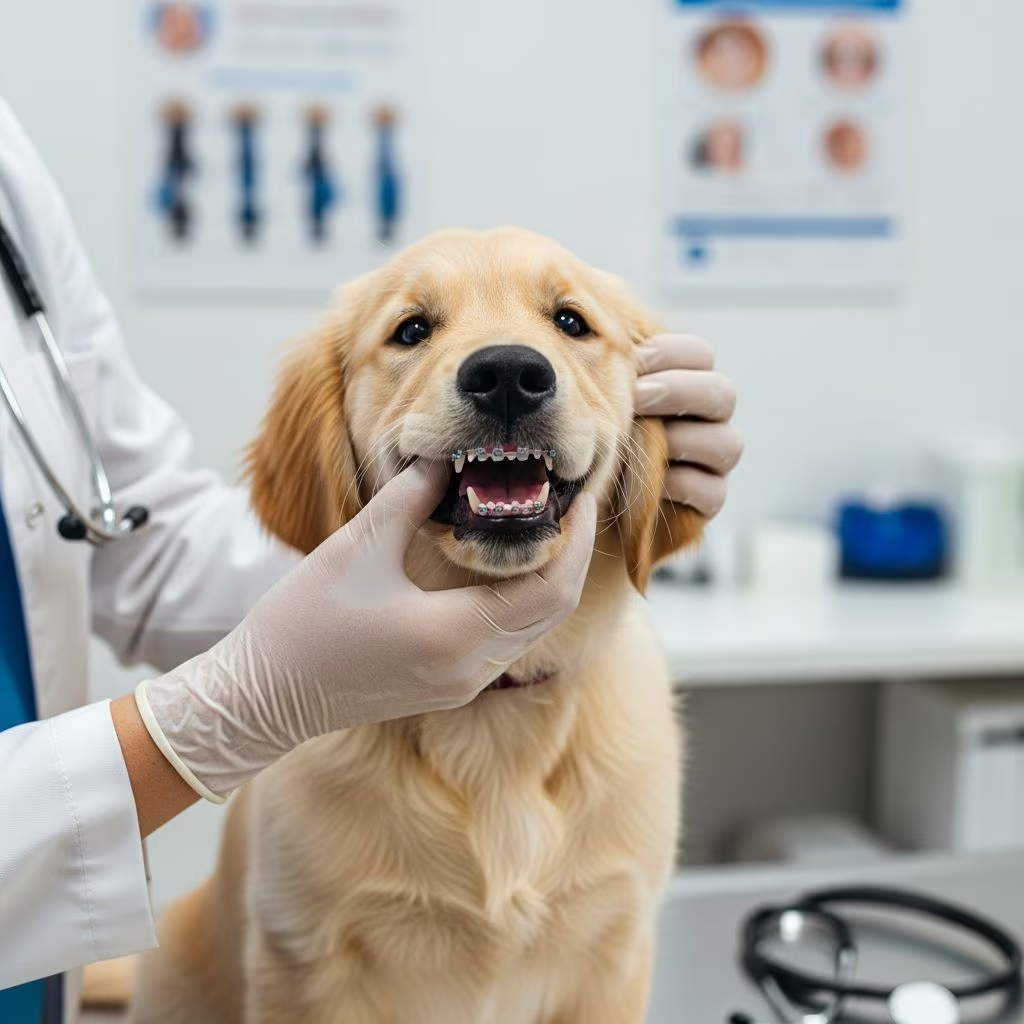
Pet owners increasingly turn to orthopedic braces as a non-invasive solution for their dogs’ joint problems, ligament injuries, and mobility issues. Whether your dog has suffered an acute injury or struggles with chronic conditions like arthritis, understanding the costs and options available can help you make informed decisions about your pet’s healthcare. This comprehensive guide explores the financial investment required for canine braces, the various types available, and how to navigate insurance coverage and payment options.
Financial Investment: What You Should Expect to Pay
The cost of canine orthopedic braces varies significantly depending on the type of brace, your dog’s size, and whether you opt for off-the-shelf or custom-fitted solutions. Understanding the price spectrum helps pet owners budget appropriately and explore all available options.
Standard and Ready-Made Brace Pricing
Off-the-shelf braces represent the most affordable entry point for pet owners seeking orthopedic support. These standardized braces come in various sizes and are designed to fit a range of breeds and body types. Simple knee braces typically range from lower price points up to several hundred dollars, while more complex solutions like double knee braces can cost between $300 and $1,000 depending on the specific design and materials used. Specialized support products like wrist wraps, hock braces, and elbow supports from established manufacturers start at significantly lower price points, with options available under $100 for basic support.
Custom-Fitted Orthopedic Solutions
Custom braces represent a substantial financial investment but offer superior fit and effectiveness compared to standardized options. These braces are individually fabricated based on precise measurements or molds of your dog’s leg, ensuring optimal alignment and support. Traditional canine orthodontic braces—the most expensive category—typically cost between $2,000 and $5,000. Custom knee braces designed specifically for your dog’s anatomy generally range from mid-range to premium pricing, with custom solutions from veterinary-backed manufacturers pricing significantly higher than off-the-shelf alternatives. Mid-range custom providers typically charge between £550 and £900 (approximately $690-$1,125 USD) depending on your dog’s weight and specific needs.
Categories of Canine Orthopedic Support Systems
Different types of braces address specific injuries and conditions, each with its own pricing structure and functional benefits.
Knee and Stifle Braces
The most commonly prescribed type of canine brace addresses knee or stifle joint problems, particularly cranial cruciate ligament (CCL) injuries, which are the canine equivalent of ACL tears in humans. These braces provide crucial stability to prevent the painful cranial drawer motion that occurs when the ligament is damaged or torn. Custom knee braces engineered from molds of your dog’s specific leg anatomy offer superior stability through rigid plastic construction designed by human prosthetists, resisting the instability that causes pain and lameness. Standard knee braces provide adequate support for many dogs, especially those with mild to moderate instability or arthritis-related stiffness.
Ankle and Hock Support
Hock braces address injuries to the ankle and rear leg joints, including Achilles tendon ruptures, tarsal hyperextension, and conditions like degenerative myelopathy that affect hind leg mobility. These specialized braces can be manufactured as jointed or non-jointed designs depending on your dog’s recovery phase and specific diagnosis. Jointed hock braces feature adjustable range-of-motion straps that can be modified as your dog improves, allowing gradual increase in joint movement. Non-jointed versions provide maximum stability for severe cases requiring complete immobilization. Basic hock braces start at lower price points, while custom solutions command premium pricing.
Wrist and Carpal Support
Front leg braces address carpal hyperextension, joint instability, and support for conditions affecting the wrist and foreleg. These braces come in various configurations from simple compression bands to fully custom-molded supports that provide comprehensive stabilization.
Specialized Support Products
Beyond the major brace categories, manufacturers offer specialized solutions including elbow braces, shoulder support, neck braces, and rear harness systems designed to assist dogs with mobility challenges across their entire body. E-collar alternatives and neck support products serve both protective and functional purposes for dogs recovering from various conditions.
Material Composition and Design Considerations
The materials used in brace construction directly impact both cost and effectiveness. High-quality orthopedic braces utilize spacer mesh material and specialized webbing that allow dogs to remain comfortable during extended wear across various environments. Custom braces engineered by prosthetists incorporate lightweight plastic construction that provides superior structural support without excessive weight. This design philosophy originated from human orthopedic principles and has been adapted specifically for canine anatomy by veterinary specialists.
Off-the-shelf braces often rely on fabric construction with Velcro fasteners, which can be adequate for mild support but may not provide sufficient stability for severe injuries or degenerative conditions. Custom options eliminate reliance on straps alone, instead using rigid materials that maintain consistent support throughout the brace’s lifespan, ensuring your dog receives dependable stability during the entire healing process.
Insurance Coverage and Payment Options
Most canine orthopedic braces are out-of-pocket expenses for pet owners. However, some pet insurance providers do cover a portion of orthodontic treatment costs, making it worthwhile to review your specific policy details. Before pursuing brace fitting, contact your insurance provider to understand what coverage applies to your dog’s specific condition and the prescribed treatment.
Many custom brace providers offer payment plans or financing options to help distribute the cost over several months. Additionally, some veterinary facilities provide in-house payment programs or accept multiple payment methods to accommodate pet owners facing significant healthcare expenses.
When Your Dog May Benefit from Orthopedic Bracing
Understanding appropriate situations for brace use helps pet owners recognize when this intervention becomes necessary.
- Acute Ligament Injuries: Dogs experiencing ACL or CCL tears benefit significantly from immediate brace support, which allows early weight-bearing and promotes faster recovery without surgical intervention.
- Chronic Arthritis: Senior dogs and those with degenerative joint disease experience improved mobility and reduced pain when wearing appropriate orthopedic support.
- Hip Dysplasia Concerns: Younger dogs showing signs of hip dysplasia or predisposed by breed can benefit from preventative bracing to reduce joint stress and slow degenerative changes.
- Post-Surgical Support: Dogs recovering from orthopedic surgery often wear braces to protect healing tissues and encourage proper weight distribution during rehabilitation.
- Neurological Conditions: Dogs with degenerative myelopathy or other conditions affecting hind leg function gain improved stability and mobility through specialized support braces.
- Disabled or Senior Dogs: Dogs with mobility challenges from aging or disability benefit from support that encourages continued activity and maintains quality of life.
The Fitting and Customization Process
Understanding how custom braces are created helps pet owners appreciate why custom solutions command premium pricing. The process begins with a veterinary diagnosis confirming the specific condition requiring support. A professional casting process involves creating a precise mold of your dog’s leg, capturing every unique width, length, and anatomical feature. This ensures the final brace fits intimately without slipping or causing pressure points that could create new problems.
Once the cast is submitted, skilled technicians fabricate the brace using specialized materials and techniques. The final fitting appointment allows adjustments to ensure optimal comfort and stability. This multi-step process, while time-intensive, results in superior outcomes compared to standard sizing approaches that cannot account for individual anatomical variations across the 200+ dog breeds and countless size variations within breeds.
Comparing Your Options: A Practical Decision Framework
| Brace Type | Typical Price Range | Best For | Key Advantages |
|---|---|---|---|
| Standard Off-the-Shelf | $30–$1,000 | Mild support, budget-conscious owners | Affordable, readily available, quick acquisition |
| Mid-Range Custom | $550–$900 (£550–£900) | Moderate conditions requiring custom fit | Better fit than standard, reasonable cost balance |
| Premium Custom | $895–$1,690+ | Severe injuries, demanding conditions | Optimal fit, superior materials, veterinary design |
| Veterinary Orthodontic | $2,000–$5,000 | Complex cases requiring ongoing adjustment | Professional oversight, regular monitoring, specialized care |
Beyond the Brace: Comprehensive Recovery Support
Successful outcomes with canine orthopedic braces extend beyond simply purchasing and fitting the device. Dogs in braces typically require regular veterinary check-ins, with many conditions necessitating appointments on a weekly or biweekly basis throughout the bracing period. These visits allow your veterinarian to monitor healing progress, make adjustments to custom braces as your dog improves, and ensure no complications develop during recovery.
Physical rehabilitation, controlled exercise, and weight management often accompany brace treatment, creating a comprehensive approach that maximizes outcomes. Your veterinarian can recommend appropriate activities that support healing without stressing the injured area. Maintaining appropriate weight reduces stress on healing joints and improves overall treatment effectiveness.
Long-Term Value and Quality of Life Considerations
While the initial investment in orthopedic bracing can be substantial, the long-term benefits often justify the expense. Dogs wearing appropriate braces experience reduced pain, improved mobility, and maintained independence during recovery and chronic disease management. For senior and arthritic dogs, braces can extend the period during which they can enjoy comfortable activity, walk without limping, and engage in play that enriches their quality of life.
Custom braces designed by veterinary professionals demonstrate durability that extends their useful life, providing consistent support long-term. The investment in proper fitting ultimately costs less than multiple replacements of inadequate standardized braces or complications arising from insufficient support during critical healing phases.
Selecting the Right Provider for Your Dog’s Needs
The market includes numerous brace manufacturers ranging from large commercial producers to specialized veterinary practices and small businesses dedicated specifically to canine orthopedic care. Reputable providers typically include extensive information about their brace designs, manufacturing processes, and the credentials of professionals involved in development. Veterinary-owned companies and those employing prosthetists who specialized in human orthopedics bring sophisticated biomechanical expertise to canine brace design.
Women-owned manufacturers and local producers increasingly offer high-quality solutions, with many sourcing materials domestically and maintaining manufacturing operations within the United States. Reading testimonials from dog owners whose pets have used specific braces provides valuable insight into real-world performance and comfort.
Key Takeaways for Pet Owners
- Dog braces range from $30 for basic support to $5,000+ for complex veterinary orthodontic treatment
- Custom-fitted braces provide superior stability and comfort compared to standardized options
- Most brace costs are out-of-pocket, though some pet insurance policies offer partial coverage
- Regular veterinary supervision during bracing is essential for optimal outcomes
- Appropriate bracing can significantly improve mobility and quality of life for dogs with injuries and chronic conditions
- The investment often prevents more expensive surgical interventions while supporting healing and comfort
References
- Ortho Dog Braces: Precision-Fit Support for Dogs — Ortho Dog. Accessed January 30, 2026. https://orthodog.com
- Everything You Need to Know About Canine Braces — Orthodontist Cerritos. Accessed January 30, 2026. https://orthodontistcerritos.com/are-braces-safe-for-dogs-everything-you-need-to-know-about-canine-braces/
- Canine Braces Product Collection — Balto USA. Accessed January 30, 2026. https://baltousa.com/collections/canine-balto-braces
- Custom Dog Knee Brace Price Guide 2026 — Wuvra. Accessed January 30, 2026. https://wuvra.com/blogs/news/custom-dog-knee-brace-price
- How Much Do Dog Braces Usually Cost? — Tailwind Pets. Accessed January 30, 2026. https://www.tailwindpets.com/blogs/research-studies/how-much-do-dog-braces-usually-cost
- Hero Braces: Custom-Made Dog Leg Braces — Hero Braces. Accessed January 30, 2026. https://goherogo.com/collections/hero-leg-braces
- Dog Hock Brace: Tendon and Ankle Support — My Pet’s Brace. Accessed January 30, 2026. https://mypetsbrace.com/hock-braces-for-rear-legs/



