

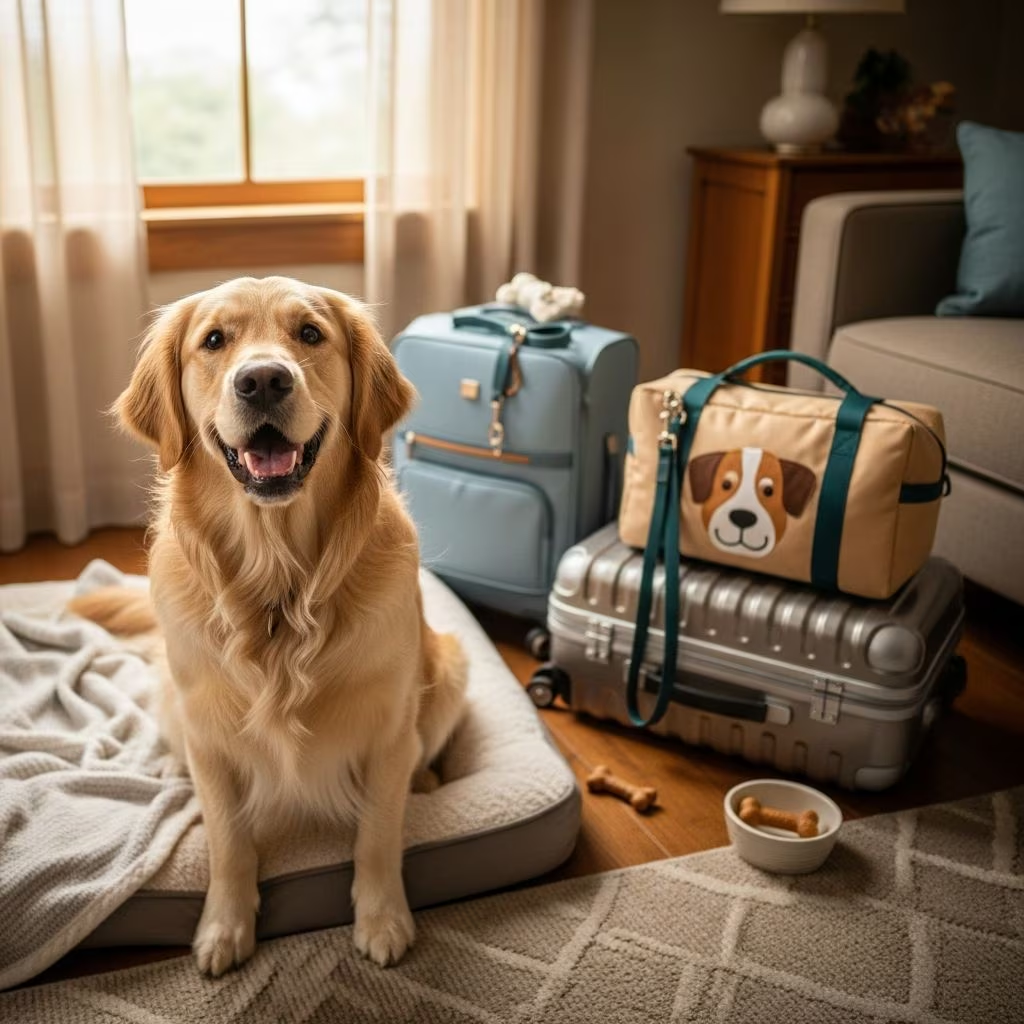
Whether you’re planning a vacation, business trip, or extended time away from home, arranging quality boarding for your dog requires thoughtful preparation. The difference between a smooth, enjoyable boarding experience and a stressful one often comes down to how well you prepare ahead of time. By taking strategic steps to ready your dog physically, mentally, and logistically, you can ensure that your pet enjoys their stay at a boarding facility rather than experiencing anxiety or distress.
Successful dog boarding starts long before drop-off day. The process involves selecting an appropriate facility, ensuring your dog meets health and behavioral requirements, gathering necessary documentation, and helping your pet adjust to the temporary change in their routine. When executed thoughtfully, these preparations transform boarding from a potentially overwhelming experience into a manageable—and even enjoyable—part of your travel plans.
Foundational Steps: Planning and Facility Selection
The foundation of successful boarding begins with early planning and selecting the right facility for your dog’s specific needs. The boarding industry experiences significant demand fluctuations, particularly during holiday seasons, school breaks, and summer months. Booking well in advance ensures you secure a spot at your preferred location rather than settling for an overbooked or unsuitable alternative.
When evaluating potential boarding facilities, schedule in-person tours to assess the environment firsthand. During your visit, observe the cleanliness of the spaces where dogs spend their time, evaluate the security measures in place, and assess the staff-to-dog ratio. Ask detailed questions about daily routines, including exercise schedules, feeding practices, and how the facility handles emergency situations. Look for evidence of proper ventilation, appropriate temperature control, and safe outdoor areas if your dog will have outdoor time.
The facility’s approach to socialization and individual attention matters significantly. Some dogs thrive in group play environments, while others prefer quieter settings with minimal social interaction. Understanding how the facility accommodates different personality types helps ensure the right match for your dog. Don’t hesitate to ask about their experience with senior dogs, anxious pets, or dogs with special medical needs if these apply to your situation.
Health and Vaccination Requirements
Before your dog can board, most reputable facilities require proof of specific health status and vaccinations. These requirements protect all animals at the facility from contagious diseases and parasites. Schedule a veterinary appointment several weeks before your planned boarding date to address these requirements proactively.
Your veterinarian can verify that your dog is current on all necessary vaccinations, typically including core vaccines like rabies, distemper, and parvovirus. Many facilities specifically require proof of kennel cough vaccination (bordetella), which protects against respiratory infections that spread easily in group settings. Beyond vaccines, your dog must be cleared of internal and external parasites, including worms, fleas, ticks, and mites. Your vet can perform fecal testing and recommend appropriate parasite prevention treatments if needed.
Ask your veterinarian whether a health certificate is required by your chosen boarding facility. If your dog takes any medications or supplements, schedule your vet visit early enough to ensure you have proper documentation and sufficient medication quantities for the boarding period. This is also an ideal time to discuss any behavioral concerns, anxiety issues, or health conditions that might affect your dog’s boarding experience.
Additional requirements may include proof of microchipping and confirmation that your dog is spayed or neutered, depending on facility policies. Microchipping provides a crucial safety net in case your dog escapes during boarding. Ensure your microchip information is current and accurately registered in the microchip database.
Essential Documentation and Emergency Preparedness
Organize all necessary paperwork and identify contacts before drop-off day. Your boarding facility will need comprehensive information to properly care for your dog and handle emergencies effectively.
Documentation to gather includes:
- Complete vaccination records showing current status for all required vaccines
- Proof of negative fecal tests within the past 6–12 months
- Any health certificates required by your specific facility
- Current medication lists with dosages and administration instructions
- Recent medical history or documentation of chronic conditions
- Insurance information or verification of your ability to authorize emergency veterinary care
Select an emergency contact who lives near the boarding facility and knows your dog well. Provide the facility with this person’s name and phone number in case you become unreachable during your absence. Ideally, this contact should be someone who can visit your dog if necessary or authorize emergency care. Also leave clear instructions about your preferences for emergency veterinary treatment, including whether the facility can authorize needed procedures without your explicit approval for time-sensitive medical issues.
Behavioral Preparation and Socialization
A dog’s emotional readiness for boarding significantly influences their experience at a facility. Dogs with limited exposure to new environments, unfamiliar people, and other dogs may experience substantial stress during boarding. Beginning behavioral preparation weeks before your boarding date helps mitigate separation anxiety and adjustment difficulties.
Behavioral preparation strategies include:
- Exposing your dog to various environments, sounds, and social situations to build confidence
- Arranging playdates or group outings to help your dog become comfortable around other dogs
- Practicing short separations by gradually increasing the time you spend away from your dog
- Visiting the boarding facility together before your scheduled stay to build familiarity
- Maintaining a calm, matter-of-fact demeanor during goodbyes to avoid reinforcing anxiety
For first-time boarders, scheduling a trial visit or short test stay provides invaluable experience. This abbreviated visit allows your dog to explore the facility, meet the staff, and experience the environment in a low-pressure setting. Staff can observe your dog’s personality and identify any specific needs or triggers that may affect their extended stay. When your dog finally arrives for their full boarding period, the environment feels familiar rather than completely foreign, significantly reducing adjustment stress.
Dogs perceive and respond to human emotions. Maintain a calm, confident demeanor when preparing your dog for boarding and especially during drop-off. If you project anxiety or sadness about the separation, your dog will interpret these emotions as signals that the situation is genuinely troubling. Conversely, a matter-of-fact, positive attitude communicates safety and normalcy.
Packing Essentials for Comfort and Familiarity
Thoughtfully packing for your dog’s boarding stay ensures they have everything needed for physical comfort and emotional reassurance. While boarding facilities provide basic necessities, bringing familiar items from home helps your dog feel less homesick and anxious.
Core items to pack include:
- Sufficient food for the entire boarding period, preferably in pre-packaged, labeled portions
- Food and water bowls your dog is accustomed to using
- A familiar blanket, bed, or worn clothing item carrying your scent
- Favorite toys and interactive enrichment items
- Personal leash, collar, and harness (if your dog uses one regularly)
- Weather-appropriate clothing for short-haired breeds or senior dogs
- A personal grooming brush, as many dogs find brushing calming even away from home
Clearly label all belongings with your dog’s name to prevent mix-ups. This simple step ensures your possessions stay with your dog throughout their stay and don’t get misplaced among items belonging to other boarded pets.
Nutrition and Feeding Instructions
Maintaining your dog’s normal diet and feeding routine provides an important anchor of stability during their boarding stay. Sudden dietary changes during stressful periods can trigger digestive upset, compounding your dog’s adjustment difficulties. Provide detailed, written feeding instructions that go beyond basic information.
Feeding instructions should specify:
- Exact meal times and precise portion sizes for each feeding
- Any special treats, supplements, or dietary supplements your dog receives regularly
- Complete documentation of food allergies and intolerances
- Specific handling notes for picky eaters, including preferred food temperatures or presentation methods
- Instructions for any medications that should be administered with meals or treats
If your dog eats raw or refrigerated diets, confirm that your boarding facility has appropriate cold storage capabilities and is willing to accommodate this dietary approach. Most professional facilities can handle various dietary requirements, but advance confirmation prevents complications. Pack extra food beyond what you calculate will be needed, accounting for potential delays in your return or accidental spillage during the boarding period.
Identification and Safety Measures
Proper identification protects your dog in emergency situations. Even though well-designed boarding facilities are built to prevent escapes, unforeseen circumstances like equipment failures, natural disasters, or accidents can occur. Multiple identification methods provide layered protection.
Ensure your dog wears a current ID collar displaying your contact information and a local emergency contact number. Include the word “Reward” on the tag, as this can motivate people to help return your dog if escape occurs. Beyond collar tags, microchipping is considered best practice for pet identification. Verify that your microchip information is accurately registered and that your contact details are current in the microchip database.
Take recent photographs of your dog before boarding begins. These photos can be invaluable if your dog escapes and you need to create missing pet posters or contact local shelters and rescue organizations. Include clear images showing distinguishing features, scars, or unusual markings.
Communication with Boarding Staff
Detailed communication with boarding staff about your dog’s unique personality, preferences, and behavioral quirks significantly improves their experience. Staff appreciate specific, actionable information that helps them understand your dog as an individual rather than one among many pets.
Share information about:
- Specific stressors, triggers, or fears your dog exhibits
- Behavioral commands unique to your household, such as using “down” instead of “sit”
- Activity preferences and restrictions, including exercise tolerance levels
- Strong likes and dislikes, such as dogs that love outdoor walks but avoid playing with other dogs, or prefer tug toys over fetch
- Handling sensitivities, including areas where your dog dislikes being touched
- Medical considerations, including pain points, mobility issues, or medication timing requirements
- Behavioral quirks that might confuse unfamiliar caregivers, such as tendencies to escape, unusual bathroom habits, or specific play behaviors
Provide written documentation of this information in addition to verbal communication during drop-off. Busy staff members may not retain all verbal details, but written instructions serve as a reliable reference throughout your dog’s stay.
Pre-Boarding Day Strategies
The day before and day of boarding significantly influence your dog’s adjustment. Strategic preparation on these final days helps ensure your dog arrives at the facility in an optimal state for settling in.
Plan a longer-than-usual walk or vigorous play session on the morning of boarding. Physical exercise helps burn excess energy, enabling your dog to arrive at the facility in a calmer, more relaxed state. A tired dog adjusts more easily to new surroundings and is less likely to engage in destructive behaviors driven by excess energy and anxiety.
Maintain a calm, confident demeanor during your final moments with your dog before drop-off. Dogs are emotionally intuitive and interpret your energy as guidance about how they should feel regarding the situation. If you appear anxious or sad, your dog will sense this and become more anxious. Keep your goodbye brief and upbeat rather than engaging in prolonged, emotional farewells. A quick, positive goodbye communicates safety and trust to your dog.
Resist the temptation to sneak away without saying goodbye or to return multiple times for additional farewells. Either approach can intensify separation anxiety. A single, confident goodbye followed by immediate departure sends the clearest message to your dog.
Addressing Common Concerns
Q: What if my dog has never been separated from me before?
Dogs with limited separation experience benefit particularly from gradual behavioral preparation. Begin by practicing short separations weeks before boarding, gradually extending the duration. A trial visit to the boarding facility before your full stay provides valuable exposure and adjustment time.
Q: Can I bring my dog’s bed or crate?
Most facilities welcome personal items like beds if they fit in the designated space and can be easily cleaned. Confirm this with your facility in advance. Crates are typically not necessary if the facility provides appropriate housing, but some dogs feel more secure in familiar crates if space permits.
Q: What should I do if my dog shows signs of stress at drop-off?
Some stress during initial separation is normal. Professional boarding staff understand this and handle it appropriately. Avoid returning to comfort your dog, as this can reinforce anxious behavior. Trust that the facility’s staff will help your dog settle. Call the facility later to check on your dog’s adjustment rather than returning immediately.
Q: How can I help my senior dog cope with boarding?
Senior dogs benefit from clear communication about any mobility issues, pain points, or special needs. Pack comfort items, appropriate medication, and dietary accommodations. Some facilities allow extended rest periods, which senior dogs often appreciate. Discuss your dog’s specific needs with the facility to ensure appropriate care.
References
- Boarding Prep Checklist: 17 Expert Tips for a Stress-Free Dog Staycation — Hillcrest Kennel and Grooming. Accessed March 2026. https://www.hillcrestkennelandgrooming.com/pet-care-blog/boarding-prep-checklist
- Essential Dog Boarding Checklist: What to Pack for Your Pup’s Stay — NC Animal House. Accessed March 2026. https://ncanimalhouse.com/blog/essential-dog-boarding-checklist-what-to-pack-for-your-pups-stay/
- Complete Dog Boarding Packing Guide — Lucy’s Doggy Daycare. Accessed March 2026. https://lucysdoggydaycare.com/complete-dog-boarding-packing-guide
- Pet Boarding Facility Preparation Checklist — The Animal Clinic TN. Accessed March 2026. https://www.theanimalclinictn.com/blog/pet-boarding-facility-preparation-checklist
- What to Pack When You Board Your Dog — American Kennel Club. Accessed March 2026. https://www.akc.org/expert-advice/travel/things-pack-when-board-your-dog/
- Dog Boarding Checklist: What To Pack for Your Dog’s Overnight Stay — Rover. Accessed March 2026. https://www.rover.com/blog/what-to-put-in-your-poochs-overnight-bag
- Things To Pack When Boarding Your Dog — Valley Pet Hotel. Accessed March 2026. https://valleypethotel.com/things-to-pack-when-boarding-your-dog/



