

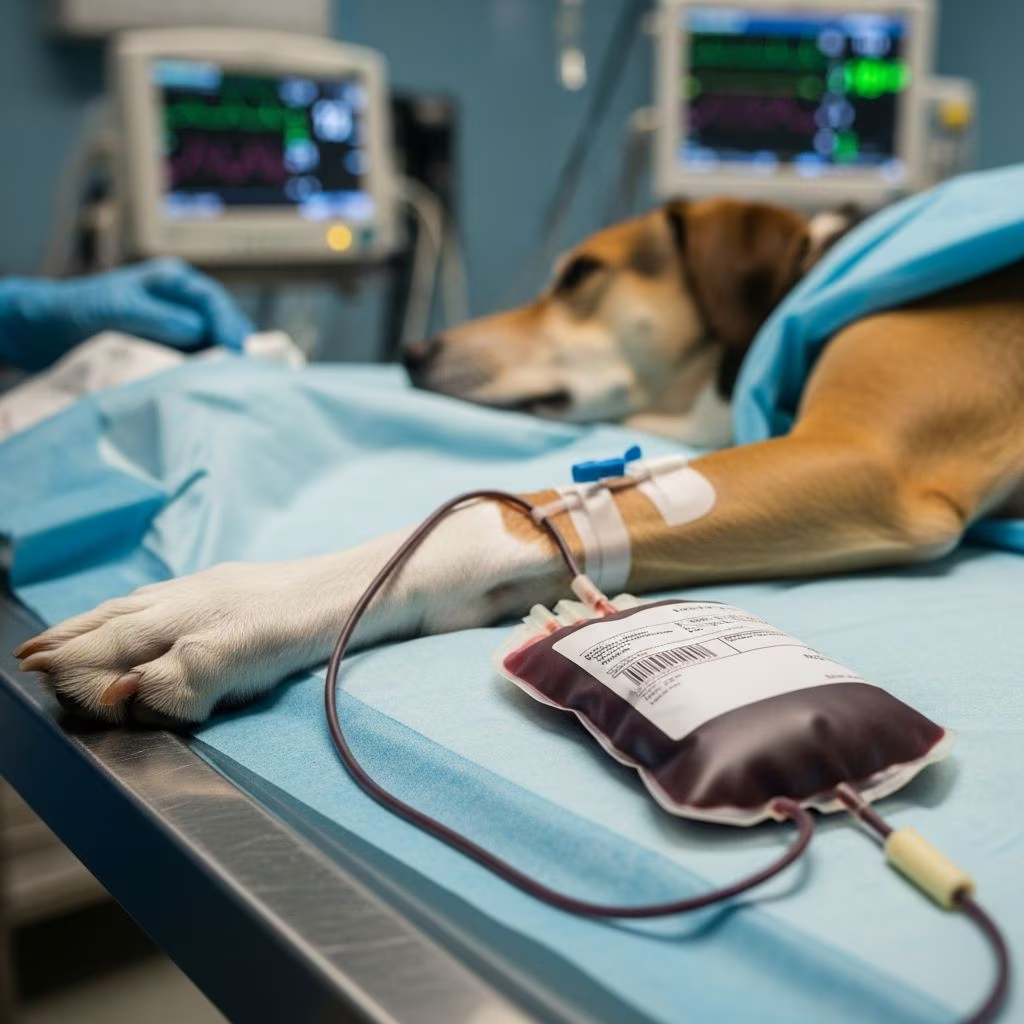
Blood transfusions in dogs serve as a vital intervention for conditions causing severe anemia or blood loss, such as trauma, hemolytic diseases, or toxicity. These procedures can stabilize critically ill patients, but they come with inherent risks including transfusion reactions and impacts on survival rates. Understanding these elements helps pet owners make informed decisions alongside their veterinarians.
Understanding the Need for Canine Blood Transfusions
Dogs may require blood transfusions when their red blood cell count drops dangerously low, often measured by packed cell volume (PCV). Common triggers include acute hemorrhage from accidents, immune-mediated hemolytic anemia (IMHA), chronic kidney disease, or toxin exposure like rat poison. In emergencies, transfusions restore oxygen-carrying capacity, buying time for further treatments.
Veterinarians typically use packed red blood cells (pRBCs), fresh frozen plasma, or whole blood depending on the deficiency. For instance, pRBCs target anemia primarily, while plasma addresses clotting factor shortages. The goal is to raise PCV to a functional level without overloading the system.
Types of Blood Products Used in Dogs
- Packed Red Blood Cells (pRBCs): Concentrated red cells for anemia correction, minimizing fluid volume.
- Fresh Frozen Plasma (FFP): Provides clotting proteins, albumin, and electrolytes for coagulopathies.
- Whole Blood: Combines cells and plasma for comprehensive support in massive blood loss.
- Cryoprecipitate: Specialized for fibrinogen and factor VIII deficiencies, rare in routine use.
Selection depends on lab results like PCV, platelet count, and coagulation panels. Stored products have shelf lives, with pRBCs viable up to 35-42 days under refrigeration.
Potential Risks and Complications
While effective, transfusions carry risks categorized as immunologic (immune-mediated) or non-immunologic. Immunologic reactions arise from blood type incompatibilities, leading to red cell destruction. Non-immunologic issues stem from volume overload, infections, or anticoagulant effects.
| Reaction Type | Symptoms | Frequency | Severity |
|---|---|---|---|
| Acute Hemolytic | Vomiting, hemolysis, icterus, hypotension | Low (1-5% first transfusion) | High |
| Fever/Pyrexia | Elevated temperature, tachycardia | Most common (~8%) | Mild |
| Delayed Hemolytic | PCV drop 24h-28d post-transfusion | Variable | Moderate |
| Transfusion-Associated Circulatory Overload (TACO) | Respiratory distress, edema | Rare | High |
| Citrate Toxicity | Tremors, arrhythmias | Rare, dose-dependent | Moderate |
Studies show transfusion reactions in 8-15% of canine cases, with fever being predominant. Bacterial contamination, though rare, can cause sepsis. In one analysis of 211 dogs, larger doses of non-pRBC products increased complication odds (OR 1.03).
Factors Influencing Transfusion Outcomes
Survival risks correlate with pretransfusion PCV and pRBC dose. Dogs with higher baseline PCV (> certain thresholds) and those receiving larger pRBC volumes faced elevated nonsurvival odds (OR 1.13 and 1.04 respectively). Acute patient scores also predict poorer outcomes.
Product age, like pRBCs over 14 days, was not a significant factor in limited studies, though underpowered for detection. Other blood products’ doses heightened complications, urging conservative strategies.
Blood Typing and Crossmatching Essentials
Dogs have 12+ blood types, with DEA 1.1 being critical—positive dogs can receive from negatives without issue, but reverse causes reactions. First transfusions often proceed without typing due to low reaction risk (~1%), but subsequent ones demand it.
Crossmatching mixes donor and recipient samples to detect antibodies. It’s advised post-first transfusion as the body may sensitize. In 131 dogs, 13% had hemolytic reactions despite precautions. Felines risk fatality from repeat canine blood.
- Pre-Transfusion Steps: Type if possible, screen donors for diseases (heartworm, Lyme).
- During Monitoring: Vital signs every 15-30 min initially, slow infusion (4-6 ml/kg/hr).
Recognizing and Managing Reactions
Early detection saves lives. Watch for fever, hives, vomiting, or breathing changes in the first 30 minutes. Stop transfusion immediately, administer antihistamines, steroids, or fluids.
For hemolysis, supportive care includes oxygen and diuretics. Delayed reactions may self-resolve but warrant Coombs testing. TACO requires diuretics; citrate issues need calcium gluconate.
In a 953-transfusion review, 15% reactions occurred, mostly with pRBCs; some fatal without prompt intervention.
Best Practices for Safe Administration
Veterinary protocols emphasize asepsis, fresh products, and gradual infusion via appropriate catheters. Avoid forcing blood through small lines. Post-transfusion, monitor PCV at 1 and 24 hours.
Conservative dosing—10-20 ml/kg pRBCs—reduces risks. Donor screening prevents infections like ehrlichiosis. In hypocalcemia from citrate, slow rates or supplement calcium.
Prognosis After Transfusion Complications
Mild reactions in healthy dogs resolve well, but severe cases in compromised patients carry uncertainty. Overall, transfusions stabilize 70-90% of anemic dogs short-term, with long-term success tied to underlying disease.
Hemophilia cases showed transient thrombocytopenia resolving spontaneously or with steroids.
FAQs on Dog Blood Transfusions
What causes the most common transfusion reaction in dogs?
Fever occurs in about 8% of cases, often mild and manageable.
Is blood typing necessary for a dog’s first transfusion?
Not always, as risks are low, but ideal for safety; essential thereafter.
How long does a dog blood transfusion take?
Typically 1-4 hours, starting slowly to monitor reactions.
Can stored blood cause problems due to age?
Large studies found no strong link, but use freshest available.
What if my dog has a reaction during transfusion?
Stop immediately, notify vet; treatments include meds and supportive care.
Advances and Future Considerations
Ongoing research pushes for universal donors (DEA 1.1 negative) and synthetic oxygen carriers. Xenotransfusion (e.g., canine to feline) risks highlight species-specific needs. Prospective trials advocate minimal dosing to curb complications.
Pet owners should discuss risks/benefits; home blood banking is emerging but regulated.
References
- Risk factors for transfusion-associated complications and nonsurvival in dogs receiving packed red blood cell transfusions: 211 cases (2008-2011) — J Am Vet Med Assoc. 2014-02-15. https://pubmed.ncbi.nlm.nih.gov/24479457/
- Dog Blood Transfusions: How Do They Work and Why They’re Needed — PetMD. N/A. https://www.petmd.com/dog/procedure/dog-blood-transfusions
- Adverse reactions — eClinpath. N/A. https://eclinpath.com/hemostasis/transfusion-medicine/adverse-reactions/
- Blood Transfusion Reactions in Dogs — VCA Animal Hospitals. N/A. https://vcahospitals.com/know-your-pet/blood-transfusion-reactions-in-dogs



