

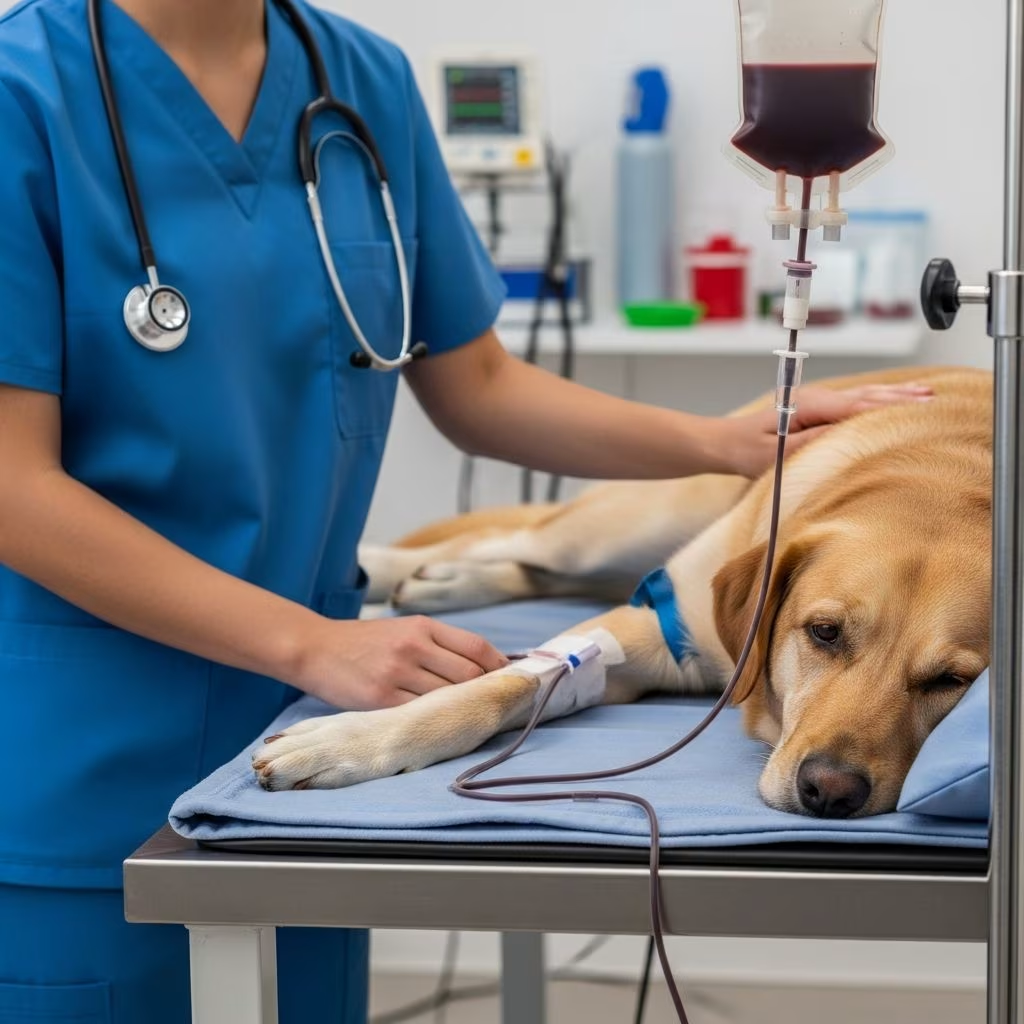
Understanding Dog Blood Transfusions
Blood transfusions are critical medical interventions that can save a dog’s life when they experience severe blood loss or certain medical conditions affecting blood production. A blood transfusion involves transferring blood or blood components from a healthy donor dog to a recipient dog that requires it. This life-saving procedure has become increasingly common in veterinary medicine, with high success rates when proper protocols are followed.
Dogs can require blood transfusions for various reasons, including traumatic injuries, surgery complications, severe infections, or conditions that affect their ability to produce blood cells. Understanding how this procedure works, why dogs need it, and what the recovery process involves can help pet owners make informed decisions about their dog’s care.
Why Do Dogs Need Blood Transfusions?
Several medical conditions and situations may necessitate a blood transfusion for dogs. The primary reason is severe anemia, which occurs when a dog lacks sufficient red blood cells to carry oxygen throughout their body.
Common Reasons for Transfusion
- Trauma and accidents: Dogs involved in severe accidents or hit-by-car incidents may lose significant amounts of blood requiring emergency transfusion
- Surgery complications: Extensive surgical procedures may result in blood loss that necessitates transfusion support
- Immune-mediated hemolytic anemia (IMHA): This condition causes the body to attack its own red blood cells, leading to rapid blood cell destruction
- Blood parasites: Certain parasitic infections can cause continuous blood loss and require transfusion therapy
- Severe infections: Sepsis and severe bacterial infections may compromise blood cell production
- Kidney disease: Chronic kidney failure can reduce the production of erythropoietin, a hormone essential for red blood cell formation
- Cancer and chemotherapy: Both the disease and its treatment can affect blood cell counts
- Bleeding disorders: Genetic or acquired clotting disorders may require plasma or whole blood transfusions
Canine Blood Types Explained
Unlike humans who have ABO blood groups, dogs have a different blood typing system called the Dog Erythrocyte Antigen (DEA) system. Understanding canine blood types is crucial for preventing dangerous transfusion reactions.
The DEA System
Dogs have multiple blood group systems, but the most clinically significant is the DEA classification. The primary types include:
- DEA 1 positive: Contains the DEA 1 antigen and represents approximately 40-70% of the canine population
- DEA 1 negative: Lacks the DEA 1 antigen and comprises 30-60% of dogs, depending on breed and location
- DEA 3, 4, and 5: Additional blood group antigens that are less commonly clinically significant but important in transfusion medicine
The DEA 1 system is the most important consideration in canine transfusions. Dogs that are DEA 1 negative are considered universal donors because their blood can be safely given to both DEA 1 positive and DEA 1 negative recipients without prior sensitization. However, DEA 1 positive dogs should receive blood only from DEA 1 positive donors to avoid transfusion reactions.
Blood Typing and Crossmatching
Before administering a blood transfusion, veterinarians perform blood typing to identify a dog’s blood group and ensure compatibility between donor and recipient.
Blood Typing Process
Blood typing identifies the specific blood group antigens present in a dog’s blood. This test involves mixing the dog’s blood with specific antisera (antibodies) to determine which DEA antigens are present. The results help veterinarians select appropriate blood donors and prevent adverse reactions.
Crossmatching
Crossmatching is an additional compatibility test that is particularly important before a second transfusion. Unlike blood typing, which identifies the blood type, crossmatching checks actual compatibility between donor and recipient blood by mixing them together to detect any adverse reaction. This test can be performed using slide, tube, or gel methods, with or without Coombs reagent.
Crossmatching is crucial because it can identify incompatibilities that blood typing alone might miss. If a dog is receiving a transfusion for the first time and the blood types are matched, crossmatching may not be necessary in emergency situations. However, it becomes essential before subsequent transfusions, as dogs can become sensitized to foreign antigens after their first exposure.
DEA 1 Sensitization
A critical point in transfusion medicine is that any canine recipient that is DEA 1 negative must be tested for this antigen. If a DEA 1 negative dog receives DEA 1 positive blood, they will become sensitized within 4 days of the transfusion. This sensitization means the dog develops antibodies against the DEA 1 antigen, which can cause severe and potentially life-threatening transfusion reactions if they receive a second incompatible transfusion.
The Blood Transfusion Procedure
The actual transfusion process involves several important steps to ensure safety and efficacy.
Pre-Transfusion Preparation
- Blood typing and crossmatching (if indicated) are performed
- The recipient dog’s vital signs are recorded as a baseline
- An intravenous catheter is placed for blood administration
- Blood products are properly prepared and warmed to appropriate temperatures
During the Transfusion
Blood products are administered through a filtered giving set that helps remove debris and clots. The transfusion is typically given slowly at first, with the veterinary team monitoring the dog closely for any signs of adverse reactions. If no reaction occurs within the first 15-30 minutes, the infusion rate can be increased.
The amount of blood transfused depends on the dog’s body weight, the severity of anemia, and the type of blood product being used. Most dogs require only one transfusion for recovery, though dogs with certain conditions like IMHA or ongoing blood loss may require multiple transfusions.
Post-Transfusion Monitoring
It is essential to keep the recipient dog under observation for at least 24 hours following transfusion. During this period, veterinarians monitor for any signs of transfusion reactions and ensure the dog is recovering appropriately.
Success Rates and Outcomes
Blood transfusions in dogs are usually life-saving and safe when all protocols are followed. The success rate varies depending on several factors.
In most healthy dogs requiring a one-time emergency transfusion, the survival rate can be as high as 80%. However, survival rates depend directly upon the underlying condition causing blood loss and the dog’s overall health status. Dogs with complicated health conditions or those suffering from severe trauma may have lower survival rates.
When the major blood types are matched appropriately, blood transfusions in dogs should be successful. The lifespan of transfused red blood cells is approximately 180 days when the blood is taken directly from a donor, though this can vary based on individual circumstances and any ongoing conditions affecting red blood cell survival.
Risks and Adverse Reactions
While blood transfusions are generally safe when properly administered, they do carry certain risks that pet owners should understand.
Transfusion Reactions
If blood types do not match—for example, if a DEA 1 negative recipient receives DEA 1 positive blood—a strong transfusion reaction may occur. These reactions are immunologic in nature and present similarly to serious allergic reactions.
Signs of transfusion reactions include:
- Fever or elevated body temperature
- Rashes and hives on the skin
- Itching and skin irritation
- Vomiting and diarrhea
- Rapid breathing (tachypnea)
- Rapid heart rate (tachycardia)
- Lethargy and weakness
- Changes in mucous membrane color
If any of these signs are observed during or after transfusion, veterinary professionals can administer emergency medications to stabilize the dog. Severe reactions are rare when proper blood typing and crossmatching are performed, but they can be life-threatening if not managed promptly.
Common Side Effects
Beyond transfusion reactions, dogs may experience expected side effects after receiving blood products. These are generally mild and temporary:
- Mild fever
- Lethargy and tiredness
- Slight increase in heart rate
- Nausea and temporary loss of appetite
- Shivering and restlessness
- Changes in breathing rate
These side effects typically resolve within a few hours to a day and are not cause for concern. However, pet owners should report any concerning symptoms to their veterinarian.
Other Potential Risks
Additional considerations in transfusion medicine include:
- Infectious disease transmission: Although rare with careful donor selection and screening, there is a theoretical risk of pathogen transmission
- Volume overload: In dogs with certain conditions, receiving too much fluid can be problematic
- Delayed hemolytic reactions: In rare cases, reactions may develop several days after transfusion
Blood Donors and Donation Safety
Dogs that donate blood play a vital role in veterinary medicine. Blood banks maintain panels of healthy donor dogs to ensure blood is available when needed.
Donor Eligibility Requirements
To be a blood donor, dogs typically must meet these criteria:
- Between 1 and 8 years old
- Weigh at least 55 pounds
- Be in excellent health with no chronic medical conditions
- Have a calm temperament suitable for the donation procedure
- Be up-to-date on vaccinations
- Test negative for blood-borne pathogens
Safety for Donors
Most dogs have no adverse reaction to blood donation, aside from general lethargy that is short-lived and should last no longer than one day. The donation process is safe when proper protocols are followed.
Post-donation care recommendations include:
- Avoid using neck leads for 24 hours after donation to reduce bleeding risk from the donation site
- Allow the dog to rest and recover for the remainder of the day
- Monitor the donation site for any unusual swelling or bleeding
- Report any unusual symptoms to the veterinarian
Special Considerations and Blood Products
Beyond whole blood transfusions, veterinarians may use specific blood products tailored to a dog’s needs.
Plasma Transfusions
Plasma contains important clotting factors and proteins, making it essential for pets suffering from bleeding disorders or certain toxicities. Plasma transfusions are beneficial for treating conditions like parvovirus in dogs, which can cause severe blood loss and immunodeficiency. They can also stabilize pets with low blood volume or blood clotting disorders and help those recovering from trauma and surgery.
Packed Red Blood Cells
Packed red blood cells (PRBC) are concentrated red blood cells separated from plasma, making them ideal for dogs with severe anemia when fluid volume is a concern.
Second Transfusions and Sensitization
Dogs receiving a second transfusion require special consideration. Due to potential sensitization from the first transfusion, crossmatching becomes crucial before any subsequent transfusion. This is particularly important if the initial transfusion involved any potential incompatibility.
The critical window for sensitization is 4 days after the first transfusion. If a DEA 1 negative dog received DEA 1 positive blood, antibodies develop during this period, making incompatible second transfusions extremely dangerous.
Frequently Asked Questions
Q: Can my dog donate blood multiple times?
A: Yes, healthy donor dogs can donate blood multiple times, typically every 4-8 weeks, as long as they meet eligibility criteria and maintain good health. Each donation should be spaced appropriately to allow recovery.
Q: How long does a blood transfusion take?
A: The transfusion procedure typically takes 1-4 hours, depending on the volume needed and the dog’s tolerance. The rate of infusion is carefully controlled and monitored throughout the process.
Q: What should I expect during my dog’s recovery after transfusion?
A: Most dogs recover well with mild, temporary side effects. Keep your dog quiet and restrict activity for 24-48 hours. Monitor for any unusual symptoms and contact your veterinarian if you notice anything concerning.
Q: Is there a cost associated with blood transfusions?
A: Blood transfusion costs vary by location and facility but typically range from $500-$2,000, including blood typing, the transfusion procedure, and monitoring. Emergency transfusions may cost more.
Q: Can dogs receive blood transfusions from cats or other animals?
A: Xenotransfusion (blood from one species to another) is not recommended as a routine procedure in dogs. While emergency cross-species transfusions exist in veterinary medicine, homologous transfusions (dog-to-dog) are always preferable.
Q: How often will my dog need transfusions if they have a chronic condition?
A: Most dogs require only one transfusion for recovery. Dogs with ongoing blood loss from conditions like IMHA may require multiple transfusions over time, depending on their response to other treatments.
References
- Blood Transfusion in Dogs: Dog Blood Typing and Donation — Vetic. 2024. https://vetic.in/blog/pet-health/blood-transfusion-in-dogs
- Transfusion Medicine & Blood Bank — University of California Davis School of Veterinary Medicine. 2024. https://www.vetmed.ucdavis.edu/hospital/support-services/lab-services/transfusion-medicine-blood-bank
- The AEA Guide to Canine and Feline Transfusion Medicine — Animal Emergency Australia. 2024. https://animalemergencyaustralia.com.au/blog/transfusion-medicine-guide/
- Red Blood Cell Transfusions: When, What and How To Do It — Pet Blood Bank UK. 2024. https://www.petbloodbankuk.org/
- Understanding Blood and Plasma Transfusions for Pets — Ready-Vets. 2024. https://www.ready-vets.com/blog/understanding-blood-and-plasma-transfusions-for-pets
- Xenotransfusion of Blood from Dog to Cat: Should Canine Blood Be Used in Feline Patients? — NIH National Center for Biotechnology Information. 2023. https://pmc.ncbi.nlm.nih.gov/articles/PMC8954013/
- Everything You Need To Know About Canine Blood Donation — Animal Emergency Service Australia. 2024. https://animalemergencyservice.com.au/blog/canine-blood-donation-questions/



