Recognizing and Managing Gastric Bloat in Dogs
Understand the critical warning signs of canine bloat and emergency response procedures
Gastric dilatation-volvulus, commonly known as bloat, represents one of the most urgent medical emergencies affecting dogs today. This life-threatening condition develops when a dog’s stomach rapidly fills with gas and food, and in severe cases, the stomach rotates or twists on itself, cutting off critical blood supply to vital organs. Understanding the warning signs, risk factors, and appropriate emergency response can mean the difference between life and death for an affected pet.
Understanding Canine Bloat: What Happens Inside Your Dog’s Body
Bloat occurs through a cascade of physiological events that can develop with alarming speed. Under normal circumstances, a dog’s digestive system processes food and manages gas production through controlled mechanisms—gas either exits through burping or moves progressively through the gastrointestinal tract. When bloat develops, these regulatory processes fail, causing the stomach to expand rapidly with trapped air, fluid, and partially digested food.
The condition becomes particularly dangerous when the distended stomach rotates or twists around its supporting ligaments, a phenomenon known as volvulus. This rotation compresses blood vessels, preventing adequate blood flow to the stomach wall and surrounding tissues. Additionally, the twisted stomach can impede circulation to the spleen and other vital organs, quickly leading to shock and tissue death if not corrected immediately.
Statistics reveal the severity of this condition: approximately 30% of dogs diagnosed with bloat die from the condition despite receiving veterinary treatment, underscoring the critical importance of rapid recognition and intervention.
Recognizing the Critical Warning Signs
The early identification of bloat symptoms is paramount for survival. Affected dogs typically display a constellation of distress signals that intensify rapidly. The most characteristic indicator is unproductive retching—your dog appears to be attempting vomiting but produces nothing. This dry heaving behavior distinguishes bloat from simple overeating or nausea.
Additional warning signs include:
- Visible abdominal distension or swelling of the belly
- Extreme restlessness and inability to settle
- Excessive pacing or circling behavior
- Labored or difficult breathing
- Obvious signs of pain or abdominal sensitivity when touched
- Profuse drooling or excessive salivation
- Pale gums indicating potential circulatory compromise
- Rapid heart rate and weak pulse
- Collapse or signs of shock
The progression from initial symptoms to life-threatening emergency can occur within hours. Dog owners who observe any combination of these signs should seek emergency veterinary care immediately without delay.
Identifying Your Dog’s Individual Risk Profile
Certain characteristics and circumstances significantly increase a dog’s susceptibility to developing bloat. Understanding whether your dog falls into high-risk categories allows for enhanced vigilance and preventive measures.
Breed Predisposition
Large and giant breed dogs face substantially elevated risk compared to smaller breeds. Purebred dogs are 1.5 to 4.8 times more likely to suffer from GDV than mixed breeds. Breeds with deep, narrow chests—such as Great Danes, German Shepherds, Standard Poodles, Irish Setters, and Boxers—demonstrate particularly high incidence rates. The anatomical structure of their chests appears to predispose them to gastric problems.
Demographic and Physical Factors
Beyond breed, several individual characteristics influence bloat risk:
- Male dogs experience bloat more frequently than females
- Older dogs, particularly those over seven years of age, face increased vulnerability
- Dogs weighing more than 99 pounds show heightened risk
- Both obesity and extreme underweight conditions appear to contribute to GDV development
Behavioral and Environmental Contributors
How and when dogs eat substantially influences their bloat risk. Rapid consumption of large quantities of food creates dangerous stomach conditions. Elevated food bowls, contrary to popular belief promoting their use, may actually increase GDV risk in predisposed dogs. Vigorous exercise immediately before or after meals—particularly within two hours—significantly increases bloat likelihood.
Additionally, stress and anxiety appear to play underrecognized roles in bloat development. Dogs described as hyperactive, fearful, or nervous show higher GDV rates compared to calm, relaxed temperaments. Stressful events such as boarding, travel, or sudden environmental changes may trigger bloat in susceptible animals.
Lifestyle and Feeding Practices That Increase Risk
Certain daily habits and feeding routines substantially elevate a dog’s bloat risk. Understanding these modifiable factors empowers owners to implement protective strategies.
Consuming large single meals daily rather than distributing food across multiple smaller portions throughout the day increases gastric stress. Dogs that gulp food rapidly without chewing adequately face greater risk than those eating slowly and methodically. Some research suggests that small kibble sizes may contribute to faster consumption and increased air ingestion during eating.
Post-meal exercise represents a particularly dangerous combination. Vigorous activity immediately following food consumption can agitate the stomach contents and increase gas formation and movement. Similarly, drinking excessive water shortly after eating can rapidly expand stomach volume beyond safe limits.
The Diagnostic Process: Confirming Bloat
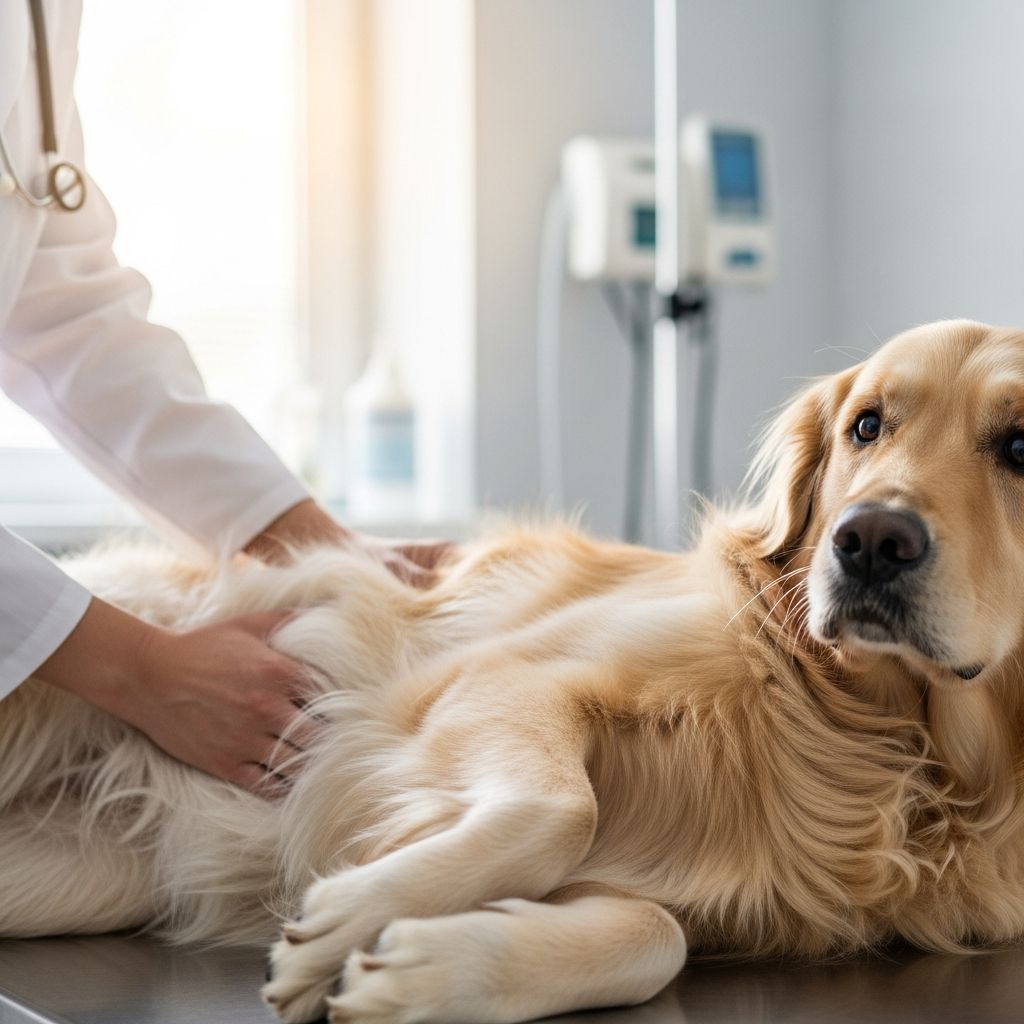
When a dog presents with suspected bloat symptoms, veterinarians must work with exceptional speed and efficiency. Diagnosis typically begins with a physical examination assessing the dog’s overall condition, abdominal distension, heart rate, and circulatory status.
Radiographic imaging (X-rays) provides definitive confirmation of bloat and reveals whether the stomach has twisted. The characteristic appearance on X-rays shows a dramatically enlarged, gas-filled stomach. Additional diagnostic tests may include:
- Blood work to assess electrolyte imbalances and organ function
- Electrocardiogram (EKG) to monitor for cardiac arrhythmias caused by electrolyte disturbances and shock
- Assessment of blood pressure and circulation status
These preliminary diagnostics simultaneously serve as initial treatment, as veterinarians begin stabilizing the dog’s condition while confirming the diagnosis.
Emergency Treatment and Stabilization Protocol
Dogs presenting with suspected bloat require immediate aggressive intervention. Treatment protocols prioritize rapid stabilization before addressing the underlying gastric problem.
Initial Stabilization Phase
Veterinarians immediately begin intravenous fluid administration containing essential electrolytes. These fluids serve multiple critical functions: they combat shock developing from circulatory compromise, restore adequate perfusion to vital organs, and correct electrolyte imbalances that develop during bloat. Simultaneously, pain medications are administered to reduce the dog’s suffering and anxiety, which paradoxically can worsen the condition.
Stomach Decompression
Relieving the pressure and volume of trapped gas represents the next priority. In cases where the stomach hasn’t twisted, veterinarians may pass a flexible tube through the esophagus into the stomach, allowing gas and fluid to escape. This procedure can provide dramatic, immediate relief and occasionally resolves simple (non-twisted) bloat without requiring surgery.
When the stomach has twisted, preventing tube passage, veterinarians employ an alternative decompression technique: inserting a large-gauge needle directly through the abdominal wall into the stomach to release trapped gas. This trocharization procedure, while seemingly invasive, provides essential relief when traditional methods prove impossible.
Cardiac and Metabolic Management
Bloat frequently triggers abnormal heart rhythms (arrhythmias) due to electrolyte imbalances and shock. Veterinarians monitor cardiac function continuously and administer medications to stabilize heart rhythm as needed. In severe cases involving sepsis from bacterial translocation, additional supportive care including glucose supplementation and blood pressure support becomes necessary.
Surgical Intervention: Definitive Treatment
Once the dog’s condition stabilizes sufficiently to tolerate anesthesia, emergency surgery becomes necessary in most cases involving stomach rotation. Dogs with simple bloat (stomach distension without twisting) may occasionally resolve with medical management alone, but any evidence of gastric volvulus requires surgical correction.
During surgery, the veterinarian untwists the stomach and assesses tissue viability. Any portion of the stomach wall that has died from lack of blood supply must be surgically removed. If the spleen has become twisted or damaged, splenectomy (spleen removal) may be necessary. Following these corrective measures, the surgeon performs gastropexy—permanently tacking or suturing the stomach wall to the body wall to prevent future rotation.
Gastropexy dramatically reduces GDV recurrence rates, dropping the risk from approximately 80% without the procedure to less than 5% when gastropexy is performed. This preventive surgical measure provides substantial protection against future bloat episodes.
Recovery and Post-Treatment Considerations
Dogs that survive the acute bloat episode require careful post-operative management and monitoring. Recovery involves gradual return to normal feeding, restricted activity during the healing period, and close observation for complications. Some dogs may experience ongoing digestive sensitivity or other complications related to tissue damage sustained during bloat.
For dogs that have experienced bloat, subsequent preventive measures become essential. Modifications to feeding practices, exercise routines, and stress management can help minimize recurrence risk even in dogs that have undergone gastropexy.
Prevention Strategies for At-Risk Dogs
While bloat cannot be entirely prevented, implementing evidence-based strategies significantly reduces occurrence risk:
- Divide daily food portions into multiple smaller meals rather than one large feeding
- Use slow-feed bowls or puzzle feeders to reduce rapid consumption
- Avoid elevated food bowls in large-breed, deep-chested dogs
- Restrict vigorous exercise for at least two hours before and after meals
- Limit water consumption immediately after eating; provide water access at other times
- Maintain calm, low-stress environments, particularly for anxious dogs
- Manage body weight to prevent obesity
- Consider preventive gastropexy surgery in high-risk dogs with family history of bloat
Frequently Asked Questions About Canine Bloat
Q: Can bloat occur in small breed dogs?
A: While rare, small breeds can develop bloat, but large and giant breeds account for the vast majority of cases. The anatomical structure of deep, narrow chests appears critical to bloat development.
Q: Is bloat hereditary?
A: Evidence suggests genetic predisposition plays a role. Dogs with family histories of bloat face elevated risk, though environmental and behavioral factors also significantly influence whether bloat actually develops.
Q: How quickly can bloat become life-threatening?
A: Bloat can progress from initial symptoms to life-threatening emergency within 1-2 hours. This rapid progression emphasizes the critical importance of immediate emergency veterinary care upon symptom recognition.
Q: Are there home remedies for bloat?
A: No effective home remedies exist for bloat. This is strictly a veterinary emergency requiring professional medical and surgical intervention. Attempting home treatment delays necessary care and significantly reduces survival chances.
Q: Will gastropexy completely prevent future bloat?
A: Gastropexy prevents stomach rotation but doesn’t prevent the stomach from filling with gas. Dogs that undergo gastropexy can still experience stomach distension, but the rotation that causes most severe complications is prevented.
When to Seek Emergency Veterinary Care
Any dog displaying unproductive retching, significant abdominal distension, or signs of distress requires immediate emergency veterinary evaluation. Do not wait for additional symptoms to develop or hope the condition resolves independently. Bloat represents a true medical emergency where every minute matters for survival and outcome.
Contact an emergency veterinary clinic immediately if your dog exhibits any combination of bloat warning signs. Provide clear information about symptom onset and recent feeding or activity to help veterinarians expedite diagnosis and treatment initiation.
References
- Bloat in Dogs – PetMD — PetMD. 2024. https://www.petmd.com/dog/conditions/digestive/bloat-in-dogs
- Gastric Dilatation-Volvulus (Bloat) – Veterinary Medical Center of CNY — VMC of CNY. 2024. https://vmccny.com/gastric-dilatationvolvulus-bloat/
- Bloat in Dogs | Symptoms and Treatment of Bloat — Blue Cross. 2024. https://www.bluecross.org.uk/advice/dog/health-and-injuries/bloat-in-dogs
- Canine Bloat (GDV): Risk, Treatment, and Prevention — Animal Emergency & Specialty Center – Parker. 2024. https://www.aescparker.com/blog/canine-bloat-gdv-risk-treatment-and-prevention
- Signs, Symptoms, and Preventing Bloat in Dogs – GoodRx — GoodRx. 2024. https://www.goodrx.com/pet-health/dog/bloat-in-dogs
- Bloat: Gastric Dilatation and Volvulus in Dogs — VCA Animal Hospitals. 2024. https://vcahospitals.com/know-your-pet/bloat-gastric-dilatation-and-volvulus-in-dogs
Similar Articles








Read full bio of medha deb