Dog Bloat: Early Detection and Prevention
Learn to spot the critical signs of bloat in dogs, understand risk factors, and discover life-saving prevention strategies for your pet.
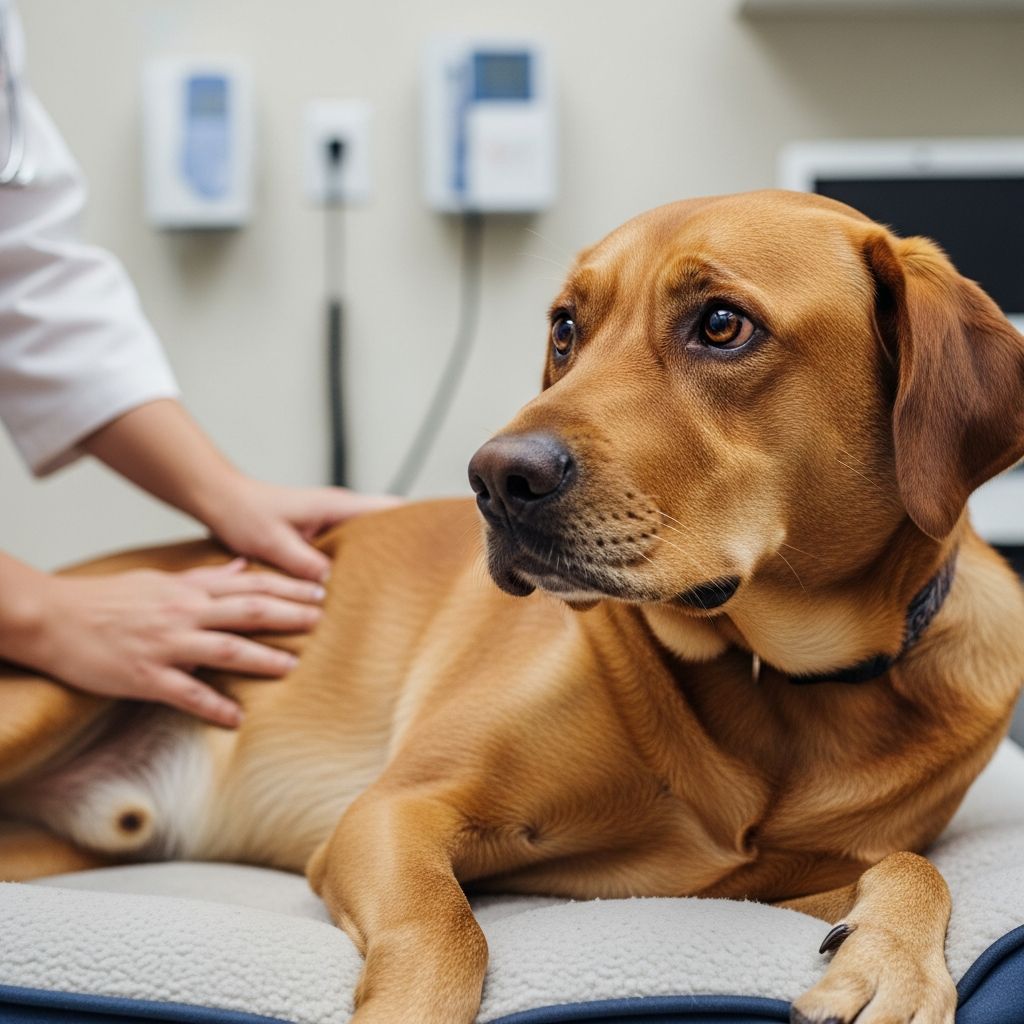
Gastric dilatation-volvulus (GDV), commonly known as bloat, is a rapid and potentially fatal condition where a dog’s stomach fills with gas and twists, cutting off blood flow and leading to shock. Early recognition of symptoms can mean the difference between life and death, as untreated cases have mortality rates up to 30%.
Understanding the Mechanics of Canine Bloat
Bloat begins when the stomach expands due to swallowed air, food, or fluid, a phase called gastric dilatation. If the stomach rotates or twists (volvulus), it traps contents, preventing gas release and causing tissue damage from lack of circulation. This progression happens quickly, often within hours after eating, affecting primarily deep-chested large breeds like Great Danes and German Shepherds.
The exact trigger remains unclear, but it involves multifactorial elements including rapid eating and post-meal activity. Unlike simple indigestion, GDV escalates to systemic shock, impacting the heart and other organs.
High-Risk Dog Profiles: Who is Most Vulnerable?
Certain dogs face elevated dangers. Large and giant breeds over 99 pounds, especially males and seniors, show higher incidence. Deep-chested anatomy predisposes breeds such as Boxers, Standard Poodles, and Irish Setters.
- Breed predisposition: Great Danes, Saint Bernards, Weimaraners (purebreds 1.5-4.8 times more likely).
- Age and sex: Older males over 7 years.
- Behavioral traits: Anxious, hyper, or fearful dogs.
Genetic history amplifies risk; dogs with relatives affected by GDV should be monitored closely.
Critical Early Warning Signs You Can’t Ignore
Owners often notice initial restlessness or pacing as the first clue. The dog may drool excessively, whine, or appear distressed with rapid breathing.
| Stage | Symptoms | Urgency |
|---|---|---|
| Early | Restlessness, pacing, excessive salivation, unsuccessful retching | High – Act immediately |
| Progressive | Distended abdomen (drum-like), pale gums, weak pulse, collapse | Critical – Emergency vet now |
| Advanced | Cold extremities, irregular heartbeat, unconsciousness | Life-threatening |
Retching without vomit production is a hallmark; the abdomen feels hard and bloated upon gentle palpation. These signs demand instant veterinary intervention, as delays reduce survival odds dramatically.
Unraveling the Root Causes and Triggers
While no single cause exists, common contributors include:
- Feeding habits: Gulping large meals or water quickly.
- Bowl elevation: Raised feeders may increase risk.
- Exercise timing: Vigorous activity right after eating.
- Stress factors: Boarding, travel, or anxiety.
- Diet specifics: Single large daily meal or small kibble.
Overweight or underweight dogs, plus those with slowed gut motility from illness, face added vulnerability.
Emergency Response: What Happens at the Vet?
Upon arrival, vets confirm GDV via physical exam and X-rays showing the ‘double bubble’ stomach silhouette. Stabilization precedes surgery:
- Decompression: Tube or needle (trocarization) to release gas.
- Fluid therapy: IV electrolytes combat shock.
- Pain control: Medications and antibiotics for tissue protection.
- Monitoring: ECG for arrhythmias, common in GDV.
Surgery untwists the stomach, removes necrotic tissue, and often includes gastropexy—stitching the stomach to the abdominal wall, slashing recurrence risk from 80% to under 5%.
Post-op care involves hospitalization, monitoring for sepsis or heart issues, and gradual refeeding.
Proven Prevention Tactics for Everyday Owners
Minimize risks through lifestyle adjustments:
- Feed multiple small meals daily instead of one large one.
- Use slow-feeder bowls to curb gulping.
- Avoid exercise for 1-2 hours post-meal.
- Opt for floor-level bowls; skip elevations.
- Promote calm environments, reducing stress.
- Consider prophylactic gastropexy for high-risk breeds during spay/neuter.
Regular vet check-ups catch early gut issues, and a balanced diet supports motility.
FAQs: Common Questions on Dog Bloat
Q: Can bloat resolve without treatment?
A: Simple dilatation might, but GDV requires professional intervention; home remedies are ineffective and dangerous.
Q: How fast does bloat progress?
A: Symptoms can escalate in under an hour, leading to collapse.
Q: Is gastropexy recommended for all dogs?
A: Ideal for at-risk breeds, often done preventively to avert future episodes.
Q: What breeds need extra vigilance?
A: Deep-chested giants like Great Danes, Mastiffs, and Irish Wolfhounds.
Q: Does breed size alone determine risk?
A: No, but combined with behaviors like rapid eating, it heightens danger.
Long-Term Management After Survival
Surviving dogs benefit from dietary tweaks, such as probiotic-enriched food for gut health and divided feedings. Owners should learn CPR basics and keep emergency vet contacts handy. Annual wellness exams monitor for recurrence indicators like arrhythmias.
Education empowers owners; apps or charts tracking feeding/exercise can prevent oversights.
References
- Bloat in Dogs — PetMD. 2023. https://www.petmd.com/dog/conditions/digestive/bloat-in-dogs
- Gastric Dilatation-Volvulus (Bloat) — Veterinary Medical Center of CNY. 2023. https://vmccny.com/gastric-dilatationvolvulus-bloat/
- Bloat in Dogs | Symptoms and Treatment of Bloat — Blue Cross. 2024. https://www.bluecross.org.uk/advice/dog/health-and-injuries/bloat-in-dogs
- Signs, Symptoms, and Preventing Bloat in Dogs — GoodRx. 2024. https://www.goodrx.com/pet-health/dog/bloat-in-dogs
- Canine Bloat (GDV): Risk, Treatment, and Prevention — Animal Emergency & Specialty Center – Parker. 2023. https://www.aescparker.com/blog/canine-bloat-gdv-risk-treatment-and-prevention
- Bloat: Gastric Dilatation and Volvulus in Dogs — VCA Animal Hospitals. 2024. https://vcahospitals.com/know-your-pet/bloat-gastric-dilatation-and-volvulus-in-dogs
Similar Articles








Read full bio of Sneha Tete