

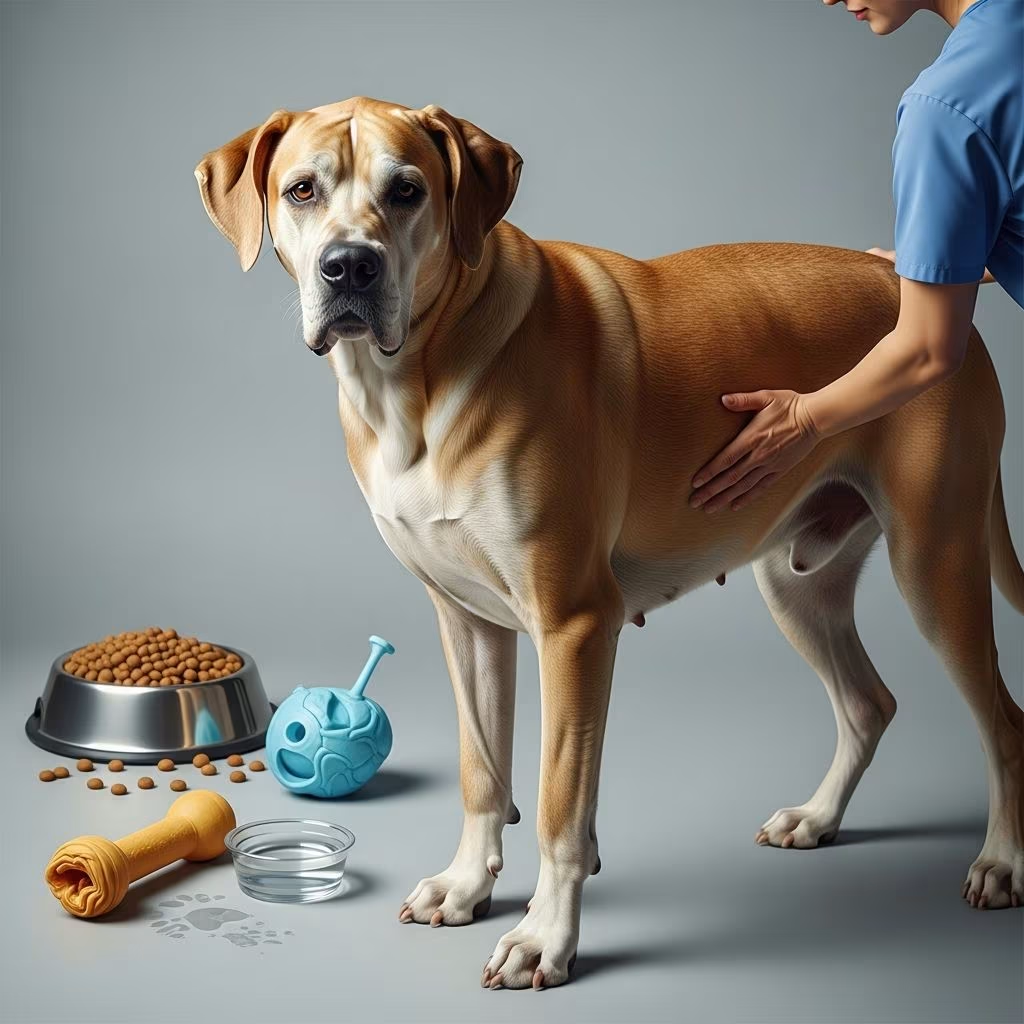
Gastric dilatation-volvulus (GDV), commonly known as bloat, is a life-threatening condition where a dog’s stomach fills with gas and twists, cutting off blood flow and leading to rapid deterioration if untreated. Large, deep-chested breeds face the highest risk, but awareness of triggers and symptoms can enable timely intervention.
Understanding the Mechanics of Canine Bloat
Bloat begins when excessive gas, food, or fluid accumulates in the stomach, causing it to expand—a phase called gastric dilatation. If the stomach rotates or twists (volvulus), it traps contents, compresses blood vessels, and releases toxins into the bloodstream, potentially causing shock, organ failure, and death within hours. Unlike simple indigestion, GDV obstructs normal burping or digestion, escalating quickly.
This condition strikes without warning, often post-meal, and demands immediate veterinary care. Early detection before twisting allows non-surgical management, but progression to volvulus typically requires surgery.
Primary Risk Factors for GDV Development
Several modifiable and inherent factors increase susceptibility to bloat. Owners of at-risk dogs should monitor these closely.
- Genetic and Breed Predisposition: Deep-chested breeds like Great Danes, German Shepherds, and Standard Poodles are 1.5-4.8 times more prone due to anatomical structure. Purebreds overall show elevated risk.
- Age and Size: Older dogs and those over 99 pounds face higher odds.
- Feeding Habits: Gulping food or water rapidly, large meals, or dry kibble with fat high in ingredients promotes gas buildup.
- Bowl Elevation: Raised feeders may contribute by allowing faster intake.
- Exercise Timing: Vigorous activity right after eating can shift stomach position.
- Temperament and Stress: Anxious or fearful dogs in high-stress settings, like boarding, are more vulnerable.
- Body Condition: Both obesity and underweight status heighten risks.
Male dogs also show slightly higher incidence. A family history of GDV signals genetic vulnerability.
Recognizing Critical Early Warning Signs
Spotting bloat early is crucial, as symptoms progress from subtle to severe rapidly. Key indicators include:
- Unproductive retching or dry heaving, where nothing is expelled[10].
- Visibly distended, hard abdomen.
- Excessive drooling and foaming at the mouth.
- Restlessness, pacing, whining, or inability to lie down.
- Rapid, shallow breathing or panting.
- Pale gums, weakness, or collapse in advanced stages.
If these appear, especially after eating, rush to an emergency vet—delays can be fatal.
Emergency Veterinary Response Protocols
Treatment prioritizes stabilization before addressing the stomach directly. Initial steps involve:
- IV fluids and electrolytes to combat shock and restore circulation.
- Pain relief, anti-nausea meds, and antibiotics.
- Decompression via trocharization (needle insertion) or stomach tubing to release gas.
- ECG monitoring for cardiac arrhythmias from toxins.
X-rays confirm diagnosis and volvulus presence. Bloodwork assesses organ function.
Surgical Interventions for GDV
Once stable, surgery untwists the stomach, removes necrotic tissue, and performs gastropexy—attaching the stomach to the abdominal wall to prevent recurrence (reducing risk from 80% to under 5%). This is standard for GDV cases and recommended prophylactically for high-risk breeds during spay/neuter. Post-op care includes extended hospitalization, monitoring, and restricted activity.
Simple dilatation without twist may resolve with medical therapy alone, avoiding surgery. Survival rates exceed 80% with prompt care, but mortality reaches 30% or higher if delayed.
Proven Strategies to Minimize Bloat Risks
While no method guarantees prevention, these evidence-based practices significantly lower odds:
| Strategy | Benefit | Implementation Tip |
|---|---|---|
| Slow Feeding | Reduces air swallowing | Use puzzle feeders or slow-bowl inserts |
| Smaller, Frequent Meals | Prevents overfilling | Divide daily ration into 3 meals |
| Ground-Level Bowls | Avoids rapid intake | Switch to standard height |
| Exercise Management | Stabilizes stomach | Wait 1-2 hours post-meal for activity |
| Stress Reduction | Lowers anxiety trigger | Calm environment, routine |
| Gastropexy | Prevents twist | Elective for at-risk breeds |
Avoid high-fat dry foods early in ingredient lists. Maintain ideal weight and consider probiotic supplements for gut health, though evidence varies.
High-Risk Breeds and Genetic Considerations
Breeds with narrow, deep chests predispose to GDV due to increased stomach mobility. Top concerns include:
- Great Danes
- German Shepherds
- Saint Bernards
- Weimaraners
- Irish Setters
- Standard Poodles
Owners should discuss prophylactic gastropexy with vets, especially for puppies from affected lines. Breeding away from GDV history is advised.
Post-Treatment Recovery and Monitoring
Surviving dogs need 10-14 days of rest, small bland meals, and wound checks. Watch for recurrence signs, though gastropexy minimizes this. Long-term, adhere to prevention to avoid dilatation episodes.
FAQs on Canine Bloat
What breeds are most prone to bloat?
Deep-chested large breeds like Great Danes and German Shepherds.
Can bloat resolve without surgery?
Yes, if no volvulus, via fluids and decompression.
How quickly does bloat kill?
Often within hours if untreated.
Is raised bowl feeding safe?
No, it may increase risk; use floor level.
What’s gastropexy success rate?
Drops recurrence to <5%.
Can small dogs get bloat?
Rare, but possible in any size.
Empowering Owners for Proactive Care
Knowledge equips you to safeguard your dog. Routine vet discussions, especially for high-risk profiles, can preempt disaster. Emergency preparedness—knowing local 24/7 clinics—saves lives.
References
- Bloat in Dogs: Symptoms, Treatment & Prevention — CareCredit. 2023. https://www.carecredit.com/well-u/pet-care/bloat-in-dogs/
- Bloat in Dogs — PetMD. 2024. https://www.petmd.com/dog/conditions/digestive/bloat-in-dogs
- Gastric Dilatation-Volvulus (GDV) or Bloat — Cornell University College of Veterinary Medicine. 2023. https://www.vet.cornell.edu/departments-centers-and-institutes/riney-canine-health-center/canine-health-topics/gastric-dilatation-volvulus-gdv-or-bloat
- Gastric Dilatation-Volvulus (Bloat) — Veterinary Medical Center of CNY. 2024. https://vmccny.com/gastric-dilatationvolvulus-bloat/
- Canine Bloat (GDV): Risk, Treatment, and Prevention — Animal Emergency & Specialty Center – Parker. 2023. https://www.aescparker.com/blog/canine-bloat-gdv-risk-treatment-and-prevention
- Bloat in Dogs — Blue Cross. 2024. https://www.bluecross.org.uk/advice/dog/health-and-injuries/bloat-in-dogs



