

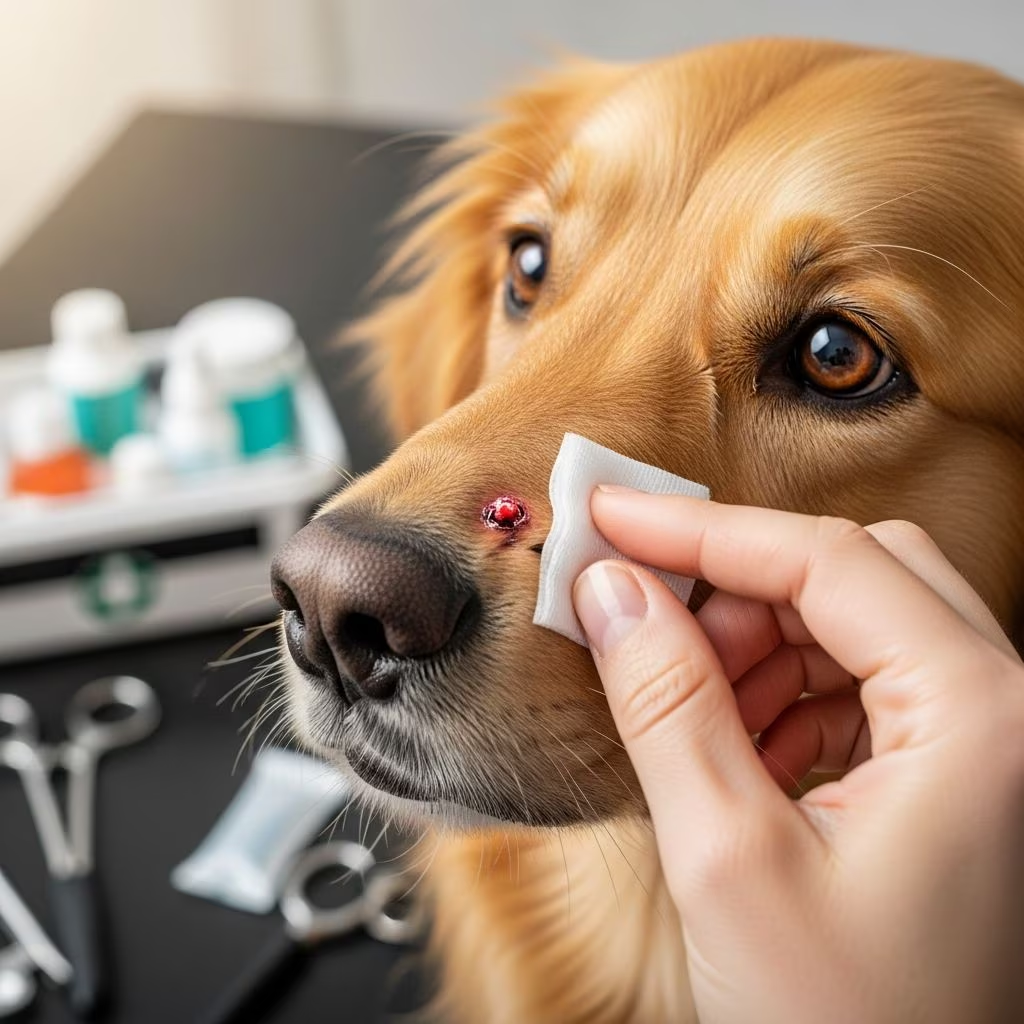
Dogs are naturally curious creatures who explore their environment with their noses and mouths, making them particularly vulnerable to bites and stings from insects. The flowers blooming in warmer months increase the likelihood of encounters with bees, wasps, hornets, and other stinging insects. Understanding how to identify, treat, and prevent these injuries is essential for every dog owner. This comprehensive guide covers everything you need to know about managing insect bites and stings in dogs.
Understanding Insect Bites and Stings in Dogs
Dogs can be stung or bitten by various insects, with bees, wasps, spiders, and hornets being the most common culprits. Due to their curious nature and tendency to investigate their surroundings with their mouths, dogs are typically stung on sensitive areas including their mouths, faces, and paws, though stings can occur anywhere on their bodies. The severity of a reaction depends on multiple factors, including whether the dog has developed an allergic sensitivity to the insect venom.
One key difference between insects is whether they leave a stinger behind. Honeybees are the only insects that leave their stingers embedded in the skin after stinging. When a bee stings, its stinger becomes detached from its body, and the bee dies, leaving behind the stinger and a venom sac that continues to pump toxins into the wound. Wasps, bumblebees, and hornets, by contrast, possess retractable stingers that do not detach, allowing them to sting repeatedly without consequence.
Recognizing Signs of a Bee Sting or Insect Bite
Not all pet owners immediately realize when their dog has been stung, especially if the insect does not leave a visible stinger behind. However, certain signs can help you identify an sting or bite quickly. Common indicators include:
- Localized swelling at the site of the sting
- Redness and inflammation of the skin
- Excessive licking or scratching at the affected area
- Visible stinger (in the case of bee stings)
- Mild pain or sensitivity when touched
- Whimpering or signs of discomfort
Careful observation is particularly important during outdoor activities, as prompt identification allows for faster treatment and better outcomes.
Symptoms of Allergic Reactions to Insect Stings
While many dogs experience only mild localized reactions to insect stings, some develop more serious allergic responses. The severity of these reactions can range from mild to life-threatening, and there is no way to predict in advance how a particular dog will respond to a sting. Interestingly, a dog may show no reaction to an initial sting but experience a severe reaction to a subsequent sting.
Mild to Moderate Reactions
Most dogs with insect allergies develop a reaction known as urticaria, characterized by swelling and hives. Mild clinical signs of an insect sting reaction include localized swelling, facial puffiness, hives, itching, and minor discomfort. These symptoms typically develop gradually and remain localized to the area around the sting.
Anaphylactic Reactions
Anaphylaxis is the most severe type of allergic reaction and constitutes a veterinary emergency. Unlike humans, where approximately one to five percent of people have a severe bee allergy, there is currently no reliable data on the prevalence of severe bee allergies in dogs. However, dogs can and do experience anaphylactic reactions to insect venom.
Anaphylactic symptoms develop rapidly—often within minutes of the sting—and can be life-threatening. These severe symptoms include:
- Severe facial swelling extending beyond the immediate sting site
- Difficulty breathing or respiratory distress
- Vomiting and diarrhea
- Staggering or loss of coordination
- Rapid drop in blood pressure
- Swelling of the larynx leading to airway obstruction
- Seizures
- Cardiovascular collapse
- Loss of consciousness or collapse
If your dog displays any signs of facial swelling, vomiting, breathing difficulty, or collapse, seek immediate veterinary attention. Mild clinical signs can rapidly escalate into severe reactions, making early professional intervention critical.
First Aid for Dog Stings and Bites
Locating and Removing the Stinger
If your dog has been stung by a bee and you can see the stinger, swift removal is essential. The stinger continues to release venom from the attached sac, so every moment counts. To safely remove a bee stinger:
- Use a flat-edged object such as a credit card, library card, or plastic scraper
- Scrape the stinger away from the skin in a gentle, single motion
- Avoid using tweezers or pinching the stinger, as squeezing can release additional venom into the wound
- Be careful not to break the stinger, which would leave fragments in the skin
Neutralizing the Venom
Once the stinger is removed, neutralizing the remaining venom can help reduce pain and swelling. Make a thick paste by mixing baking soda with water and apply it directly to the sting site. For dogs with multiple stings or bites, a soothing oatmeal bath is recommended as a more comprehensive treatment.
Cold Therapy
Cold therapy is highly effective for reducing inflammation and pain associated with insect stings. Apply a cold pack or cold water cloth to the affected area to minimize swelling and discomfort. For dogs bitten by venomous insects, keep the affected limb below heart level and wrap it with padded ice packs to reduce inflammation.
Preventing Further Irritation
Dogs naturally want to lick and scratch at uncomfortable areas, which can worsen inflammation and introduce secondary infection. Try to discourage your dog from licking or scratching the sting site, though this is admittedly challenging. You may need to use an Elizabethan collar or other protective measures to prevent self-trauma.
Keeping Your Dog Calm
For venomous bites and stings, keeping your dog’s heart rate as low as possible helps reduce the spread of venom through the body. Maintain a calm demeanor, carry your dog if possible, and prevent them from running or becoming overly excited. This conservative approach minimizes cardiovascular circulation and venom distribution.
Medications and Antihistamines
Many dog owners wonder whether they can administer medications at home to treat insect stings. While Benadryl (diphenhydramine) is generally considered safe for dogs, you should not give your dog any medication before contacting your veterinarian, particularly if your dog shows symptoms like facial swelling. Facial swelling is a warning sign that your dog requires immediate professional veterinary attention rather than home treatment alone.
However, for insect stings seen early without severe symptoms, antihistamines like Piriton are safe for dogs and may help prevent reactions from worsening. If you notice your dog has been stung, administer one or two antihistamine tablets depending on your dog’s size and then proceed to the veterinarian. Professional guidance ensures appropriate dosing and helps rule out more serious complications.
When to Seek Veterinary Care
Understanding when professional help is necessary can be lifesaving. You should take your dog to the veterinarian if stung by a bee because bee stings in dogs can result in mild to life-threatening symptoms, and there is no way to predict your dog’s reaction in advance. Even if your dog seems fine initially, complications can develop rapidly.
Seek immediate emergency veterinary care if your dog experiences:
- Any facial swelling
- Difficulty breathing
- Vomiting or diarrhea
- Signs of collapse or weakness
- Excessive drooling or inability to swallow
- Any signs of anaphylaxis
- Multiple stings from wasps, hornets, or yellow jackets
Typical treatment for allergic reactions involves antihistamines and corticosteroids, available as both oral medications and injections. The specific treatment depends on the severity of the reaction and your dog’s individual health status.
Prevention Strategies
Reducing Exposure to Stinging Insects
The most effective way to prevent anaphylaxis is to avoid stings altogether. While complete prevention is impossible, certain measures significantly reduce risk:
- Prevent your dog from chasing bees or wasps whenever possible
- Limit exposure to fallen fruit and food waste, which attract insects
- Check your yard and property for bee and wasp nests
- Remove identified nests through professional pest control services for safety
- Keep your dog on a leash in unfamiliar areas
- Supervise outdoor playtime during peak insect seasons
Identifying Problem Areas
Dogs should be wary of wasp nests and yellow jacket burrows, which can deliver multiple stings if disturbed. A single sting may seem minor, but multiple stings or a single sting in an allergic dog can be life-threatening with potential long-term complications. Regular inspection of your home and property helps identify and eliminate these hazards.
Removing Attractive Plants
Remove any plants from your property that may be irritating or toxic to pets and that attract bees and wasps. This reduces the likelihood that your dog will encounter stinging insects during outdoor activities.
Understanding Unpredictable Reactions
One of the most challenging aspects of managing insect stings in dogs is the unpredictability of allergic responses. There is no way to predict whether a dog will have an allergic reaction to a bee sting or whether any reaction will be mild or severe. Some dogs have no reaction to an initial sting and then experience a severe reaction to the next sting from the same or different insect. This unpredictability means that even dogs with no history of insect allergies require immediate veterinary evaluation after a sting.
The allergic response is triggered by antibodies the immune system creates in response to components of insect venom. These antibodies cause inflammatory cells like basophils and mast cells to release substances that produce the allergic reaction. The severity and nature of the reaction depend on individual immune response patterns and previous exposure history.
Frequently Asked Questions About Dog Bites and Stings
Q: What should I do immediately if my dog gets stung by a bee?
A: Try to locate and remove the stinger carefully using a flat-edged object like a credit card, neutralize the venom with a baking soda paste, apply a cool compress, keep your dog calm to reduce heart rate, and contact your veterinarian immediately.
Q: Do I need to take my dog to the vet if they are stung by a bee?
A: Yes, you should take your dog to the veterinarian. Bee stings in dogs can result in mild to life-threatening symptoms, and there’s no way to predict your dog’s reaction in advance.
Q: Can I give my dog Benadryl for a bee sting?
A: While Benadryl is generally safe for dogs, you should not give your dog any medications before contacting your vet. If your dog shows symptoms like facial swelling, this indicates a need for immediate veterinary attention rather than home treatment.
Q: What is the difference between a bee sting and a wasp sting?
A: Honeybees leave their stingers embedded in the skin and die after stinging, while wasps have retractable stingers that allow them to sting repeatedly without consequence.
Q: How can I prevent my dog from being stung?
A: Prevent your dog from chasing insects, limit exposure to fallen fruit and food waste, remove bee and wasp nests from your property, keep your dog on a leash in unfamiliar areas, and supervise outdoor activities during peak insect seasons.
Q: What are the signs of anaphylaxis from an insect sting?
A: Anaphylaxis symptoms include difficulty breathing, severe facial swelling, vomiting, diarrhea, staggering, rapid drop in blood pressure, and collapse. These develop within minutes and require immediate emergency veterinary care.
Q: Can a dog’s reaction to an insect sting change over time?
A: Yes, dogs can have no reaction to an initial sting but experience a severe reaction to a subsequent sting from the same or different insect, making reactions unpredictable.
Conclusion
Insect bites and stings are a common concern for dog owners, particularly during warmer months when bees, wasps, and other insects are most active. While many dogs experience only mild localized reactions, the potential for severe allergic responses and anaphylaxis makes prompt recognition and treatment essential. By understanding how to identify stings, administer basic first aid, recognize warning signs of serious reactions, and implement prevention strategies, you can help protect your dog from the dangers of insect stings. Always remember that facial swelling, breathing difficulties, or signs of collapse warrant immediate emergency veterinary care. Though insect stings are never pleasant for dogs or their owners, prompt veterinary care can minimize effects and ensure your dog enjoys a safe, pleasant experience outdoors.
References
- What to Do If Your Dog Gets Stung By a Bee — Kinship. 2024. https://www.kinship.com/dog-health/bites-and-stings
- A British Guide to the Countryside – For City Dogs — Kinship. 2024. https://www.kinship.com/uk/dog-health/countryside-dangers-for-dogs
- What to Do If Your Dog Has Hives—and How to Help — Kinship. 2024. https://www.kinship.com/dog-health/canine-hives
- First Aid for Insect Stings in Dogs — VCA Animal Hospitals. 2024. https://vcahospitals.com/know-your-pet/first-aid-for-insect-stings-in-dogs
- Allergic Reaction to Insect (Bee and Wasp) Stings in Dogs — Pet Place. 2024. https://www.petplace.com/article/dogs/pet-health/allergic-reaction-to-insect-bee-and-wasp-stings-in-dogs



