

Dog Bite Prevention: Essential Safety Tips
Dog bites are a serious public health concern that affects thousands of people annually. Understanding how to interact safely with dogs—both familiar and unfamiliar—is crucial for preventing injuries. Whether you’re encountering a neighbor’s pet, a dog at the park, or a stray animal, knowing the right approach can significantly reduce your risk of being bitten. This comprehensive guide covers essential dog bite prevention strategies recommended by veterinary and safety experts.
Ask Permission Before Petting Any Dog
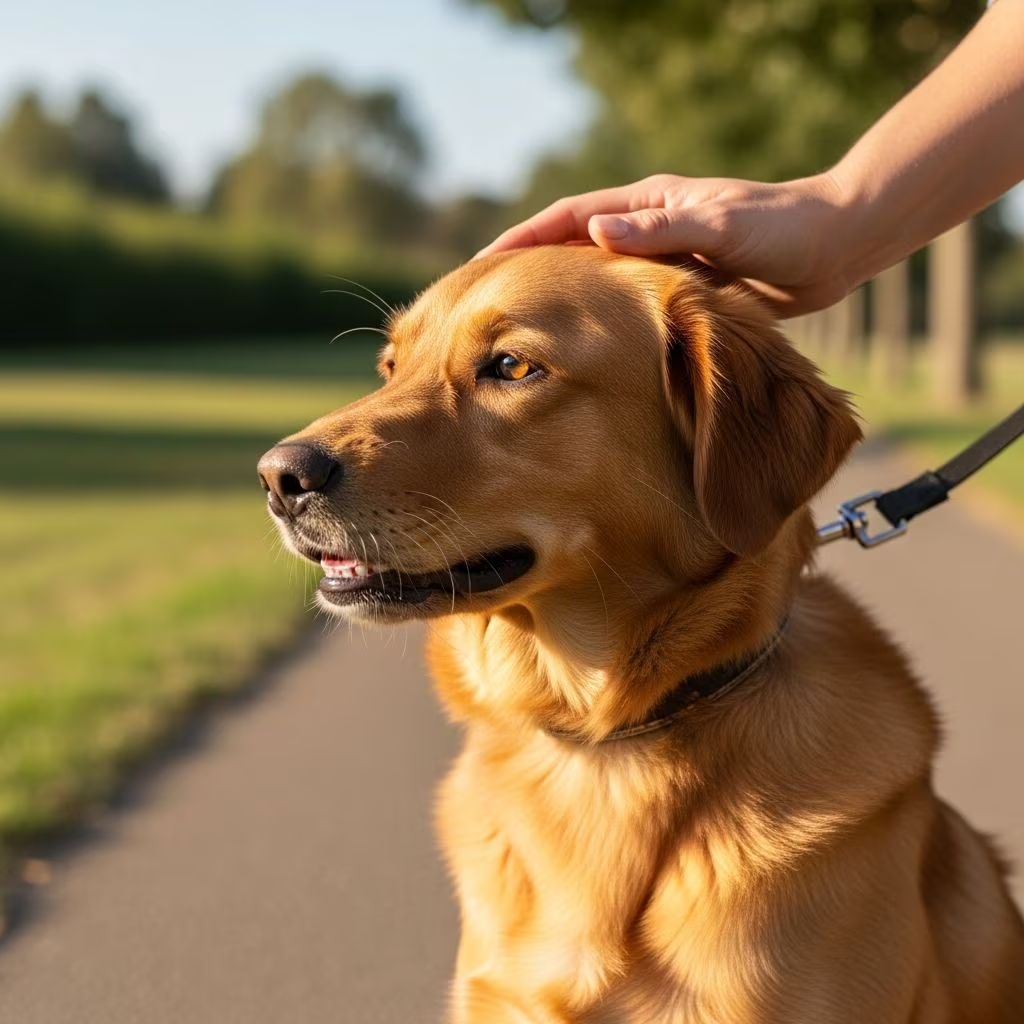
The first and most important rule of dog safety is to always ask the dog owner for permission before attempting to pet their dog. When meeting an unfamiliar dog, never reach out to pet them without consent from their owner. A strange hand approaching a dog’s face can be frightening and may trigger a defensive bite response. Before extending your hand, always ask the dog’s owner, “May I pet your dog?” This simple courtesy gives the owner an opportunity to assess whether their dog is comfortable with the interaction.
Once you’ve received permission, proceed carefully. Let the dog sniff your closed hand first to become familiar with your scent. This allows the dog to gather important information about you before any physical contact occurs. Only after the dog has sniffed your hand should you proceed to gently pet the dog’s shoulders or chest area, which are generally less sensitive than other parts of the body.
Proper Petting Techniques
Not all areas of a dog’s body are equally comfortable for petting. Many dogs find petting on the top of the head or around the face stressful, even when they’re familiar with the person doing the petting. Children and adults should focus on safer petting locations such as the shoulders, back, and sides of the dog. Avoid the head and nose area unless the dog demonstrates clear comfort with this type of contact.
When petting a dog, use gentle, calm movements and watch for signs of discomfort. If the dog appears uneasy, uncomfortable, or tense, speak happily to reassure them and casually remove your hand. Never make sudden, jerky movements, as these can startle the dog and trigger a bite response. The key is to maintain a calm demeanor and respond to the dog’s comfort level during the interaction.
Situations to Avoid
Certain situations place dogs in a heightened state of stress or defensiveness, making them far more likely to bite. Understanding these scenarios is critical for prevention:
- Sleeping Dogs: Never wake a dog by touching them. Startled dogs may bite without warning, especially if awakened suddenly from a nap.
- Eating or Chewing: Dogs protecting their food, treats, or toys are in a resource-guarding state and may bite to defend their possession. Always respect a dog’s space during meals and snack time.
- Caring for Puppies: Mother dogs are extremely protective of their litters and will bite to defend their puppies from perceived threats.
- Barking or Growling Dogs: These are clear warning signals that the dog feels threatened or anxious. Stay away from any dog displaying these behaviors.
- Loose, Fenced, or Tethered Dogs: Approach dogs confined behind fences, on chains, or running loose with extreme caution, as they may feel trapped or territorial.
Recognizing Dog Body Language
Dogs communicate their emotional state through body language long before they bite. Learning to read these signals is essential for preventing dog bite incidents. A dog feeling anxious, afraid, threatened, or aggressive will display specific physical cues that should be respected:
- Positive Signs: A wagging tail combined with a relaxed body posture indicates a dog that feels comfortable and safe.
- Warning Signs: Stiffness in the body, growling, wide eyes, tail tucked between legs, flattened ears, and raised hackles all indicate fear, anxiety, or aggression.
- Size Changes: Aggressive dogs tend to make themselves appear larger by standing tall and puffing out their chest, while fearful dogs attempt to look smaller by crouching or backing away.
When you observe any of these warning signals, the appropriate response is to respect the dog’s feelings and maintain distance. Do not attempt to pet, console, or further interact with a dog displaying these behaviors.
What to Do If an Unknown Dog Approaches You
If a loose or unknown dog approaches you without the owner present, your response is critical. The natural instinct might be to run or scream, but these reactions can actually trigger a chase or attack response in dogs. Instead, remain calm and follow these guidelines:
- Stay Still and Quiet: Do not run or scream. Stand your ground in a calm, quiet manner.
- Avoid Direct Eye Contact: Look down at your feet rather than making direct eye contact with the dog, as staring can be perceived as a challenge or threat.
- Assume a “Tree” Position: Stand straight and still, remaining silent. This non-threatening posture often causes dogs to realize you’re not a danger, and they may simply sniff and leave.
- Use Objects as Barriers: If you have a backpack, jacket, bicycle, or other object, position it between yourself and the dog for protection.
Often, when a dog realizes you are not presenting a threat, they will lose interest after a few sniffs and move on. While this approach does not guarantee the dog will leave, it significantly increases the likelihood of a safe outcome compared to running or screaming.
If a Dog Knocks You Down
In the rare but serious situation where a dog knocks you to the ground, protection of vital areas is essential. The safest position is to curl into a tight ball with your knees tucked into your stomach, fingers interlocked behind your neck to protect your neck and ears, and your chin tucked to your chest. Remain quiet and still in this protective position until the dog loses interest and leaves.
Supervising Children and Dogs
Children require special protection and education regarding dog safety, as they are more likely to be bitten than adults. Key strategies for protecting children include:
- Constant Supervision: Never leave babies, infants, or young children alone with any dog, regardless of the dog’s size, temperament, or familiarity with the child.
- Teach Gentle Handling: Educate children on the difference between petting and patting, emphasizing the importance of gentle interactions and avoiding poking, pushing, pulling, or teasing pets.
- Establish Boundaries: Teach children to give dogs their own space and opportunities to rest without interruption.
- Recognize Warning Signs: Help children understand and respect the body language signals that indicate a dog is uncomfortable or anxious.
- Respond to Loose Dogs: Teach children that if they see a dog off-leash or loose outside, they should immediately go inside and tell an adult rather than approaching the animal.
Proper Dog Training and Socialization
For dog owners, preventing bites begins with proper socialization and training of their own dogs. Dogs that are well-socialized from an early age and have received obedience training are significantly less likely to bite. Training should include impulse control exercises such as sit, wait, and leave it commands, which help dogs respond appropriately in various situations. Additionally, owners should avoid playing with their dogs in ways that encourage biting behavior, such as waving fingers or toes in the dog’s face or slapping the sides of the dog’s face to entice play.
Handling Nipping and Mouthing Behavior
If a dog begins nipping or mouthing during play, owners should address this behavior immediately. One effective technique is to give a high-pitched yelp the instant the dog’s teeth touch skin, then immediately walk away and ignore the dog for 30 to 60 seconds. This mimics how puppies learn bite inhibition from their littermates. If the dog continues biting or follows you, leave the room entirely for a brief time-out. Consistency with this approach teaches dogs that biting ends the fun, reducing the likelihood of this behavior escalating.
General Safety Precautions
Beyond specific interaction techniques, several general precautions reduce dog bite risk:
- Avoid petting dogs behind fences or in cars, as dogs often instinctively protect their territory.
- Never encourage a dog to play by waving your fingers or toes in their face, as this can actually encourage biting behavior.
- Ensure that any dog entering your household is properly socialized and trained before allowing interaction with family members and visitors.
- Remain calm and composed around unfamiliar dogs, as dogs can sense anxiety and may respond defensively.
Frequently Asked Questions
Q: What should I do if I’ve been bitten by a dog?
A: If bitten, wash the wound thoroughly with soap and water, apply an antiseptic, and seek medical attention, especially if the bite is deep, bleeding heavily, or from an unknown dog whose vaccination status is uncertain. Report the incident to local animal control.
Q: Can small dogs bite as dangerously as large dogs?
A: While larger dogs may cause more severe physical injury, small dogs are equally capable of biting and transmitting infection. Never assume a small dog is harmless; always treat all dogs with appropriate caution.
Q: How can I teach my child to greet a dog safely?
A: Teach your child to always ask the owner’s permission first, extend their hand slowly for the dog to sniff, and pet only the shoulders, back, and sides of the dog. Emphasize the importance of staying calm and avoiding sudden movements.
Q: What age can children begin learning about dog safety?
A: Children as young as preschool age can begin learning basic dog safety concepts, including asking permission, recognizing warning signs, and understanding which areas of a dog’s body are safe to pet.
Q: Are certain dog breeds more likely to bite than others?
A: While breed tendencies exist, individual temperament, training, socialization, and environment play equally important roles. Any dog, regardless of breed, can bite if provoked, frightened, or poorly trained.
Q: What should I do if a dog on a leash approaches me aggressively?
A: Stay calm, back away slowly, and do not make eye contact. Alert the owner immediately and increase the distance between yourself and the dog. If the owner cannot control their dog, seek assistance from a nearby adult or contact local animal control.
References
- It’s Dog Bite Prevention Week: Read Our Safety Tips — ASPCA. 2017-05-21. https://www.aspca.org/news/its-dog-bite-prevention-week-read-our-safety-tips
- Dog Bite Prevention Tips: What to Look Out For — ASPCA. https://www.aspca.org/news/dog-bite-prevention-tips-what-look-out
- Dog Bite Prevention — ASPCApro. https://www.aspcapro.org/sites/default/files/Animalessons_%20Dog_Bite_Prevention.pdf
- Mouthing, Nipping and Play Biting in Adult Dogs — ASPCA. https://www.aspca.org/pet-care/dog-care/common-dog-behavior-issues/mouthing-nipping-and-play-biting-adult-dogs
- How to Avoid and Treat Dog Bites — Texas Children’s Hospital. https://www.texaschildrens.org/content/wellness/how-avoid-and-treat-dog-bites
- Dog Bite Prevention — County of Los Angeles Public Health. http://publichealth.lacounty.gov/vet/dogbiteprevention.htm



