

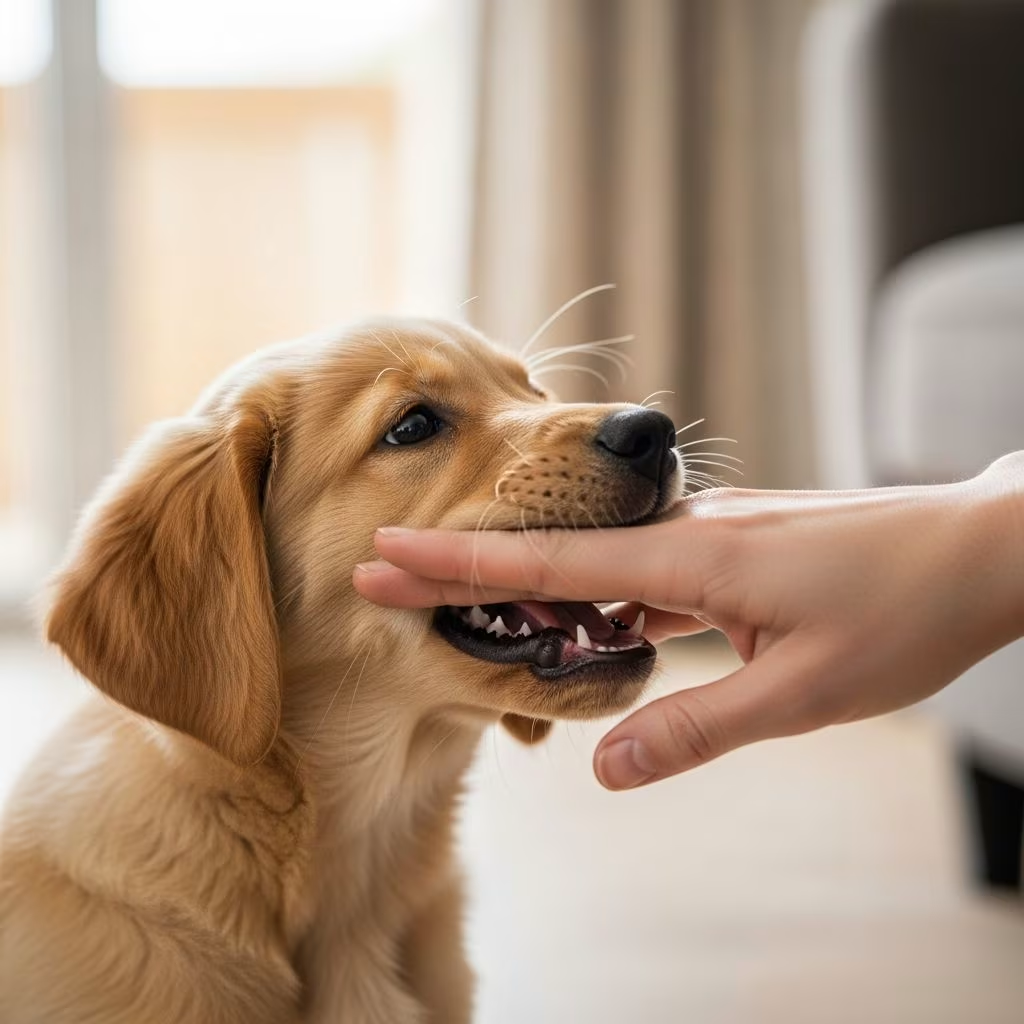
Dog bite inhibition is one of the most important skills you can teach a puppy. It is the difference between an accidental nip that barely leaves a mark and a serious bite that causes real injury. Teaching bite control early sets your dog up for a lifetime of safer, more confident interactions with people and other animals.
Behavior experts emphasize that bite inhibition is a core part of responsible dog ownership and should be developed in the first few months of life, while your puppy’s brain and behavior are most flexible.
What Is Dog Bite Inhibition?
Bite inhibition is a dog’s ability to control the force of their bite when they put their mouth on a person, another dog, or any living creature. A dog with good bite inhibition may still mouth, but they know how to keep pressure light and non-damaging.
All dogs have powerful jaws. Even small breeds can cause significant harm if they bite at full strength. Bite inhibition is the skill that prevents that force from being used, even when a dog is startled, excited, or in pain.
Why Bite Inhibition Matters More Than Stopping Biting Entirely
Many guardians focus only on stopping all puppy biting. While reducing unwanted nipping is important, behavior specialists explain that teaching control is even more critical than eliminating mouthing altogether.
- There may be a day when your dog is scared, hurt, or restrained at the vet and snaps reflexively.
- If they have learned strong bite inhibition, that snap is more likely to be a harmless air-bite or a light pinch rather than a deep, damaging bite.
- A dog that has never learned to regulate jaw pressure can cause serious wounds with a single bite.
Good bite inhibition is like a built-in safety brake: even under stress, your dog’s mouth is more likely to stay gentle.
How Puppies Naturally Learn Bite Inhibition
Puppies start building bite inhibition long before they come home with you. Between roughly 3 and 5 months of age, puppies are at a key developmental stage where they naturally practice bite control during social play.
Lessons From Mom and Littermates
When puppies play, they use their mouths constantly—chasing, wrestling, grabbing, and chewing on each other:
- If one puppy bites too hard, the other usually yelps loudly and may move away or stop playing.
- This sudden end to the game tells the biter, “That hurt; you went too far.”
- Over many repetitions, puppies learn to moderate their bite so play can continue.
Similarly, a mother dog often corrects overly rough mouthing by standing up, walking away, or gently disciplining the pup. The common theme: hard bites make social interaction stop, while gentler play keeps the fun going.
Why Human Teaching Is Still Essential
Even though puppies learn a lot from their canine family, they still need to learn how to be gentle with human skin and hands. Human skin is more fragile than a dog’s coat, and our reactions are different from other dogs’.
Positive training organizations stress that guardians must continue this education at home using structured play, clear feedback, and consistent rules.
Key Benefits of Teaching Bite Inhibition
| Benefit | How Bite Inhibition Helps |
|---|---|
| Improved safety | Reduces the risk of severe injury if a dog ever snaps or bites under stress. |
| Better social skills | Supports safe play with children, adults, and other dogs, lowering the chance of conflict. |
| Lower liability | Dogs with soft mouths are less likely to cause damage that could lead to legal or housing problems. |
| Calmer handling | Makes grooming, vet care, and everyday handling safer and less stressful for everyone. |
| Clear communication | Teaches dogs that gentle behavior keeps rewards, while roughness makes rewards stop, clarifying your rules. |
When and How Long to Work on Bite Inhibition
Behavior and training experts recommend starting bite inhibition training as soon as your puppy comes home and continuing actively until at least 5–6 months of age, when permanent teeth are coming in and play styles change.
- Best starting window: 8–12 weeks old, right when puppies join their new families.
- Intensive practice: 8–20 weeks, while puppies naturally explore with their mouths.
- Maintenance: Through adolescence (up to 18–24 months) to keep mouth manners reliable.
It is still possible to improve bite inhibition in older dogs, but it often requires more time, structure, and professional help, especially if fear, anxiety, or aggression is involved.
Practical Techniques to Teach Bite Inhibition
Effective bite inhibition training blends clear feedback when a bite is too hard with positive reinforcement for gentle behavior. The goal is not to punish your puppy, but to teach them which choices keep play, attention, and rewards coming.
1. Make Hard Biting End the Game
This method copies what puppies learn from littermates: painful bites make play stop. Organizations such as the American Kennel Club and the ASPCA recommend this approach as a foundation.
- Play calmly with your puppy, allowing light mouthing if it stays gentle.
- When your puppy bites down too hard, immediately react:
- Let out a brief, high-pitched “Ouch!” or yelp, or
- Quietly freeze, withdraw your hands, and avoid eye contact.
- Stop all play and interaction for 10–60 seconds. You can stand up and turn away or step behind a gate.
- After a short pause, resume calm play. If your puppy bites hard again, repeat the process.
This teaches a simple rule: hard bites turn fun off; gentle mouths keep fun going.
2. Gradually Ask for Softer and Softer Mouths
Once your puppy reliably avoids very hard bites, you can raise your standards over time.
- First, react only to the hardest bites.
- When those disappear, start interrupting medium-pressure bites the same way.
- Eventually, you will time out for almost any teeth on skin and reward only very gentle touches or no mouthing at all.
This stepwise approach builds fine control, rather than asking your puppy to go from rough to perfect in one jump.
3. Redirect to Appropriate Chew Toys
Since mouthing is a normal puppy behavior, it is not enough to just say “no.” Puppies need to know what they are allowed to chew. Major humane organizations recommend keeping a variety of safe toys available so you can redirect biting quickly.
- Before play, have several chew toys within reach.
- If your puppy starts mouthing your hands, clothing, or feet, calmly present a toy.
- Encourage them to grab and chew the toy; praise them warmly when they do.
- If they insist on biting you instead of the toy, end the interaction for a brief time-out.
Offering a toy at the same time you pet or handle your puppy is especially helpful for families with young children, who may move unpredictably and excite the puppy more easily.
4. Use Brief, Calm Time-Outs
For some puppies, even a single hard bite or repeated attempts at rough mouthing call for a short, structured break.
- Quietly escort your puppy to a safe, puppy-proofed area such as a playpen, gated room, or crate.
- Do not scold, shake, or frighten them—simply remove access to people and play.
- After 30–60 seconds of calm, let them rejoin you and resume gentle interaction.
Over time, your puppy learns that biting too hard not only stops the current game but also briefly removes social time altogether.
5. Reinforce Gentle Mouths With Rewards
Good bite inhibition training does not rely only on stopping bad behavior. It also heavily rewards gentle choices. Professional trainers often use structured food exercises:
- Hold a treat in your closed hand and present it to your dog.
- If you feel teeth scraping or grabbing, keep your hand closed; do not pull away dramatically, just wait calmly.
- When your puppy licks softly or backs off slightly, open your hand and let them take the treat gently.
- Repeat, gradually moving to holding food between your fingers as their control improves.
This teaches that only gentle mouths earn rewards, while pushy or rough mouths make the treat disappear.
6. Manage Energy, Sleep, and Environment
Many puppies bite hardest when they are overtired, overstimulated, or under-exercised. The American Kennel Club notes that excessive biting can signal that a puppy needs a nap, a potty break, or more appropriate outlets for energy.
- Provide regular physical exercise appropriate for your puppy’s age and breed.
- Offer mental enrichment like simple training games, sniffing walks, or food puzzles.
- Build predictable nap times in a quiet area so your puppy does not become frantic and bitey from fatigue.
Good management reduces the number of problem-biting episodes and makes training more successful.
Common Mistakes to Avoid
Outdated or harsh methods can make mouthing worse or create fear around hands and handling. Modern behavior guidelines from major humane organizations warn against the following strategies.
- Physical punishment: Hitting, alpha-rolling, muzzle-grabbing, or shaking your puppy can increase fear and aggression risk.
- Yelling or chasing: Big, dramatic reactions often excite puppies, turning biting into a fun game.
- Encouraging rough play: Wrestling with hands, playing tug without rules, or letting puppies chase and grab clothing teaches them that biting people is entertaining.
- Inconsistency: Allowing biting sometimes (for example, with certain family members) and correcting it other times confuses your puppy and slows learning.
Sticking to calm, consistent, reward-based training gives the clearest guidance and helps your puppy feel safe.
Socialization and Bite Inhibition
Safe, supervised socialization with other friendly dogs and puppies supports bite inhibition by giving your pup many chances to practice gentle play.
- Enroll in a well-run puppy class that uses positive reinforcement and requires vaccination checks.
- Look for controlled off-leash time where puppies are matched by size and temperament.
- Watch for signs of fear or bullying; step in and give your puppy a break if play becomes overwhelming.
Classes also teach you how to read dog body language and intervene early, which is essential for preventing problems as your puppy matures.
When to Seek Professional Help
Puppy biting is normal, but certain patterns deserve prompt attention from a veterinarian or qualified behavior professional:
- Bites that break skin repeatedly or leave bruises on adults or children.
- Growling, freezing, or snarling when people approach food, toys, resting spots, or the puppy’s body.
- Sudden, intense biting that seems linked to pain or a medical issue.
- Fearful behavior such as cowering, hiding, or startled biting during normal handling or grooming.
Veterinary behavior specialists and science-based trainers can assess what is driving the behavior and create a personalized plan that may include medical evaluation, behavior modification, and safety management.
Frequently Asked Questions (FAQs)
Q: At what age should I start teaching bite inhibition?
You can begin guiding your puppy’s bite control as soon as they come home, often around 8 weeks old. Experts recommend focusing on bite inhibition throughout puppyhood, especially up to about 5–6 months, when puppies are most receptive to learning gentle mouth use.
Q: Is it bad to let my puppy mouthing my hands at all?
Light mouthing can be useful early on because it gives you a way to teach your puppy how to control bite pressure. Behavior organizations suggest starting by allowing gentle mouthing and only interrupting hard bites, then gradually tightening the rules until your puppy uses a very soft mouth or chooses toys instead.
Q: My puppy gets more excited when I yelp. What should I do?
Some puppies interpret high-pitched sounds as invitations to play harder. In that case, skip the yelp and simply freeze, gently remove your hands, and turn away or step out of the room for a brief time-out. Resume play once your puppy is calm, and reward gentle interaction.
Q: How long does it take to teach good bite inhibition?
With consistent practice, many puppies make clear progress over several weeks, but full bite inhibition typically develops gradually over the first few months. Development speed depends on age, temperament, health, and how consistently all family members follow the same rules.
Q: Can adult dogs still learn bite inhibition?
Adult dogs can improve their bite control, but it is often more challenging because they have a longer history of using their mouths in certain ways. For adult dogs, especially those showing fear or aggression, work with a veterinarian and a qualified behavior professional who uses reward-based methods.
References
- Mouthing, Nipping and Biting in Puppies — ASPCA. 2023-05-01. https://www.aspca.org/pet-care/dog-care/common-dog-behavior-issues/mouthing-nipping-and-biting-puppies
- How to Stop Puppy Biting and Train Bite Inhibition — American Kennel Club (AKC). 2022-08-15. https://www.akc.org/expert-advice/training/stop-puppy-biting/
- Teaching Bite Inhibition and Dealing with Rough Puppy Play — Oregon Humane Society. 2021-04-10. https://www.oregonhumane.org/portland-training/teaching-bite-inhibition-and-dealing-with-rough-puppy-play/
- Creating Good Bite Inhibition — McCann Professional Dog Trainers. 2020-09-30. https://www.mccanndogs.com/blogs/articles/creating-good-bite-inhibition
- Let’s Play Nice!: Bite Inhibition Made Easy — Animal Defense League of Texas. 2020-06-01. https://adltexas.org/resources/lets-play-nice-bite-inhibition-made-easy/



