

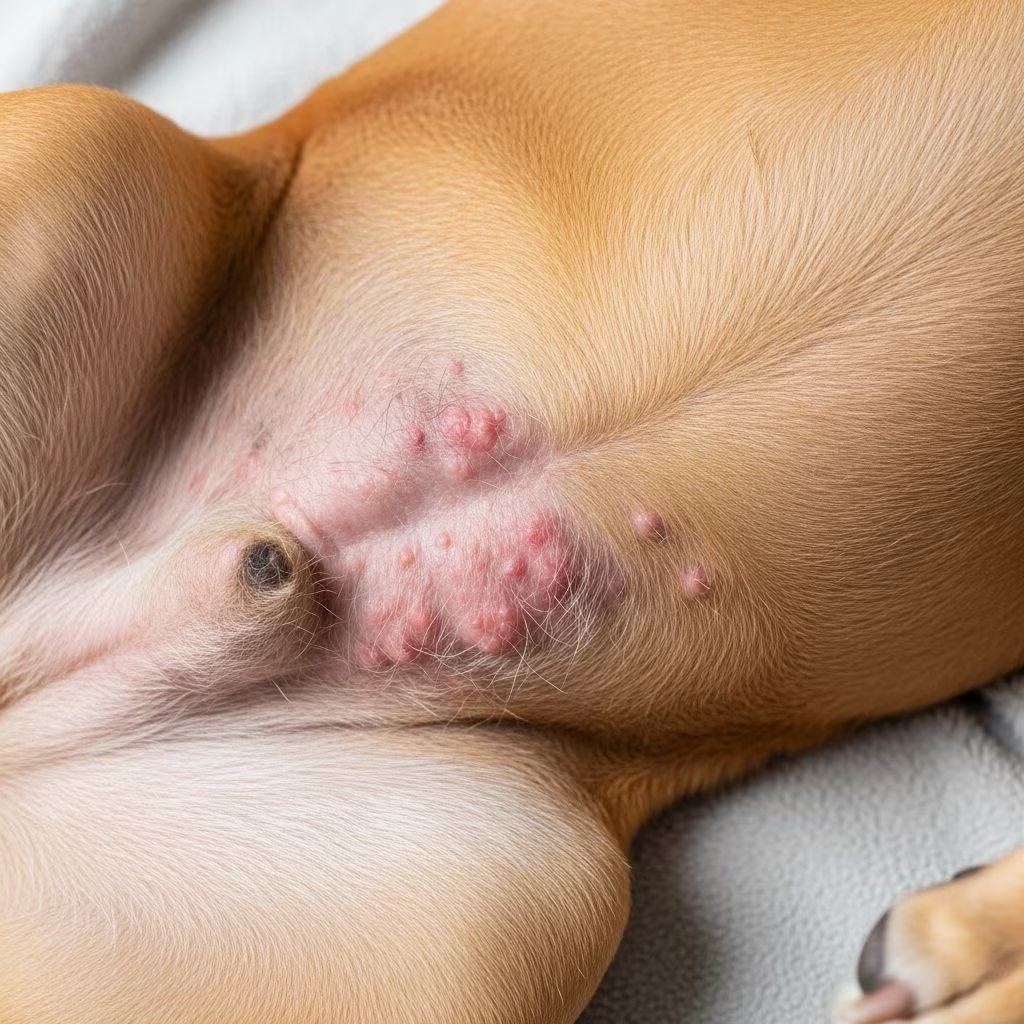
A red rash on your dog’s belly can appear suddenly, causing concern for pet owners. These skin issues often stem from allergies, infections, or parasites, affecting the thin, sensitive skin in this area. Early identification and proper care can prevent worsening and discomfort for your pet.
Recognizing the Signs of a Belly Rash in Dogs
Dogs with belly rashes typically show redness, inflammation, and itchiness on the abdomen or inner thighs. Other indicators include hair loss, small bumps, scabs, or a moist appearance. Your dog might lick or scratch excessively, leading to further irritation. In severe cases, a foul smell or pus signals infection.
- Redness and swelling: The primary visual cue, often bright pink or red patches.
- Itching behaviors: Scratching, rubbing against furniture, or rolling frequently.
- Hair thinning: Sparse fur exposing irritated skin underneath.
- Secondary issues: Sores, crusts, or odor from bacterial overgrowth.
These symptoms can mimic other conditions, so monitoring progression is key. If the rash spreads or your dog seems lethargic, seek veterinary help promptly.
Primary Causes Behind Belly Rashes
Several factors contribute to rashes on a dog’s stomach. Understanding them helps in targeted management.
Allergic Reactions: A Top Culprit
Allergies rank high among causes, with environmental triggers like pollen, dust mites, mold, and grasses provoking reactions. Food sensitivities to proteins, grains, or additives also play a role, manifesting as itchy red skin on the belly.
Contact allergies from detergents, fabrics, or grooming products directly irritate the skin upon exposure. Dogs with these issues often have recurrent flare-ups seasonally or after diet changes.
Parasitic Infestations
Parasites such as fleas, mites, ticks, and lice burrow or bite, causing intense itching and rashes. Flea allergy dermatitis leads to red, inflamed belly skin, while sarcoptic mange from mites creates crusty, widespread irritation. Demodectic mange affects immunocompromised dogs, showing patchy hair loss.
Infections: Bacterial and Fungal Threats
Bacterial pyoderma or fungal issues like ringworm and yeast overgrowth thrive in moist, irritated areas. These often follow initial allergies or injuries, producing pustules, odor, and scaly patches.
Less Common but Serious Triggers
Hormonal Imbalances
Endocrine disorders like Cushing’s disease or hypothyroidism weaken immunity, leading to thin skin, hair loss, and recurrent belly infections. Estrogen imbalances in intact females can also cause itchiness and rashes.
Environmental and Heat Factors
Heat rash occurs in hot, humid weather, especially in breeds with folds or thick coats. Trapped moisture fosters bacterial growth, resulting in red, painful skin.
Other Contributors
Contact dermatitis from plants or chemicals, drug reactions, vaccine sensitivities, or autoimmune diseases like pemphigus can present as belly rashes. Sunburn or trauma may also initiate issues.
| Cause Category | Common Examples | Key Symptoms |
|---|---|---|
| Allergies | Pollen, food, contact | Itchiness, redness |
| Parasites | Fleas, mites | Hair loss, crusts |
| Infections | Bacteria, yeast | Pustules, odor |
| Hormonal | Cushing’s, hypoT | Thin skin, recurrent |
| Environmental | Heat, moisture | Moist, inflamed |
Steps for Accurate Diagnosis
Self-diagnosis risks missing underlying problems. A vet exam involves skin scrapings, cytology, allergy tests, or biopsies to pinpoint causes. Bloodwork checks for hormonal issues, while fecal exams rule out internal parasites.
- Describe symptoms and timeline to your vet.
- Note recent changes in diet, environment, or products.
- Provide flea prevention history.
Treatment Strategies for Relief
Treatments address root causes and symptoms. Vets may prescribe oral meds, topicals, or shampoos.
Medications and Topicals
Antihistamines like diphenhydramine (1 mg/lb, 2-3 times daily) ease mild allergies. Apoquel or Cytopoint target itch. Antibiotics or antifungals combat infections.
Medicated shampoos with chlorhexidine soothe and cleanse. Topical creams or sprays protect healing skin.
Dietary and Lifestyle Adjustments
Hypoallergenic diets eliminate triggers. Flea preventives like topical or oral options are essential. Regular grooming prevents moisture buildup.
Home Care Tips While Awaiting Vet Visit
Gently clean the area with mild, vet-approved shampoo. Prevent licking with a cone. Cool compresses reduce inflammation. Avoid human products, as they can worsen irritation.
- Clip hair around the rash for airflow.
- Maintain cool, dry environments.
- Monitor for spreading or fever.
Preventing Future Belly Rashes
Proactive steps minimize recurrences. Use year-round flea control, hypoallergenic bedding, and regular baths. Allergy testing guides long-term diets. Routine vet checkups catch issues early.
When to Seek Emergency Care
Rush to the vet if hives, swelling, vomiting, breathing issues, or rapid spread occur—these signal anaphylaxis or severe infection. Bruising or petechiae may indicate clotting problems.
Frequently Asked Questions (FAQs)
Can I use human rash cream on my dog?
No—many contain ingredients toxic to dogs. Consult your vet for safe alternatives.
How long does a belly rash take to heal?
With treatment, 1-4 weeks, depending on cause. Chronic allergies may need ongoing management.
Is a dog’s belly rash contagious?
Some, like ringworm or mange, are. Isolate and treat promptly.
Can diet alone fix my dog’s rash?
It helps allergies but not infections or parasites. Vet diagnosis is crucial.
What breeds are prone to belly rashes?
Short-haired or fold-faced breeds like Bulldogs, Pugs, and Labs due to skin exposure.
References
- Dog Rash on Belly & Inner Thighs: What To Do — Lincolnway Veterinary Clinic. 2023. https://lincolnwayvet.com/blog/dog-rash-on-belly-inner-thighs/
- The Common Causes, Symptoms, and Treatments of Dog Rash — Sunshine Pet Hospital. 2023. https://sunshinepethospital.com/the-common-causes-symptoms-and-treatments-of-dog-rash/
- Treating a Red Rash on a Dog’s Belly — Whole Dog Journal. 2023. https://www.whole-dog-journal.com/health/red-rash-on-dogs-belly/
- My Dog Has a Belly Rash, What Now? — Zoetis Petcare. 2023. https://www.zoetispetcare.com/blog/article/dog-belly-rash
- Rashes on Your Dog’s Belly: Everything You Need to Know — American Kennel Club (AKC). 2023. https://www.akc.org/expert-advice/health/dog-belly-rash/
- Skin Rash on Dog’s Stomach: 7 Causes & What To Do — ToeGrips. 2023. https://toegrips.com/skin-rash-on-dogs-stomach/
- Rashes on Dogs: Prevention and How To Treat Them — PetMD. 2023. https://www.petmd.com/dog/symptoms/rashes-on-dogs



