

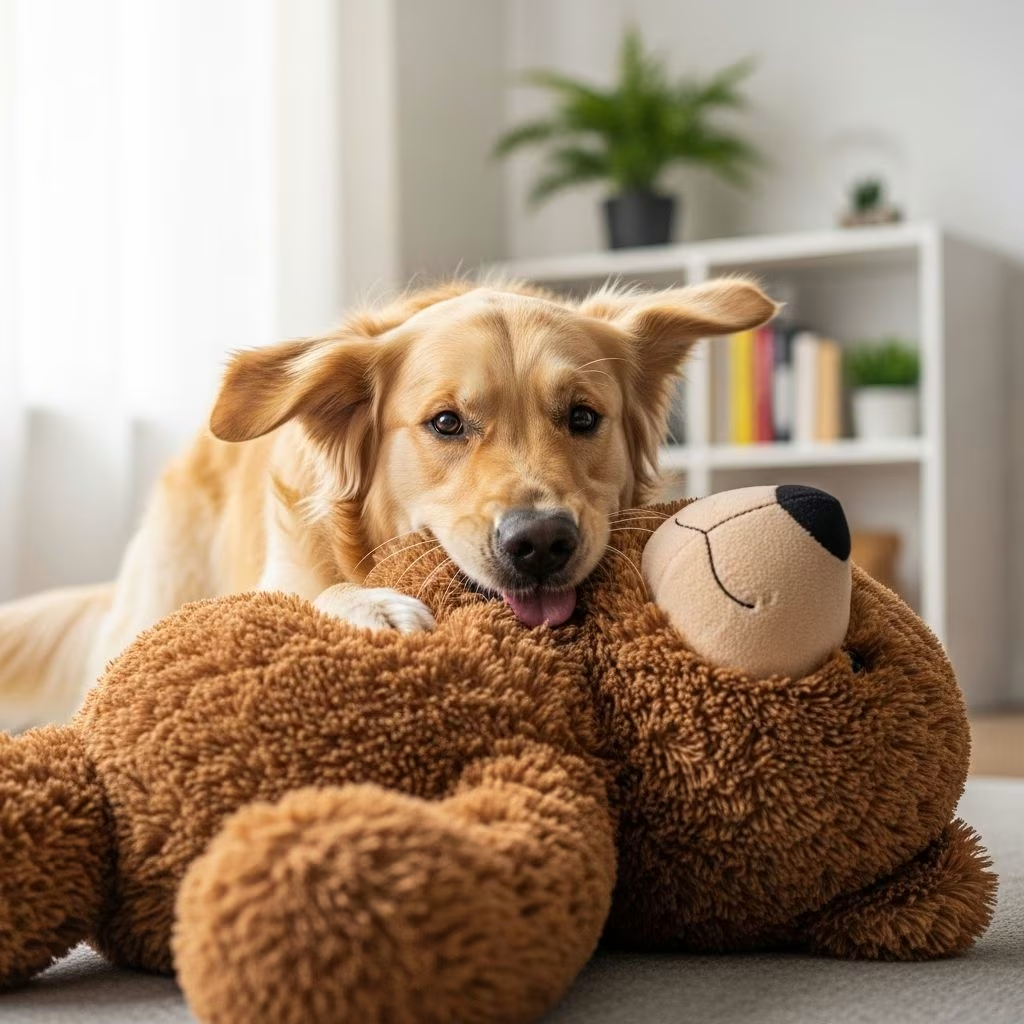
Humping, or mounting behaviour, is one of the most common and often misunderstood actions in dogs. Both male and female dogs engage in it, regardless of whether they are neutered or spayed. While it can be embarrassing for owners, this instinctive behaviour rarely stems solely from sexual desire. Instead, it serves multiple purposes rooted in a dog’s emotional, social, and physical state.
Understanding the triggers behind humping helps owners respond appropriately, avoiding punishment that can worsen the issue. This article breaks down the key reasons dogs hump, when it becomes problematic, and practical strategies to manage it effectively. By addressing underlying causes like excitement, stress, or health concerns, you can foster better behaviour without frustration.
Is Humping Normal Dog Behaviour?
Yes, humping is a perfectly normal behaviour observed in puppies as young as 3-6 weeks old during play. It persists into adulthood and occurs in both sexes. Veterinarians refer to it as mounting, where a dog places its front legs around another dog, person, object, or even air, thrusting its pelvis. Contrary to popular belief, it is not primarily a sign of dominance but often linked to excitement, play, or emotional arousal.
Occasional humping during greetings, play sessions, or high-energy moments is typical. However, frequency and context matter. If it’s brief and context-appropriate, like during roughhousing with another dog, intervention may not be needed. Persistent or obsessive humping, especially targeting guests or furniture, warrants closer examination.
- Normal scenarios: Play with other dogs, excited greetings, or self-directed on toys.
- Concerning scenarios: Constant repetition ignoring commands, aggression paired with mounting, or sudden onset in older dogs.
Reasons Why Dogs Hump
Dogs hump for a variety of non-sexual reasons. Identifying the trigger is the first step to resolution. Common causes include hormonal influences, emotional states, and learned habits.
Hormones and Sexual Motivation
In unneutered males, testosterone drives mounting, especially around unspayed females in heat. Females may also hump when in season. However, neutering or spaying reduces but does not eliminate the behaviour, as hormones can linger for weeks or months post-surgery. Even after hormone levels drop, habitual patterns persist if reinforced early.
Young, intact dogs show higher rates, but sexual humping is less common than assumed. Both genders exhibit it equally post-neutering, pointing to behavioural roots.
Play and Excitement
Humping frequently occurs during play, when dogs are overexcited or overstimulated. Puppies mount littermates as early as three weeks, practising social skills. Adult dogs repeat this in rowdy games, using it to release pent-up energy. After spotting a favourite playmate or during greetings, thrusting helps channel arousal.
Signs of excitement-driven humping include wagging tails, play bows, and relaxed body language. It’s short-lived and mutual in multi-dog play.
Stress, Anxiety, and Displacement
Anxious dogs hump as a coping mechanism, known as displacement behaviour. This out-of-context action soothes conflicted emotions, like stress from new environments or overstimulation. Foot-tapping in humans is analogous. In multi-pet homes, it signals tension or poor social skills.
Triggers include vet visits, thunderstorms, or changes in routine. Accompanying signs: lip-licking, yawning, or avoidance.
Attention-Seeking
Dogs quickly learn humping garners reactions. Pushing them off or scolding provides the attention they crave, even if negative. Mounting legs during petting or when ignored reinforces the habit, as any response equals success in their mind.
This is common with understimulated dogs seeking interaction. They target approachable people, like children due to size similarity.
Medical Issues
Sudden or excessive humping can indicate health problems. Skin allergies cause itchy genitals, leading to rubbing. Urinary tract infections, prostate issues in males, or anal gland discomfort prompt mounting for relief. If paired with licking, scooting, or lethargy, consult a vet promptly.
Rarely, compulsive humping links to neurological conditions, but most cases are behavioural.
Learned or Habitual Behaviour
Puppy humping ignored in youth becomes adult habit. Environmental cues like specific toys or stress reignite it post-neutering. In multi-dog homes, one dog’s action prompts mimicry.
Why Do Neutered Dogs Still Hump?
Many expect humping to vanish after neutering, but it often continues. Hormones dissipate gradually—up to several months—while behavioural patterns endure. Stress, boredom, or triggers like visitors sustain it. Neutering cuts sexual drive by 60-90% but doesn’t erase learned responses. Management focuses on redirection rather than surgery alone.
Is Dog Humping a Problem?
Not always, but context determines concern. Brief episodes are harmless; excessive ones disrupt households or signal issues.
| Scenario | Potential Issue | Action Needed |
|---|---|---|
| Compulsive, ignores commands | Habit or anxiety | Training, vet check |
| Causes injury or irritation | Physical harm | Immediate intervention, medical eval |
| With aggression/fear | Behavioural change | Professional behaviourist |
| Sudden increase | Medical | Vet visit |
Problems arise when it strains relationships, embarrasses owners, or harms pets/guests. Children or elderly are vulnerable due to size.
How to Stop Dog Humping
Punishment backfires, increasing anxiety and reinforcing attention-seeking. Instead, prevent, redirect, and address roots.
- Distract and redirect: Offer toys or commands like ‘sit’ at onset. Reward calm behaviour.
- Exercise more: Daily vigorous walks/runs burn energy, reducing overstimulation.
- Neuter if intact: Reduces hormonal drive, best before puberty.
- Manage triggers: Limit exciting greetings; use baby gates for multi-pet stress.
- Train alternatives: Teach ‘place’ or ‘go to bed’ for attention requests.
- Vet check: Rule out medical causes first.
Consistency is key. Ignore mild episodes; intervene calmly in severe ones. Professional trainers help chronic cases.
Frequently Asked Questions (FAQs)
Why does my dog hump me?
Typically excitement, attention-seeking, or anxiety. It’s not personal—dogs target based on availability or past reinforcement. Redirect immediately.
Why do dogs hump the air?
Emotional arousal without a target, often after past punishment making contact hesitant. Common in excited or anxious states near people/dogs.
Why is my dog humping my cat?
Play, excitement, or social tension if they don’t get along. Supervise; separate if aggressive. Ensure cat has escape routes.
Is mounting a sign of dominance?
No, this is a myth. It’s linked to play, stress, hormones, or arousal, not hierarchy assertion.
Will neutering stop humping?
It reduces hormonal humping but not behavioural. Combine with training for best results.
Why do female dogs hump?
Same reasons as males: play, excitement, stress. Hormones play a role if in heat, but behaviour persists post-spay.
References
- Why Do Dogs Hump? — PetMD. 2023-10-15. https://www.petmd.com/dog/behavior/why-do-dogs-hump
- Why Dogs Hump Things — Billings Animal Family Hospital. 2024-05-20. https://billingsanimalfamilyhospital.com/post/why-dogs-hump-things
- Humping Behaviour in Dogs — People’s Dispensary for Sick Animals (PDSA). 2023-08-12. https://www.pdsa.org.uk/pet-help-and-advice/pet-health-hub/symptoms/humping-behaviour-in-dogs
- Why Does My Dog Hump or Mount? — American Kennel Club (AKC). 2024-02-28. https://www.akc.org/expert-advice/training/why-is-my-dog-humping-or-mounting/
- Humping/Mounting — Wisconsin Humane Society. 2023-11-05. https://www.wihumane.org/humping-mounting



