

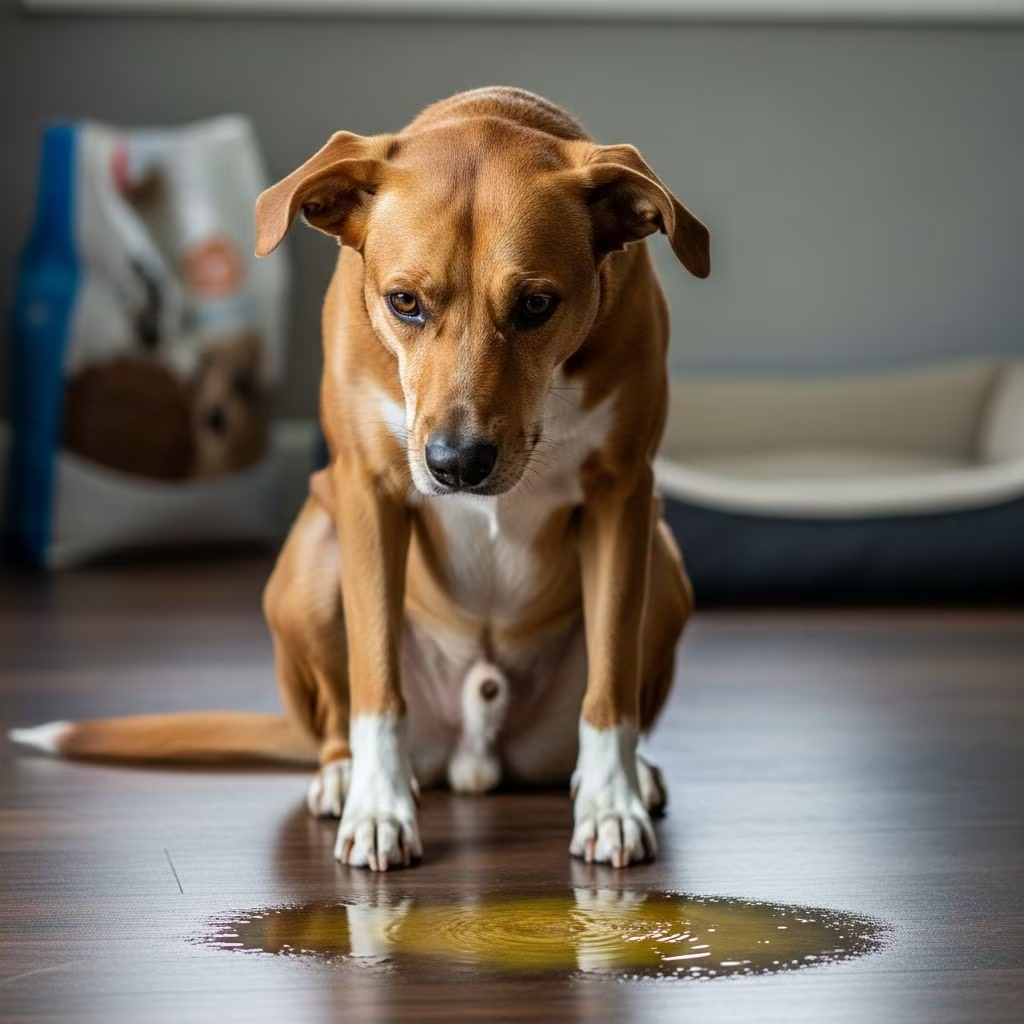
Understanding Dog House Soiling: A Comprehensive Guide
House soiling remains one of the most common behavioral complaints among dog owners, affecting approximately 20% of pet dogs and significantly straining the human-animal bond. When a previously housetrained dog begins eliminating indoors, or when a puppy struggles with housetraining despite consistent efforts, pet owners often feel frustrated and confused. The key to resolving this issue lies in understanding that house soiling is rarely a simple behavioral problem—it typically stems from either medical conditions, inadequate training, or anxiety-related factors. This comprehensive guide will help you identify the underlying causes of your dog’s house soiling and implement effective solutions.
Common Medical Causes of House Soiling
When evaluating house soiling, medical causes should be the primary consideration, especially in adult dogs that were previously housetrained or puppies that are refractory to training. A thorough veterinary examination is essential before assuming behavioral causes.
Urinary Tract Problems
Urinary tract infections (UTIs) represent one of the most common medical causes of house soiling in dogs. These infections create urgency and discomfort during urination, making it difficult for dogs to maintain continence. Additionally, bladder tumors and other urinary system disorders can contribute to inappropriate elimination. Conditions affecting the bladder’s storage capacity or the dog’s ability to voluntarily control elimination require immediate veterinary attention.
Metabolic and Endocrine Disorders
Several systemic conditions can trigger increased thirst and urination patterns leading to house soiling. Diabetes causes significantly increased water consumption followed by increased urination, making it impossible for dogs to maintain their training schedule. Kidney disease, liver disease, and Cushing’s disease all increase urine volume and frequency. These conditions are particularly common in senior dogs and require specialized diagnostic testing and long-term management strategies.
Gastrointestinal Issues
Gastrointestinal distress presents another significant medical cause of house soiling, particularly when defecation indoors occurs. Conditions ranging from slightly loose stools to liquid diarrhea can prompt dogs to defecate indoors, especially if they cannot reach the designated outdoor elimination area quickly enough. Parasitic infections, food sensitivities, and inflammatory bowel conditions should all be evaluated.
Mobility and Neurological Problems
As dogs age, arthritis and joint pain can make it physically difficult to reach the door or signal their need to go outside. Neurological deterioration and spinal problems similarly affect a dog’s ability to control elimination or reach appropriate outdoor areas. These mobility issues require environmental modifications and increased outdoor access to prevent accidents.
Medication Side Effects
Several medications commonly prescribed for dogs can contribute to house soiling. Prednisone, used to treat various ailments, is a prime example of a medication that increases water consumption and urination. Other medications can cause gastrointestinal distress resulting in inappropriate defecation. Always discuss potential medication side effects with your veterinarian and explore alternatives if house soiling develops after starting new medications.
Age-Related Considerations
House soiling in senior dogs often indicates underlying medical conditions rather than behavioral problems. Canine Cognitive Dysfunction (CDS), similar to dementia in humans, affects senior dogs and can lead to confusion, memory loss, and changes in toileting behavior. This progressive condition results in loss of house training through cognitive decline and requires specialized management approaches. Incontinence also becomes increasingly common with age, affecting a senior dog’s ability to control bladder and bowel movements voluntarily.
Behavioral Causes of House Soiling
Once medical causes have been ruled out through comprehensive veterinary evaluation, behavioral factors should be considered. Behavioral house soiling typically stems from inadequate training, anxiety, environmental changes, or learned preferences for indoor elimination sites.
Inadequate House Training
Dogs that soil the home continuously or intermittently from the time they were first obtained may not have received proper housetraining. Incomplete or inconsistent training results in learned preferences for indoor elimination sites, as elimination itself is a self-reinforcing behavior. These dogs require systematic retraining using the same methods employed in initial housetraining, combined with careful environmental management.
Separation Anxiety and Fear-Based Issues
Anxiety-related house soiling represents a significant behavioral cause affecting dogs of all ages. Dogs with separation anxiety may soil during even brief owner absences, becoming increasingly distressed by the situation. Fear-based house soiling can result from noise aversions (such as thunderstorms or fireworks), fear of outdoors, or general anxiety about confined spaces. Dogs experiencing these emotional states may refuse to eliminate outdoors or may be unable to complete elimination due to their emotional distress.
Environmental and Routine Changes
Changes in owner schedule, relocation to a new home, introduction of new pets, or modifications to feeding times can all trigger house soiling in previously housetrained dogs. These changes create anxiety and disrupt established routines, leading to temporary or prolonged elimination problems. Senior dogs are particularly susceptible to stress caused by environmental changes.
Diagnostic Approach and Veterinary Evaluation
A systematic diagnostic approach is essential for identifying the underlying cause of house soiling and developing an effective treatment plan. All dogs presenting with house soiling issues should receive a veterinary evaluation to rule out medical causes.
Initial Assessment
The diagnostic process begins with a complete physical examination and detailed history regarding the onset and pattern of house soiling. Veterinarians should specifically ask about increased drinking, increased elimination frequency, increased volume of elimination, or decreased control and incontinence, as these signs indicate medical rather than purely behavioral causes. For puppies refractory to house training or adult dogs with acute onset soiling, medical evaluation is particularly important.
Recommended Diagnostic Tests
For dogs younger than 5 years, the minimum diagnostic database should include a physical examination, urinalysis via cystocentesis, and imaging of the lower urinary tract. Dogs aged 5 years and older should also have a complete blood count and chemistry profile to screen for systemic conditions. Intestinal parasite screening and rectal examination are recommended if the dog is defecating indoors. Additional diagnostics, such as water quantitation and urine cortisol/creatinine ratio, may be needed depending on the patient’s age, signalment, and clinical signs.
Treatment Strategies and Management
Treatment approaches vary depending on whether the underlying cause is medical, behavioral, or a combination of both factors. Successful management often requires multiple interventions and considerable patience.
Environmental Management
Regardless of the underlying cause, proper environmental management is critical. All soiled indoor sites should be thoroughly cleaned with enzymatic or odor-eliminating cleaners, as residual odor can encourage resoiling. If possible, access to the dog’s preferred indoor elimination sites should be restricted. When restriction isn’t feasible, owners can attempt to change the site’s function by placing bedding, food bowls, or water dishes in the area.
Housetraining Reinforcement
Dogs lacking proper housetraining should be retrained using consistent methods combined with careful environmental management. Frequent outdoor access, positive reinforcement for appropriate elimination outdoors, and close supervision indoors are essential components of retraining. Complete house training is not considered established until no house soiling episodes have occurred for 8 weeks or more.
Increased Outdoor Access
Senior dogs and dogs with medical conditions require more frequent outdoor elimination opportunities. Establishing a consistent toileting schedule with multiple daily breaks helps prevent accidents and supports successful management. Indoor training pads can provide additional containment options, particularly during nighttime hours or when owners must be away for extended periods.
Anxiety Management
For dogs with anxiety-related house soiling, treatment of the primary anxiety condition is essential. This may include behavioral modification techniques, environmental enrichment, consistent daily routines, and in some cases, anxiety-reducing medications prescribed by a veterinarian. Creating a calm, predictable environment helps reduce stress-related elimination problems.
Medical Treatment
When medical conditions are identified, appropriate treatment should be initiated. This may include antibiotics for urinary tract infections, dietary management for gastrointestinal issues, medications for endocrine disorders, or surgical interventions when necessary. Management practices providing environmental enrichment can help slow the progression of cognitive dysfunction in senior dogs. Veterinarians may recommend dietary modifications and medications to support cognitive function in affected dogs.
Prognosis and Long-Term Outcomes
The prognosis for house soiling depends primarily on identifying and treating the underlying cause. Dogs with inadequate house training show excellent improvement with careful environmental management and consistent retraining, often resolving the issue within several months of dedicated effort. Medical conditions require ongoing management but many can be controlled with appropriate treatment. Anxiety-related issues may require longer-term behavioral modification and potentially medication, but most dogs show significant improvement with comprehensive treatment approaches.
Prevention Strategies
While not all house soiling can be prevented, several strategies reduce the likelihood of developing elimination problems. Proper initial housetraining using consistent positive reinforcement methods establishes strong foundations. Maintaining stable routines, providing regular outdoor access, and minimizing environmental stressors help prevent behavioral house soiling. Annual veterinary examinations can identify medical conditions early before they progress to cause elimination problems.
Frequently Asked Questions (FAQs)
Q: When should I take my dog to the veterinarian for house soiling?
A: Schedule a veterinary appointment immediately if your dog suddenly begins soiling the house after being housetrained, if a puppy shows persistent house soiling despite consistent training efforts, or if soiling is accompanied by other signs like increased drinking, increased urination frequency, or changes in stool consistency. Early veterinary evaluation is crucial for identifying and treating underlying medical conditions.
Q: Can medications cause house soiling?
A: Yes, several medications can contribute to house soiling. Prednisone and other medications can increase water consumption and urination, while others may cause gastrointestinal distress. Always inform your veterinarian if house soiling begins after starting new medications, as alternative medications may be available.
Q: How long does it take to retrain an adult dog with house soiling issues?
A: Complete house training is typically considered established after 8 weeks or more without any soiling episodes. Dogs with long histories of house soiling may require several months of careful management and consistent training before complete resolution occurs. The timeline depends on the underlying cause, the dog’s age, and the consistency of the retraining program.
Q: What is Canine Cognitive Dysfunction and how does it cause house soiling?
A: Canine Cognitive Dysfunction is a progressive condition similar to dementia in humans that affects senior dogs. It causes confusion, memory loss, and changes in toileting behavior, resulting in loss of previous house training through cognitive decline. No specific treatment exists for CDS-related house soiling, but environmental management and certain medications may help slow progression.
Q: Should I punish my dog for house soiling?
A: No, punishment is never recommended for house soiling. Since house soiling often results from medical conditions or anxiety, punishment only increases stress and worsens the problem. Instead, focus on identifying the underlying cause, maintaining a calm environment, and using positive reinforcement for appropriate outdoor elimination.
Q: What cleaning products should I use for soiled areas?
A: Use enzymatic or odor-eliminating cleaners specifically designed for pet accidents. These products break down the organic compounds in urine and feces, removing residual odors that would otherwise encourage your dog to resoll the same area. Regular household cleaners may not eliminate the scent fully.
Q: Can separation anxiety cause house soiling?
A: Yes, separation anxiety is a common behavioral cause of house soiling. Dogs with separation anxiety may soil during even brief owner absences due to distress and anxiety. Treatment involves addressing the underlying anxiety through behavioral modification, environmental management, and potentially medication prescribed by a veterinarian.
References
- 5 Ways to Prevent Your Housetrained Dog from Soiling the House — Whole Dog Journal. 2024. https://www.whole-dog-journal.com/training/house_training/5-ways-to-prevent-your-housetrained-dog-from-soiling-the-house/
- Canine House Soiling: Back to Basics — Today’s Veterinary Practice. 2024. https://todaysveterinarypractice.com/behavior/canine-house-soiling-back-basics/
- House Soiling in Older Dogs: Causes, Solutions & Care Tips — Petdirect. 2025. https://petdirect.co.nz/blog/house-soiling-older-dogs-causes-solutions
- House Soiling in Senior Dogs — Lap of Love. 2024. https://www.lapoflove.com/blog/senior-pet-care/house-soiling-in-senior-dogs
- Why Is My Dog Peeing in the House Suddenly? — PetsCare.com. 2024. https://www.petscare.com/news/post/dog-peeing-house-suddenly
- Dog Behavior Problems — House Soiling — Humane Society of Missouri. 2024. https://hsmo.org/portfolio-item/dog-behavior-problems-house-soiling/



