

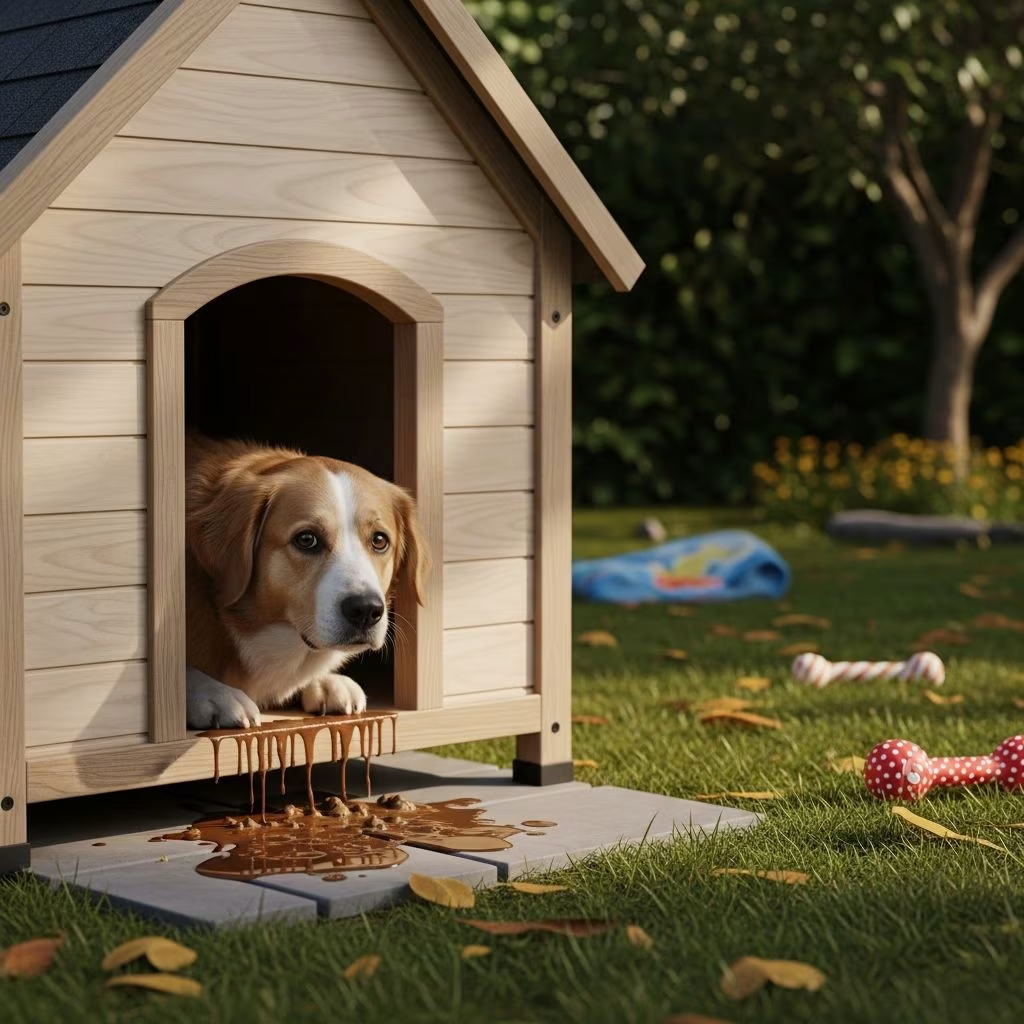
Dog Behavior Problems: House Soiling
House soiling is one of the most common behavioral complaints reported by dog owners, affecting approximately 20% of pet dogs and representing a significant challenge to the human-animal bond. This problem can manifest as inappropriate urination, defecation, or both occurring inside the home despite the dog being previously house-trained. Understanding the underlying causes and implementing appropriate interventions is essential for resolving this frustrating issue and maintaining a healthy relationship between pet and owner.
Understanding House Soiling in Dogs
House soiling refers to elimination occurring in inappropriate indoor locations. While this behavior is most commonly associated with puppies during the initial house-training phase, it can also develop in previously trained adult dogs. The distinction between these scenarios is crucial because the underlying causes and treatment approaches differ significantly. Dogs that have never been properly house-trained require foundational training methods, while previously trained dogs that suddenly begin soiling typically indicate either medical or behavioral underlying factors that need investigation.
Medical Causes of House Soiling
Medical evaluation should be the first step when addressing house soiling, particularly in adult dogs or puppies resistant to house-training efforts. Numerous health conditions can contribute to inappropriate elimination, and identifying these medical causes is critical before pursuing behavioral interventions.
Urinary Tract and Bladder Disorders
Urinary tract infections (UTIs) represent one of the most common medical causes of house soiling in dogs. These infections increase urination frequency and urgency, making it difficult for dogs to maintain control or reach outdoor elimination areas in time. Bladder stones, crystals, and tumors can similarly compromise bladder function and increase elimination urges. Any condition affecting the bladder’s storage capacity or the dog’s ability to sense when elimination is necessary can result in indoor accidents.
Systemic Diseases
Diseases affecting kidney and liver function dramatically increase urine production. Diabetes, which causes increased thirst and water consumption followed by increased urination, is a prime example of a systemic condition leading to house soiling. Cushing’s disease, another endocrine disorder, similarly increases water consumption and elimination frequency. These metabolic conditions often present with additional clinical signs including increased drinking, increased appetite, and weight changes.
Gastrointestinal Issues
Gastrointestinal distress represents another significant medical category contributing to house soiling. Conditions ranging from mild dietary sensitivities to inflammatory bowel disease can cause loose stools or diarrhea, prompting dogs to defecate indoors. Parasitic infections, bacterial overgrowth, and food intolerances all fall within this category. Dogs experiencing gastrointestinal urgency may not have sufficient time to signal their need to go outside or may experience involuntary defecation.
Medications Contributing to House Soiling
Several medications commonly prescribed for various canine health conditions can trigger or exacerbate house soiling as a side effect. Prednisone, frequently used to treat immune-mediated conditions and inflammatory diseases, significantly increases water consumption and urination. Other medications can cause gastrointestinal distress, which subsequently leads to inappropriate defecation. Pet owners should consult with their veterinarian about potential medication-related effects when house soiling coincides with starting new medications.
Age-Related Conditions
Senior dogs face unique challenges contributing to house soiling. Cognitive dysfunction syndrome, similar to dementia in humans, affects older dogs through progressive cognitive decline, causing confusion and loss of previously learned house-training behaviors. Mobility issues such as arthritis make it physically difficult for senior dogs to reach outdoor elimination areas quickly. Incontinence caused by hormonal changes following spaying or neutering can also affect senior dogs more severely due to weakened sphincter muscles.
Behavioral Causes of House Soiling
Once medical causes have been ruled out through veterinary evaluation, behavioral factors should be examined. Several behavioral and environmental factors can cause house soiling in dogs.
Incomplete House Training
Lack of proper house training remains a common behavioral cause of indoor elimination. Some dogs never received consistent house-training protocols during their early development. Elimination is a self-reinforcing behavior; when dogs eliminate indoors without consequence or redirection, they develop learned preferences for indoor elimination sites. Breaking these established patterns requires systematic retraining and environmental management.
Separation Anxiety
Dogs experiencing separation anxiety often soil the house as an anxiety response during owner absences. These dogs may eliminate indoors even during brief periods alone, demonstrating that the soiling results from emotional distress rather than inability to control elimination. The anxiety itself prevents the dog from exercising bladder or bowel control, and the resulting soiling often increases the dog’s distress level further.
Fear and Anxiety Disorders
Various fear and anxiety conditions trigger house soiling beyond separation anxiety. Noise aversions cause dogs to refuse outdoor elimination during thunderstorms or fireworks, leading to indoor accidents. Fear of the outdoors or specific environmental triggers may prevent dogs from fully eliminating when outside, resulting in accidents when they return indoors. These dogs require anxiety management alongside environmental modifications.
Environmental and Routine Changes
Changes in a dog’s environment or daily routine can precipitate house soiling in previously trained dogs. Moving to a new home, introducing new pets, changes in owner work schedules, or modifications to feeding times can disrupt established elimination routines and trigger anxiety-related soiling. Dogs thrive on predictability, and significant changes require careful management to prevent behavioral regression.
Diagnostic Evaluation
A thorough veterinary evaluation forms the foundation of house soiling diagnosis and treatment planning. The diagnostic approach differs based on the dog’s age, history, and clinical presentation.
Physical Examination
The veterinarian begins with a comprehensive physical examination to assess overall health status and identify any obvious abnormalities affecting elimination. Abdominal palpation may reveal bladder distension, pain, or masses. Neurological examination assesses mobility and voluntary control, important factors in geriatric dogs.
Diagnostic Testing
Minimum diagnostic recommendations include urinalysis via cystocentesis (direct bladder sampling) and imaging of the lower urinary tract for dogs under five years of age. Dogs five years and older should additionally receive a complete blood count and chemistry profile to evaluate organ function. Intestinal parasite screening and rectal examination are recommended for dogs defecating indoors. Additional testing such as water quantitation and urine cortisol/creatinine ratios may be indicated based on clinical presentation.
Treatment Approaches
Treatment strategies vary depending on the underlying cause identified through evaluation. However, several general principles apply across most house soiling cases.
Environmental Management
Environmental modification forms a critical component of house soiling treatment. Complete restriction of access to previously soiled indoor areas prevents reinforcement of established soiling patterns. If complete restriction is impossible, owners can modify the space’s function by placing bedding, food bowls, or water bowls in the soiling area, as dogs naturally avoid eliminating near food and sleeping areas. Thorough cleaning with enzymatic or odor-eliminating cleaners removes residual odors that encourage resoiling.
House Training (Re)establishment
For dogs with inadequate house training or those regressing behaviorally, systematic retraining proves effective. This involves establishing consistent outdoor elimination schedules, using positive reinforcement for outdoor elimination, supervising the dog indoors, and using confinement (crate training) when direct supervision is impossible. Complete house training is not considered established until no soiling episodes occur for at least eight weeks or longer.
Medical Treatment
Once medical causes are identified, appropriate medical management addresses the underlying condition. UTIs require antibiotic therapy, dietary modifications may address digestive sensitivities, and appropriate medications manage endocrine disorders. Medication adjustments may be necessary if current prescriptions contribute to house soiling.
Behavioral Modification
Dogs with anxiety-related soiling require anxiety management alongside environmental controls. This may include desensitization and counter-conditioning for specific triggers, maintaining predictable routines, providing environmental enrichment, and in some cases, anti-anxiety medications prescribed by the veterinarian.
Senior Dog Management
Senior dogs with house soiling require modified management approaches. Increased outdoor bathroom break frequency accommodates age-related elimination increases. Training pads in high-traffic areas provide acceptable indoor elimination locations during unavoidable accidents. Comfortable, accessible resting areas near doors facilitate quick outdoor access. Dietary modifications may support digestive health, and veterinary treatment addresses specific geriatric conditions contributing to soiling.
Prevention Strategies
Several proactive measures help prevent house soiling development in young dogs and recurrence in treated dogs:
Preventive Measures
- Establish consistent outdoor elimination schedules from puppyhood
- Provide frequent outdoor access, especially after meals, naps, and play
- Use positive reinforcement immediately when dogs eliminate outdoors
- Maintain consistent daily routines to prevent anxiety and confusion
- Schedule regular veterinary wellness examinations to detect medical issues early
- Ensure appropriate parasite prevention and vaccination
- Provide adequate outdoor space and accessibility for elimination
- Use crate training appropriately to prevent indoor soiling during unsupervised periods
- Avoid punishment for accidents, which increases anxiety and confusion
- Monitor medication side effects and report changes to your veterinarian
Frequently Asked Questions
Q: Why is my housetrained dog suddenly soiling the house?
A: Sudden house soiling in previously trained dogs typically indicates either medical issues (UTIs, dietary changes, new medications) or behavioral concerns (anxiety, routine changes, stress). A veterinary examination is essential to rule out medical causes before addressing behavioral factors.
Q: How long does it take to retrain a dog after house soiling problems?
A: Dogs with long histories of house soiling may require several months of careful management to become completely retrained. Training is not considered complete until no soiling episodes occur for at least eight weeks or longer, depending on the severity and duration of the problem.
Q: Can medications cause house soiling?
A: Yes, several medications can contribute to house soiling. Prednisone and other medications that increase water consumption can lead to increased urination. Other medications may cause gastrointestinal distress resulting in defecation indoors. Discuss potential side effects with your veterinarian.
Q: How should I clean areas where my dog has soiled?
A: Thoroughly clean soiled areas with enzymatic or odor-eliminating cleaners to remove residual odors. Dogs often return to previously soiled spots due to lingering scent markers, so complete odor elimination is critical for preventing resoiling.
Q: Is house soiling common in senior dogs?
A: Yes, house soiling becomes increasingly common in senior dogs due to medical conditions like incontinence, cognitive dysfunction, mobility issues, and kidney disease. Senior dogs require modified management including more frequent outdoor breaks and veterinary evaluation of underlying causes.
Q: Can anxiety cause house soiling?
A: Yes, separation anxiety, noise aversions, and fear of outdoor environments can all trigger house soiling. Dogs experiencing anxiety may eliminate indoors as a stress response, even if they were previously house-trained. Addressing the anxiety through behavioral modification and environmental management is essential.
Conclusion
House soiling represents a manageable behavioral and medical issue when approached systematically. Veterinary evaluation to identify medical causes must be the first step, followed by assessment of behavioral and environmental factors. With proper diagnosis, targeted treatment, and consistent environmental management, most dogs can overcome house soiling problems. The key to success involves patience, positive reinforcement, and working closely with veterinary professionals to develop individualized treatment plans addressing each dog’s specific circumstances. By addressing house soiling effectively, owners can restore harmony to their homes while strengthening the human-animal bond.
References
- 5 Ways to Prevent Your Housetrained Dog from Soiling the House — Whole Dog Journal. 2024. https://www.whole-dog-journal.com/training/house_training/5-ways-to-prevent-your-housetrained-dog-from-soiling-the-house/
- Canine House Soiling: Back to Basics — Today’s Veterinary Practice. 2023. https://todaysveterinarypractice.com/behavior/canine-house-soiling-back-basics/
- House Soiling in Older Dogs: Causes, Solutions & Care Tips — Petdirect. 2024. https://petdirect.co.nz/blog/house-soiling-older-dogs-causes-solutions
- House soiling – Elimination and marking problems in dogs — VetWest Australia. 2024. https://www.vetwest.com.au/pet-library/house-soiling-elimination-and-marking-problems-in-dogs/
- Dog Behavior Problems — House Soiling — Humane Society of Missouri. 2024. https://hsmo.org/portfolio-item/dog-behavior-problems-house-soiling/
- House Soiling in Senior Dogs — Lap of Love. 2024. https://www.lapoflove.com/blog/senior-pet-care/house-soiling-in-senior-dogs
- House Soiling in Dogs: Causes and Vet-Approved Solutions — Ask a Vet. 2025. https://askavet.com/blogs/news/house-soiling-in-dogs-causes-and-vet-approved-solutions-for-2025



