

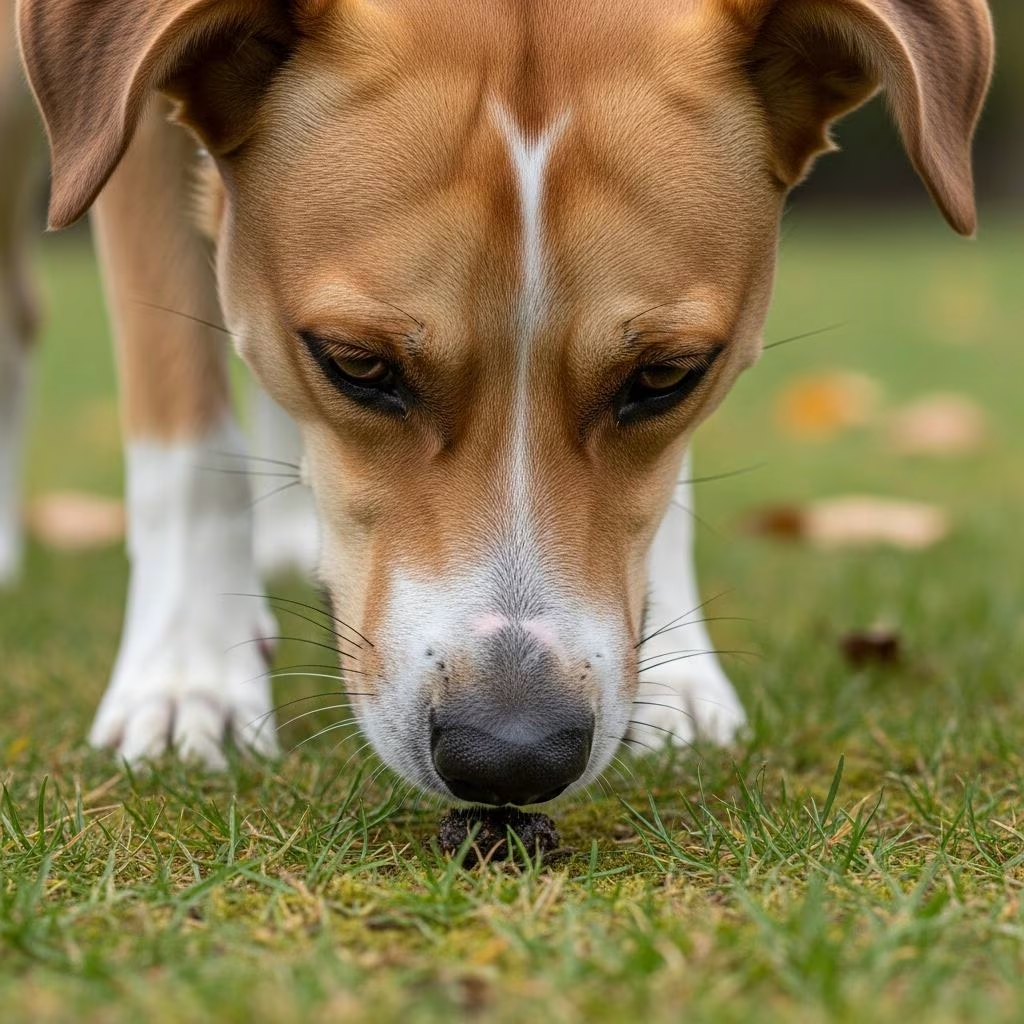
Understanding Dog Coprophagia: A Comprehensive Guide
Coprophagia, the act of consuming feces, represents one of the most frustrating behavioral issues that dog owners encounter. While this behavior is relatively common in puppies and often resolves naturally as they mature with proper nutrition and supervision, it can persist into adulthood if left unaddressed. Understanding the underlying causes—whether medical, nutritional, or behavioral—is essential for effectively treating and preventing this undesirable habit. This comprehensive guide explores the multifaceted nature of coprophagia, helping owners identify potential triggers and implement appropriate interventions.
What is Coprophagia?
Coprophagia is the technical term for the consumption of fecal matter. In dogs, this behavior can involve eating their own stool, the stool of other dogs, or feces from other animal species. While it may seem repulsive to owners, dogs may engage in this behavior for various legitimate reasons ranging from nutritional deficiencies to learned behaviors. The key to addressing coprophagia lies in identifying whether the underlying cause is medical, environmental, or behavioral in nature.
Medical Causes of Coprophagia
Understanding the medical factors that contribute to coprophagia is crucial for developing an effective treatment plan. Many dogs begin eating feces due to underlying health conditions that increase their appetite, decrease nutrient absorption, or alter the palatability of their stool.
Malabsorption and Nutritional Deficiencies
Any medical problem that leads to decreased absorption of nutrients can trigger coprophagia. When a dog’s digestive system fails to properly absorb essential vitamins, minerals, and nutrients, the animal experiences chronic hunger despite consuming adequate food. This drives them to seek additional nutrition from available sources, including their own stool. Conditions that affect nutrient absorption include:
- Exocrine Pancreatic Insufficiency (EPI) – a disorder where the pancreas fails to produce adequate digestive enzymes
- Intestinal parasites that leach nutrients and damage the intestinal lining
- Malabsorption syndrome, where the small intestine cannot properly absorb nutrients
- Digestive enzyme deficiencies that prevent proper food breakdown
Puppies fed poorly digestible diets or underfeeding situations may develop nutritional deficiencies leading to coprophagia. Similarly, adult dogs may begin eating stools when experiencing malabsorption of nutrients due to dietary deficiencies.
Systemic Health Conditions
Several systemic diseases can increase appetite or alter how a dog’s stool is processed, making it more appealing for consumption. These conditions include:
- Diabetes mellitus, which causes increased appetite and changes stool composition
- Cushing’s disease (hyperadrenocorticism), associated with increased hunger
- Thyroid disease, particularly hyperthyroidism, which elevates metabolic rates
- Certain pharmaceutical treatments, such as corticosteroids, that increase appetite as a side effect
When adult dogs suddenly begin eating feces, these endocrine and metabolic conditions should be among the first suspects investigated through veterinary diagnosis.
Gastrointestinal Upset and Stool Composition
The physical characteristics of a dog’s stool can influence coprophagia. Stools containing large amounts of undigested food material are more likely to be consumed because they appear more nutritious and palatable. Soft or poorly digested stools indicate potential digestive issues and increase the likelihood of coprophagia. When stools are unusually soft or contain visible undigested food, additional diagnostic testing becomes warranted to identify underlying gastrointestinal problems.
Diagnostic Approach to Coprophagia
Before implementing behavioral interventions or dietary changes, a thorough veterinary evaluation is essential. A complete physical examination combined with appropriate diagnostic testing can reveal medical causes that might otherwise be missed. The diagnostic process typically includes:
- Complete physical examination to assess overall health status
- Evaluation of the dog’s current diet and feeding schedule
- Assessment of stool frequency and consistency
- Stool analysis to detect parasitic infections
- Blood tests to evaluate organ function and metabolic status
- Additional specialized testing when indicated by initial findings
This comprehensive diagnostic approach ensures that medical causes are identified and addressed before relying solely on behavioral modifications.
Natural Behavioral Factors Contributing to Coprophagia
Beyond medical causes, several natural behavioral patterns can predispose dogs to coprophagia. Understanding these instinctive behaviors provides context for why this habit develops naturally in some dogs.
Maternal Behavior and Puppy Development
One well-documented natural cause of coprophagia involves maternal grooming and cleaning instincts. Mother dogs naturally consume the feces and urine of their newborn puppies as part of their grooming and denning behaviors. This instinctive cleanup behavior serves important hygienic functions in the den environment. Additionally, dogs possess a documented tendency to be attracted to infections or discharges from their pack-mates, which they will sniff and lick. This exploratory and bonding behavior can translate into stool consumption, particularly in young animals still learning appropriate behaviors.
Attention-Seeking Behavior
Some dogs engage in coprophagia to gain attention from their owners. When owners react strongly—whether positively or negatively—to the behavior, they inadvertently reinforce it. Dogs learn that this behavior generates a response, even if the response is negative. This reinforcement cycle can establish coprophagia as a habitual attention-seeking behavior.
Environmental Enrichment and Boredom
Dogs lacking adequate mental stimulation and environmental enrichment may develop coprophagia out of boredom or exploratory behavior. Insufficient play opportunities, limited social interaction, and lack of cognitive challenges can lead to the development of abnormal behaviors, including stool consumption.
Treating Coprophagia: A Comprehensive Approach
Prevention Through Environmental Management
The most effective treatment strategy involves preventing access to fecal material through diligent environmental management. Specific measures include:
- Prompt removal of feces from the dog’s living area and yard
- Thorough cleaning of outdoor spaces where the dog spends time
- Constant supervision during outdoor activities and walks
- Immediate intervention when the dog shows interest in fecal material
- Redirection to appropriate toys and activities
This prevention-focused approach eliminates opportunities for the behavior before it becomes reinforced or habitual.
Dietary Modifications and Supplementation
When medical causes have been ruled out or treated, dietary changes often prove effective in eliminating coprophagia. Appropriate dietary interventions include:
- Switching to a highly digestible diet that maximizes nutrient absorption
- Changing protein sources to determine if allergies or sensitivities are contributing
- Ensuring adequate caloric intake appropriate for the dog’s age, size, and activity level
- Adding enzyme supplements to improve nutrient digestion and absorption
- Incorporating high-fiber formulas for dogs on restricted calorie diets
For dogs with specific medical conditions like exocrine pancreatic insufficiency, digestive enzyme replacement therapy using freeze-dried pancreas extracts can dramatically improve nutrient absorption and resolve coprophagia.
Stool Modification Techniques
Making the stool less palatable can deter dogs from consumption. Digestive enzymes in the form of meat tenderizers or food additives increase protein digestion, resulting in a less attractive stool. These additives require moistening the food first and allowing 10-15 minutes for the product to sit on the food to maximize effectiveness.
Alternative substances proposed to reduce stool palatability include papaya, yogurt, cottage cheese, and breath mints added to food. However, most dogs either develop tolerance to these taste modifications or learn to selectively avoid treated stools. Adding sufficient stool softeners or bulk laxatives typically proves more effective, as most dogs naturally prefer well-formed stools and will avoid soft or loose fecal material.
Experimentally, the only form of taste aversion consistently shown to be effective is something associated with nausea, though this approach requires careful consideration regarding animal welfare.
Training and Behavioral Intervention
Once medical issues have been addressed and environmental management is in place, behavioral training can reinforce appropriate habits and discourage coprophagia.
What Not To Do
Certain outdated training techniques actively worsen coprophagia and should be avoided entirely. Punitive methods such as sticking the dog’s nose in its stool when it has soiled the home may actually encourage coprophagia rather than prevent it. Harsh punishment and scolding increase anxiety and stress, which can trigger or exacerbate the behavior. The physical act of forcing the dog’s face into feces can paradoxically increase interest in fecal material.
Positive Reinforcement Strategies
Effective training emphasizes positive reinforcement of desired behaviors. Rewarding the dog for ignoring fecal material, redirecting toward appropriate toys and activities, and creating positive associations with clean behaviors establishes new habits more effectively than punishment-based approaches. Consistency in reinforcement and early intervention help prevent coprophagia from becoming an ingrained long-term habit.
Anxiety and Stress Management
For dogs whose coprophagia stems from anxiety, addressing the underlying emotional causes becomes essential. Anxiety-driven coprophagia may develop when dogs have been harshly punished in the past and consume their stool to hide evidence of inappropriate elimination. Treatment approaches include:
- Desensitization and counter-conditioning techniques
- Environmental modifications to reduce stress triggers
- Increased exercise and mental stimulation
- Consultation with professional animal behaviorists
- Anti-anxiety medications prescribed by veterinarians in severe cases
Timeline and Prognosis
Coprophagia in puppies usually resolves naturally by adulthood when combined with good nutrition and proper supervision. Early intervention during the puppy stage significantly reduces the likelihood that the behavior will develop into a persistent adult habit. In adult dogs, the prognosis depends on identifying and addressing the underlying cause. Dogs with medical conditions typically show improvement once the condition is treated. Behaviorally-motivated coprophagia responds well to environmental management combined with positive reinforcement training.
Frequently Asked Questions About Coprophagia
Q: At what age do puppies typically stop eating their own feces?
A: Coprophagia is common in puppies and typically resolves by adulthood when proper nutrition, supervision, and direction are provided. However, without intervention, the behavior can persist into adulthood.
Q: Can coprophagia indicate my dog is not being fed enough?
A: While underfeeding can contribute to coprophagia, the behavior has multiple causes. It’s essential to verify with your veterinarian that your dog is receiving appropriate portions. More commonly, medical conditions affecting nutrient absorption rather than insufficient quantity cause coprophagia.
Q: Is coprophagia dangerous to my dog?
A: Coprophagia can expose dogs to intestinal parasites and bacterial pathogens present in feces. While the behavior itself doesn’t directly harm the dog, it increases disease transmission risk and indicates underlying health or behavioral issues requiring attention.
Q: Should I punish my dog for eating poop?
A: No. Punishment and scolding increase anxiety and can worsen coprophagia or create additional behavioral problems. Positive reinforcement of appropriate behaviors combined with environmental management and veterinary evaluation proves far more effective.
Q: When should I contact my veterinarian about coprophagia?
A: Contact your veterinarian if your puppy continues eating feces beyond the typical age range, if your adult dog suddenly begins this behavior, or if coprophagia persists despite good nutrition and supervision. Early professional evaluation can identify treatable medical causes.
Q: Can diet changes alone stop coprophagia?
A: Diet changes often help significantly, particularly if nutritional deficiencies or digestive issues are involved. However, coprophagia often requires a multifaceted approach combining environmental management, dietary modifications, medical treatment when indicated, and behavioral training for complete resolution.
References
- Dog Behavior Problems – Coprophagia — VCA Animal Hospitals. 2024. https://vcahospitals.com/know-your-pet/dog-behavior-problems-coprophagia
- Understanding Coprophagia: Causes and solutions for your pet — COAPE International. 2024. https://coape.org/understanding-coprophagia-causes-and-solutions-for-your-pet/
- Why Do Dogs Eat Poop? — PetMD. 2024. https://www.petmd.com/dog/behavior/why-do-dogs-eat-poop
- Why Dogs Eat Poop And How To Stop It — American Kennel Club. 2024. https://www.akc.org/expert-advice/health/why-dogs-eat-poop/
- Dirty Dog Syndrome: Causes, Solutions, and Prevention — Sniffspot. 2024. https://www.sniffspot.com/blog/dog-training/coprophagia-why-does-your-dog-eat-poop
- Coprophagia in Dogs – Symptoms, Causes, Diagnosis, Treatment — Wag Walking. 2024. https://wagwalking.com/condition/coprophagia
- Why Does My Senior Dog Eat Poop? — BluePearl Pet Hospital. 2024. https://bluepearlvet.com/in-home-pet-hospice/why-does-my-senior-dog-eat-poop/



