

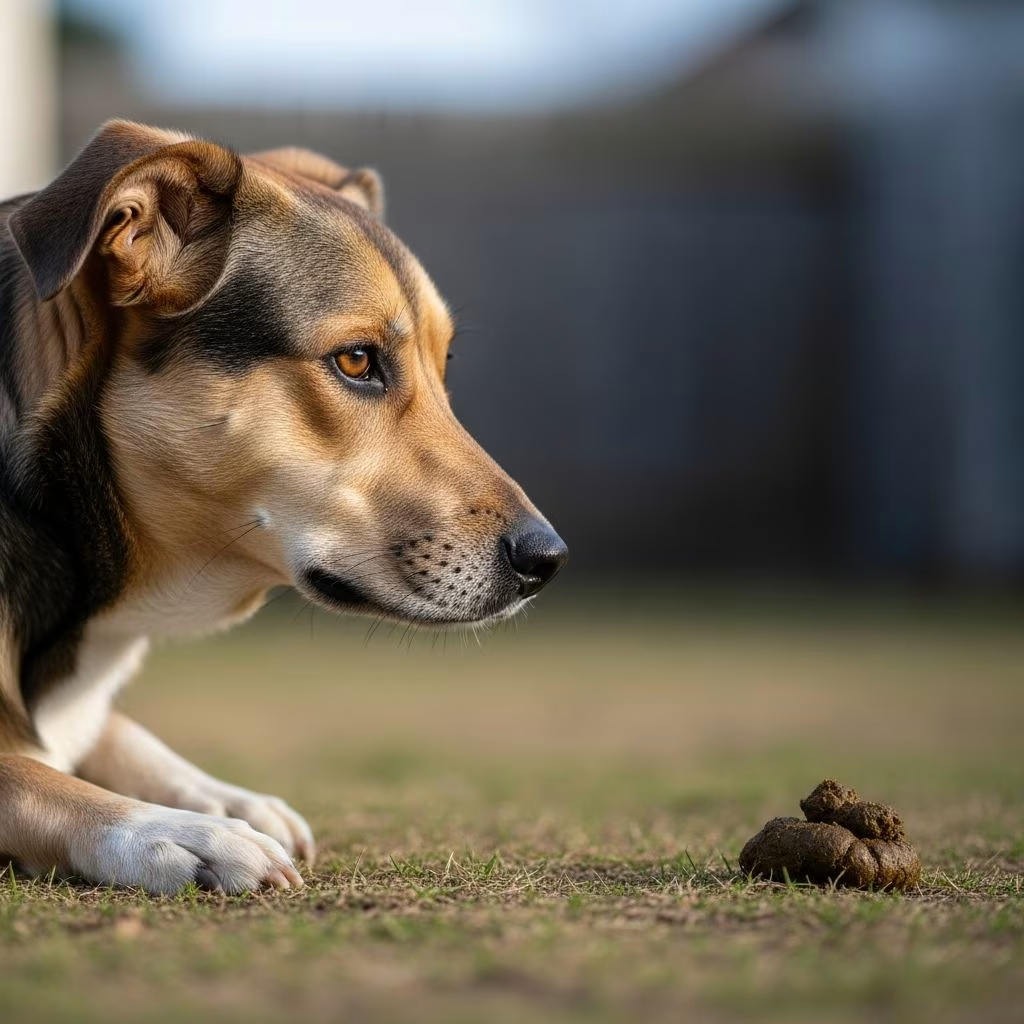
Understanding Coprophagia in Dogs
Coprophagia, the act of consuming feces, is a relatively common behavior problem observed in dogs, particularly in puppies. While it may seem alarming to pet owners, this behavior typically resolves naturally by adulthood when accompanied by proper nutrition and appropriate supervision. Understanding the underlying causes and implementing effective management strategies can help address this unwanted behavior and prevent it from becoming a long-term habit.
The behavior is more prevalent in certain life stages and situations, making early intervention crucial. Dogs of all ages may exhibit coprophagia, but puppies are particularly susceptible due to their developmental stage and natural curiosity. Recognizing the signs early and addressing them promptly can significantly improve outcomes and prevent the behavior from becoming entrenched.
Why Do Dogs Eat Feces?
Dogs engage in coprophagia for various reasons, ranging from nutritional deficiencies to behavioral and psychological factors. Understanding the motivation behind this behavior is essential for developing an effective treatment plan tailored to your specific dog.
Natural Behavioral Instincts
In adult dogs, coprophagia may stem from innate grooming behaviors and pack dynamics. Nursing mothers naturally eat their puppies’ feces as part of keeping the environment clean and sanitary for their litter. This instinctive behavior is a normal part of maternal care and typically diminishes once puppies are weaned. Additionally, dogs possess an inherent tendency to be attracted to infections, discharges, and other bodily materials from their pack mates, which they investigate through sniffing and licking. These natural instincts, while important for survival in wild settings, can translate into problematic behavior in domestic environments.
Nutritional and Dietary Factors
One of the most significant contributors to coprophagia is inadequate nutrition. Dogs fed poorly digestible diets, underfed, or consuming low-quality food may develop this behavior due to persistent hunger and nutritional deficiencies. When a dog’s diet lacks essential nutrients or is not properly absorbed by the digestive system, the dog remains in a state of semi-starvation despite receiving food, leading to an increased appetite and heightened motivation to consume feces.
Puppies and adult dogs experiencing malnutrition or vitamin and mineral deficiencies are particularly prone to eating stools. If stools contain large amounts of undigested food material, the likelihood of stool consumption increases significantly, as the feces retain the appealing qualities of actual food.
Medical Causes of Coprophagia
Several medical conditions can precipitate coprophagia in dogs. Any medical problem that leads to decreased nutrient absorption, gastrointestinal upset, or increased appeal of the dog’s stool may contribute to this behavior. A thorough veterinary evaluation is essential to rule out underlying health issues before implementing behavioral interventions.
Digestive and Nutritional Disorders
Digestive enzyme deficiencies represent a significant medical cause of coprophagia. Endocrine pancreatic insufficiency (EPI) occurs when the pancreas fails to produce adequate digestive enzymes, preventing proper food breakdown and nutrient absorption. Dogs with this condition essentially experience malnutrition despite consuming adequate food, creating a perpetual state of hunger that drives them to consume feces.
Parasitic infections also contribute to nutrient malabsorption and can trigger coprophagia. When parasites compromise the intestinal lining, dogs cannot efficiently extract nutrients from their food, leading to deficiencies and increased appetite.
Endocrine and Metabolic Conditions
When adult dogs begin eating stools, endocrine and metabolic disorders should be considered. Diabetes, Cushing’s disease, and thyroid disease can all increase appetite and create unusual eating behaviors. These conditions alter the dog’s metabolic processes, leading to increased hunger signals and potentially driving them toward consuming feces.
Certain medications, particularly steroids, can increase appetite and contribute to coprophagia. If a dog’s stool-eating behavior coincides with medication administration, this potential connection should be discussed with your veterinarian.
Gastrointestinal Conditions
Various gastrointestinal conditions can lead to coprophagia. Malabsorption disorders, where the intestinal tract cannot properly absorb nutrients, create a scenario where the dog remains hungry despite consuming adequate nutrition. The undigested food material in the stool becomes increasingly appealing to a chronically hungry dog.
Behavioral and Environmental Causes
Beyond medical issues, behavioral and environmental factors significantly influence coprophagia development. Dogs confined to barren yards with insufficient environmental stimulation and enrichment are particularly predisposed to developing this habit. Boredom and lack of mental engagement can drive dogs to engage in inappropriate behaviors, including stool consumption.
Improper training methods can inadvertently encourage coprophagia. The outdated and inhumane practice of rubbing a dog’s nose in its stool after indoor accidents may actually reinforce stool-eating behavior. Such punishment-based approaches can create anxiety and confusion, potentially making the problem worse rather than better.
It’s important to recognize that changing a behavior that has become habitual is challenging. Immediate resolution of long-standing coprophagia is unlikely, requiring patience and consistent management strategies over time.
Diagnosis and Veterinary Evaluation
A comprehensive veterinary assessment is the first step in addressing coprophagia. Your veterinarian will conduct a thorough evaluation to determine whether medical causes are contributing to the behavior.
Initial Assessment
The diagnostic process begins with a complete physical examination, detailed medical history, and careful dietary evaluation. Your veterinarian will assess the puppy or dog’s diet quality and quantity, evaluating whether the dog is receiving appropriate nutrition. The stool’s frequency and consistency provide valuable diagnostic clues, as abnormally soft or poorly digested stools may indicate malabsorption issues.
Diagnostic Testing
Stool testing for parasites represents the minimum level of diagnostic testing and should be performed for any dog exhibiting coprophagia. If the stool appears unusually soft or contains undigested food material, additional testing becomes warranted. Potential diagnostic procedures include:
- Fecal examinations to identify parasites and assess stool quality
- Bacterial cultures to identify pathogenic organisms
- Blood tests to evaluate for endocrine disorders, such as diabetes or Cushing’s disease
- Pancreatic and gastrointestinal function testing to assess digestive capacity
- Thyroid function tests when appropriate
These diagnostic tools help identify underlying medical conditions that may be driving the coprophagia behavior, allowing for targeted treatment.
Health Risks Associated with Coprophagia
While coprophagia rarely causes serious medical complications, several health risks warrant consideration. The primary risks of fecal consumption include gastrointestinal upset, transmission of intestinal parasites, ingestion of medications excreted in stool, and transmission of fecal bacteria such as Salmonella and E. coli to humans through licking.
Dogs that consume feces may develop gastrointestinal disturbances, including diarrhea and vomiting. In severe cases, foreign body obstructions can occur. Additionally, bad breath (halitosis) frequently accompanies coprophagia. The transmission of parasites and bacteria poses health risks not only to the affected dog but also to human family members, particularly children and immunocompromised individuals.
Treatment Strategies for Coprophagia
Effective coprophagia management combines environmental control, behavioral modification, dietary intervention, and medical treatment when appropriate. A multi-faceted approach yields the best outcomes.
Environmental Management and Supervision
The most effective initial management strategy is preventing access to feces. Coprophagia can best be corrected by thorough cleaning of the pet’s property, prompt disposal of waste, and constant supervision when the pet is outdoors. Walking dogs on a leash in areas where other animal feces may be present allows you to control your dog’s environment and quickly redirect attention away from inappropriate items.
Using a muzzle or head halter during walks provides additional control and prevents fecal consumption. This management approach addresses the immediate behavior while other interventions take effect. Creating an enriched environment with appropriate toys, mental stimulation, and physical exercise helps reduce boredom-driven behaviors.
Dietary Interventions
Modifying your dog’s diet often produces significant improvements in coprophagia. Changing to a more digestible diet formula can help ensure nutrients are properly absorbed. Dogs on restricted calorie diets may benefit from switching to a high bulk or high fiber formula, which promotes satiety and reduces hunger-driven stool seeking.
Adding enzyme supplements can improve nutrient digestion and absorption, reducing the nutritional appeal of feces. Digestive enzymes in the form of meat tenderizers or food additives may help increase protein digestion, resulting in a less palatable stool. When adding these items to dry dog food, moisten the food first and allow the product to sit on the food for 10-15 minutes to maximize effectiveness.
Other dietary additives that have been suggested, though not scientifically proven, include papaya, yogurt, cottage cheese, and Certs breath mints. These are believed to impart a less pleasant taste to stools, though published evidence supporting their effectiveness remains limited.
Behavioral Modification
Counterconditioning represents an effective behavioral approach to coprophagia management. Providing a food reward immediately when your dog defecates teaches the dog to expect positive reinforcement rather than searching for feces to consume. This redirects the dog’s motivation and creates new behavioral associations.
Some practitioners recommend applying noxious-tasting or smelling substances to feces to discourage consumption. Bitter and hot substances, such as quinine and cayenne pepper, as well as commercial products like FOR-BID, have been used, though these approaches remain unsupported by rigorous published data.
Medical Treatment
When coprophagia is associated with a compulsive disorder or underlying anxiety, psychologically active medications may help modify the dog’s motivation. Clomipramine, tricyclic antidepressants (TCAs), and selective serotonin reuptake inhibitors (SSRIs) have been used in cases where behavioral modification alone proves insufficient.
Dogs with identified medical problems should receive treatment targeting the underlying cause. For dogs with pancreatic insufficiency, treatment typically involves replacing digestive enzymes using freeze-dried pancreas extracts from pig and cattle. Addressing parasitic infections, managing endocrine disorders, and adjusting medications as needed all contribute to resolving coprophagia driven by medical causes.
Follow-Up Care and Monitoring
Successful coprophagia management requires ongoing monitoring and adjustment of treatment strategies. Record abnormal eating habits to determine whether the behavior is decreasing over time. Progress should be discussed with your veterinarian approximately 10-14 days after implementing treatment changes. If dietary management did not significantly improve the problem, further diagnostic testing and medication may be warranted.
Realistic expectations are crucial when addressing coprophagia. Changing a behavior that has become habitual is very challenging, and immediate control of a long-standing problem is unlikely. Consistent application of management strategies, however, gradually reduces the frequency and intensity of the behavior.
Frequently Asked Questions
Q: Is coprophagia dangerous for my dog?
A: While coprophagia rarely causes serious medical issues, it can result in gastrointestinal upset, parasitic infections, ingestion of medications in stool, and transmission of harmful bacteria such as Salmonella and E. coli.
Q: Why do puppies eat feces more than adult dogs?
A: Puppies are more prone to coprophagia due to developmental factors, curiosity, and incomplete digestive system maturation. The behavior typically resolves naturally with proper nutrition and supervision.
Q: What should I do if I catch my dog eating feces?
A: Avoid punishing your dog or using outdated techniques like rubbing the nose in stool, as these may reinforce the behavior. Instead, gently redirect attention and consult your veterinarian to rule out medical causes.
Q: Can diet changes really stop coprophagia?
A: Yes, switching to a more digestible diet with appropriate nutrient balance often significantly improves coprophagia, particularly when nutritional deficiencies are contributing to the behavior.
Q: When should I contact my veterinarian about coprophagia?
A: Abnormal behavior should be evaluated by your veterinarian as soon as possible to determine if a physical cause exists and to develop an appropriate treatment plan.
References
- Eating Feces (Coprophagia) in Dogs — Vetster. 2024. https://vetster.com/en/symptoms/dog/eating-feces-coprophagia
- Pica and Coprophagia — Apple Valley Animal Hospital. https://www.applevalley.vet/sites/site-4271/documents/Pica%20and%20coprophagia.pdf
- Dog Behavior Problems – Coprophagia — VCA Animal Hospitals. https://vcahospitals.com/know-your-pet/dog-behavior-problems-coprophagia
- Coprophagia in Dogs – Symptoms, Causes, Diagnosis, Treatment — Wag Walking. 2024. https://wagwalking.com/condition/coprophagia
- Why Do Dogs Eat Their Own Poo — Vetwest Veterinary Clinics. https://www.vetwest.com.au/pet-library/why-do-dogs-eat-their-own-poo/



